Hyssop for Coughs and Colds: Meet the Herb
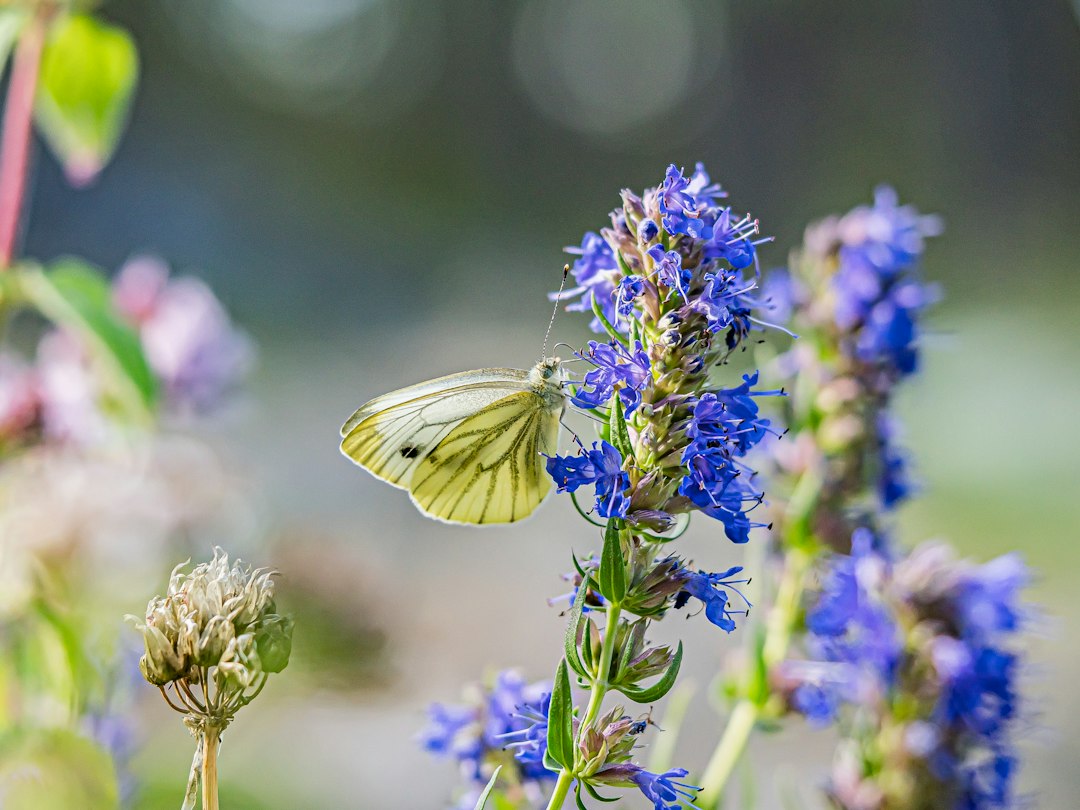
Blue flower spikes like these are where hyssop for coughs and colds begins.
Hyssop for coughs and colds is one of the oldest pairings in European herbalism, and it still earns a place in the cold-season cupboard. Long before cough syrups lined pharmacy shelves, families grew this bushy herb by the kitchen door. So what made it so trusted, and how do people use it today?
Hyssop (Hyssopus officinalis) belongs to the Lamiaceae, or mint, family. That makes it a cousin of thyme, sage and rosemary. Like them, it has a square stem and narrow, fragrant leaves. Then, from mid-summer into fall, tall spikes of small blue-violet flowers open along the stems. Bees and butterflies crowd around them all day.
The plant is native to southern Europe, the Middle East and the area around the Caspian Sea. It loves dry, rocky soil and full sun. As a result, it grows happily in Canadian herb gardens and handles our winters well once it settles in. It usually reaches about 60 centimetres tall and turns slightly woody at the base.
A Name With a Long History
The name hyssop appears in very old texts, including the Bible. However, scholars believe that ancient “hyssop” was probably a different plant, likely a type of wild marjoram. The herb we now call hyssop became popular in medieval Europe instead. Monks grew it in monastery gardens, and herbalists added it to cough remedies and chest rubs. It also flavoured liqueurs such as Chartreuse.
Here’s why that matters: hyssop earned its reputation through centuries of household use. Old herbals list it as a warming herb for the lungs and throat. In addition, cooks used small amounts of the bitter, minty leaves in stews and salads.
Hyssop Is Not Anise Hyssop
One quick note before we go further. Anise hyssop (Agastache foeniculum) is a separate North American plant with a sweet, liquorice scent. It shares part of the name, but it is not the same herb. This article covers true hyssop only. You can see its botanical profile in the USDA PLANTS Database.
Traditional Benefits of Hyssop for Coughs and Colds
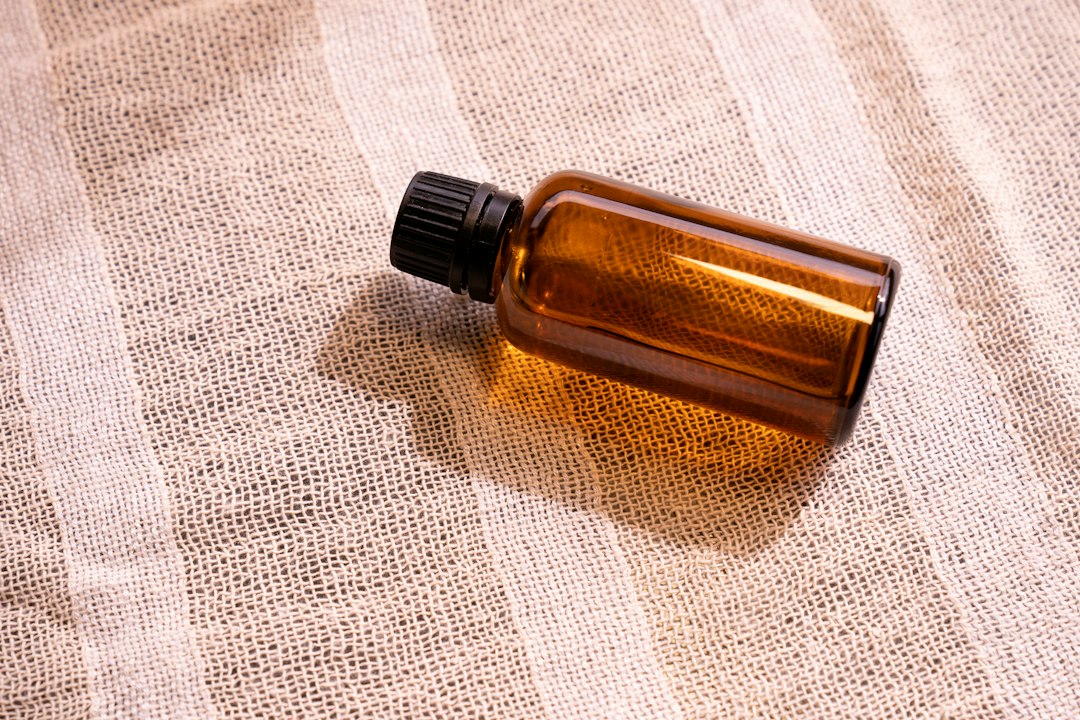
Tinctures capture both the aromatic oils and the bitter compounds of the plant.
Herbalists turn to hyssop for coughs and colds mainly because of its action on the chest. Traditionally, they describe it as an expectorant. An expectorant is an herb that may help the body loosen and clear mucus from the airways. So hyssop is a classic choice for a wet, rattly cough that feels stuck.
But there’s more to it than that. Hyssop is also a diaphoretic, which means it may help the body sweat when taken as a hot tea. Folk herbalists used warming, sweat-promoting teas at the first sign of a chill. For this reason, hyssop often appeared in old remedies for feverish colds, alongside herbs like yarrow and elderflower.
Key Traditional Uses
- Chesty coughs: traditionally used to help loosen mucus so it is easier to cough up.
- Early colds: a hot cup may support the body’s natural response when a chill sets in.
- Sore throats: a cooled tea has long served as a soothing gargle.
- Sluggish digestion: like many mint family herbs, it is a mild bitter and carminative.
What’s Inside the Plant?
This is where it gets interesting. Hyssop’s strong scent comes from its volatile oil. That oil contains compounds such as pinocamphone, isopinocamphone and beta-pinene. The leaves also hold flavonoids, tannins and a bitter compound called marrubiin. Marrubiin is the same bitter principle found in horehound, another classic cough herb.
Lab studies suggest that hyssop extracts have antimicrobial and antioxidant activity. However, human research on hyssop for coughs and colds is still limited. Most of what we know comes from long traditional use and the experience of herbalists. So think of it as a time-tested helper rather than a proven treatment.
So what does this mean for you? Hyssop fits well with other respiratory herbs. For example, herbalists often pair it with thyme, elecampane or mullein in a chest formula.
How to Use Hyssop for Coughs and Colds at Home
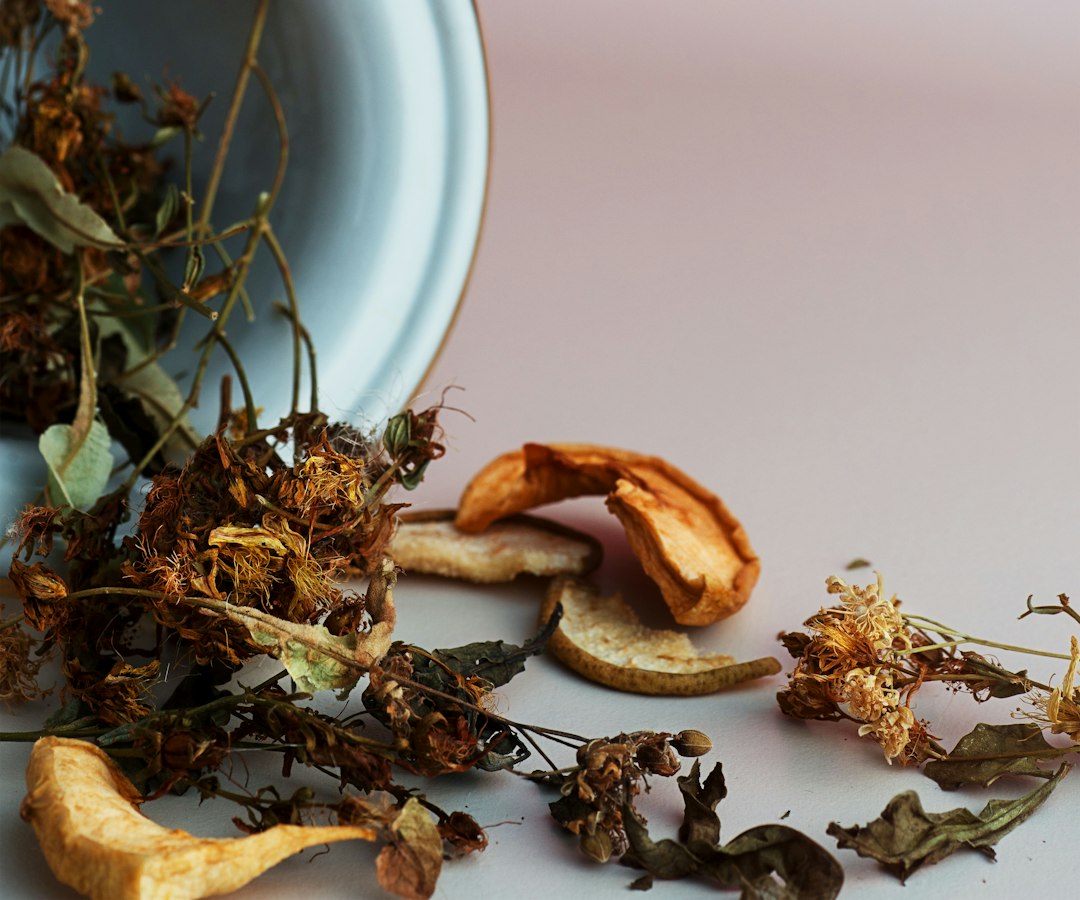
Dried hyssop blends well with other warming tea herbs.
The simplest way to try hyssop for coughs and colds is a warm cup of tea. First, pour just-boiled water over the dried leaf and flowering tops. Then cover the cup and let it steep for about ten minutes. Covering it keeps the aromatic oils in your cup instead of in the air.
Hyssop Tea for Coughs and Colds
Hyssop tea tastes strong, minty and quite bitter. Because of that, many people add honey, which also soothes a scratchy throat. You can also blend it with peppermint, lemon balm or a slice of fresh ginger to soften the flavour. As a result, it becomes a comforting evening drink during cold season.
Hyssop Tincture on the Go
A tincture is another handy option. Because alcohol pulls out both the oils and the bitter compounds, a tincture captures the full character of the plant. It also travels well, so you can keep a bottle at work or in your bag. Many people stir it into a little warm water. If you enjoy making your own remedies, our guide on how to make a tincture walks you through each step.
Tips for Your Routine
- Keep a small jar of dried hyssop in the cupboard from October onward.
- Sip a warm cup when you feel the first chill of a cold.
- Use a cooled, strong tea as a throat gargle.
- Plant a hyssop bush in a sunny corner, since pollinators love it.
A Few Cautions
Hyssop tea and tincture are gentle in normal amounts. However, the pure essential oil is a very different product. It is highly concentrated, and people should never take it by mouth. Also, avoid hyssop during pregnancy and if you have a seizure disorder. Speak with a healthcare practitioner before giving any herb to a child.
At Herbal Clinic, we make our Hyssop tincture in Toronto using the classic tincturing method. We source quality dried herb and extract it at a 1:5 ratio. Our herbalists then check every batch before bottling. The key takeaway: hyssop is a warming, time-tested herb that has earned its place in the cold-season cupboard.
FAQ
- Superior Sourcing: Our herbs are sourced from all over the world to avoid seasonal fluctuations in availability, keeping herbs accessible. Our suppliers meet strict standards that ensure top quality herbs, most of which are organic, wildcrafted, sustainably grown, or grown using permaculture. We support local farmers and grow many of our own herbs.
- Superior Processing: Our tinctures are made using the classic tincturing method. The tinctures are made in a 1:5 ratio which allows for the optimal extraction of the herb. The alcohol percentage is strictly controlled depending on the herb and part of the plant that is used.
- Superior Selection: We take pride in our growing selection of over 300 individual herbs. If we don’t carry the herb you’re seeking, we can likely track it down for you.
- Superior Quality Control: Our tinctures are thoroughly tested by a third-party lab and with an organoleptic evaluation by our team of herbalists prior to final bottling.
- Superior Price: Our tinctures are more cost-effective than other tinctures on the market. With an eye towards efficiency, we keep our costs low by maintaining good relationships with our wide network of suppliers and ordering herbs in bulk quantities.
- We Care About the Environment: We repackage materials that are shipped to us (so don’t be surprised if our packages look different from time to time!). We recycle or reuse materials whenever possible. We turn the cardboard we receive from other suppliers into packing material. We donate to avoid waste to groups like Naturopaths Without Borders. Our workforce almost completely uses public transportation or bikes. We are powered using 100% renewable energy through Bullfrog Power.
- We Donate To Charity: We support many causes that make the world better. We donate a portion of our profits or products. These include charities that support environmental and natural sustainability.
Set up an online account and order through the website. If you don’t have an account and place an order, one will be created for you.
Click here to subscribe to our mailing list.
Our products are made in Toronto, Ontario, Canada by a team of Herbalists and Naturopathic Doctors. The herbs and ingredients we use to make our products are sourced both locally and globally to keep herbs accessible and sustainable.
The majority of our herbs are certified organic, sustainably wildcrafted, or come from small-scale local organic farms that do not yet have organic certification. We always do our best to provide organic herbs in your formulas. We work with a variety of suppliers to keep costs low.
Although most of our products do not contain gluten, we do not have gluten-free certification for our production facility. Feel free to ask about any specific products and we’ll share whatever information we have available.
For liability and regulatory reasons, we don’t make any claims as to how our herbs should be used, including dosing recommendations. Please review our disclaimer, as well as our terms and policies.