Meet the Golden Root: Rhodiola for Stress and Fatigue
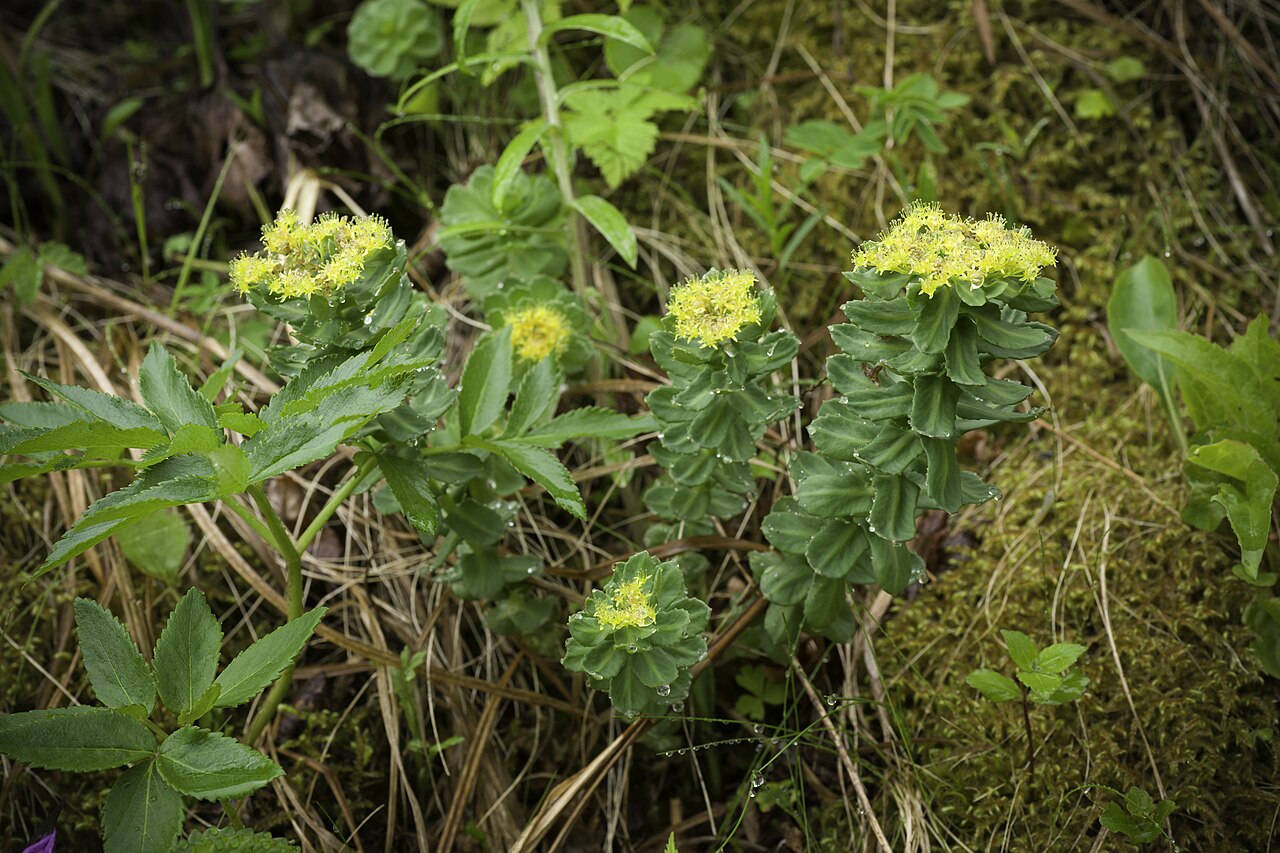
Golden root in flower: rhodiola for stress and fatigue comes from hardy mountain plants like these
Rhodiola for stress and fatigue has a long history in some of the coldest places on earth. For centuries, people in Siberia, Scandinavia and the Russian Arctic relied on this hardy root to cope with long winters and hard physical work. So if your energy dips every autumn, this herb may be worth a closer look.
Here’s why that matters: many herbs for energy simply stimulate you. Rhodiola works differently, and that difference is what makes it interesting.
Where Rhodiola Comes From
Rhodiola rosea belongs to the Crassulaceae family, the same family as stonecrops and jade plants. It grows in rocky, high-altitude soil across the Arctic, the Alps and the mountains of Central Asia. The plant is small and fleshy, with blue-green leaves and clusters of yellow flowers in early summer.
However, the flowers are not the useful part. Herbalists use the thick root, which smells faintly of roses when you cut it. That scent gave the plant its common names: roseroot and golden root.
The Tradition Behind Rhodiola for Stress and Fatigue
Viking sailors reportedly carried rhodiola to build stamina on long voyages. Later, Siberian families gave the root as a wedding gift to wish the couple health and a long life. In addition, Chinese emperors sent expeditions north to bring the root home.
Much later, Soviet researchers studied rhodiola closely. They wanted to help soldiers, athletes and cosmonauts stay sharp under pressure. As a result, much of the early research appeared only in Russian and stayed out of view in the West for decades.
Today, rhodiola sits beside ashwagandha and Siberian ginseng in the group of herbs called adaptogens. Many people now turn to rhodiola for stress and fatigue during busy seasons. You can read more about the plant’s botany on the Rhodiola rosea page on Wikipedia.
Because demand has grown fast, wild rhodiola has become scarce in some regions. For that reason, careful sourcing matters. We look for suppliers who harvest mature roots responsibly, so the plant can keep growing in the wild.
Benefits of Rhodiola for Stress and Fatigue
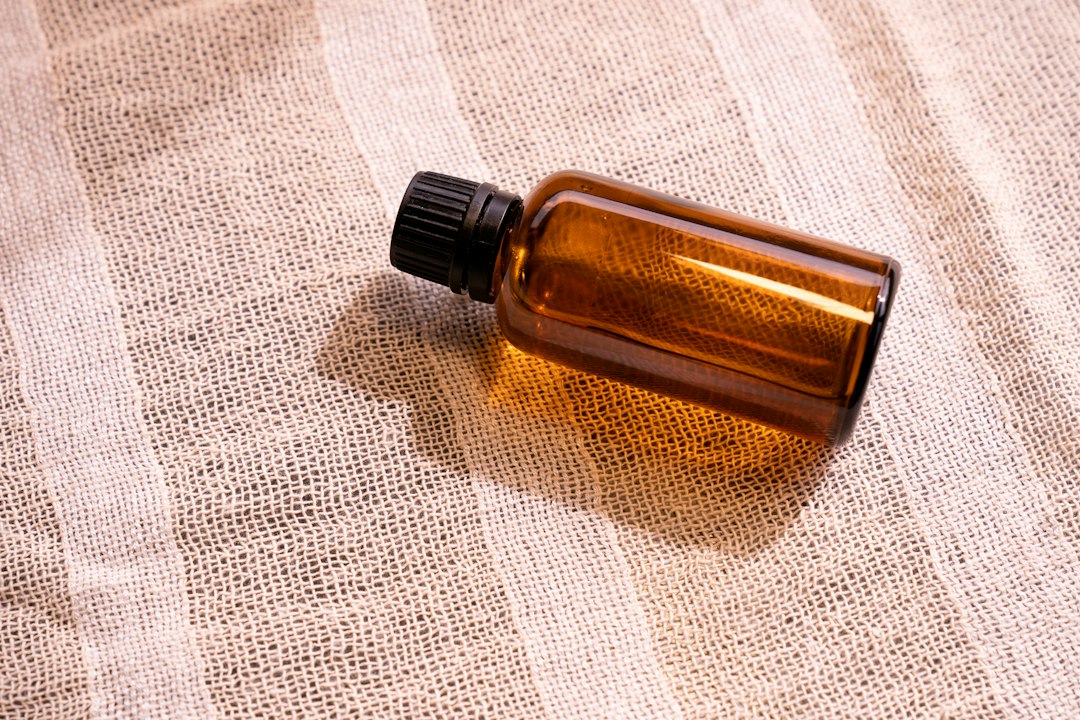
An amber bottle keeps a root tincture fresh and stable
So what does rhodiola for stress and fatigue actually do? Herbalists describe it as an adaptogen. In plain terms, people traditionally use it to help the body adapt to stress, whether that stress is physical, mental or emotional.
How Rhodiola Eases Stress and Fatigue
When you face pressure, your body releases stress hormones such as cortisol. In the short term, that response keeps you alert. However, when stress drags on for weeks, the same system can leave you wired, tired and foggy.
Researchers think rhodiola helps smooth out that stress response. In other words, it may support steady energy without the jittery lift of coffee. That is why many people describe it as calming and energizing at the same time.
Key Compounds in the Root
Rhodiola root contains several active compounds. The best known are rosavins and salidroside. Rosavins occur almost only in Rhodiola rosea, so they help confirm a genuine root. Meanwhile, salidroside appears in several rhodiola species and has drawn most of the research attention.
The root also contains antioxidants such as flavonoids, along with tannins. Together, these compounds give the tincture its slightly bitter, dry taste.
What Rhodiola Is Traditionally Used For
Here’s how people have traditionally used this root:
- Mental fatigue during long work or study periods
- Low energy linked to ongoing stress
- Focus and mental clarity under pressure
- Physical stamina and recovery
- Low mood during dark winter months
Several small clinical studies suggest rhodiola may ease feelings of fatigue and support concentration in stressed adults. Still, the research is young, and results vary between studies. For this reason, we describe rhodiola as a traditional support, not a cure.
Most people who try rhodiola for stress and fatigue find it works best with steady use rather than as a quick fix. It also pairs well with calming herbs. For example, many people combine it with holy basil for a gentler, more balanced effect. Our Stress and Anxiety Bundle brings several of these herbs together.
How to Use Rhodiola Tincture
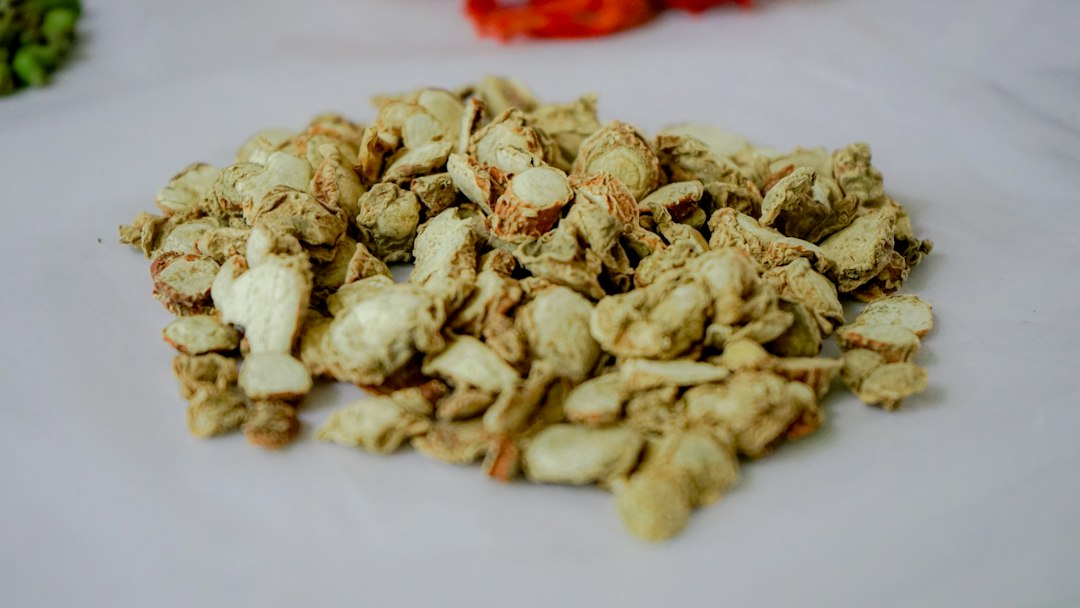
Dried root pieces, ready for tincturing
Rhodiola for stress and fatigue is most often taken as a tincture. A tincture is a liquid extract. To make one, we soak the dried root in a blend of alcohol and water. This method draws out a wide range of the root’s compounds and keeps them stable for years.
Tincture, Tea or Capsule?
You can also find rhodiola as a tea or in capsules. However, the root is dense and woody, so tea extracts it poorly. Tinctures, on the other hand, capture both the water-soluble and alcohol-soluble parts of the root. They also absorb quickly and let you adjust the amount easily.
We offer two strengths. Our standard Rhodiola tincture follows the classic 1:5 ratio. Our 1:2 Rhodiola is more concentrated, so you need less of it.
Tips for Using Rhodiola for Stress and Fatigue
Most people take rhodiola earlier in the day. Because it can feel lightly energizing, a late-evening dose may keep some people awake. Here are a few other practical tips:
- Add the tincture to a small glass of water or juice.
- Start with a small amount and see how you feel.
- Use it consistently for a few weeks rather than now and then.
- Take regular breaks, since many herbalists suggest cycling adaptogens.
The key takeaway: rhodiola for stress and fatigue works best as part of a steady routine, alongside good sleep, food and movement.
Who Should Talk to a Practitioner First
Rhodiola is generally well tolerated. Even so, check with a qualified health practitioner before you start, especially if you are pregnant, take medication or live with bipolar disorder. Since we don’t give dosing advice, a practitioner can help you find the right approach.
How We Make Our Rhodiola Tincture
Our team of herbalists makes every tincture by hand in Toronto. First, we source responsibly harvested roots. Then we macerate them for several weeks and press them carefully. Finally, we taste and inspect each batch before bottling. As a result, you get a tincture that reflects the quality of the root.
FAQ
- Superior Sourcing: Our herbs are sourced from all over the world to avoid seasonal fluctuations in availability, keeping herbs accessible. Our suppliers meet strict standards that ensure top quality herbs, most of which are organic, wildcrafted, sustainably grown, or grown using permaculture. We support local farmers and grow many of our own herbs.
- Superior Processing: Our tinctures are made using the classic tincturing method. The tinctures are made in a 1:5 ratio which allows for the optimal extraction of the herb. The alcohol percentage is strictly controlled depending on the herb and part of the plant that is used.
- Superior Selection: We take pride in our growing selection of over 300 individual herbs. If we don’t carry the herb you’re seeking, we can likely track it down for you.
- Superior Quality Control: Our tinctures are thoroughly tested by a third-party lab and with an organoleptic evaluation by our team of herbalists prior to final bottling.
- Superior Price: Our tinctures are more cost-effective than other tinctures on the market. With an eye towards efficiency, we keep our costs low by maintaining good relationships with our wide network of suppliers and ordering herbs in bulk quantities.
- We Care About the Environment: We repackage materials that are shipped to us (so don’t be surprised if our packages look different from time to time!). We recycle or reuse materials whenever possible. We turn the cardboard we receive from other suppliers into packing material. We donate to avoid waste to groups like Naturopaths Without Borders. Our workforce almost completely uses public transportation or bikes. We are powered using 100% renewable energy through Bullfrog Power.
- We Donate To Charity: We support many causes that make the world better. We donate a portion of our profits or products. These include charities that support environmental and natural sustainability.
Set up an online account and order through the website. If you don’t have an account and place an order, one will be created for you.
Click here to subscribe to our mailing list.
Our products are made in Toronto, Ontario, Canada by a team of Herbalists and Naturopathic Doctors. The herbs and ingredients we use to make our products are sourced both locally and globally to keep herbs accessible and sustainable.
The majority of our herbs are certified organic, sustainably wildcrafted, or come from small-scale local organic farms that do not yet have organic certification. We always do our best to provide organic herbs in your formulas. We work with a variety of suppliers to keep costs low.
Although most of our products do not contain gluten, we do not have gluten-free certification for our production facility. Feel free to ask about any specific products and we’ll share whatever information we have available.
For liability and regulatory reasons, we don’t make any claims as to how our herbs should be used, including dosing recommendations. Please review our disclaimer, as well as our terms and policies.