What Is Usnea? Old Man's Beard Explained
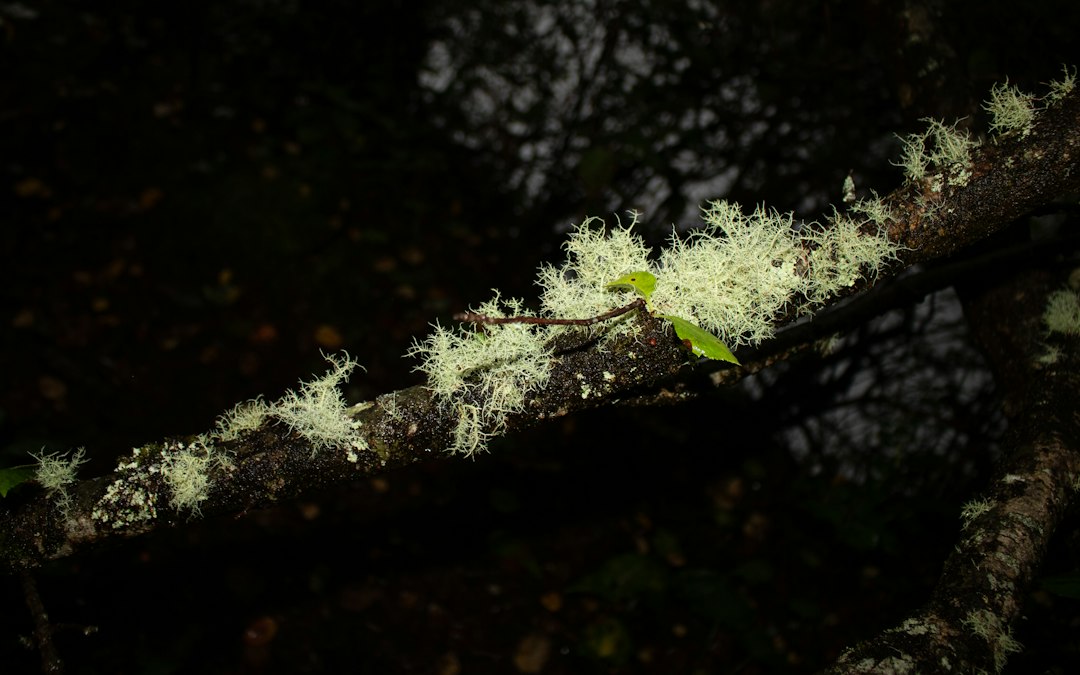
Usnea for immune support: old man’s beard lichen on a forest branch
Usnea for immune support has a long history in cold northern forests, and the plant behind it is stranger than most people expect. It isn’t really a plant at all. Instead, usnea is a lichen, a partnership between a fungus and an alga that hangs from tree branches like pale green hair. So if you’ve walked through a damp Canadian woodland in the fall, you have almost certainly brushed past it.
Most people know it by its common name, old man’s beard. Other names include beard lichen and tree moss. Its botanical name is Usnea barbata, although herbalists also work with several close relatives. In fact, the Usnea genus contains hundreds of species, and many of them look almost identical to the untrained eye.
How to Recognize Old Man’s Beard
Here’s the simplest field test. Find a strand and gently pull it apart. If you see a white, stretchy inner cord inside the green outer layer, you’re holding usnea. Other beard-like lichens look similar, but they don’t have that elastic core. As a result, foragers rely on this pull test more than on colour or shape.
Usnea grows slowly, often only a few millimetres a year. It also needs clean air to thrive. For that reason, ecologists treat a healthy usnea population as a sign of good air quality. Polluted cities rarely host it, while old coastal and boreal forests often wear thick curtains of it.
Traditional use goes back a long way. Ancient Chinese texts describe a related lichen, song luo, for coughs and skin complaints. Meanwhile, European folk healers packed fresh lichen onto cuts. Several Indigenous peoples of North America also used it as a wound dressing and as an absorbent material. Today, Western herbalists mostly reach for it during cold and flu season, especially for throat and chest complaints.
So how did usnea for immune support become such a fall tradition? The answer lies in its chemistry, which Part 2 covers. If you’d like to compare it with another seasonal favourite first, read our guide to echinacea tincture for immune support.
Usnea for Immune Support: Key Properties
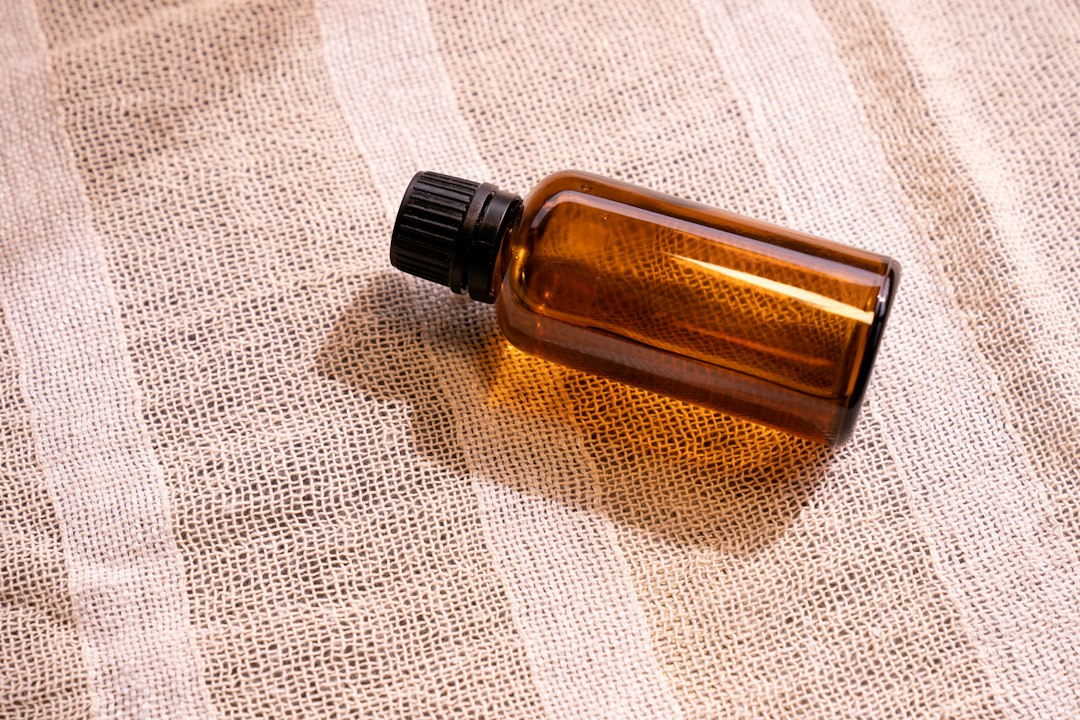
Herbalists usually prepare usnea as an alcohol tincture
When herbalists talk about usnea for immune support, they usually mean its traditional role during colds, sore throats and chest infections. Unlike many immune herbs, it doesn’t act mainly on the body’s own defences. Instead, its reputation rests on compounds that act directly against microbes.
Usnic Acid: The Main Active Compound
The best-studied compound in usnea is usnic acid. Lab studies show that usnic acid can slow the growth of several bacteria, particularly Gram-positive types such as Staphylococcus and Streptococcus. Those same groups sit behind many throat and skin infections. Researchers have also looked at its effects on certain fungi. However, almost all of this work happened in test tubes, not in people.
Here’s why that matters: lab results show a herb’s potential, but they don’t prove it works the same way in the body. So it’s fair to say herbalists traditionally use usnea for infections, and early research backs the idea. Calling it an antibiotic replacement, however, goes too far.
Usnea also contains polysaccharides, the long sugar chains that many immune herbs share. Some herbalists believe these play a gentle supporting role. In addition, the lichen holds a mix of bitter compounds, which may explain its sharp taste.
Traditional Uses of Usnea for Immune Support
Traditionally, herbalists have reached for usnea in these situations:
- Sore, scratchy throats at the start of a cold
- Chest colds with a lingering, wet cough
- Urinary discomfort, often alongside other herbs
- Minor cuts and skin irritation, applied externally
But there’s more to it than that. Usnea also pairs well with other cold-season herbs. For example, many people combine it with echinacea or with elderberry for cold and flu season. Others add sage for throat comfort.
A Note on Safety
Whole usnea tincture has a long, uneventful history in traditional practice. Even so, concentrated usnic acid pills tell a different story. Several weight-loss supplements that contained high doses of isolated usnic acid caused serious liver problems in the early 2000s. That’s a good reason to stick with whole-herb preparations. Also, talk to a healthcare provider before use, especially if you’re pregnant, nursing or managing liver concerns.
How to Use Usnea for Immune Support
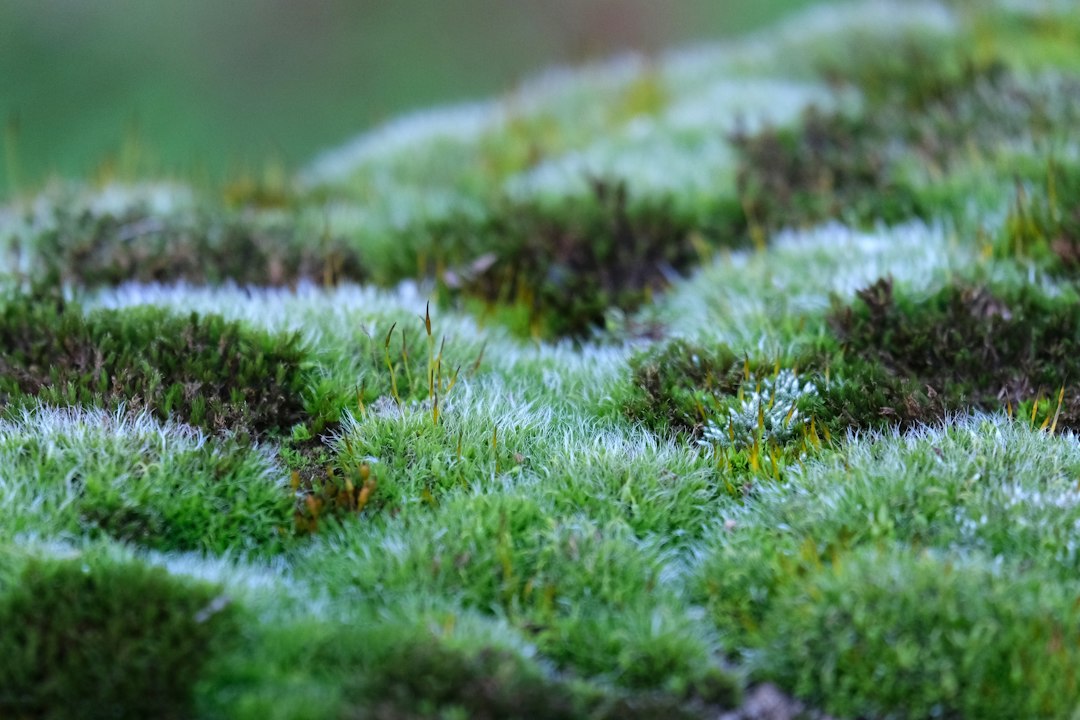
Usnea grows slowly, so careful harvesting matters
The most practical way to use usnea for immune support is as a tincture. There’s a good reason for that. Usnic acid barely dissolves in water, so a simple tea pulls out very little of it. Alcohol, on the other hand, extracts it well. As a result, most herbalists prefer a tincture for internal use.
Tincture, Tea and Topical Preparations
A tincture captures both the alcohol-soluble acids and some of the water-soluble polysaccharides. Many people take it in a little water. Because it tastes strongly bitter, some mix it with a spoonful of honey or juice.
Tea is gentler. It mostly draws out the polysaccharides, so some herbalists simmer usnea as a longer decoction. Then they sip it warm through the day as part of a cold-season routine.
Topical uses have a long tradition too. Herbalists dab diluted tincture on minor scrapes, and some add it to washes and salves. Always patch-test first, since lichens can irritate sensitive skin.
Tips on Usnea for Immune Support
- Start early: herbalists traditionally reach for usnea at the first scratchy throat, not a week into a cold.
- Keep it short-term: most traditional use lasts a few days or weeks at a time.
- Pair it thoughtfully: echinacea, elderberry and thyme all show up in classic combinations.
- Rest and fluids still matter: no herb replaces sleep, warm drinks and time off.
So what does this mean for you? Usnea for immune support works best as one part of a sensible plan, not as a cure-all. For guidance on your own situation, check with a qualified practitioner.
How Herbal Clinic Prepares Old Man’s Beard
Wild lichen grows slowly, so responsible harvesting matters. Ideally, gatherers collect usnea from fallen branches after storms rather than stripping living trees. We source our old man’s beard from trusted suppliers and make our tincture in small batches in Toronto, using the classic tincturing method. Our herbalists then check each batch before bottling.
The key takeaway: usnea is an unusual, slow-growing lichen with a long cold-season tradition. Respect its strength, choose the whole herb, and it can earn a quiet place in your fall apothecary.
FAQ
- Superior Sourcing: Our herbs are sourced from all over the world to avoid seasonal fluctuations in availability, keeping herbs accessible. Our suppliers meet strict standards that ensure top quality herbs, most of which are organic, wildcrafted, sustainably grown, or grown using permaculture. We support local farmers and grow many of our own herbs.
- Superior Processing: Our tinctures are made using the classic tincturing method. The tinctures are made in a 1:5 ratio which allows for the optimal extraction of the herb. The alcohol percentage is strictly controlled depending on the herb and part of the plant that is used.
- Superior Selection: We take pride in our growing selection of over 300 individual herbs. If we don’t carry the herb you’re seeking, we can likely track it down for you.
- Superior Quality Control: Our tinctures are thoroughly tested by a third-party lab and with an organoleptic evaluation by our team of herbalists prior to final bottling.
- Superior Price: Our tinctures are more cost-effective than other tinctures on the market. With an eye towards efficiency, we keep our costs low by maintaining good relationships with our wide network of suppliers and ordering herbs in bulk quantities.
- We Care About the Environment: We repackage materials that are shipped to us (so don’t be surprised if our packages look different from time to time!). We recycle or reuse materials whenever possible. We turn the cardboard we receive from other suppliers into packing material. We donate to avoid waste to groups like Naturopaths Without Borders. Our workforce almost completely uses public transportation or bikes. We are powered using 100% renewable energy through Bullfrog Power.
- We Donate To Charity: We support many causes that make the world better. We donate a portion of our profits or products. These include charities that support environmental and natural sustainability.
Set up an online account and order through the website. If you don’t have an account and place an order, one will be created for you.
Click here to subscribe to our mailing list.
Our products are made in Toronto, Ontario, Canada by a team of Herbalists and Naturopathic Doctors. The herbs and ingredients we use to make our products are sourced both locally and globally to keep herbs accessible and sustainable.
The majority of our herbs are certified organic, sustainably wildcrafted, or come from small-scale local organic farms that do not yet have organic certification. We always do our best to provide organic herbs in your formulas. We work with a variety of suppliers to keep costs low.
Although most of our products do not contain gluten, we do not have gluten-free certification for our production facility. Feel free to ask about any specific products and we’ll share whatever information we have available.
For liability and regulatory reasons, we don’t make any claims as to how our herbs should be used, including dosing recommendations. Please review our disclaimer, as well as our terms and policies.