Lion's Mane for Focus: Meet the Shaggy Mushroom
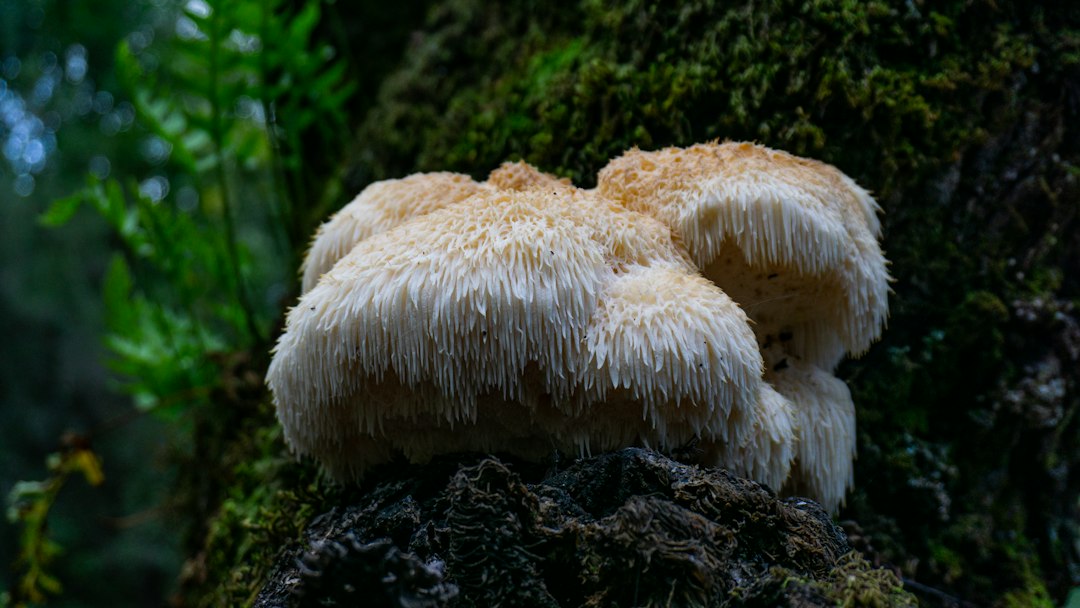
Wild Hericium erinaceus on a hardwood tree, the mushroom behind lion’s mane for focus
Lion’s mane for focus has moved from old mushroom lore into everyday wellness routines, and the reason is simple. This shaggy white mushroom looks nothing like the button mushrooms in your fridge. It also has a story to match. So if your afternoons feel foggy, it may be worth getting to know.
Lion’s mane (Hericium erinaceus) is an edible and medicinal mushroom in the Hericiaceae family. Instead of a cap and gills, it grows as a cascade of soft, hanging spines. As a result, people compare it to a lion’s mane, a pom-pom, a frozen waterfall or even a white beard.
Other common names include bearded tooth, hedgehog mushroom and pom pom mushroom. In Japan, people call it yamabushitake, after the mountain monks whose robes carried similar tufts. Meanwhile, in China it goes by hou tou gu, or monkey head mushroom.
Where does lion’s mane grow?
This mushroom grows wild across North America, Europe and Asia. It fruits in late summer and fall, usually on wounded or fallen hardwood trees such as oak, beech and maple. Here in Ontario, foragers sometimes spot it on old logs in mature forests. However, it is uncommon enough that most lion’s mane today comes from careful cultivation.
Here’s why that matters: growers raise the mushroom on hardwood sawdust or grain. The fruiting body (the shaggy part you see) and the mycelium (the root-like network) contain different compounds. So the part a product uses can shape what ends up in your bottle.
A long history of traditional use
Traditional use goes back centuries. In Chinese and Japanese folk practice, cooks and healers prepared lion’s mane as a food for the stomach and as a general tonic. One popular story also says Buddhist monks drank it as a tea before meditation to steady their attention. That story is hard to verify, but it hints at why lion’s mane for focus became such a popular idea.
Today, lion’s mane also shows up in kitchens. Chefs sauté it in butter, and many people say it tastes a little like crab or lobster. In other words, this is a mushroom you can eat for dinner and also take as a tincture.
How Lion's Mane for Focus May Work
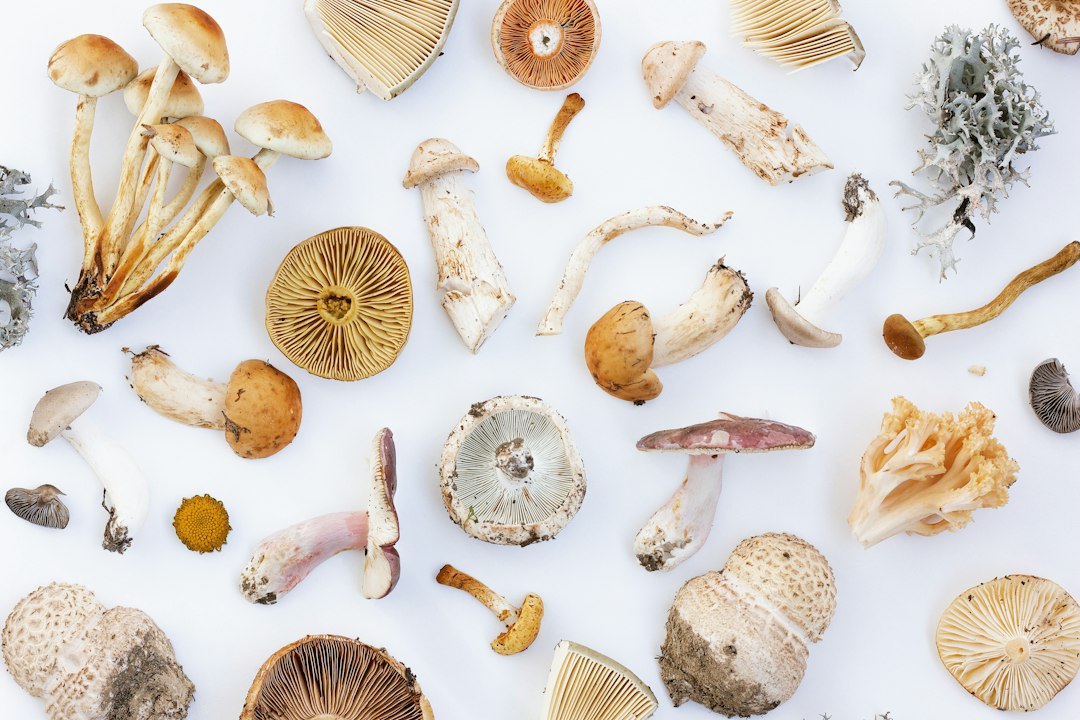
Lion’s mane is one of many mushrooms with a long history of traditional use
So what does the research actually say about lion’s mane for focus? The short answer is that early findings look promising, but the studies are still small. Here is a plain look at what we know so far.
Hericenones and erinacines
Lion’s mane contains two groups of compounds that interest researchers. First, the fruiting body holds hericenones. Second, the mycelium holds erinacines. In lab studies, both groups encouraged cells to make nerve growth factor, often shortened to NGF.
Here’s how it works: NGF is a protein your body uses to maintain and repair nerve cells. Think of it as fertilizer for the nervous system. Because healthy nerve cells keep messages moving clearly, researchers want to know whether supporting NGF could also support memory and concentration.
That said, most of this work took place in test tubes and animals. As a result, we can’t assume people get the same effect at the same strength. Still, it gives a sensible reason why lion’s mane for focus has drawn so much attention.
What human studies show
The best-known human study came from Japan in 2009. Researchers gave 30 adults aged 50 to 80 with mild cognitive decline either lion’s mane or a placebo for 16 weeks. The lion’s mane group scored better on a cognitive test, and their scores slipped again after they stopped. You can read the original study on PubMed.
Since then, a few small trials have looked at healthy younger adults. Their results for mood and mental speed are mixed but encouraging. In short, the science is young, and larger studies are still needed.
Calm, sleep and digestion
But there’s more to it than that. Herbalists also traditionally use lion’s mane for the stomach, and researchers have explored its role in gut health. In addition, some early studies suggest it may support a calm mood and restful sleep. Since stress and poor sleep both cloud thinking, these effects may help focus in a more indirect way.
The key takeaway: lion’s mane is not a stimulant. It won’t hit you like a strong coffee. Instead, people who use it tend to describe a slow, steady clarity that builds over weeks.
If you’re building a focus routine, lion’s mane also pairs well with other herbs. For example, many people combine it with ginkgo for memory and circulation or rosemary for memory and focus.
How to Use a Lion's Mane Tincture
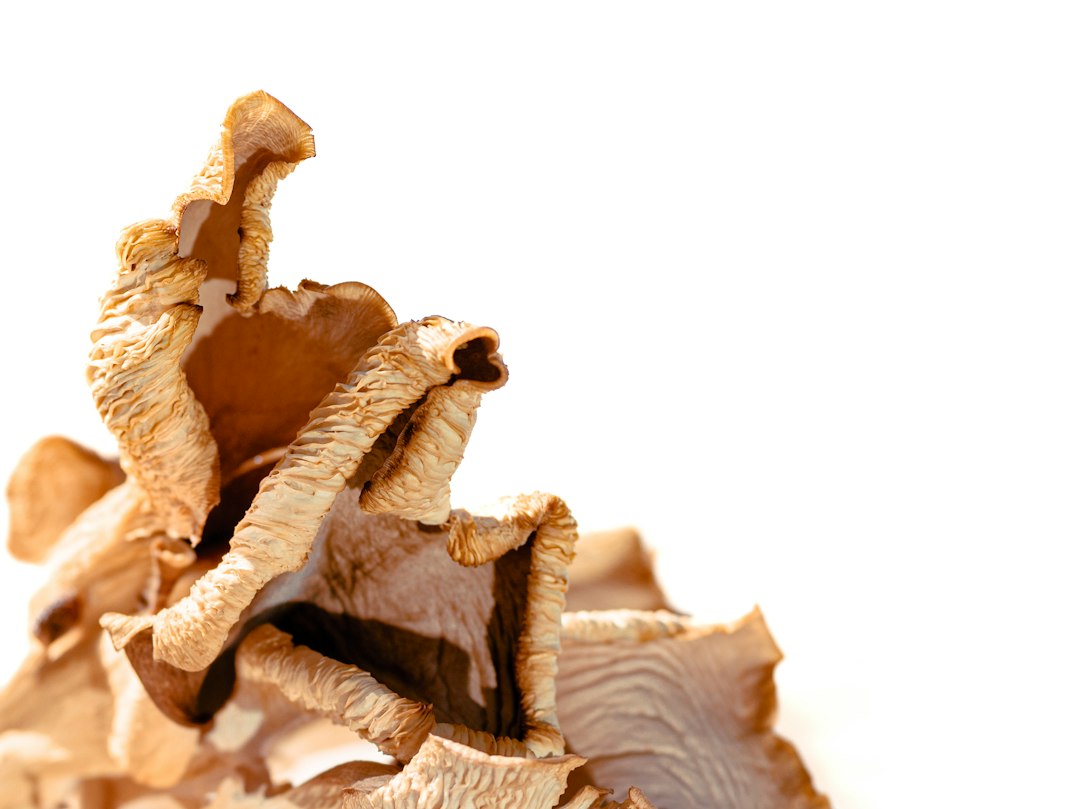
Dried mushrooms can be simmered into tea or made into a tincture
Using lion’s mane for focus is mostly about consistency. Because its effects build slowly, a few days of use won’t tell you much. Here are the most common ways people take it.
Tincture
A tincture is a liquid extract that you take by the dropper, usually in a little water or juice. Mushrooms need extra care here. Their cell walls contain chitin, a tough fibre that alcohol alone does not fully break down. For that reason, many herbalists use time, heat or a water step to draw out more of the mushroom.
At Herbal Clinic, our team of herbalists makes our Lion’s Mane tincture in Toronto using the classic tincturing method. We also adjust the alcohol percentage to suit each herb and plant part. As a result, you get a consistent extract that is easy to add to your day.
Tea, powder and food
You can also simmer dried lion’s mane in water for 20 to 30 minutes to make a mild, earthy tea. Some people stir the powder into coffee, smoothies or soup. And of course, fresh lion’s mane makes a delicious meal when you sauté it until golden.
Tips for a daily routine
- Take it at the same time each day, for example with breakfast.
- Give it four to eight weeks before you judge how it works for you.
- Keep a short note on sleep, mood and focus so you can spot changes.
- Support it with the basics: sleep, water, movement and fewer late-night screens.
Who should be careful?
Lion’s mane is a food mushroom, and most people tolerate it well. However, anyone with a mushroom allergy should avoid it. Also, if you are pregnant, nursing, or taking blood thinners or diabetes medication, check with your health care provider first. We don’t give dosing advice, so please talk to a qualified practitioner about what suits you.
Finally, remember that lion’s mane for focus is a slow, steady approach rather than a quick fix. Paired with good sleep and a calmer routine, it can become a simple part of your day. And if you enjoy mushrooms, it may also become your favourite one to cook.
FAQ
- Superior Sourcing: Our herbs are sourced from all over the world to avoid seasonal fluctuations in availability, keeping herbs accessible. Our suppliers meet strict standards that ensure top quality herbs, most of which are organic, wildcrafted, sustainably grown, or grown using permaculture. We support local farmers and grow many of our own herbs.
- Superior Processing: Our tinctures are made using the classic tincturing method. The tinctures are made in a 1:5 ratio which allows for the optimal extraction of the herb. The alcohol percentage is strictly controlled depending on the herb and part of the plant that is used.
- Superior Selection: We take pride in our growing selection of over 300 individual herbs. If we don’t carry the herb you’re seeking, we can likely track it down for you.
- Superior Quality Control: Our tinctures are thoroughly tested by a third-party lab and with an organoleptic evaluation by our team of herbalists prior to final bottling.
- Superior Price: Our tinctures are more cost-effective than other tinctures on the market. With an eye towards efficiency, we keep our costs low by maintaining good relationships with our wide network of suppliers and ordering herbs in bulk quantities.
- We Care About the Environment: We repackage materials that are shipped to us (so don’t be surprised if our packages look different from time to time!). We recycle or reuse materials whenever possible. We turn the cardboard we receive from other suppliers into packing material. We donate to avoid waste to groups like Naturopaths Without Borders. Our workforce almost completely uses public transportation or bikes. We are powered using 100% renewable energy through Bullfrog Power.
- We Donate To Charity: We support many causes that make the world better. We donate a portion of our profits or products. These include charities that support environmental and natural sustainability.
Set up an online account and order through the website. If you don’t have an account and place an order, one will be created for you.
Click here to subscribe to our mailing list.
Our products are made in Toronto, Ontario, Canada by a team of Herbalists and Naturopathic Doctors. The herbs and ingredients we use to make our products are sourced both locally and globally to keep herbs accessible and sustainable.
The majority of our herbs are certified organic, sustainably wildcrafted, or come from small-scale local organic farms that do not yet have organic certification. We always do our best to provide organic herbs in your formulas. We work with a variety of suppliers to keep costs low.
Although most of our products do not contain gluten, we do not have gluten-free certification for our production facility. Feel free to ask about any specific products and we’ll share whatever information we have available.
For liability and regulatory reasons, we don’t make any claims as to how our herbs should be used, including dosing recommendations. Please review our disclaimer, as well as our terms and policies.