Goldenseal Root Benefits: Meet a Woodland Classic
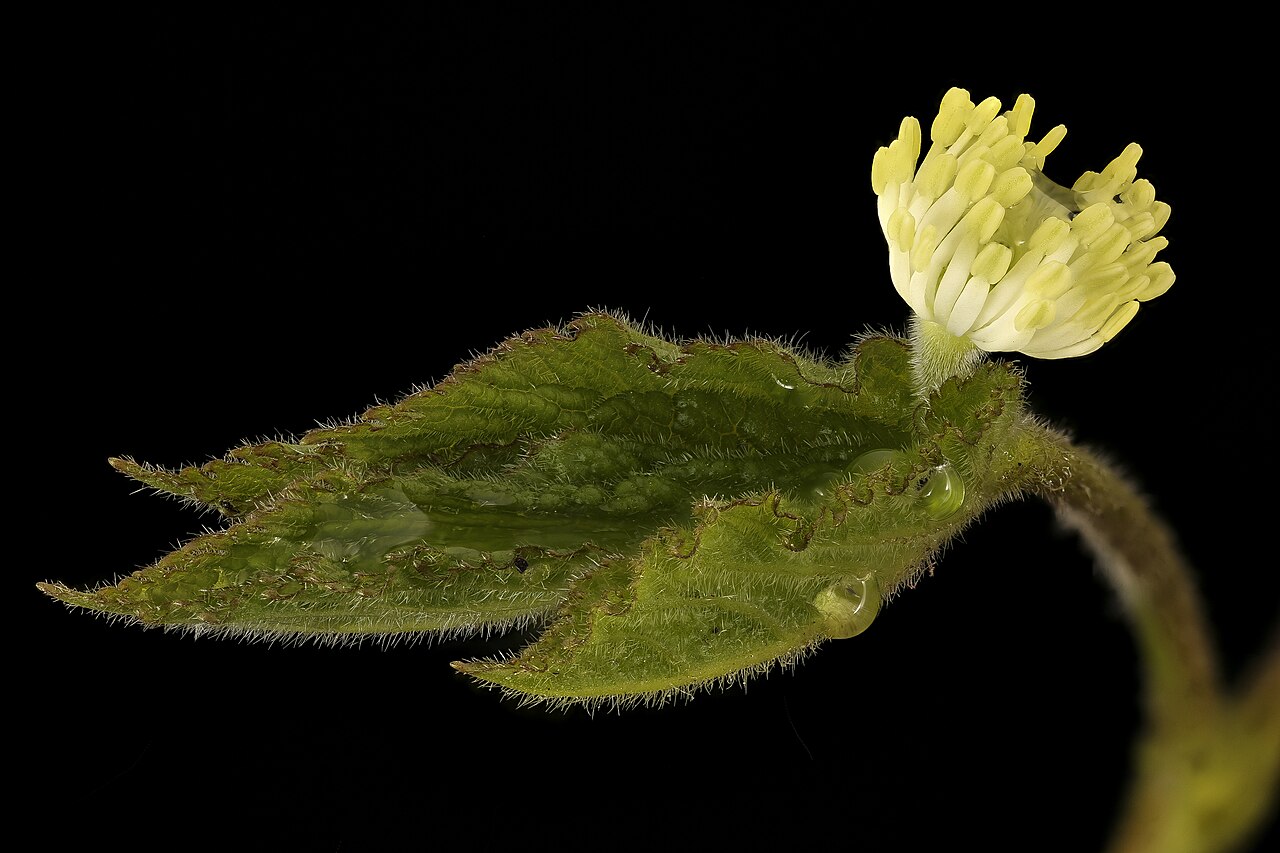
Hydrastis canadensis in flower, the source of goldenseal root benefits
Goldenseal root benefits have made this small woodland plant one of the best-known herbs in North America. However, few people have seen it growing, because it hides on shady forest floors and has become rare in the wild. So what makes this golden root worth knowing about?
Goldenseal (Hydrastis canadensis) belongs to the buttercup family, Ranunculaceae. It grows in rich, moist hardwood forests from southern Ontario down through the eastern United States. In spring, each plant sends up a hairy stem with one or two deeply lobed leaves. Then a single greenish-white flower appears, followed by a red berry that looks a little like a raspberry.
The real treasure sits underground. The knotted rhizome is a vivid yellow inside, and that colour gave the plant several of its old names. For example, people called it yellow root, orange root, eye balm and Indian dye.
A Long History of Use
Indigenous peoples of eastern North America, including the Cherokee and Iroquois, used goldenseal long before European settlers arrived. They made a yellow dye from the root for clothing and baskets. They also used it as a wash for sore eyes and skin, and as a bitter remedy for an upset stomach.
Settlers soon adopted the herb. By the 1800s, Eclectic physicians in the United States relied on it heavily, and it appeared in the U.S. Pharmacopoeia. As a result, demand climbed fast.
Here’s why that matters: wild harvesting pushed goldenseal onto at-risk plant lists, and CITES now lists it under Appendix II to control international trade. Today, responsible suppliers source goldenseal from cultivated woodland farms instead of wild stands. That shift helps the plant recover while keeping it available to herbalists.
Goldenseal Root Benefits and Key Properties
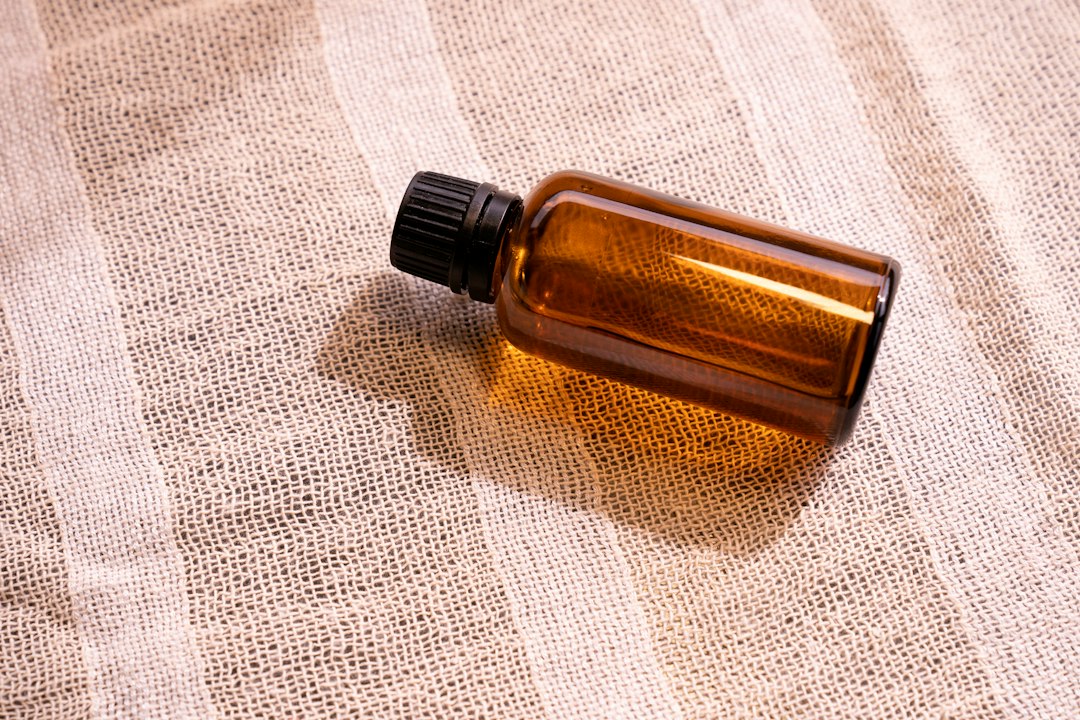
Goldenseal is most often taken as a tincture
So what do goldenseal root benefits actually look like in traditional practice? Most of them come back to one theme: the mucous membranes. These are the moist linings of the nose, throat, sinuses, digestive tract and urinary tract.
Herbalists describe goldenseal as a mucous membrane tonic. In other words, they reach for it when those linings feel irritated, boggy or congested. It also has a long traditional use for sinus congestion, sore throats and the lingering stuffiness that follows a cold.
The Bitter Yellow Compounds
This is where it gets interesting. Goldenseal’s yellow colour comes from alkaloids called berberine, hydrastine and canadine. Berberine is the best studied of the three. Lab research shows it has antimicrobial activity against a range of bacteria and fungi. It also appears to make it harder for some bacteria to stick to tissue.
However, lab results do not always translate to people. The gut absorbs berberine poorly, so much of its activity likely stays local, where the herb touches tissue directly. That fits neatly with how herbalists traditionally used goldenseal: as a gargle, a wash, or a bitter for the digestive tract.
Digestion and Bitter Taste
Goldenseal is intensely bitter. Herbalists traditionally use bitter herbs to stimulate digestive secretions, including saliva, stomach acid and bile. For this reason, they have used goldenseal for sluggish digestion and poor appetite. It also turns up in gut formulas alongside barberry and Oregon grape, which share berberine. You can read more in our guide to herbal tincture for SIBO.
The key takeaway: goldenseal is a targeted herb, not an everyday tonic. Many people pair it with echinacea during cold season, but the two work differently. Echinacea is associated with the immune response, while goldenseal focuses on the tissues themselves. For more on the first, see our post on echinacea tincture for immune support.
Still, human research on the whole herb remains limited. The U.S. National Center for Complementary and Integrative Health notes that few clinical studies exist, so traditional use remains the main guide.
How to Use Goldenseal Root Safely
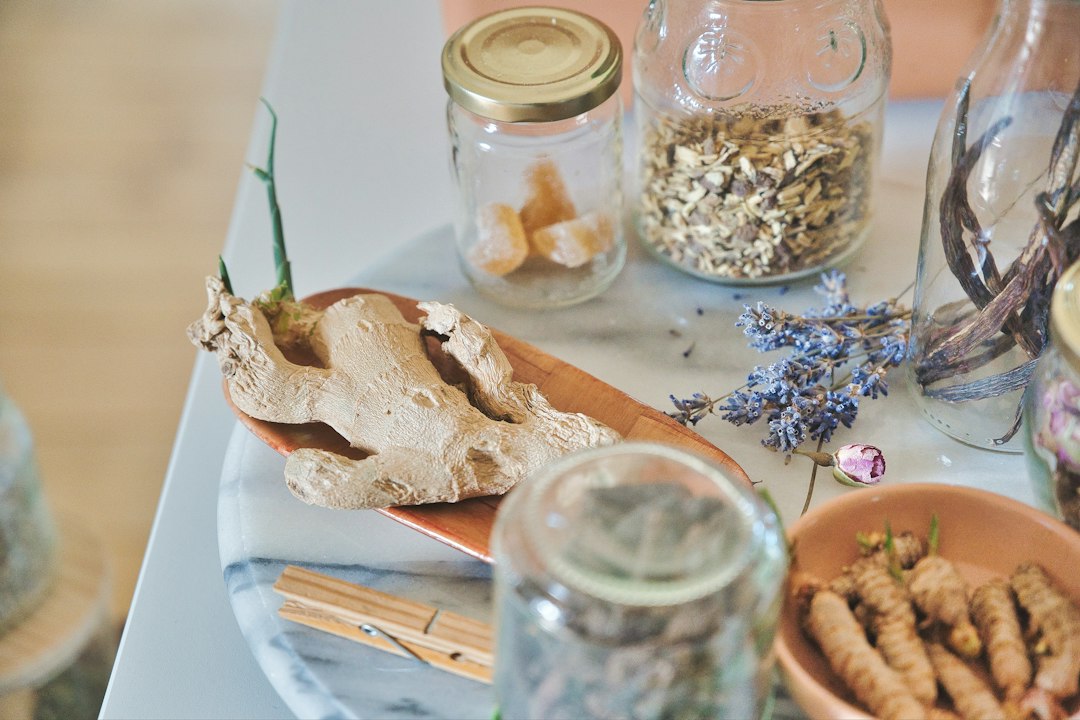
Dried roots and herbs ready for tincturing
Most people enjoy goldenseal root benefits through a tincture, because the root tastes very bitter and alcohol pulls out its alkaloids well. A tincture is also easy to measure and keeps for years.
Common Ways People Use It
- Tincture in water: a few drops in a small glass of water is the traditional approach for digestion.
- Gargle: herbalists have long added goldenseal tincture to warm salt water for the throat.
- Formulas: it often appears in short-term blends with echinacea, myrrh or clove.
- Topical wash: historically, people diluted it as a wash for minor skin irritation.
We don’t offer dosing recommendations. Instead, talk with a herbalist or naturopathic doctor about what suits you.
Important Cautions
Goldenseal is a strong herb, so a few cautions apply. First, avoid it during pregnancy and breastfeeding, and never give it to newborns. Second, it can interact with many medications. Goldenseal slows certain liver enzymes that break down common drugs, so check with your pharmacist or doctor if you take any prescription. Finally, herbalists traditionally use it for short stretches rather than months at a time.
How Herbal Clinic Makes It
Our team makes goldenseal tincture in Toronto using the classic 1:5 method. We source cultivated root wherever possible, because wild goldenseal needs time to recover. Our herbalists then check each batch by taste, smell and appearance before bottling.
So where does goldenseal fit in your routine? Think of it as a focused, short-term ally for cold season or a sluggish stomach. Keep it on the shelf, use it with intention, and let a practitioner guide you when in doubt.
FAQ
- Superior Sourcing: Our herbs are sourced from all over the world to avoid seasonal fluctuations in availability, keeping herbs accessible. Our suppliers meet strict standards that ensure top quality herbs, most of which are organic, wildcrafted, sustainably grown, or grown using permaculture. We support local farmers and grow many of our own herbs.
- Superior Processing: Our tinctures are made using the classic tincturing method. The tinctures are made in a 1:5 ratio which allows for the optimal extraction of the herb. The alcohol percentage is strictly controlled depending on the herb and part of the plant that is used.
- Superior Selection: We take pride in our growing selection of over 300 individual herbs. If we don’t carry the herb you’re seeking, we can likely track it down for you.
- Superior Quality Control: Our tinctures are thoroughly tested by a third-party lab and with an organoleptic evaluation by our team of herbalists prior to final bottling.
- Superior Price: Our tinctures are more cost-effective than other tinctures on the market. With an eye towards efficiency, we keep our costs low by maintaining good relationships with our wide network of suppliers and ordering herbs in bulk quantities.
- We Care About the Environment: We repackage materials that are shipped to us (so don’t be surprised if our packages look different from time to time!). We recycle or reuse materials whenever possible. We turn the cardboard we receive from other suppliers into packing material. We donate to avoid waste to groups like Naturopaths Without Borders. Our workforce almost completely uses public transportation or bikes. We are powered using 100% renewable energy through Bullfrog Power.
- We Donate To Charity: We support many causes that make the world better. We donate a portion of our profits or products. These include charities that support environmental and natural sustainability.
Set up an online account and order through the website. If you don’t have an account and place an order, one will be created for you.
Click here to subscribe to our mailing list.
Our products are made in Toronto, Ontario, Canada by a team of Herbalists and Naturopathic Doctors. The herbs and ingredients we use to make our products are sourced both locally and globally to keep herbs accessible and sustainable.
The majority of our herbs are certified organic, sustainably wildcrafted, or come from small-scale local organic farms that do not yet have organic certification. We always do our best to provide organic herbs in your formulas. We work with a variety of suppliers to keep costs low.
Although most of our products do not contain gluten, we do not have gluten-free certification for our production facility. Feel free to ask about any specific products and we’ll share whatever information we have available.
For liability and regulatory reasons, we don’t make any claims as to how our herbs should be used, including dosing recommendations. Please review our disclaimer, as well as our terms and policies.