Shatavari for Women's Health: Where It Comes From
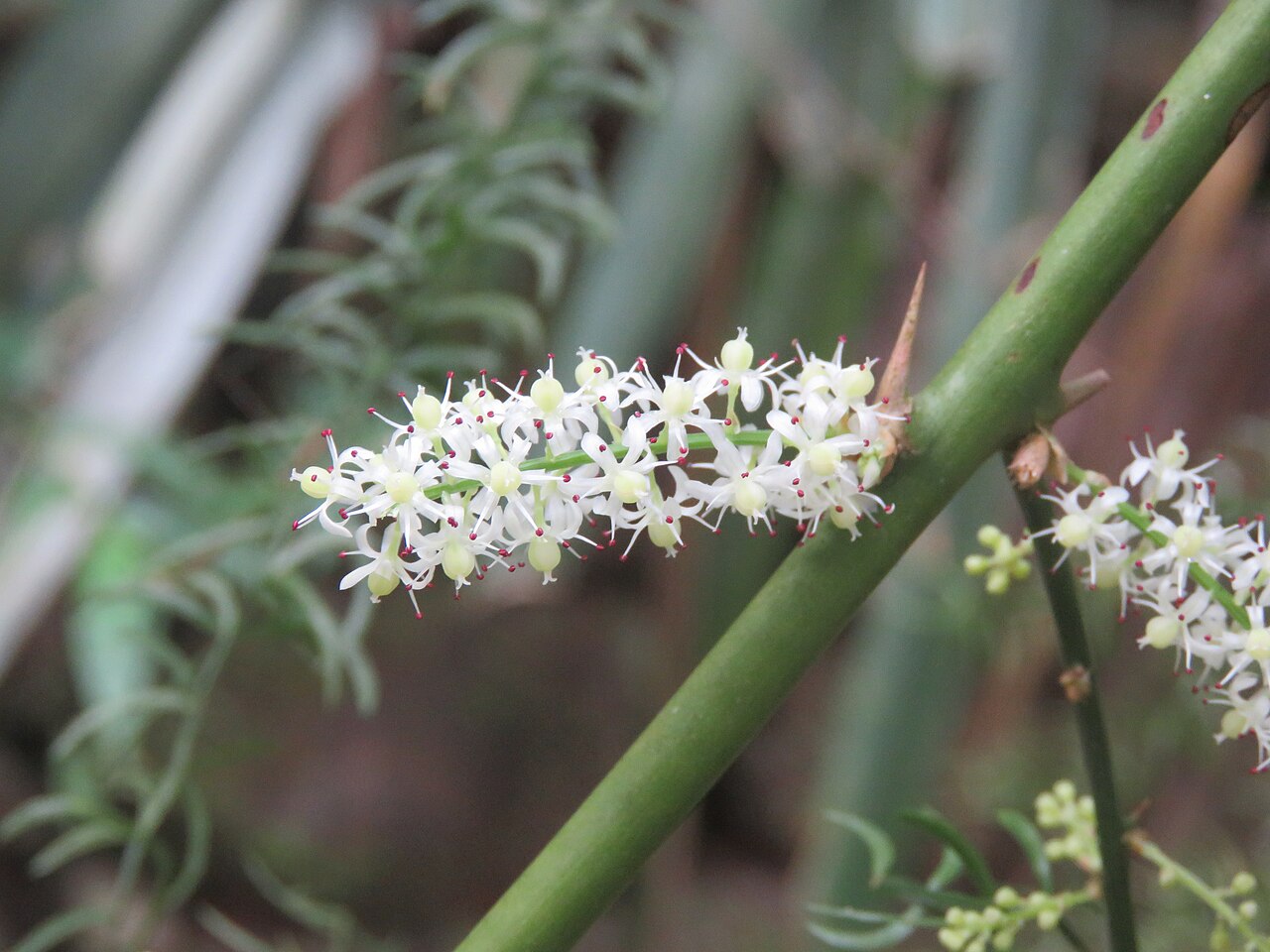
Wild Asparagus racemosus in flower, the root behind shatavari for women’s health
Shatavari for women’s health has a long history in Ayurveda, the traditional medicine of India. Today, it is also one of the roots our customers ask about most. So what is it, and why has it lasted so long? This guide covers the plant, its traditional uses, and how people take it today.
What Is Shatavari?
Shatavari is the root of Asparagus racemosus, a climbing plant in the asparagus family (Asparagaceae). It is a cousin of the garden asparagus you buy at the grocery store. However, nobody eats the spears of this one. Instead, herbalists harvest the thick, pale roots that cluster underground like a bundle of fingers.
The plant grows wild across India, Sri Lanka, Nepal and the Himalayan foothills. It also grows in parts of Southeast Asia and northern Australia. Above ground, it forms a tangle of thin, thorny stems with soft, needle-like leaves. In summer, small white flowers appear, and red berries follow them.
Where the Name Comes From
The name is Sanskrit. Many people translate it as “she who has a hundred roots,” a nod to the many tubers on a single plant. Some writers also read it as “she who has a hundred husbands.” That second reading is mostly folklore. Still, it points to how people traditionally saw the herb: as a tonic for women through every stage of life.
Ayurveda classes shatavari as a rasayana. That word describes herbs that nourish and rebuild over time, rather than produce a quick effect. Practitioners also describe it as cooling and moistening. As a result, they traditionally paired it with dry, hot or depleted states.
Here’s why that matters: shatavari has a different job from a fast-acting herb. That is why shatavari for women’s health is usually a long-term practice, much like ashwagandha. In fact, herbalists often call the two a pair. Ashwagandha is the classic tonic for men, while shatavari plays the same role for women.
You may see shatavari sold under a few names. These include Indian asparagus, wild asparagus, satavar and shatamuli. On our labels, we list it by its common name and its Latin name, Asparagus racemosus, so you always know which plant is in the bottle.
If you are exploring herbs for the menstrual cycle, you may also like our guide to chaste tree berry. The two herbs come from different traditions, but they often come up in the same conversations.
Traditional Benefits of Shatavari for Women's Health
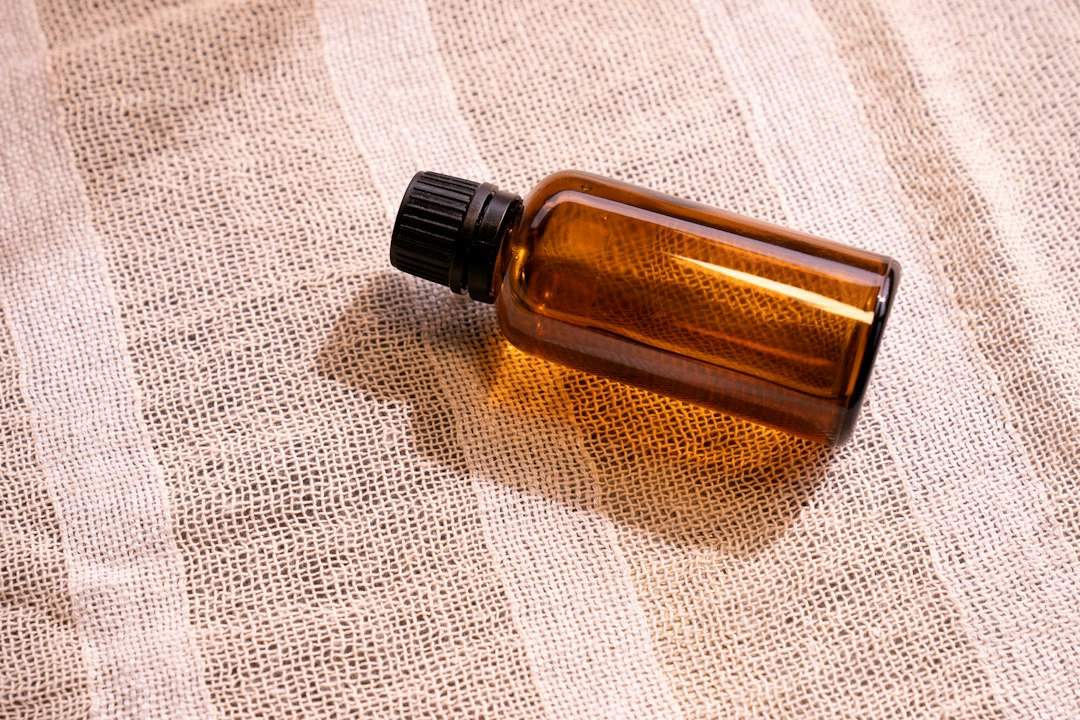
A traditional herbal tincture
The traditional uses of shatavari for women’s health span the whole reproductive life, from the first period to menopause. In addition, Ayurvedic texts describe it as a support for digestion and general vitality. Below are the areas where it comes up most often.
The Cycle, Menopause and Motherhood
Ayurvedic practitioners have long used shatavari to support a regular, comfortable cycle. They also turned to it for women who felt worn down or dry. Today, researchers are curious about a group of compounds in the root called steroidal saponins, or shatavarins. These plant compounds may explain some of the herb’s traditional reputation. However, human research is still limited, so it is best to see these uses as traditional rather than proven.
Shatavari also has a traditional place in the years around menopause. Because Ayurveda considers it cooling and moistening, practitioners often chose it for hot flashes, dryness and restlessness. A few small studies have looked at it in formulas for menopausal symptoms. The results look promising. Still, researchers need larger trials before anyone can make firm claims.
In India, new mothers have taken shatavari for generations. It has a strong traditional reputation as a galactagogue, which means an herb used to support milk supply. Some studies have explored this use, with mixed results. So, if you are pregnant or nursing, talk to your healthcare provider before you take it.
Digestion and Stress
But there’s more to it than that. Shatavari isn’t only a women’s herb. Ayurveda also uses the root to soothe the stomach and to calm heat in the gut. Its moist, slightly slippery texture makes it a gentle choice for an irritated digestive tract. In addition, herbalists often list it among the adaptogens, a group of herbs traditionally used to help the body cope with stress.
So what does this mean for you? Overall, shatavari for women’s health is a slow, nourishing approach. It fits best in a steady routine rather than as a quick fix. For more background on the plant’s research, you can browse the studies collected on PubMed.
How to Use Shatavari for Women's Health
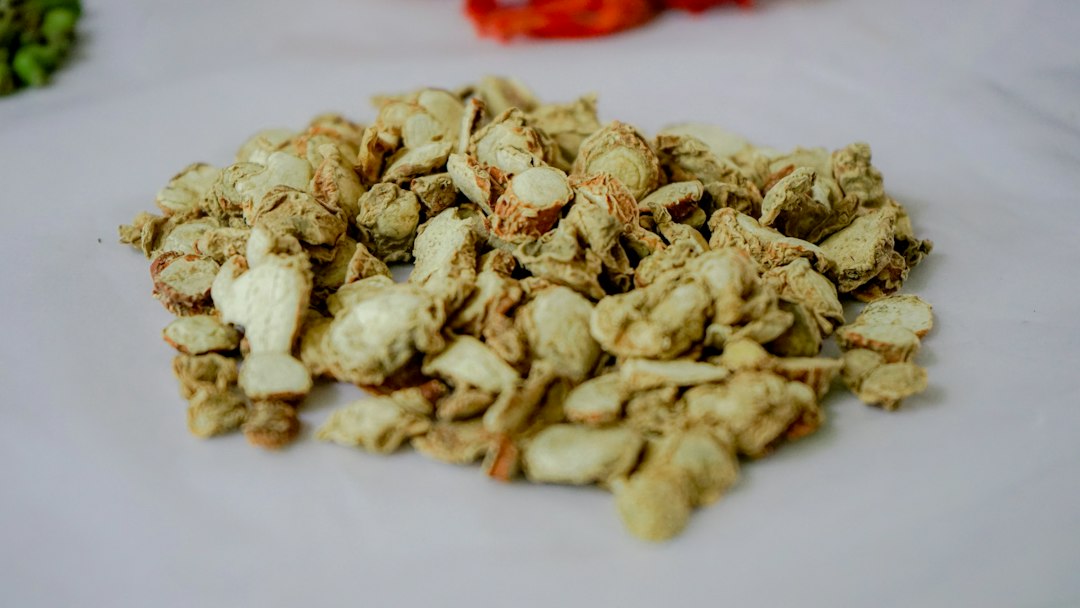
Dried root, ready for extraction
There are several easy ways to take shatavari for women’s health, and the best one depends on your routine. Traditionally, people take the root as a powder mixed into warm milk. Today, tinctures and capsules are popular too. Here’s how each form works.
Tincture or Powder?
A tincture is the herb extracted in alcohol and water. It is quick to take and easy to carry. For many people, the tincture is the most convenient way to take shatavari for women’s health. You can add the drops to a little water or juice.
We make our shatavari tincture in a 1:5 ratio using the classic tincturing method. Our team also sets the alcohol percentage for each herb, so the extraction suits the root.
The classic Ayurvedic method is simple. First, stir the powdered root into warm milk or a plant-based milk. Then, add a pinch of cardamom or a little honey for flavour. Many people enjoy it in the evening as a calming, nourishing drink.
Tips for a Daily Routine
- Take it at the same time each day so it becomes a habit.
- Give it time, because tonic herbs like shatavari traditionally work over weeks, not hours.
- Pair it with other supportive herbs. For example, our Female Hormone Bundle combines several herbs for the cycle.
- Keep a simple journal so you can notice changes over time.
Is Shatavari for Women’s Health Safe?
Most people tolerate shatavari well in traditional use. However, it belongs to the asparagus family, so skip it if you have an asparagus allergy. Also, talk to your healthcare provider first if you are pregnant, nursing, on medication, or have a hormone-sensitive condition. For liability and regulatory reasons, we don’t give dosing advice. Please review our disclaimer before you start.
How We Source Our Shatavari
We buy our shatavari root from trusted suppliers, and most of our herbs are certified organic or sustainably wildcrafted. Our team of herbalists and Naturopathic Doctors makes every tincture in Toronto. Then, each batch goes through a third-party lab test and a sensory check by our herbalists before bottling. That way, the shatavari in your bottle is the real root, prepared with care.
The key takeaway: shatavari for women’s health is a gentle, traditional tonic. It suits anyone who wants a slow, steady herb in their daily routine, whether as a tincture or in warm milk.
FAQ
- Superior Sourcing: Our herbs are sourced from all over the world to avoid seasonal fluctuations in availability, keeping herbs accessible. Our suppliers meet strict standards that ensure top quality herbs, most of which are organic, wildcrafted, sustainably grown, or grown using permaculture. We support local farmers and grow many of our own herbs.
- Superior Processing: Our tinctures are made using the classic tincturing method. The tinctures are made in a 1:5 ratio which allows for the optimal extraction of the herb. The alcohol percentage is strictly controlled depending on the herb and part of the plant that is used.
- Superior Selection: We take pride in our growing selection of over 300 individual herbs. If we don’t carry the herb you’re seeking, we can likely track it down for you.
- Superior Quality Control: Our tinctures are thoroughly tested by a third-party lab and with an organoleptic evaluation by our team of herbalists prior to final bottling.
- Superior Price: Our tinctures are more cost-effective than other tinctures on the market. With an eye towards efficiency, we keep our costs low by maintaining good relationships with our wide network of suppliers and ordering herbs in bulk quantities.
- We Care About the Environment: We repackage materials that are shipped to us (so don’t be surprised if our packages look different from time to time!). We recycle or reuse materials whenever possible. We turn the cardboard we receive from other suppliers into packing material. We donate to avoid waste to groups like Naturopaths Without Borders. Our workforce almost completely uses public transportation or bikes. We are powered using 100% renewable energy through Bullfrog Power.
- We Donate To Charity: We support many causes that make the world better. We donate a portion of our profits or products. These include charities that support environmental and natural sustainability.
Set up an online account and order through the website. If you don’t have an account and place an order, one will be created for you.
Click here to subscribe to our mailing list.
Our products are made in Toronto, Ontario, Canada by a team of Herbalists and Naturopathic Doctors. The herbs and ingredients we use to make our products are sourced both locally and globally to keep herbs accessible and sustainable.
The majority of our herbs are certified organic, sustainably wildcrafted, or come from small-scale local organic farms that do not yet have organic certification. We always do our best to provide organic herbs in your formulas. We work with a variety of suppliers to keep costs low.
Although most of our products do not contain gluten, we do not have gluten-free certification for our production facility. Feel free to ask about any specific products and we’ll share whatever information we have available.
For liability and regulatory reasons, we don’t make any claims as to how our herbs should be used, including dosing recommendations. Please review our disclaimer, as well as our terms and policies.