Horehound for Chest Congestion: Where It Comes From
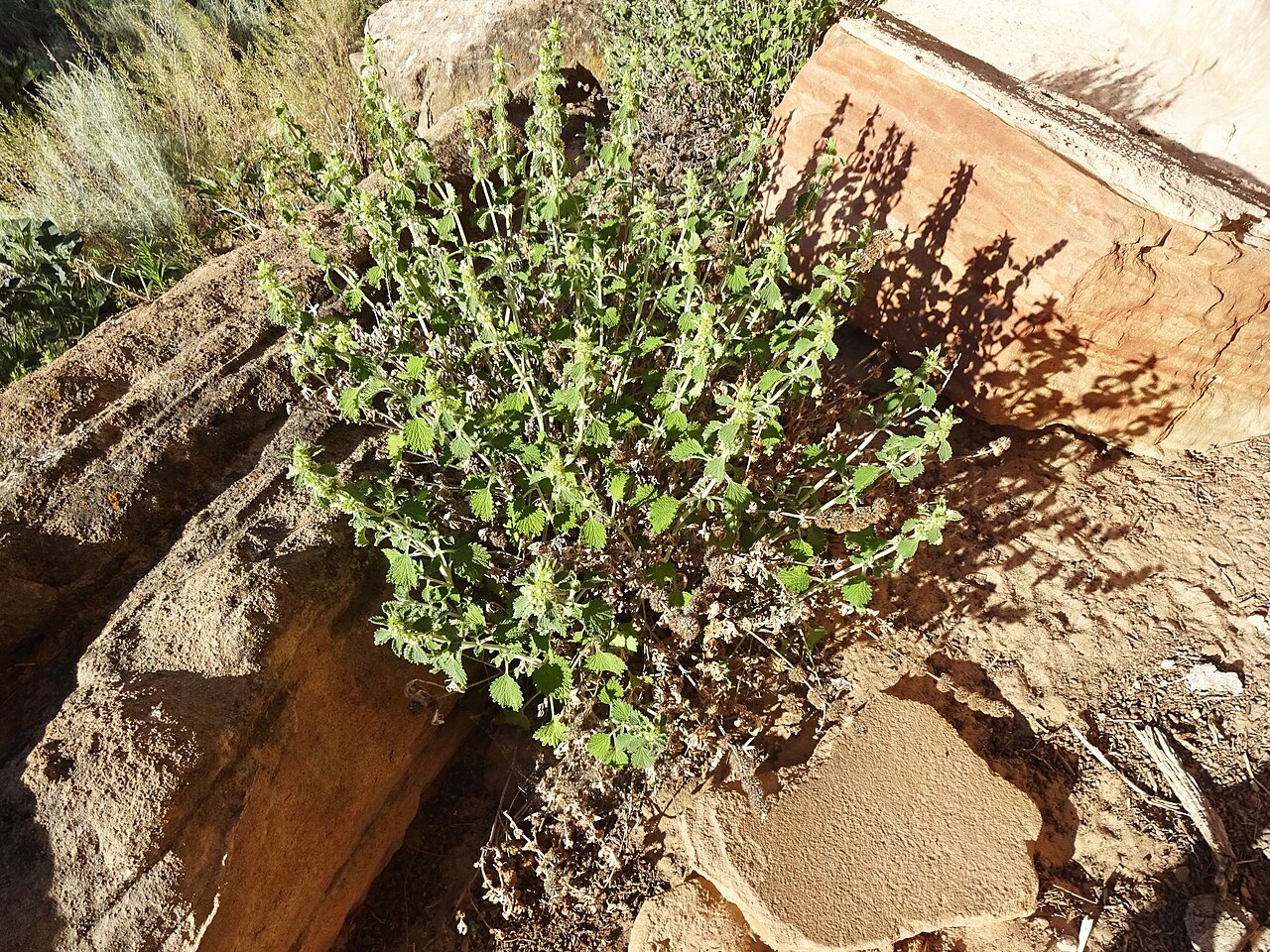
White horehound growing wild, the plant behind horehound for chest congestion
Horehound for chest congestion is one of the oldest cough remedies in Western herbalism, and your grandparents may remember it as a candy. Long before modern cough syrups, families boiled the leaves with sugar to make hard lozenges for winter coughs. So why has this plain grey herb lasted so long? This guide covers the plant, its traditional uses, and how people take it today.
What Is Horehound?
Horehound is the leafy top of Marrubium vulgare, a plant in the mint family (Lamiaceae). You may also see it called white horehound or common horehound. Like its mint cousins, it has a square stem and leaves that grow in opposite pairs. However, it does not taste like mint at all. Instead, it is strongly bitter.
The plant is native to Europe, North Africa and western Asia. Settlers then carried it to North America, and it now grows wild in dry fields, roadsides and rocky ground. It forms a bushy clump about knee high. The leaves are wrinkled, grey-green and covered in soft white hairs. In summer, tiny white flowers appear in round clusters where the leaves meet the stem.
Where the Name Comes From
The English name likely comes from the Old English har hune, which means “downy plant.” That is a fair description of the fuzzy leaves. The Latin name has a more colourful story. Some writers link Marrubium to the Hebrew word marrob, meaning “bitter juice.” In fact, tradition counts horehound among the bitter herbs of the Passover meal.
Here’s why that matters: the bitterness is not a flaw. Herbalists see it as a sign of the plant’s active compounds. As a result, horehound has two traditional roles. First, it is a cough herb. Second, it is a bitter tonic for the stomach.
Ancient writers already knew both uses. For example, the Roman writer Pliny listed horehound among the best plants for chest complaints. Later, the herb filled the pages of medieval and colonial herbals. Even today, horehound for chest congestion shows up in old family recipes across Europe and North America.
If you are building a cold-season kit, you may also like our guide to mullein for respiratory health. The two herbs often appear side by side in traditional chest blends.
Traditional Benefits of Horehound for Chest Congestion
A traditional herbal tincture
The main traditional use of horehound for chest congestion is as an expectorant. That word describes an herb that helps the body loosen and clear thick mucus from the airways. In addition, herbalists value it as a bitter for sluggish digestion. Below are the areas where it comes up most often.
Coughs and a Heavy Chest
Herbalists have long reached for horehound when a cough feels wet, tight and hard to clear. Traditionally, they used it for lingering chest colds and coughs that hang on after a cold. The herb has a reputation for helping a stuck cough become a more productive one. As a result, people often took it in warm tea or syrup through the winter.
So what is behind that reputation? Researchers point to a compound called marrubiin. This bitter plant compound is the best-known active ingredient in horehound. The leaves also contain a small amount of volatile oil, along with tannins and flavonoids. Together, these compounds may explain much of the herb’s traditional use. However, human research is still limited, so it is best to see these uses as traditional rather than proven.
This is where it gets interesting. Germany’s Commission E, an expert panel that reviewed herbal medicines, approved horehound for loss of appetite and mild indigestion. That review also mentioned its long history for coughs. For more background on the plant’s research, you can browse the studies collected on PubMed.
Digestion and Appetite
But there’s more to it than that. Horehound is also a classic bitter herb. A bitter taste on the tongue triggers the flow of saliva and digestive juices. That is why herbalists traditionally use it before meals for poor appetite, bloating and a heavy feeling after eating. In this way, it works much like wormwood and other digestive bitters.
The key takeaway: horehound for chest congestion does double duty. It supports the chest and the stomach, which makes it a handy herb for the cold months.
How to Use Horehound for Chest Congestion
A warm cup of herbal tea for the cold months
There are several simple ways to take horehound for chest congestion, and the best one depends on your taste and routine. Traditionally, people made it into tea, syrup or candy. Today, a tincture is the most common choice. Here’s how each form works.
Tincture, Tea or Syrup?
A tincture is the herb extracted in alcohol and water. It is quick to take and easy to carry. Because horehound is so bitter, many people find the tincture easier than a full cup of tea. You can add the drops to a little warm water with honey.
We make our horehound tincture in a 1:5 ratio using the classic tincturing method. Our team also sets the alcohol percentage for each herb, so the extraction suits the leaf and flower.
If you prefer tea, first steep the dried herb in just-boiled water for about ten minutes. Then, strain it and stir in honey to soften the bitterness. A slice of lemon or a little ginger also helps. Old family recipes often simmered the tea down with sugar or honey to make a thick syrup.
Tips for the Cold Season
- Pair it with warming or soothing herbs. For example, many traditional blends combine horehound with thyme or wild cherry bark.
- Take it in warm water, because steam and warmth add comfort to a sore chest.
- Keep it in your cupboard before cold season starts, so you have it on hand.
- Try it before a meal if you want to use it as a digestive bitter.
Is Horehound for Chest Congestion Safe?
Most people tolerate horehound well in traditional use. However, skip it if you are pregnant or nursing. Also, talk to your healthcare provider first if you have diabetes, a heart condition or take regular medication. A cough that lasts more than a few weeks, or comes with fever or shortness of breath, needs a medical check. For liability and regulatory reasons, we don’t give dosing advice. Please review our disclaimer before you start.
How We Source Our Horehound
We buy our horehound from trusted suppliers, and most of our herbs are certified organic or sustainably wildcrafted. Our team of herbalists and Naturopathic Doctors makes every tincture in Toronto. Then, each batch goes through a third-party lab test and a sensory check by our herbalists before bottling.
The key takeaway: horehound for chest congestion is a simple, time-tested herb. It earns a place in any cold-season cupboard, whether you take it as a tincture, a tea or a homemade syrup.
FAQ
- Superior Sourcing: Our herbs are sourced from all over the world to avoid seasonal fluctuations in availability, keeping herbs accessible. Our suppliers meet strict standards that ensure top quality herbs, most of which are organic, wildcrafted, sustainably grown, or grown using permaculture. We support local farmers and grow many of our own herbs.
- Superior Processing: Our tinctures are made using the classic tincturing method. The tinctures are made in a 1:5 ratio which allows for the optimal extraction of the herb. The alcohol percentage is strictly controlled depending on the herb and part of the plant that is used.
- Superior Selection: We take pride in our growing selection of over 300 individual herbs. If we don’t carry the herb you’re seeking, we can likely track it down for you.
- Superior Quality Control: Our tinctures are thoroughly tested by a third-party lab and with an organoleptic evaluation by our team of herbalists prior to final bottling.
- Superior Price: Our tinctures are more cost-effective than other tinctures on the market. With an eye towards efficiency, we keep our costs low by maintaining good relationships with our wide network of suppliers and ordering herbs in bulk quantities.
- We Care About the Environment: We repackage materials that are shipped to us (so don’t be surprised if our packages look different from time to time!). We recycle or reuse materials whenever possible. We turn the cardboard we receive from other suppliers into packing material. We donate to avoid waste to groups like Naturopaths Without Borders. Our workforce almost completely uses public transportation or bikes. We are powered using 100% renewable energy through Bullfrog Power.
- We Donate To Charity: We support many causes that make the world better. We donate a portion of our profits or products. These include charities that support environmental and natural sustainability.
Set up an online account and order through the website. If you don’t have an account and place an order, one will be created for you.
Click here to subscribe to our mailing list.
Our products are made in Toronto, Ontario, Canada by a team of Herbalists and Naturopathic Doctors. The herbs and ingredients we use to make our products are sourced both locally and globally to keep herbs accessible and sustainable.
The majority of our herbs are certified organic, sustainably wildcrafted, or come from small-scale local organic farms that do not yet have organic certification. We always do our best to provide organic herbs in your formulas. We work with a variety of suppliers to keep costs low.
Although most of our products do not contain gluten, we do not have gluten-free certification for our production facility. Feel free to ask about any specific products and we’ll share whatever information we have available.
For liability and regulatory reasons, we don’t make any claims as to how our herbs should be used, including dosing recommendations. Please review our disclaimer, as well as our terms and policies.