Wild Cherry Bark for Cough: Where This Tree Bark Comes From
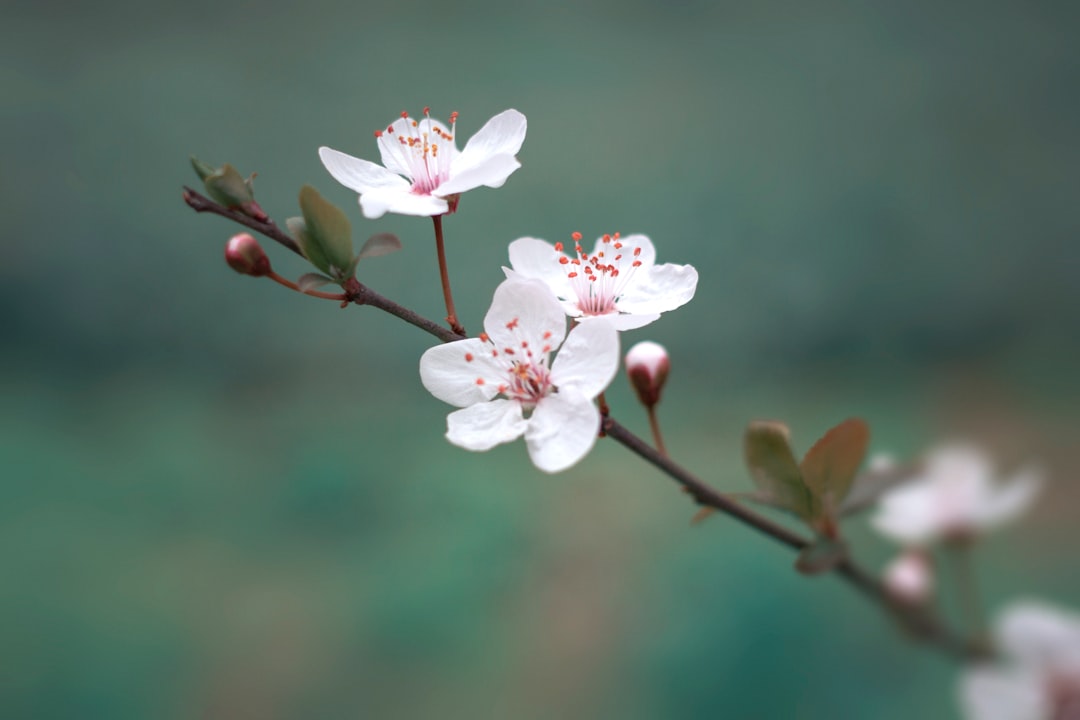
Prunus serotina in spring bloom. The medicine comes from the inner bark.
Wild cherry bark for cough survived the shift to modern medicine by hiding in plain sight. That cherry-flavoured cough syrup on the pharmacy shelf descends straight from it. The flavour stayed. The herb behind it mostly got left out.
The tree is Prunus serotina, also called black cherry or rum cherry, a member of the rose family (Rosaceae) that grows across eastern North America. It reaches 15 to 25 metres. In spring it puts out drooping white flower racemes. In late summer it drops small dark fruit, and birds strip the tree within days. Herbalists use neither the flower nor the fruit. Instead, they use the inner bark. Harvesters cut it from young branches, then dry it out of direct sun.
Here’s why that matters: the bark develops a distinct almond-cherry aroma as it dries. Above all, that aroma is the tell. By contrast, fresh bark smells of almost nothing. Well-dried bark smells sweet, faintly of marzipan. A herbalist judges the batch on that alone.
How wild cherry bark for cough entered the herbal record
Indigenous peoples across the eastern woodlands used the bark long before European settlers arrived. They brewed it as a tea for chest complaints. In addition, they took it as a bitter to restore appetite after illness. However, settlers adopted it fast. By the mid-1800s the United States Pharmacopoeia listed wild cherry bark as a standard cough ingredient. Notably, it held that place for close to a century.
Common names to know: wild cherry bark, black cherry bark, rum cherry, wild black cherry. All name the same species. On our shelves it goes by Wild Cherry Bark.
What Wild Cherry Bark Does for a Dry Cough
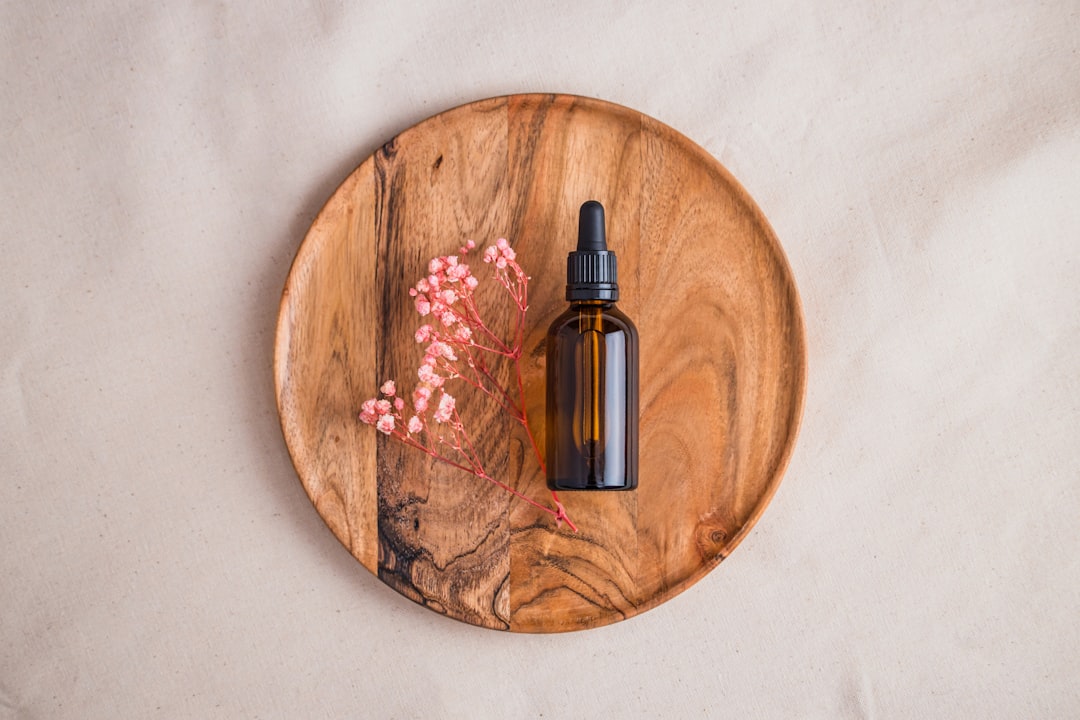
A 1:5 tincture, the form most people reach for.
Herbalists classify wild cherry bark as an antitussive, a cough-calmer. Most cough herbs loosen and move mucus. Wild cherry bark does close to the opposite. Instead, it quiets the cough reflex itself. Furthermore, that difference is the whole reason to know the herb. Wild cherry bark for cough fits only once the cough has stopped being useful.
The constituents behind the cough-calming action
Here’s how it works. The bark holds cyanogenic glycosides, mainly prunasin. As the plant material breaks down, these release trace amounts of hydrocyanic acid. At that scale the compound mildly sedates the cough centre in the brainstem. As a result, it damps the signal that keeps firing. In addition, tannins in the bark tone irritated tissue. A demulcent quality coats a raw throat.
Matching wild cherry bark for cough to the right cough
So what does this mean for you? A cough that moves mucus is doing a job. Shutting it down works against the body. However, a dry, tickly cough is different. It has no cargo to clear. It scrapes the throat, that rawness triggers another cough, and the loop keeps going. Usually, nights are the worst of it. Tradition ties wild cherry bark to exactly this pattern: persistent night-time coughing, and the post-viral cough that lingers for weeks after a cold clears.
Because of that specificity, herbalists rarely use the bark alone. They pair it with licorice root for irritating post-viral coughs. When an infection is still active, they add thyme and rosemary to move mucus while the bark calms the cough. The key takeaway: match the herb to the type of cough, not to the word cough.
How to Use Wild Cherry Bark for Cough at Home
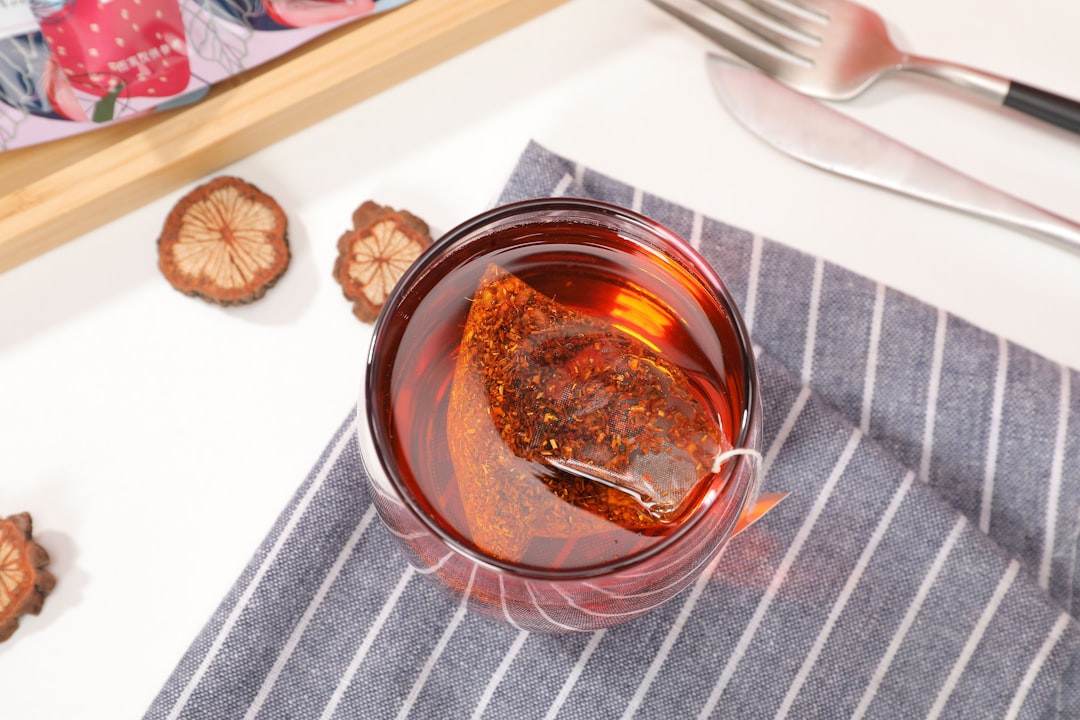
Bark infusions run dark and taste faintly of almond.
Most people take wild cherry bark for cough as a tincture. The extract keeps well and doses easily. It also carries that almond-cherry flavour, which makes it pleasant to take. We make ours as a 1:5 extract, with the alcohol percentage set for bark. Bark runs denser than leaf or flower, so it needs a stronger solvent to give up its constituents.
Tea, syrup, and what heat does to the bark
The traditional home preparation is a cold or gentle infusion, not a hard boil. This is where it gets interesting. Heat drives off the volatile compounds that carry both the flavour and the cough-calming action. The old herbals warn against a long rolling decoction for that reason. Therefore, a covered steep works better. Covering the cup matters more than the exact temperature.
As a result, wild cherry bark also shows up as a syrup. Bark extract, honey, and a little ginger make a thick preparation. It coats the throat on the way down, which soothes mechanically as well as herbally. For that reason, syrups suit evening use. The sweetness lingers, and the coating holds longer while lying down.
Practical notes and how we source the bark
A few practical notes. Treat the bark as a short course, not a daily tonic. In other words, herbalists reach for it over the span of a cough, not for months. It replaces nothing when a cough brings fever, breathlessness, chest pain, or blood. Any of those warrant a call to a practitioner instead of a trip to the herb cupboard. We make no dosing recommendations, so review our disclaimer and ask your own practitioner what fits.
On sourcing: we buy whole bark rather than powder wherever we can. Powder loses aroma fast, and above all aroma is the quality marker here. Our herbalists check every batch by nose and taste. A flat, odourless lot never reaches the bottling bench.
FAQ
- Superior Sourcing: Our herbs are sourced from all over the world to avoid seasonal fluctuations in availability, keeping herbs accessible. Our suppliers meet strict standards that ensure top quality herbs, most of which are organic, wildcrafted, sustainably grown, or grown using permaculture. We support local farmers and grow many of our own herbs.
- Superior Processing: Our tinctures are made using the classic tincturing method. The tinctures are made in a 1:5 ratio which allows for the optimal extraction of the herb. The alcohol percentage is strictly controlled depending on the herb and part of the plant that is used.
- Superior Selection: We take pride in our growing selection of over 300 individual herbs. If we don’t carry the herb you’re seeking, we can likely track it down for you.
- Superior Quality Control: Our tinctures are thoroughly tested by a third-party lab and with an organoleptic evaluation by our team of herbalists prior to final bottling.
- Superior Price: Our tinctures are more cost-effective than other tinctures on the market. With an eye towards efficiency, we keep our costs low by maintaining good relationships with our wide network of suppliers and ordering herbs in bulk quantities.
- We Care About the Environment: We repackage materials that are shipped to us (so don’t be surprised if our packages look different from time to time!). We recycle or reuse materials whenever possible. We turn the cardboard we receive from other suppliers into packing material. We donate to avoid waste to groups like Naturopaths Without Borders. Our workforce almost completely uses public transportation or bikes. We are powered using 100% renewable energy through Bullfrog Power.
- We Donate To Charity: We support many causes that make the world better. We donate a portion of our profits or products. These include charities that support environmental and natural sustainability.
Set up an online account and order through the website. If you don’t have an account and place an order, one will be created for you.
Click here to subscribe to our mailing list.
Our products are made in Toronto, Ontario, Canada by a team of Herbalists and Naturopathic Doctors. The herbs and ingredients we use to make our products are sourced both locally and globally to keep herbs accessible and sustainable.
The majority of our herbs are certified organic, sustainably wildcrafted, or come from small-scale local organic farms that do not yet have organic certification. We always do our best to provide organic herbs in your formulas. We work with a variety of suppliers to keep costs low.
Although most of our products do not contain gluten, we do not have gluten-free certification for our production facility. Feel free to ask about any specific products and we’ll share whatever information we have available.
For liability and regulatory reasons, we don’t make any claims as to how our herbs should be used, including dosing recommendations. Please review our disclaimer, as well as our terms and policies.