Devil's Claw for Joint Pain: Where the Root Comes From
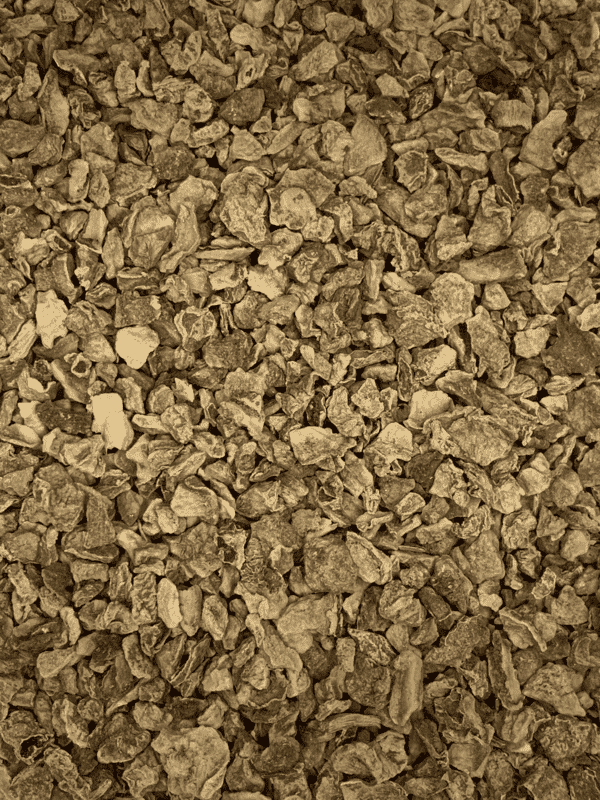
Cut and sifted secondary root of Harpagophytum procumbens. Devil’s Claw for joint pain relies on this part of the plant, never the hooked seed pod.
Devil’s Claw for joint pain is one of the few African herbs to have earned a permanent place in Western herbal practice, and the reason is straightforward: people who reach for it tend to keep reaching for it. This is a plant with a narrow, well-defined reputation. Nobody ever marketed it as a cure-all, and it does not need to be one.
The plant itself is Harpagophytum procumbens, a low, sprawling perennial in the sesame family. It grows across the red sand of the Kalahari, spreading through Namibia, Botswana, and parts of South Africa. Above ground it looks unremarkable. Trailing stems run flat along the soil, grey-green lobed leaves sit close to the surface, and trumpet-shaped flowers open in pink or violet after the rains.
Its name comes from the fruit. As the seed pod dries, it hardens into a woody capsule covered in curved, barbed hooks. Those hooks catch in the hooves and fur of passing animals, which is how the plant spreads its seed across open ground. Early European botanists took one look at the spiked pod and called it the grapple plant. The common name Devil’s Claw stuck instead.
Which part of the plant gets used
Here’s where it gets interesting: the hooked fruit is not the medicine. That job belongs to the root. More precisely, herbalists use the secondary storage tubers, which are fleshy swellings that branch off the deep taproot and hold water through the dry season. Harvesters dig out these side tubers, slice them, and dry them, while the main taproot stays in the ground so the plant can regrow.
San and Khoikhoi communities of southern Africa were preparing decoctions of this root long before it reached Europe. Traditionally, people took it for rheumatic complaints, sluggish digestion, fevers, and pain during labour. German settlers documented the practice in the early twentieth century, and by the 1950s dried Devil’s Claw root was moving steadily into European pharmacies. Today the root appears in the European Pharmacopoeia and ranks among the better-studied botanicals for musculoskeletal discomfort.
However, that popularity carries a cost. Wild harvesting pressure has been heavy for decades, so sustainable sourcing genuinely matters with this herb. As a result, responsible suppliers now buy through certified harvester cooperatives in Namibia, which cap how much of any single plant may be lifted and return a real share of the value to the communities doing the work.
Why Herbalists Use Devil's Claw for Joint Pain
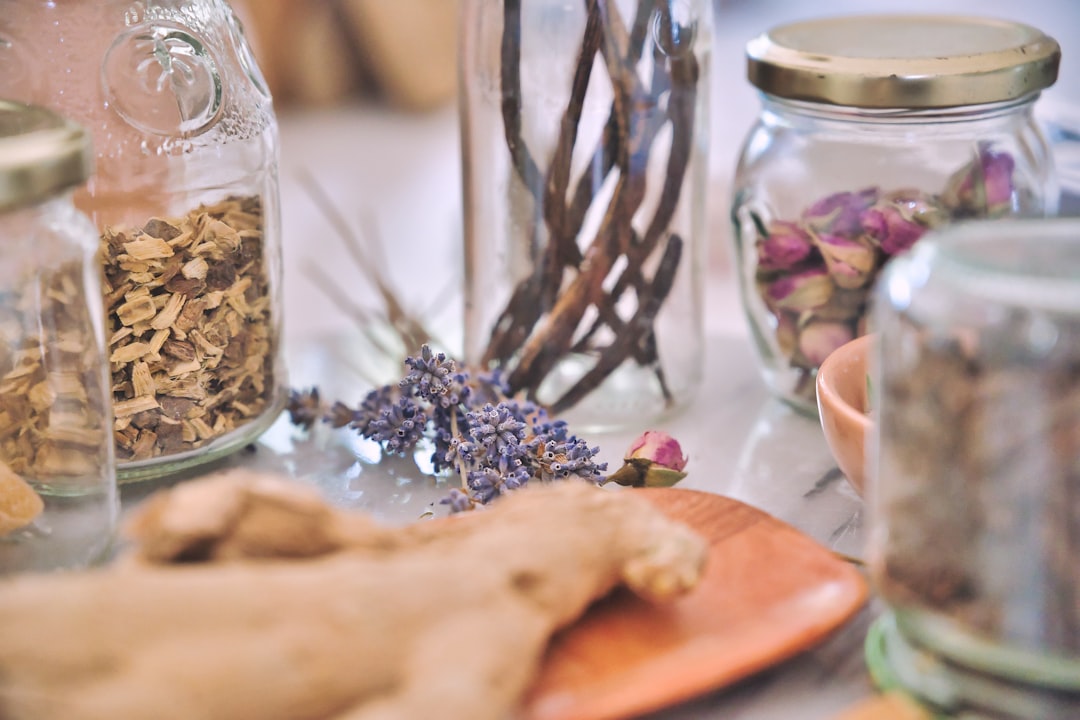
Dried roots hold their bitter constituents well when they are stored whole in sealed glass, away from light.
Herbalists choose Devil’s Claw for joint pain because of what sits inside the root: a group of intensely bitter iridoid glycosides, chiefly harpagoside, alongside harpagide and procumbide. Harpagoside is the marker compound that most producers measure their extracts against, and it gives a rough yardstick for how well a preparation came together.
However, harpagoside does not work alone. The root also carries phenylethanoid glycosides such as verbascoside and isoacteoside, plus triterpenes, flavonoids, and a considerable load of plain bitter principle. Laboratory work suggests the whole-root extract performs better than isolated harpagoside on its own. That is a familiar pattern across herbal medicine, and it is one reason traditional whole-plant preparations have held their ground.
How Devil’s Claw for Joint Pain Works
Here’s how it works, in plain terms. Inflammation inside a joint is driven partly by signalling molecules that keep telling the body to maintain an inflammatory response. Research indicates that Devil’s Claw extracts quiet several of those signals at once, including the enzymes cyclooxygenase and lipoxygenase, along with the messenger cytokines TNF-alpha and interleukin-1 beta. In addition, some studies point to reduced activity of matrix metalloproteinases, the enzymes that gradually break cartilage down.
So what does this mean for you? Rather than blocking one pathway hard, the herb appears to nudge several pathways gently. Furthermore, that profile matches the way people actually describe using it. Devil’s Claw is traditionally associated with steady, cumulative easing over a few weeks, not a dramatic effect within the hour.
What the research has looked at
Most clinical work on Devil’s Claw for joint pain has concentrated on two areas: osteoarthritis of the hip and knee, and non-specific low back pain. Trials published across the past three decades have generally reported improvements in pain scores and mobility, and several noted that participants cut back on conventional anti-inflammatory medication while taking it. The European Medicines Agency lists the root as a traditional herbal medicinal product for minor joint discomfort.
The picture is not uniform, though. Study sizes have often been small, extract types have varied widely, and harpagoside content differs a great deal between products on the shelf. For that reason, herbalists treat the evidence as supportive rather than settled, and honest suppliers say exactly the same thing.
The bitter side people forget
Joint discomfort takes all the attention, yet the root has a second traditional role. It is fiercely bitter, and bitters stimulate digestive secretions the moment they touch the tongue. Southern African traditional use therefore included Devil’s Claw for poor appetite and slow digestion, and European herbalists carried that indication forward. Because of this, most people take the herb in a form they can actually taste rather than hiding it inside a capsule.
It also sits well beside other anti-inflammatory botanicals. Turmeric is the classic partner, and many people combine the two where joints are the main concern.
How to Use Devil's Claw for Joint Pain
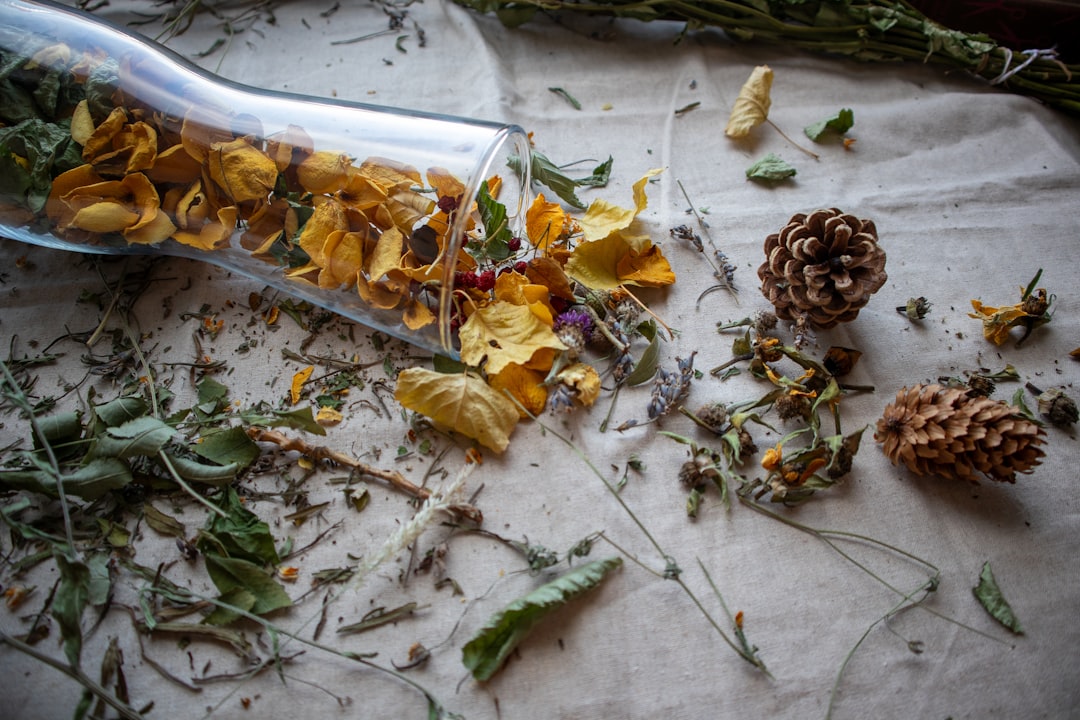
Root material needs a longer, slower extraction than leaves or flowers, whether that happens in alcohol or in water.
Devil’s Claw for joint pain turns up in three common forms, and each one suits a different person. Tinctures are the most flexible. Decoctions are the most traditional. Capsules are the most convenient, although they skip the bitter action on the tongue entirely.
Tincture
A tincture pulls the root’s constituents into a mix of alcohol and water, which captures both the iridoid glycosides and the bitter principles. We make ours at a 1:5 ratio, with the alcohol percentage set for root material specifically. Most people take it in a small splash of water. The taste is genuinely sharp, so warn yourself before the first dose. If you want to understand the method behind it, our beginner’s guide to tinctures walks through the whole process.
Decoction
Roots do not give up much to a quick steep. Instead, they need simmering. A decoction means covering the dried root with cold water, bringing it slowly to a simmer, and holding it there with a lid on for ten to fifteen minutes before straining. The lid matters, since volatile constituents otherwise leave with the steam. Expect a dark, earthy, deeply bitter liquid. Some people soften it with liquorice or cinnamon, though purists leave it alone.
Fitting Devil’s Claw for Joint Pain Into a Routine
Consistency matters far more than quantity with this herb. Traditional use points toward taking it daily over several weeks and then reassessing, rather than reaching for it only on bad days. Many people take it with or just before meals, which suits the bitter digestive action as well.
It also combines readily. Turmeric remains the most common pairing, while wild yam is the traditional substitute when Devil’s Claw is unavailable. If you are mapping out a broader approach, our overview of herbs that relieve joint pain covers the wider set of options.
Who should be cautious
Devil’s Claw is a strong bitter, and bitters raise stomach acid output. Consequently, anyone with an active gastric or duodenal ulcer generally avoids it. It stimulates the gallbladder too, so gallstones warrant caution. Tradition also keeps it out of use during pregnancy, given its historical role as a labour herb. Finally, anyone taking blood thinners, blood pressure medication, or heart-rhythm drugs should speak with a qualified practitioner before starting. We do not offer dosing guidance ourselves, for the reasons set out in our FAQ below.
How we source and prepare it
Our Devil’s Claw root comes through Namibian harvester cooperatives that work under managed wild-harvest agreements, which keeps the taproot in the ground and the plant population intact. The root arrives cut and sifted, then our herbalists check it through organoleptic evaluation and a third-party lab tests it before anything reaches a bottle. Because harpagoside content varies so much between batches of wild-harvested root, that verification step is not optional. It is the difference between a preparation that behaves predictably and one that does not.
FAQ
- Superior Sourcing: Our herbs are sourced from all over the world to avoid seasonal fluctuations in availability, keeping herbs accessible. Our suppliers meet strict standards that ensure top quality herbs, most of which are organic, wildcrafted, sustainably grown, or grown using permaculture. We support local farmers and grow many of our own herbs.
- Superior Processing: Our tinctures are made using the classic tincturing method. The tinctures are made in a 1:5 ratio which allows for the optimal extraction of the herb. The alcohol percentage is strictly controlled depending on the herb and part of the plant that is used.
- Superior Selection: We take pride in our growing selection of over 300 individual herbs. If we don’t carry the herb you’re seeking, we can likely track it down for you.
- Superior Quality Control: Our tinctures are thoroughly tested by a third-party lab and with an organoleptic evaluation by our team of herbalists prior to final bottling.
- Superior Price: Our tinctures are more cost-effective than other tinctures on the market. With an eye towards efficiency, we keep our costs low by maintaining good relationships with our wide network of suppliers and ordering herbs in bulk quantities.
- We Care About the Environment: We repackage materials that are shipped to us (so don’t be surprised if our packages look different from time to time!). We recycle or reuse materials whenever possible. We turn the cardboard we receive from other suppliers into packing material. We donate to avoid waste to groups like Naturopaths Without Borders. Our workforce almost completely uses public transportation or bikes. We are powered using 100% renewable energy through Bullfrog Power.
- We Donate To Charity: We support many causes that make the world better. We donate a portion of our profits or products. These include charities that support environmental and natural sustainability.
Set up an online account and order through the website. If you don’t have an account and place an order, one will be created for you.
Click here to subscribe to our mailing list.
Our products are made in Toronto, Ontario, Canada by a team of Herbalists and Naturopathic Doctors. The herbs and ingredients we use to make our products are sourced both locally and globally to keep herbs accessible and sustainable.
The majority of our herbs are certified organic, sustainably wildcrafted, or come from small-scale local organic farms that do not yet have organic certification. We always do our best to provide organic herbs in your formulas. We work with a variety of suppliers to keep costs low.
Although most of our products do not contain gluten, we do not have gluten-free certification for our production facility. Feel free to ask about any specific products and we’ll share whatever information we have available.
For liability and regulatory reasons, we don’t make any claims as to how our herbs should be used, including dosing recommendations. Please review our disclaimer, as well as our terms and policies.