Black Cohosh for Menopause Symptoms: Where the Root Comes From
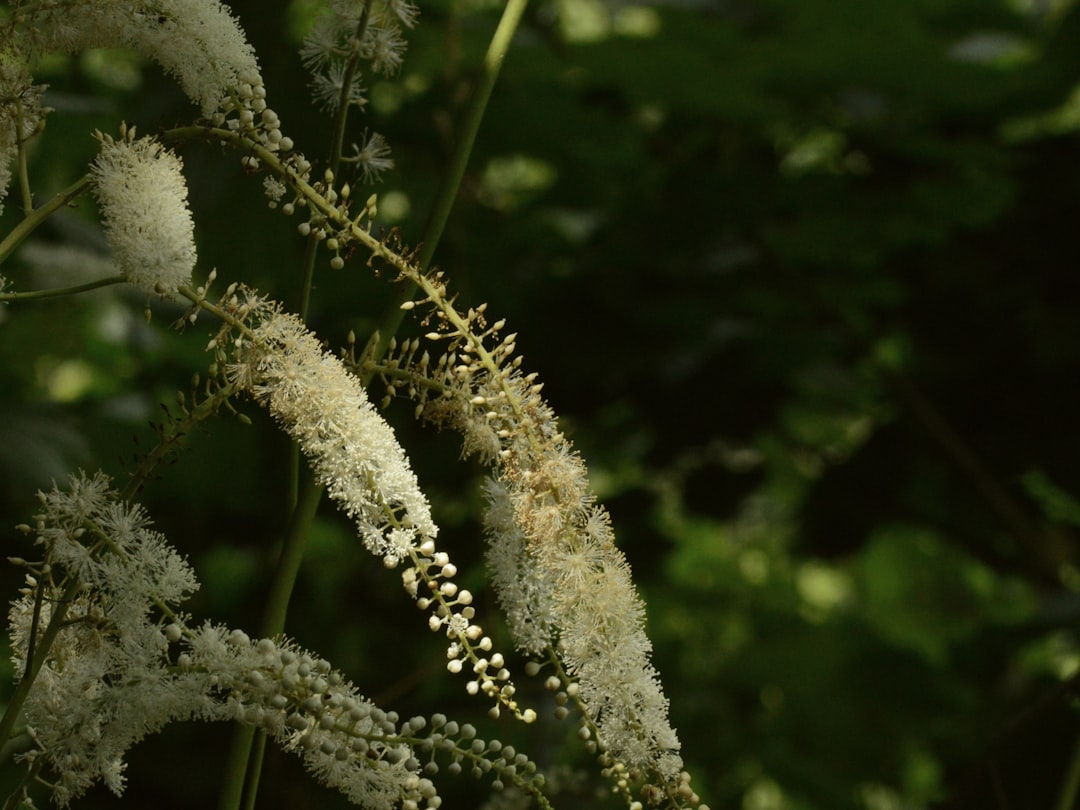
Actaea racemosa in flower. The medicinal part is the root, not the bloom.
Black cohosh for menopause symptoms bridges two worlds. European clinics have used standardized black cohosh root for decades. Herbalists in North America have used the same root for far longer than that.
Black cohosh: the plant behind the name
The plant is Actaea racemosa. Many catalogues still list it under the older name Cimicifuga racemosa. It sits in the buttercup family, Ranunculaceae, and it grows in rich shaded hardwood forest across eastern North America. In midsummer it throws up a tall wand of small white flowers. That habit earned it the folk name fairy candle. You may also see it sold as bugbane, rattleweed, or Sheng Ma.
Black cohosh root, not the flower
Here is the part that matters when you shop. The flowers are not the medicine. The root and rhizome are. That underground portion looks dark and knotted, and it holds the triterpene glycosides this herb is known for. A product made from leaf or stem is a different thing entirely. So check the plant part on the label before you buy.
A long record of use
Indigenous peoples of the eastern woodlands used the root for women’s complaints, for rheumatic pain, and during labour. Nineteenth-century Eclectic physicians in North America then adopted it and wrote about it at length. Their texts list it for menstrual cramping, joint pain, and the transition out of the reproductive years. That thread of use runs straight through to the extracts on shelves today.
However, wild stands have taken a beating. Black cohosh grows slowly and depends on forest shade, so cultivated or carefully wildcrafted root matters more here than for most herbs. We check that on every batch, and the same sourcing standard covers all our women’s health tinctures.
What Black Cohosh Root Is Traditionally Associated With
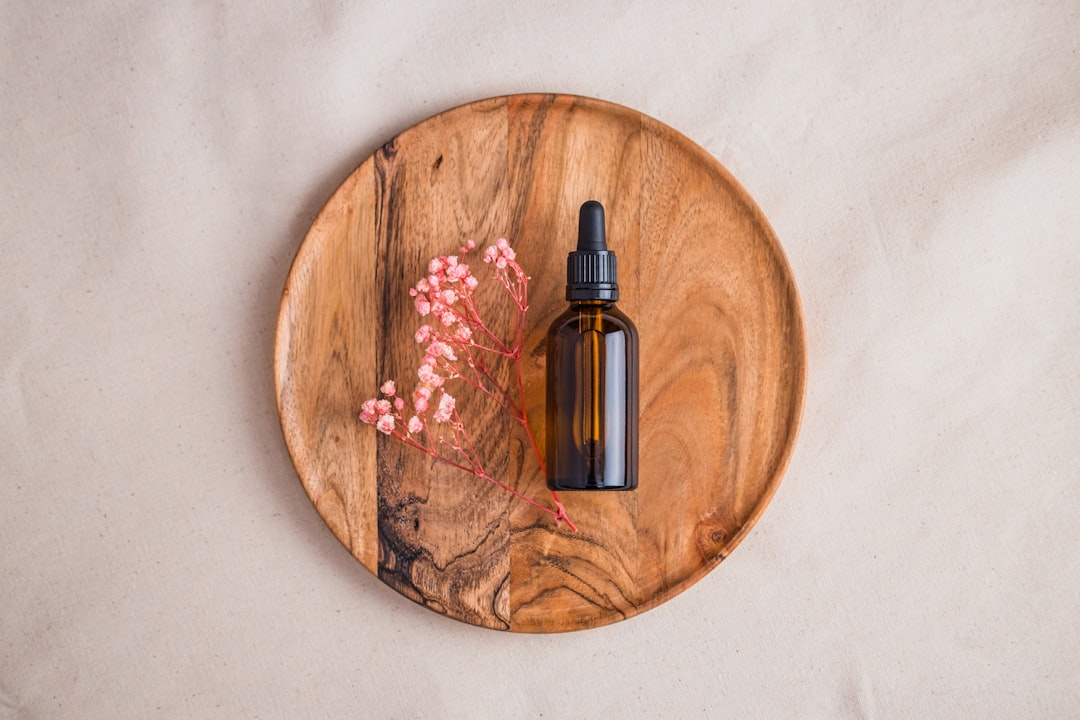
Black cohosh is most often taken as a tincture of the dried root.
Most people reach for black cohosh for menopause symptoms, and specifically for the vasomotor ones. Hot flashes. Night sweats. The flush that arrives without warning in the middle of a meeting. Traditionally it also covered cramping menstrual pain, irritability tied to hormonal shifts, and the dull aching joints that often show up in the same stretch of life.
What is actually in the root
Here is why that grouping makes sense. The root’s best-studied constituents are triterpene glycosides, mainly actein and cimicifugoside. Cinnamic acid derivatives and a little volatile oil round out the profile. Early researchers assumed these acted as plant estrogens. Better analysis has since overturned that idea.
How black cohosh eases menopause symptoms
Current evidence suggests black cohosh barely touches estrogen receptors. Instead it seems to act on serotonergic pathways that help regulate body temperature. That is the system misfiring during a hot flash.
This is where it gets interesting. The mechanism explains something herbalists noticed long before the lab work existed. Black cohosh tends to ease the flushing and the broken sleep more reliably than it eases vaginal dryness or other tissue changes. The herb works on the thermostat, not on the tissue.
Black cohosh cautions and honest limits
However, it is no substitute for hormones and it does not behave like one. Trial results are genuinely mixed. Some well-run studies show a clear drop in hot flash frequency against placebo. Others show very little. Response varies between individuals more than it does for most herbs.
Furthermore, this root carries a real caution list. Avoid it in pregnancy and while breastfeeding. Anyone with liver concerns, a hormone-sensitive condition, or a prescription medication should talk to a health practitioner first. The literature holds rare reports of liver reactions. Nobody has established causation, but that is reason enough to take the caution seriously.
In practice herbalists rarely use the root alone. They pair it with Vitex agnus-castus when the hormonal picture leads, or with sage when sweating and flushing dominate. Our black cohosh and sage combo follows that second pattern.
How Black Cohosh for Menopause Symptoms Is Prepared and Used

Dense woody roots need alcohol extraction or a long decoction.
Most people take black cohosh for menopause symptoms as a tincture, and there is a straightforward reason for that. The active triterpene glycosides barely dissolve in water. A hot infusion pulls out very little of what you want. Alcohol handles a dense woody root far better than a teapot does.
Forms of black cohosh you will find
We make our tinctures from dried black cohosh root at a 1:5 ratio using the classic tincturing method. We set the alcohol percentage for the root itself rather than applying one blanket standard to every herb. In addition, you can simmer the root as a decoction. That is how it appears in Chinese formulas under the name Sheng Ma. Capsules of powdered or standardized root also fill a lot of retail shelf space.
What to expect from the taste
The flavour is bitter and slightly acrid, with a numbing edge on the back of the tongue. It surprises most people the first time. A small amount of water helps it go down. Most people also find a steady daily routine easier to keep than a dose taken only when symptoms spike, and traditional use leans the same way.
Give it time
So what does this mean in practice? Black cohosh is a slow herb. Traditional texts and clinical trials agree on a lag of roughly four to eight weeks before any change gets obvious. As a result, judging it after three days tells you nothing. Give it a fair run, and jot down how often the flushing hits, because the shift usually creeps in too gradually to notice.
What we do on our end
For regulatory reasons we make no dosing recommendations. We can tell you how we handle the herb. We verify botanical identity on every batch of black cohosh root, because related Actaea and Cimicifuga species turn up as adulterants in the global supply for this herb specifically. A third-party lab tests our tinctures, and our herbalists run an organoleptic evaluation before final bottling.
The key takeaway: buy the root, from a supplier who names the species, and give it several weeks.
FAQ
- Superior Sourcing: Our herbs are sourced from all over the world to avoid seasonal fluctuations in availability, keeping herbs accessible. Our suppliers meet strict standards that ensure top quality herbs, most of which are organic, wildcrafted, sustainably grown, or grown using permaculture. We support local farmers and grow many of our own herbs.
- Superior Processing: Our tinctures are made using the classic tincturing method. The tinctures are made in a 1:5 ratio which allows for the optimal extraction of the herb. The alcohol percentage is strictly controlled depending on the herb and part of the plant that is used.
- Superior Selection: We take pride in our growing selection of over 300 individual herbs. If we don’t carry the herb you’re seeking, we can likely track it down for you.
- Superior Quality Control: Our tinctures are thoroughly tested by a third-party lab and with an organoleptic evaluation by our team of herbalists prior to final bottling.
- Superior Price: Our tinctures are more cost-effective than other tinctures on the market. With an eye towards efficiency, we keep our costs low by maintaining good relationships with our wide network of suppliers and ordering herbs in bulk quantities.
- We Care About the Environment: We repackage materials that are shipped to us (so don’t be surprised if our packages look different from time to time!). We recycle or reuse materials whenever possible. We turn the cardboard we receive from other suppliers into packing material. We donate to avoid waste to groups like Naturopaths Without Borders. Our workforce almost completely uses public transportation or bikes. We are powered using 100% renewable energy through Bullfrog Power.
- We Donate To Charity: We support many causes that make the world better. We donate a portion of our profits or products. These include charities that support environmental and natural sustainability.
Set up an online account and order through the website. If you don’t have an account and place an order, one will be created for you.
Click here to subscribe to our mailing list.
Our products are made in Toronto, Ontario, Canada by a team of Herbalists and Naturopathic Doctors. The herbs and ingredients we use to make our products are sourced both locally and globally to keep herbs accessible and sustainable.
The majority of our herbs are certified organic, sustainably wildcrafted, or come from small-scale local organic farms that do not yet have organic certification. We always do our best to provide organic herbs in your formulas. We work with a variety of suppliers to keep costs low.
Although most of our products do not contain gluten, we do not have gluten-free certification for our production facility. Feel free to ask about any specific products and we’ll share whatever information we have available.
For liability and regulatory reasons, we don’t make any claims as to how our herbs should be used, including dosing recommendations. Please review our disclaimer, as well as our terms and policies.