Yellow Dock Root for Iron: What Is Rumex crispus?
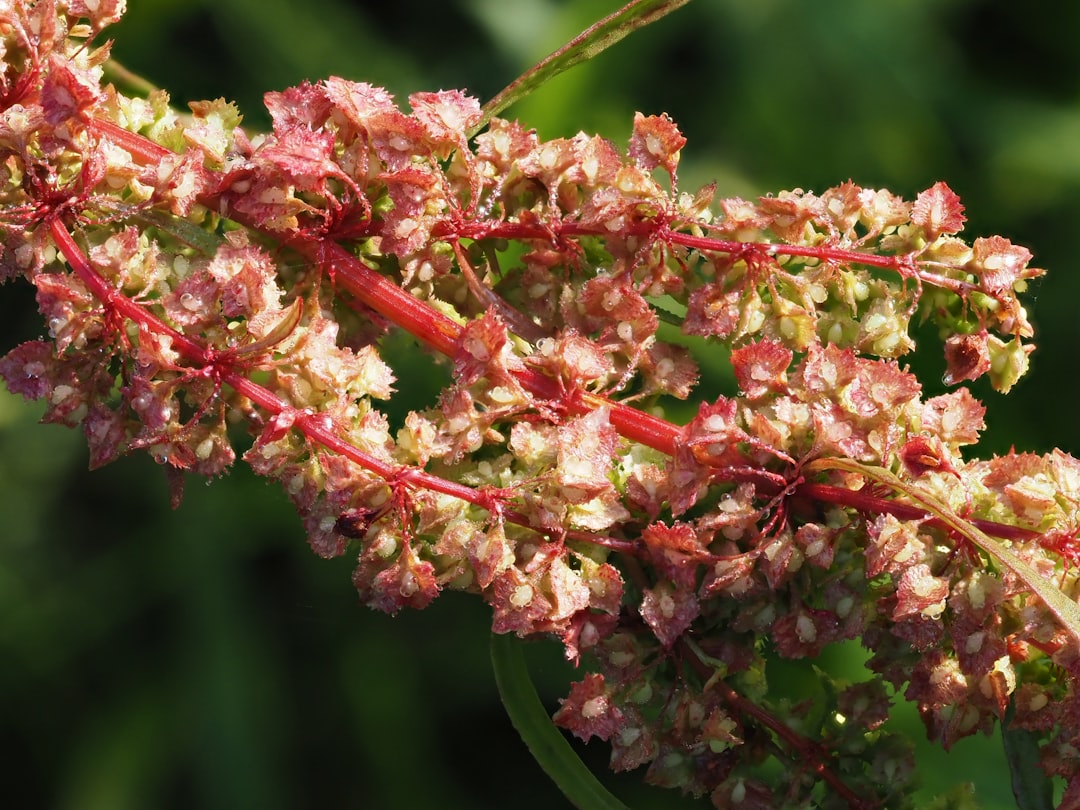
Rumex crispus in seed, the rust-red stalks that make yellow dock easy to spot in late summer.
Yellow dock root for iron is one of the oldest tricks in the Western herbal cabinet. It also works in a way most people do not expect. The root holds very little iron itself. Instead, it helps the body get more out of the iron already in your food.
Meet the plant behind yellow dock root for iron
Yellow dock (Rumex crispus) belongs to the buckwheat family, Polygonaceae. That makes it a close relative of garden sorrel and rhubarb. The common name points to the deep yellow-orange colour of the taproot when you cut it open. Its other name, curled dock, describes the wavy edges of the long lance-shaped leaves.
The plant came from Europe and western Asia. Today it grows across North America in ditches, field edges, gravel lots and disturbed ground. By late summer you cannot miss it. The flower stalk rises two to four feet. The winged seeds ripen to a rusty brown-red, and the stalks stand long into winter.
Why the root matters
Here is why that matters: yellow dock thrives in poor, compacted soil. Its taproot pushes deep, often eight to twelve inches. Herbalists read that vigorous root as a sign of the plant’s strength. The root is also the part they use.
Traditional use runs through Greek, European and Indigenous North American practice. Nineteenth-century Eclectic physicians classed it as an alterative. That old term describes a herb that gradually improves how the body processes and clears waste. In addition, they reached for it in sluggish digestion, constipation, and stubborn skin complaints. Those three uses look unrelated at first. However, traditional thinking treats them as one story. Part 2 explains why. For a related herb in the same family of actions, see our guide to burdock root for skin and detox.
How Yellow Dock Root for Iron and Digestion Works
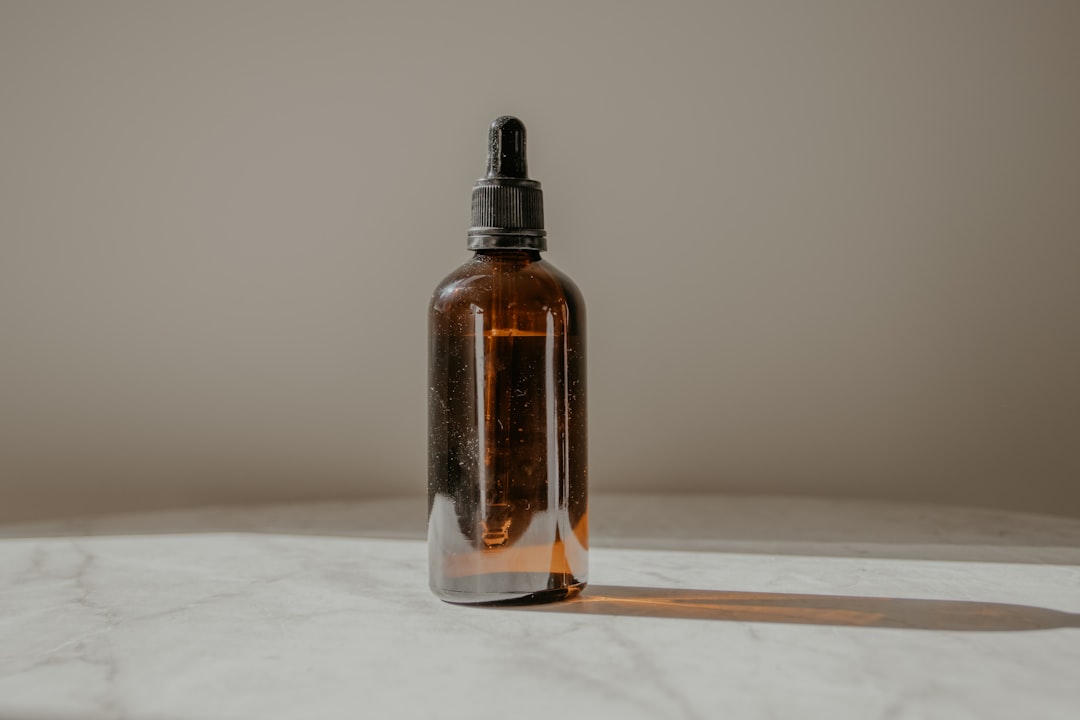
Yellow dock is most often taken as a 1:5 tincture in an amber dropper bottle.
The reputation of yellow dock root for iron rests on two groups of constituents. They work together, and no single compound carries the effect.
Anthraquinones move the bowel
The first group, the anthraquinones, includes emodin and chrysophanol. Rhubarb root and senna contain the same class of compounds. They stimulate movement in the large intestine. Yellow dock holds them in modest amounts. As a result, herbalists describe its action as gentle and gradual rather than purgative.
Bitters, stomach acid, and iron
The second group is the bitter compounds. Bitters hit the taste receptors at the back of the tongue. That triggers a vagus nerve reflex, which raises stomach acid, bile flow and enzyme output. Here is where it gets interesting for iron. Non-heme iron, the kind in plant foods, needs an acidic stomach to absorb well. Low stomach acid is a well-known reason iron-rich food never reaches the blood. A bitter herb taken before meals therefore works upstream of the problem. It does not simply add more iron on top of it. Our guide to dandelion root for liver health covers the same bitter reflex in more detail.
Tannins, oxalates, and the skin connection
The root also carries tannins, which tighten and tone gut tissue, plus oxalic acid. That oxalic acid explains two cautions. People do not eat the leaves in quantity, and anyone prone to oxalate kidney stones avoids the herb.
So what does this mean for skin? Traditional herbalism ties chronic skin conditions to sluggish elimination. The reasoning runs like this: waste the bowel and liver fail to clear efficiently burdens the skin instead. Yellow dock supports bile flow and bowel movement at once, so it became the classic answer to that pattern. Furthermore, traditional formulas rarely used it alone. Burdock, red clover or nettle almost always joined it.
The key takeaway: yellow dock root for iron is really a digestive herb. Its benefit to iron status is indirect. Modern clinical research on the plant stays thin, so its standing rests on a long, consistent record of traditional use.
How to Use Yellow Dock Root for Iron Support
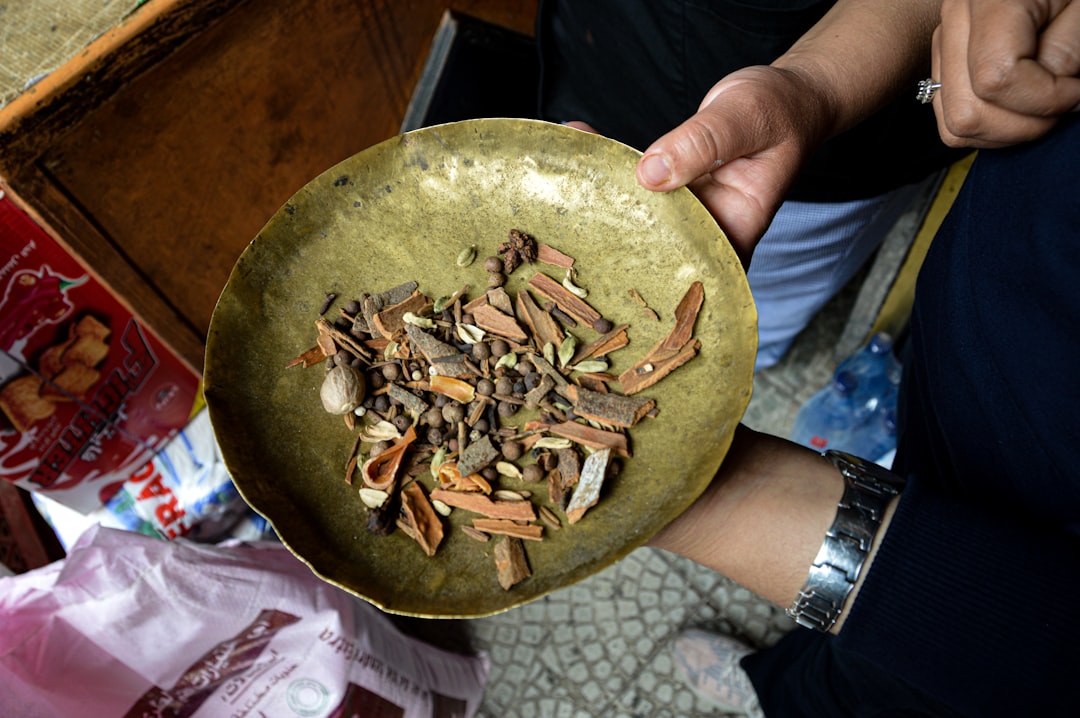
Dried yellow dock root is dense and woody, so it needs a long simmer to extract as a tea.
People take yellow dock root for iron and digestive support in three main forms. The form changes the experience considerably.
Tincture
Most people choose a tincture. An alcohol extract captures both the bitter compounds and the anthraquinones. Because you taste it, the bitter reflex actually fires. A capsule loses most of that point. Herbal Clinic prepares yellow dock as a 1:5 tincture. We set the alcohol percentage for a dense root rather than apply one blanket standard.
Decoction and syrup
Yellow dock root is woody, so a quick steep does very little. Traditional preparation simmers the chopped root for fifteen to twenty minutes with the lid on. The result tastes dark, earthy and firmly bitter. In addition, many people blend it with a sweeter root such as licorice, or with a mint.
The old iron-building preparations often took the form of syrups. Cooks reduced a strong decoction with blackstrap molasses. Molasses brings its own iron, and the syrup keeps well. That combination stayed popular for a long time.
Timing, cautions, and sourcing
Here is a practical note on timing. Bitters work by triggering a reflex before food arrives. Traditional practice therefore takes them ten to fifteen minutes before a meal. Consequently, pairing yellow dock with an iron-rich meal matches how the herb earned its reputation.
Yellow dock does not suit indefinite daily use. Traditional practice gives anthraquinone plants in courses of a few weeks with breaks between. Tradition also avoids the herb in pregnancy, in kidney stone conditions, and for anyone with a history of oxalate problems. However, we do not give dosing guidance. Please read our disclaimer and speak with a practitioner about your own situation.
One note on sourcing. Yellow dock grows commonly, so quality varies widely. We source root that meets proper identification, cleaning and cutting standards. Our herbalists check every batch organoleptically, and a third-party lab tests it before we bottle it.
FAQ
- Superior Sourcing: Our herbs are sourced from all over the world to avoid seasonal fluctuations in availability, keeping herbs accessible. Our suppliers meet strict standards that ensure top quality herbs, most of which are organic, wildcrafted, sustainably grown, or grown using permaculture. We support local farmers and grow many of our own herbs.
- Superior Processing: Our tinctures are made using the classic tincturing method. The tinctures are made in a 1:5 ratio which allows for the optimal extraction of the herb. The alcohol percentage is strictly controlled depending on the herb and part of the plant that is used.
- Superior Selection: We take pride in our growing selection of over 300 individual herbs. If we don’t carry the herb you’re seeking, we can likely track it down for you.
- Superior Quality Control: Our tinctures are thoroughly tested by a third-party lab and with an organoleptic evaluation by our team of herbalists prior to final bottling.
- Superior Price: Our tinctures are more cost-effective than other tinctures on the market. With an eye towards efficiency, we keep our costs low by maintaining good relationships with our wide network of suppliers and ordering herbs in bulk quantities.
- We Care About the Environment: We repackage materials that are shipped to us (so don’t be surprised if our packages look different from time to time!). We recycle or reuse materials whenever possible. We turn the cardboard we receive from other suppliers into packing material. We donate to avoid waste to groups like Naturopaths Without Borders. Our workforce almost completely uses public transportation or bikes. We are powered using 100% renewable energy through Bullfrog Power.
- We Donate To Charity: We support many causes that make the world better. We donate a portion of our profits or products. These include charities that support environmental and natural sustainability.
Set up an online account and order through the website. If you don’t have an account and place an order, one will be created for you.
Click here to subscribe to our mailing list.
Our products are made in Toronto, Ontario, Canada by a team of Herbalists and Naturopathic Doctors. The herbs and ingredients we use to make our products are sourced both locally and globally to keep herbs accessible and sustainable.
The majority of our herbs are certified organic, sustainably wildcrafted, or come from small-scale local organic farms that do not yet have organic certification. We always do our best to provide organic herbs in your formulas. We work with a variety of suppliers to keep costs low.
Although most of our products do not contain gluten, we do not have gluten-free certification for our production facility. Feel free to ask about any specific products and we’ll share whatever information we have available.
For liability and regulatory reasons, we don’t make any claims as to how our herbs should be used, including dosing recommendations. Please review our disclaimer, as well as our terms and policies.