Horse Chestnut for Varicose Veins: Where the Tradition Comes From
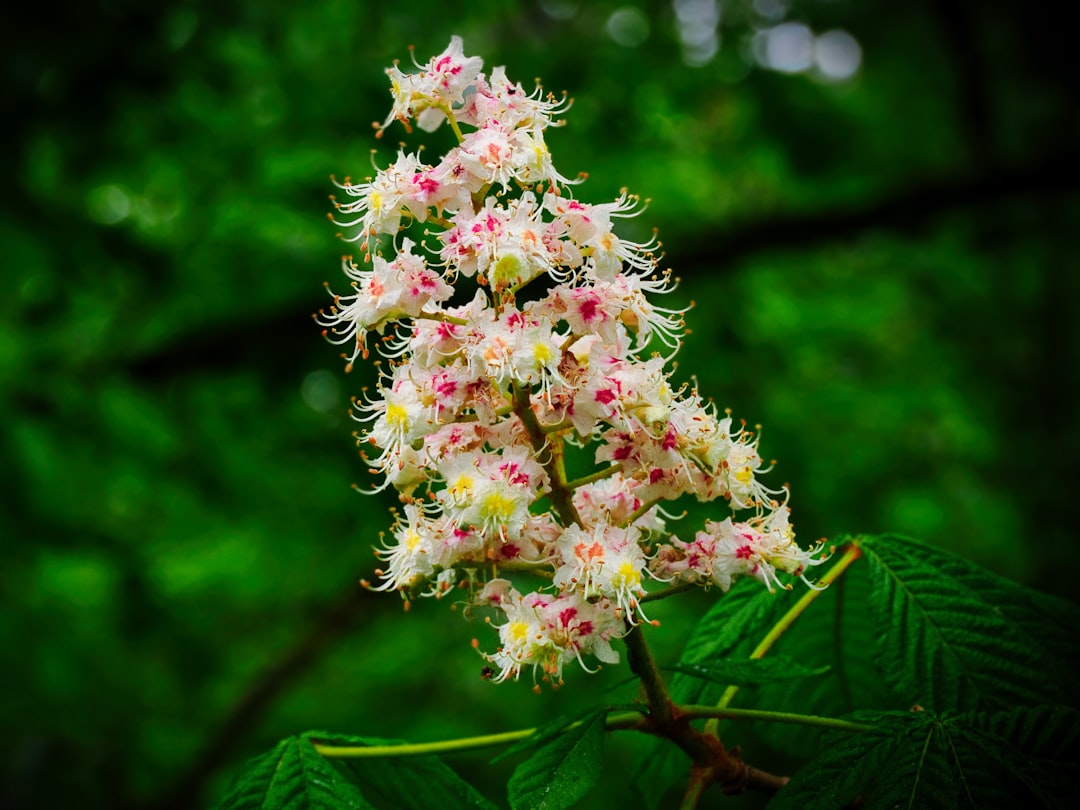
Aesculus hippocastanum in flower. The seed, not the blossom, is the part used.
Horse chestnut for varicose veins ranks among the oldest vein remedies still in daily use. It earned that place slowly, through centuries of European practice.
The tree, Aesculus hippocastanum, belongs to the Sapindaceae family. It comes from the Balkan Peninsula. Today it lines streets and parks across Europe and much of temperate North America.
How to spot the horse chestnut tree
You have almost certainly walked past one. It drops glossy brown nuts, conkers, in early autumn inside a thick spiny husk. In spring it lifts panicles of white flowers, flecked pink and yellow, above wide palmate leaves. Each leaf fans five to seven leaflets from a single stalk.
Here is the part that matters. The seed carries the medicine, not the flower or the bark. Traditional makers dry the ripe nut, then extract it. However, nobody eats the raw nut. Horse chestnut shares no kinship with the edible sweet chestnut, Castanea sativa.
Where the name came from
Moreover, two explanations compete. One traces the name to farmers who fed ground seed to horses for cough. The other points to the small horseshoe scar on the twig where each leaf drops away, nail marks included. Either way, the name stuck.
In addition to its street-tree fame, the herb built a reputation for the lower legs. European herbalists reached for it when legs ached and felt heavy, and when veins showed. They used it for hemorrhoids too. Our monograph names the primary action astringent, the secondary action vascular tonic, and the affinity vascular.
What sets horse chestnut for varicose veins apart
So the sources agree. Horse chestnut for varicose veins acts on the vessel wall itself. It differs from a circulatory stimulant like cayenne, and from a heart tonic like hawthorn. That narrow focus explains its long run in the materia medica.
Properties and Constituents Behind Horse Chestnut for Varicose Veins

The ripe seed is dried and extracted. It is not an edible nut.
Tradition describes horse chestnut for varicose veins as astringent and toning, not stimulating. The constituent profile fits that description. The seed carries plenty of tannins, which supply the astringency. It also holds a group of saponins known together as aescin, plus flavonoids and coumarin compounds.
How horse chestnut works for varicose veins
For context, varicose veins start when valves inside a vein stop closing cleanly. Blood pools instead of climbing the leg. Pressure builds, the wall stretches, and small amounts of fluid escape into the surrounding tissue. That leak drives the swelling and the tight, heavy feeling at the end of a long day.
Therefore, tradition credits this herb with tightening that leaky junction. Astringent tannins draw tissue together. Researchers have also studied the saponin fraction for its effect on capillary permeability, meaning how readily fluid slips out of a vessel.
What the research suggests
Furthermore, this herb sits among the better-studied plants in its category. A Cochrane review of chronic venous insufficiency trials found that horse chestnut seed extract eased leg pain, heaviness, and swelling over short-term use. The reviewers called the trials small, and they asked for larger ones.
But there is more to it than the legs. Hemorrhoids present the same problem in a different vein bed. So the herb turns up in traditional hemorrhoid formulas just as often. Our monograph pairs it with Achillea millefolium, yarrow, for exactly that purpose. Salix alba, white willow, can stand in as a substitute.
Why herbalists combine horse chestnut for varicose veins
The key takeaway: this herb tones tissue. It does not thin or move the blood. As a result, most practitioners combine it rather than use it alone. Many pair horse chestnut for varicose veins with a lymphatic such as cleavers when fluid stands in the ankles. Others add a flavonoid-dense berry for broader vessel support. History backs that approach, and it still makes sense.
How Horse Chestnut for Varicose Veins Is Prepared and Used
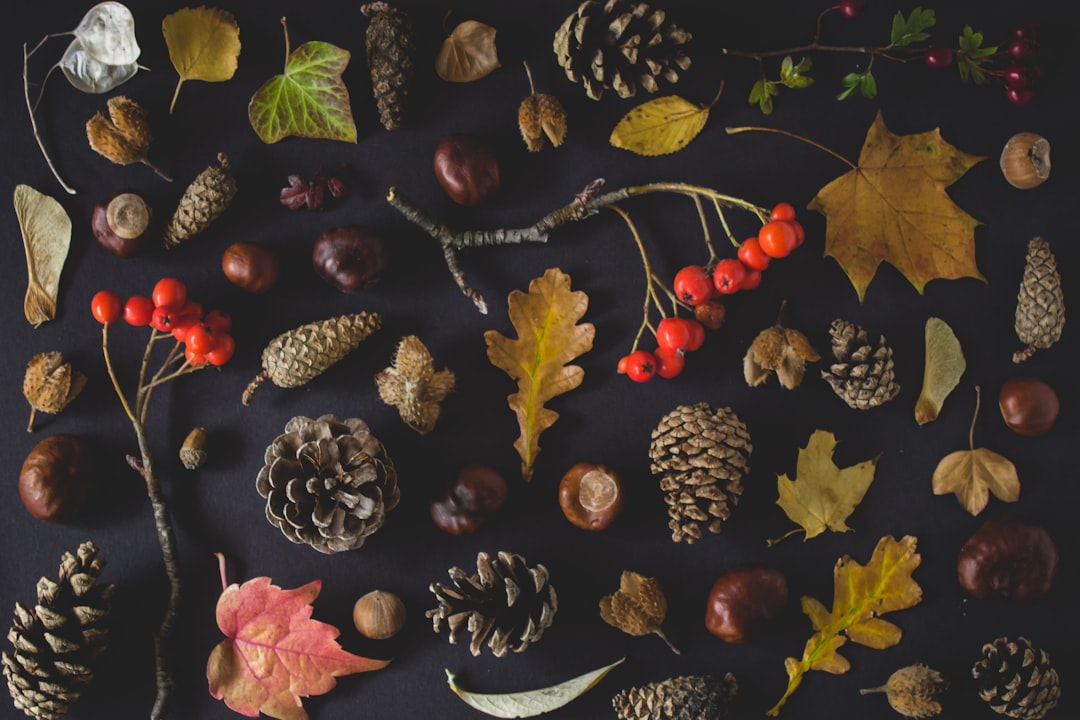
Ripe seed, cleaned and dried, ready for extraction.
Herbalists prepare horse chestnut for varicose veins in three ways: a tincture from the dried seed, a decoction, and a topical cream or balm over the affected area. Tradition uses all three, often together.
Tincture, the most common form of horse chestnut for varicose veins
Horse chestnut seed runs dense and resinous. It needs a well-matched alcohol percentage to release the saponins and tannins cleanly. We make our tinctures at a 1:5 ratio using the classic tincturing method. We set the alcohol strength by the herb and the plant part involved. For a hard seed like this one, that detail changes what ends up in the bottle.
Tea and traditional amounts
In addition, tea is the other traditional route. It stays less popular here because of the taste. The seed tastes sharply astringent and quite bitter, so it usually goes into a blend. Our monograph lists a tea daily dose of 5 to 6 grams and a tincture daily dose of 3 to 12 millilitres. That gives you a sense of traditional scale. We make no dosing recommendations, so please review our disclaimer and speak with a practitioner.
Topical balms
Similarly, the herb also appears in leg and hemorrhoid balms, frequently beside calendula or witch hazel. This is where it gets practical. An astringent on the skin meets the tissue underneath directly, which keeps balms popular for visible veins even alongside a tincture.
Fitting it into a routine
Traditional use stays steady and unhurried, over weeks rather than days. It also assumes the obvious mechanical measures: move the legs, raise them, and avoid standing still for eight hours straight. Furthermore, never eat the raw seed. Only properly prepared extracts belong in a formula.
Finally, we source horse chestnut seed from suppliers who meet our standards for identity and cleanliness. A third-party lab tests every batch, and our herbalists run an organoleptic evaluation before final bottling.
FAQ
- Superior Sourcing: Our herbs are sourced from all over the world to avoid seasonal fluctuations in availability, keeping herbs accessible. Our suppliers meet strict standards that ensure top quality herbs, most of which are organic, wildcrafted, sustainably grown, or grown using permaculture. We support local farmers and grow many of our own herbs.
- Superior Processing: Our tinctures are made using the classic tincturing method. The tinctures are made in a 1:5 ratio which allows for the optimal extraction of the herb. The alcohol percentage is strictly controlled depending on the herb and part of the plant that is used.
- Superior Selection: We take pride in our growing selection of over 300 individual herbs. If we don’t carry the herb you’re seeking, we can likely track it down for you.
- Superior Quality Control: Our tinctures are thoroughly tested by a third-party lab and with an organoleptic evaluation by our team of herbalists prior to final bottling.
- Superior Price: Our tinctures are more cost-effective than other tinctures on the market. With an eye towards efficiency, we keep our costs low by maintaining good relationships with our wide network of suppliers and ordering herbs in bulk quantities.
- We Care About the Environment: We repackage materials that are shipped to us (so don’t be surprised if our packages look different from time to time!). We recycle or reuse materials whenever possible. We turn the cardboard we receive from other suppliers into packing material. We donate to avoid waste to groups like Naturopaths Without Borders. Our workforce almost completely uses public transportation or bikes. We are powered using 100% renewable energy through Bullfrog Power.
- We Donate To Charity: We support many causes that make the world better. We donate a portion of our profits or products. These include charities that support environmental and natural sustainability.
Set up an online account and order through the website. If you don’t have an account and place an order, one will be created for you.
Click here to subscribe to our mailing list.
Our products are made in Toronto, Ontario, Canada by a team of Herbalists and Naturopathic Doctors. The herbs and ingredients we use to make our products are sourced both locally and globally to keep herbs accessible and sustainable.
The majority of our herbs are certified organic, sustainably wildcrafted, or come from small-scale local organic farms that do not yet have organic certification. We always do our best to provide organic herbs in your formulas. We work with a variety of suppliers to keep costs low.
Although most of our products do not contain gluten, we do not have gluten-free certification for our production facility. Feel free to ask about any specific products and we’ll share whatever information we have available.
For liability and regulatory reasons, we don’t make any claims as to how our herbs should be used, including dosing recommendations. Please review our disclaimer, as well as our terms and policies.