Cleavers for Lymphatic Support: Meet the Sticky Weed
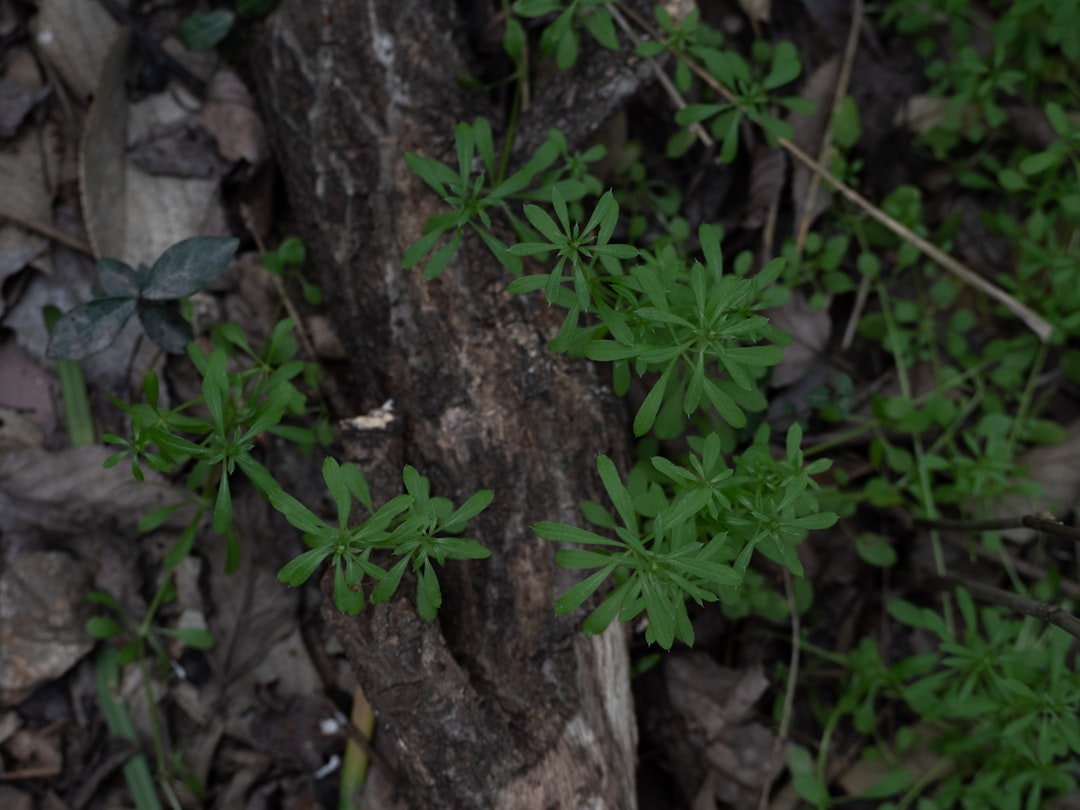
Cleavers (Galium aparine) climbs by clinging to whatever it touches.
Cleavers for lymphatic support is one of the oldest uses of a plant most people know only as the weed that sticks to their socks. Furthermore, that clinging habit gave the plant its name. Galium aparine grabs hold of fences, hedges, and trouser legs with tiny hooked hairs, and herbalists have gathered it every spring for centuries.
Here’s why that matters: the plants that grow everywhere are usually the ones people learned the most about. Cleavers turns up across Europe, North America, and Asia, in hedgerows, along stream banks, and in any damp, disturbed corner of a garden. Consequently, it became a staple of household herbalism long before anyone catalogued its chemistry.
How to Identify Cleavers in the Wild
The plant itself is easy to spot once you know the shape. Square stems sprawl rather than stand upright, sometimes reaching two metres if they have something to lean on. Narrow leaves grow in whorls of six to eight around each node, like spokes on a wheel. In late spring, tiny white four-petalled flowers appear, and round green burrs follow, hitching a ride on any passing animal.
Common names tell you how familiar this plant has been. In addition to cleavers, it goes by goosegrass, sticky willy, catchweed bedstraw, robin-run-the-hedge, and clivers. The plant family is Rubiaceae, which also gives us coffee and madder. Traditionally, herbalists harvest the aerial parts in spring while the plant still runs tender and green, before the burrs form and the stems turn wiry.
The Folk History of Cleavers for Lymphatic Support
Historically, herbalists reached for cleavers for lymphatic support during the seasonal shift from winter to spring. Moreover, British and North American folk practice treated the herb as a spring tonic, taking it as a fresh juice or a simple infusion when the first growth appeared. Galen mentioned it. Culpeper wrote about it at length. The tradition holds remarkably steady across time and geography.
At Herbal Clinic, we work with cleavers because it belongs to that group of quiet, unglamorous herbs herbalists keep coming back to. It lacks the marketing muscle behind ashwagandha or turmeric. However, the folk record speaks for itself.
Benefits and Properties of Cleavers for Lymphatic Support
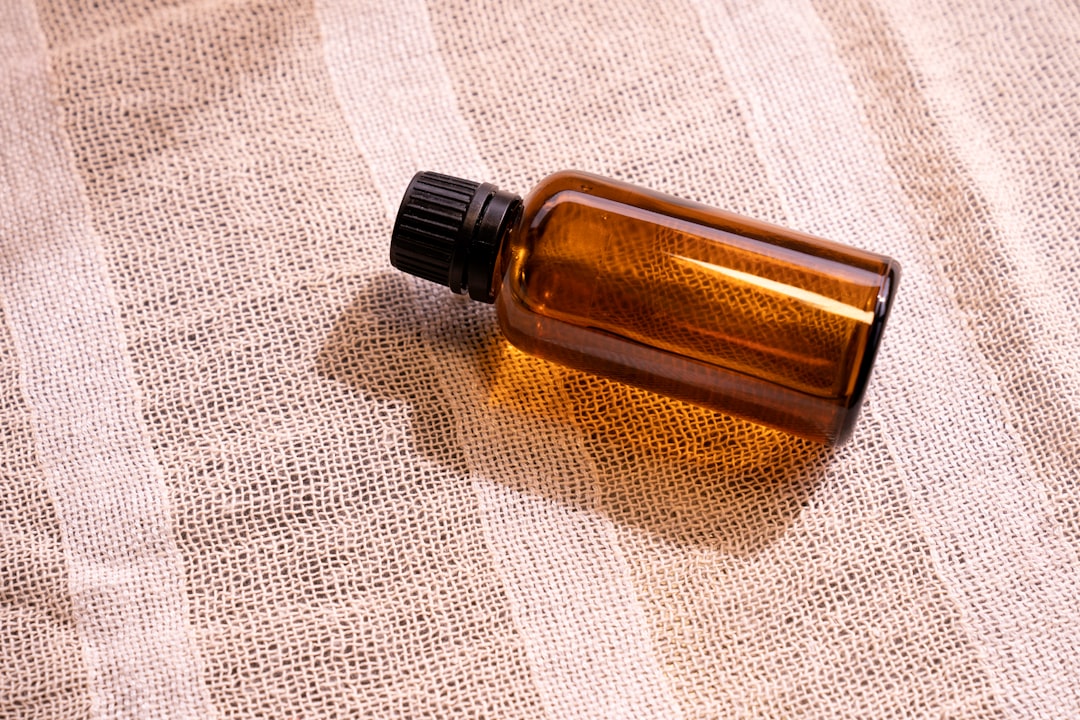
Cleavers is most often prepared as a tincture from the fresh aerial parts.
Traditionally, cleavers for lymphatic support sits in the category herbalists call alteratives, and older texts label these blood cleansers. In addition, the herb carries a long-standing reputation as a gentle diuretic. Both traditional actions point the same direction, which is helping the body move fluid.
So what does this mean for you? The lymphatic system has no pump of its own. Blood has the heart, but lymph moves through muscle contraction, breathing, and gentle pressure. As a result, herbalists have historically favoured plants that encourage fluid movement rather than force it, and cleavers has held that role for a very long time.
Constituents in Galium aparine
Researchers list iridoid glycosides such as asperuloside in Galium aparine, along with coumarins, flavonoids, tannins, and a modest amount of silica. Asperuloside turns up across the whole Rubiaceae family, and it draws most of the attention in the literature. However, the clinical research on cleavers remains thin. Most of what we know comes from traditional use rather than from trials.
What Herbalists Traditionally Use Cleavers For
This is where it gets interesting. Cleavers is one of the few herbs where the traditional record and the plant’s own character line up so plainly. It runs cool, moist, and mild. Herbalists therefore link it to situations they describe as hot, stagnant, or congested, particularly around the skin and the glands. Traditional texts connect it to swollen glands, to skin that flares in patches, and to the sluggish feeling many people report at the end of winter.
Folk practice also connects cleavers to urinary comfort. Because the herb acts as a mild diuretic, herbalists paired it with plenty of water and treated it as a flushing herb rather than a strong one. Furthermore, they often combined it with other lymphatic plants. Red root and phytolacca make the classic partners, and Herbal Clinic carries that traditional pairing as a ready-made combination. If skin is your main concern, burdock root covers similar ground.
The key takeaway: cleavers for lymphatic support works as a gentle, cumulative herb rather than a dramatic one. Practitioners have generally used it over a period of weeks, not as a one-off. Its value always rested on consistency.
How to Use Cleavers for Lymphatic Support

Cleavers is traditionally infused in cool or warm water rather than boiled.
Most people take cleavers for lymphatic support as a tincture, because the fresh plant appears for only a few weeks each spring and it does not dry particularly well. Consequently, a fresh-plant extract captures the herb at its best and keeps it usable year-round. We make our cleavers tincture using the classic 1:5 method, and we match the alcohol percentage to the plant material.
Cold Infusion, the Traditional Preparation
Traditionally, herbalists also took the herb as a cool infusion. Rather than pouring boiling water over it, they steeped the chopped fresh plant in cool or barely warm water for several hours, often overnight. Here’s how it works: heat degrades the mucilage and the more delicate constituents in cleavers, so a long cool steep protects them better than a hard boil. In addition, the resulting drink tastes mild and grassy, which makes it easy to take daily.
Some people juice the fresh plant. This ranks as the most traditional preparation of all, and it still rewards the effort if you have a patch growing nearby and a decent blender. However, spring limits the window, which is precisely why the tincture exists.
Building Cleavers for Lymphatic Support Into a Routine
For a general routine, herbalists typically suggest pairing cleavers with plenty of water through the day. Because the herb acts as a traditional diuretic, hydration forms part of how people used it rather than an afterthought. Moreover, gentle movement, walking, stretching, dry brushing, supports the same fluid dynamics the herb speaks to. Nobody treated the plant as a standalone fix.
Cleavers combines well. Traditional formulas blend it with calendula, burdock, or red clover for skin work, and with red root and phytolacca for glandular work. If you want to build your own blend, our custom formula calculator lets you specify the exact proportions.
We source our cleavers from suppliers who harvest at the right stage, in spring, before the burrs set and the stems go tough. That timing matters more with this herb than with most. As a result, the field decides the difference between a good cleavers extract and a poor one, not the lab.
Please note that we do not make dosing recommendations. Talk to a qualified practitioner about whether cleavers suits you, particularly if you take medication or have a kidney condition.
FAQ
- Superior Sourcing: Our herbs are sourced from all over the world to avoid seasonal fluctuations in availability, keeping herbs accessible. Our suppliers meet strict standards that ensure top quality herbs, most of which are organic, wildcrafted, sustainably grown, or grown using permaculture. We support local farmers and grow many of our own herbs.
- Superior Processing: Our tinctures are made using the classic tincturing method. The tinctures are made in a 1:5 ratio which allows for the optimal extraction of the herb. The alcohol percentage is strictly controlled depending on the herb and part of the plant that is used.
- Superior Selection: We take pride in our growing selection of over 300 individual herbs. If we don’t carry the herb you’re seeking, we can likely track it down for you.
- Superior Quality Control: Our tinctures are thoroughly tested by a third-party lab and with an organoleptic evaluation by our team of herbalists prior to final bottling.
- Superior Price: Our tinctures are more cost-effective than other tinctures on the market. With an eye towards efficiency, we keep our costs low by maintaining good relationships with our wide network of suppliers and ordering herbs in bulk quantities.
- We Care About the Environment: We repackage materials that are shipped to us (so don’t be surprised if our packages look different from time to time!). We recycle or reuse materials whenever possible. We turn the cardboard we receive from other suppliers into packing material. We donate to avoid waste to groups like Naturopaths Without Borders. Our workforce almost completely uses public transportation or bikes. We are powered using 100% renewable energy through Bullfrog Power.
- We Donate To Charity: We support many causes that make the world better. We donate a portion of our profits or products. These include charities that support environmental and natural sustainability.
Set up an online account and order through the website. If you don’t have an account and place an order, one will be created for you.
Click here to subscribe to our mailing list.
Our products are made in Toronto, Ontario, Canada by a team of Herbalists and Naturopathic Doctors. The herbs and ingredients we use to make our products are sourced both locally and globally to keep herbs accessible and sustainable.
The majority of our herbs are certified organic, sustainably wildcrafted, or come from small-scale local organic farms that do not yet have organic certification. We always do our best to provide organic herbs in your formulas. We work with a variety of suppliers to keep costs low.
Although most of our products do not contain gluten, we do not have gluten-free certification for our production facility. Feel free to ask about any specific products and we’ll share whatever information we have available.
For liability and regulatory reasons, we don’t make any claims as to how our herbs should be used, including dosing recommendations. Please review our disclaimer, as well as our terms and policies.