Posted on

Gui Pi Tang for Fatigue, Anxiety and Poor Memory

Gui Pi Tang for Fatigue, Anxiety and Poor Memory: A Classical Chinese Formula

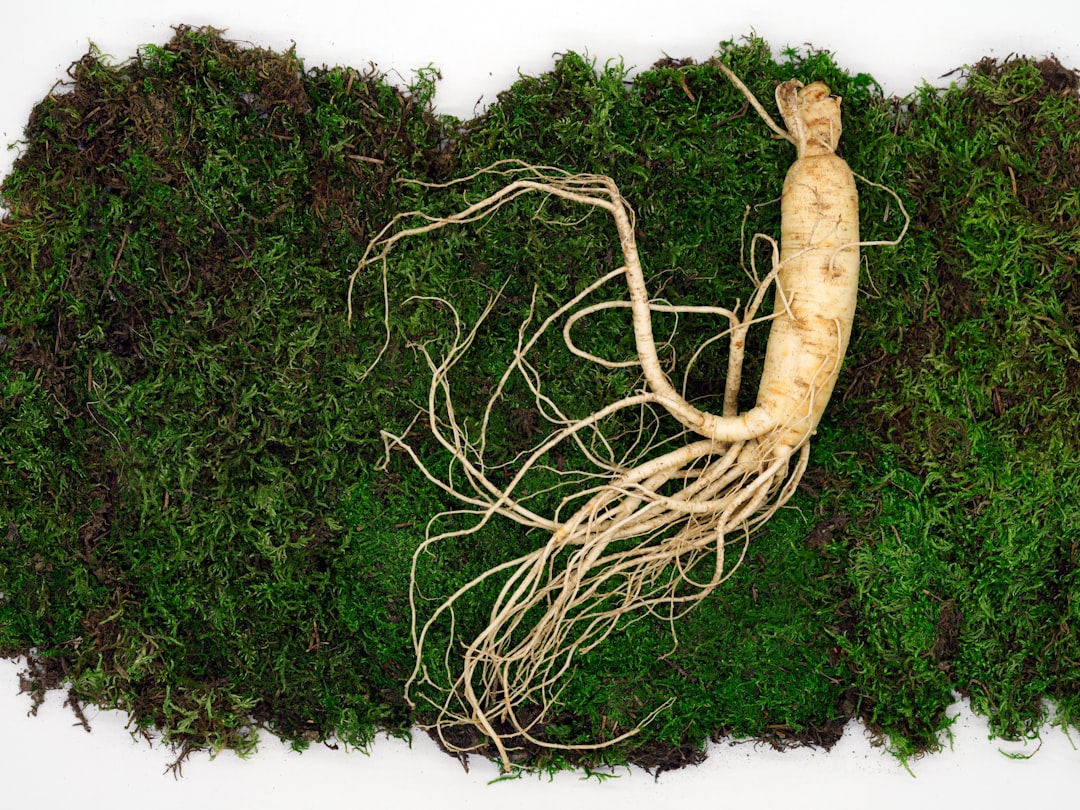
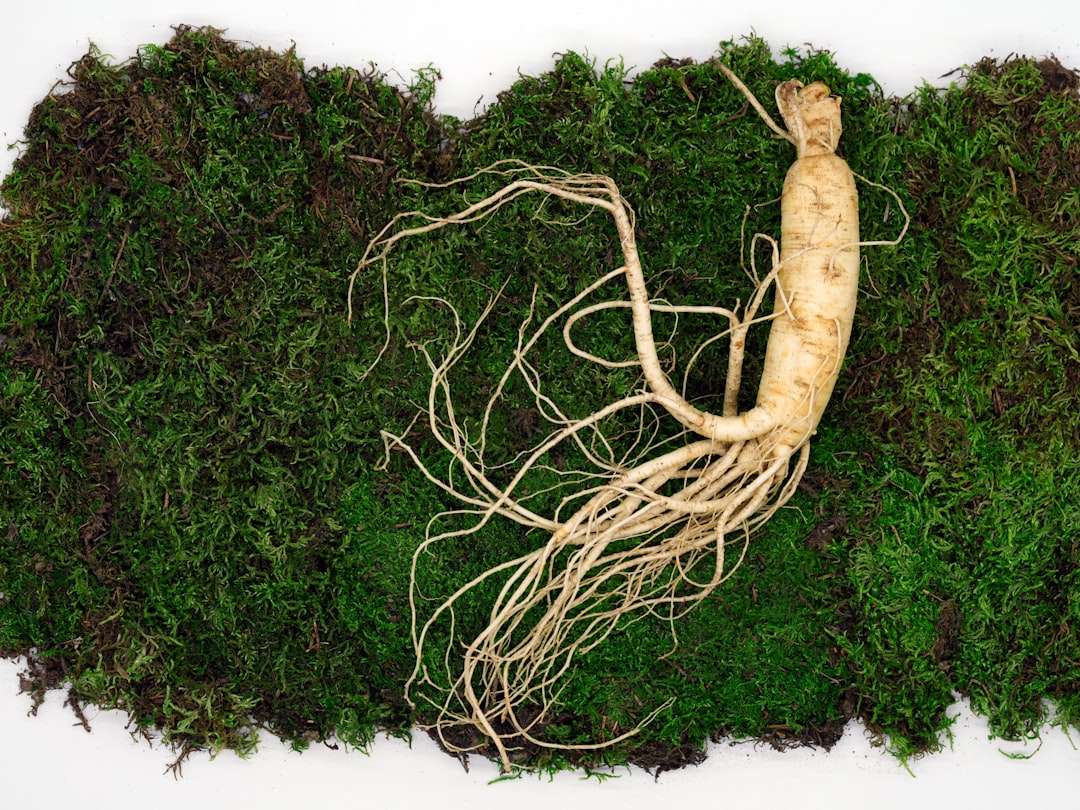
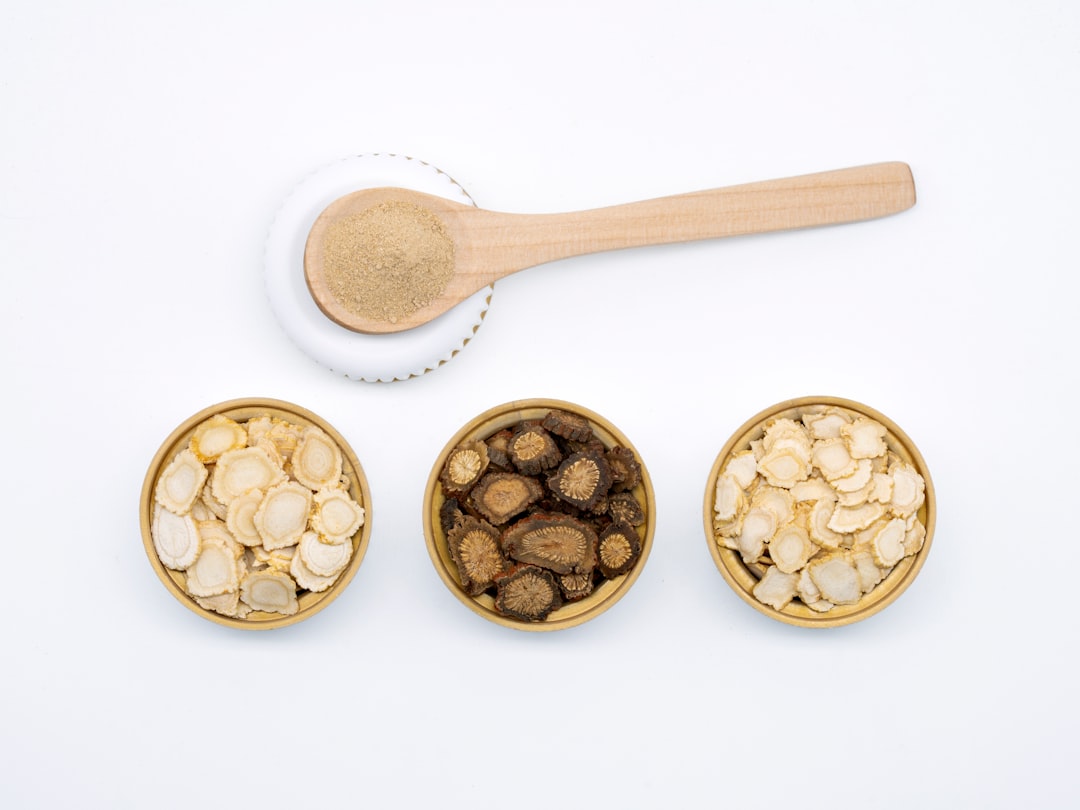
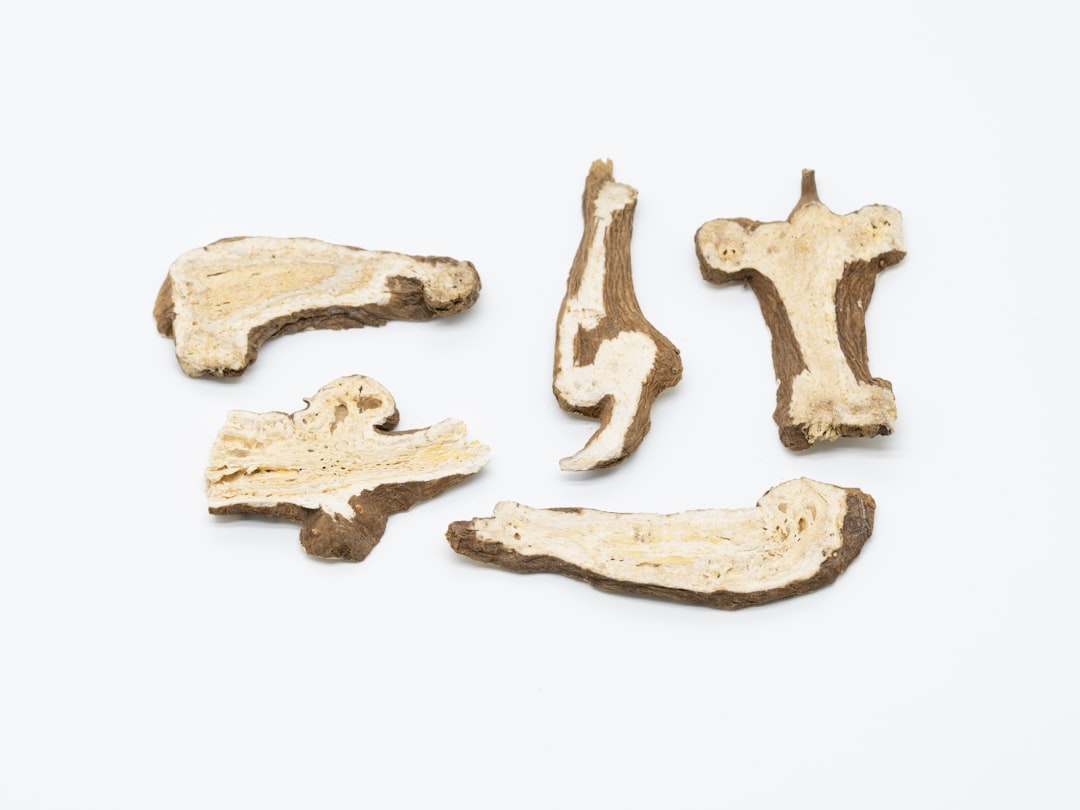
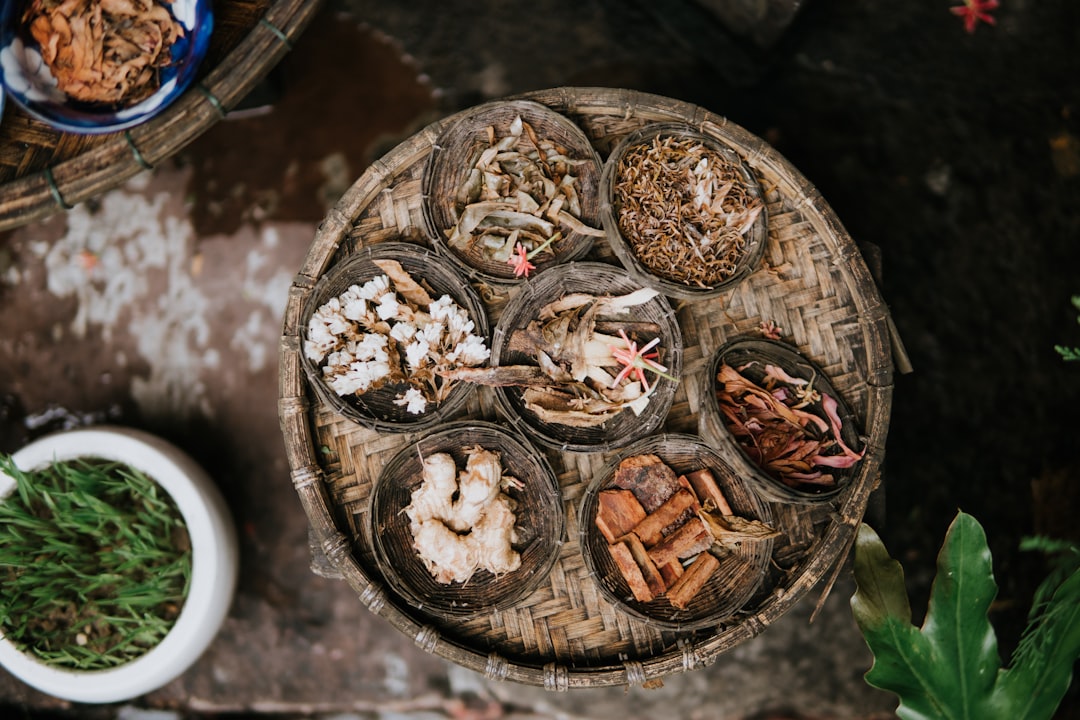
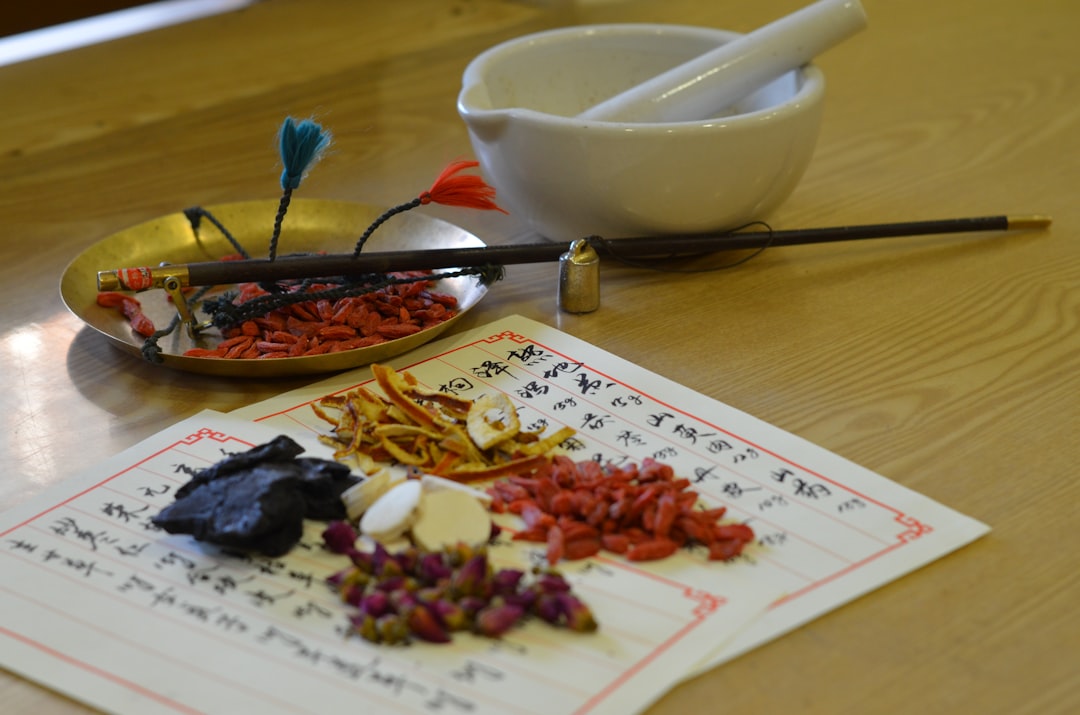
Chinese herbal medicine ingredients used in gui pi tang for fatigue anxiety and poor memory

Gui pi tang for fatigue, anxiety and poor memory draws on twelve classical Chinese herbs to rebuild Qi and Blood.

Gui pi tang for fatigue, anxiety and poor memory is one of the most enduring classical Chinese formulas. Physician Yan Yonghe recorded it in his 1253 text Jisheng Fang, and practitioners have used it continuously for nearly 800 years.

The formula’s Chinese name translates roughly as “Restore the Spleen Decoction” — a name that points directly to its underlying logic. In Traditional Chinese Medicine (TCM), the Spleen transforms food into Qi (vital energy) and Blood. Overwork, chronic stress, poor diet, or prolonged illness can deplete the Spleen. As a result, the body cannot generate enough Blood to nourish the Heart.

The Heart-Spleen Connection

In TCM theory, the Heart houses the Shen — the mind, consciousness, and emotional life. A Heart well-nourished by Blood stays calm, focused, and grounded. However, when Blood is deficient, the Heart becomes anxious, forgetful, and exhausted. This is the core pattern Gui Pi Tang addresses: Heart and Spleen Deficiency.

The Twelve Herbs: Two Groups, One Formula

The formula contains twelve herbs in two overlapping groups. A tonifying group — Ren Shen (ginseng), Huang Qi (astragalus), Bai Zhu (white atractylodes), and Zhi Gan Cao (honey-fried licorice) — rebuilds Spleen Qi and restores the body’s capacity to generate energy. Nourishing Blood and calming the mind, a second group — Dang Gui (dong quai), Long Yan Rou (longan flesh), and Suan Zao Ren (sour jujube seed) — addresses the Heart directly. Furthermore, Yuan Zhi (polygala) and Fu Ling (poria) settle the Shen, while Mu Xiang (costus) prevents the tonics from causing stagnation.

Therefore, rather than sedating anxiety or stimulating energy by other means, Gui Pi Tang rebuilds the Qi and Blood deficiency that gives rise to all three complaints at once.

How Gui Pi Tang Supports Memory, Anxiety and Energy

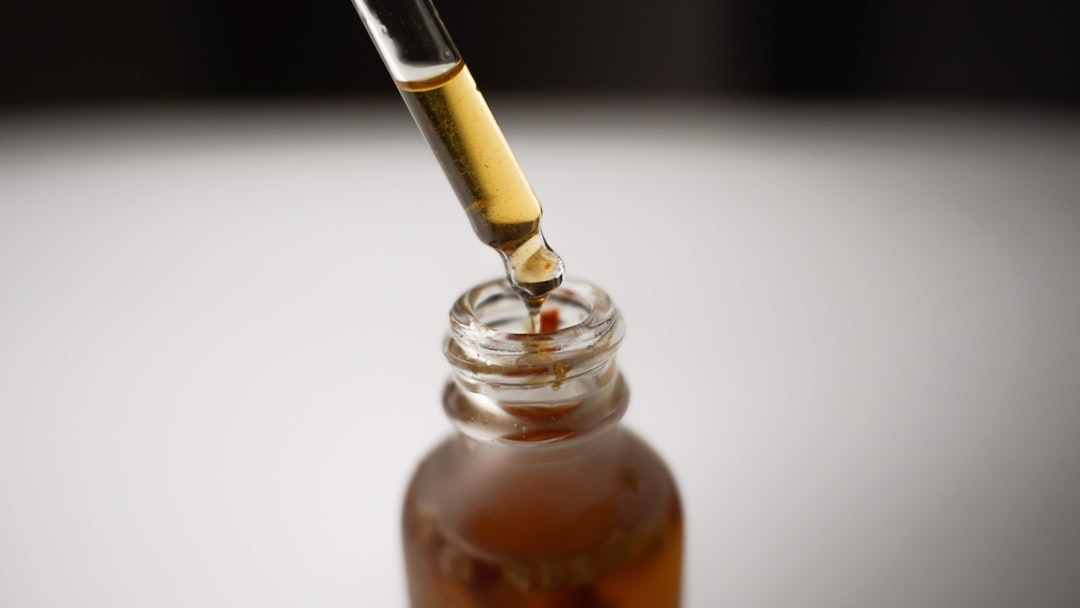
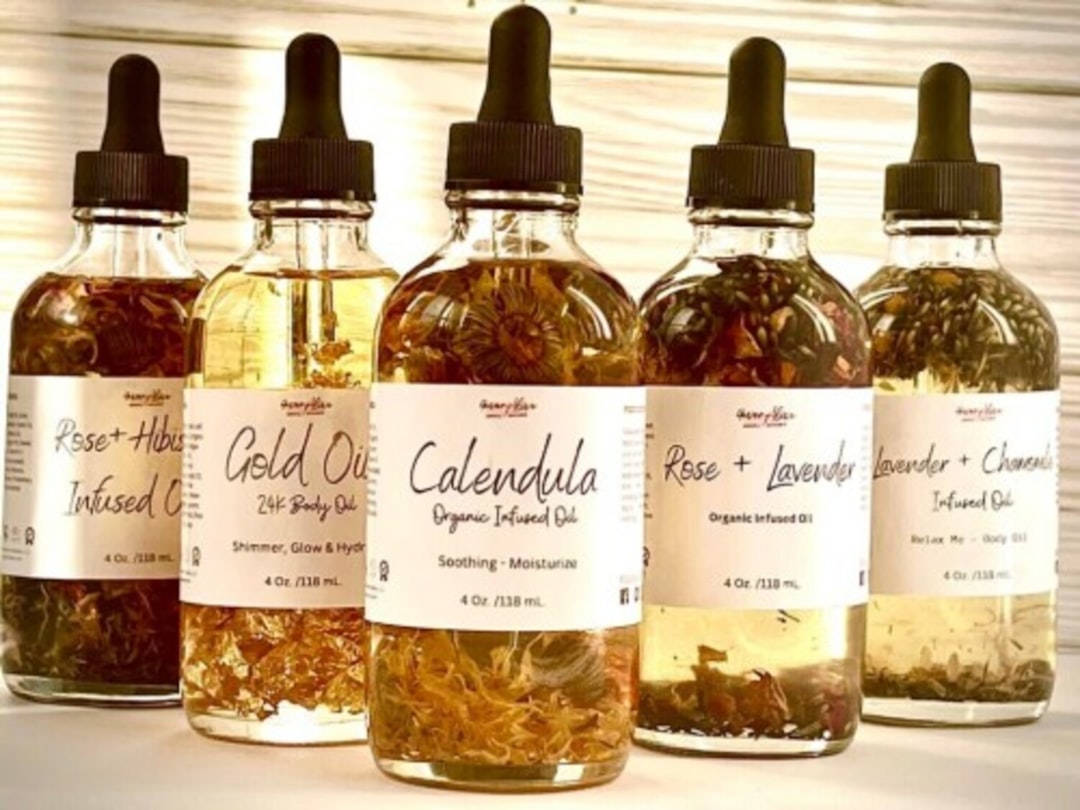
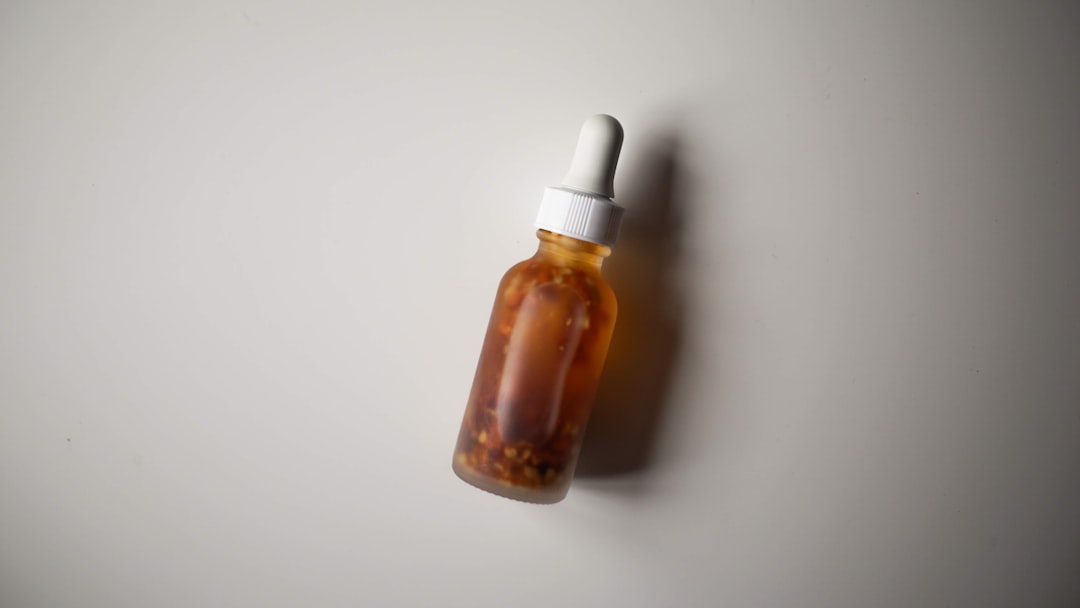
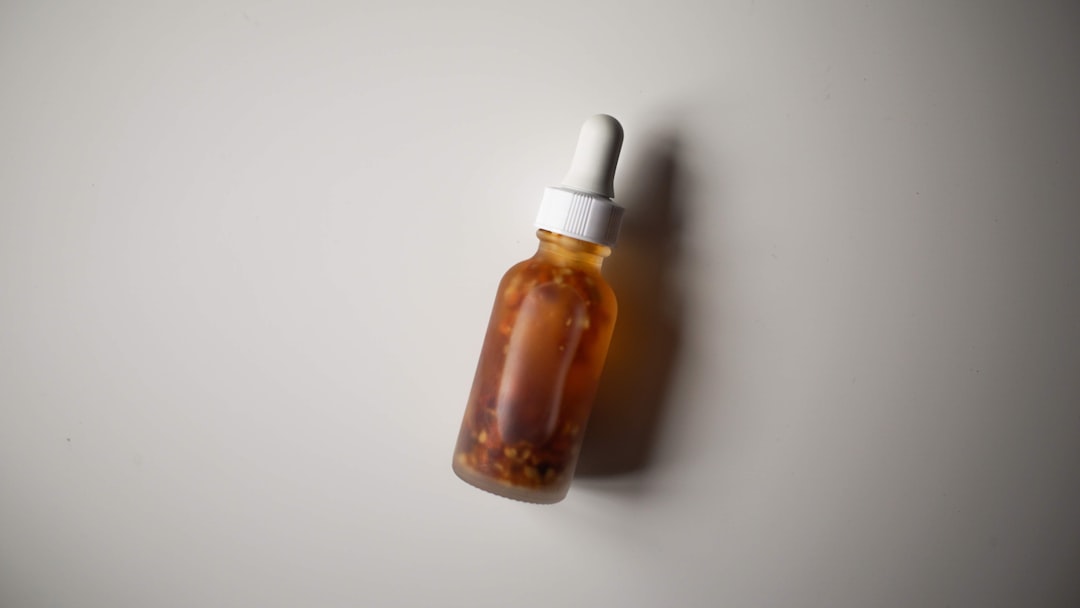
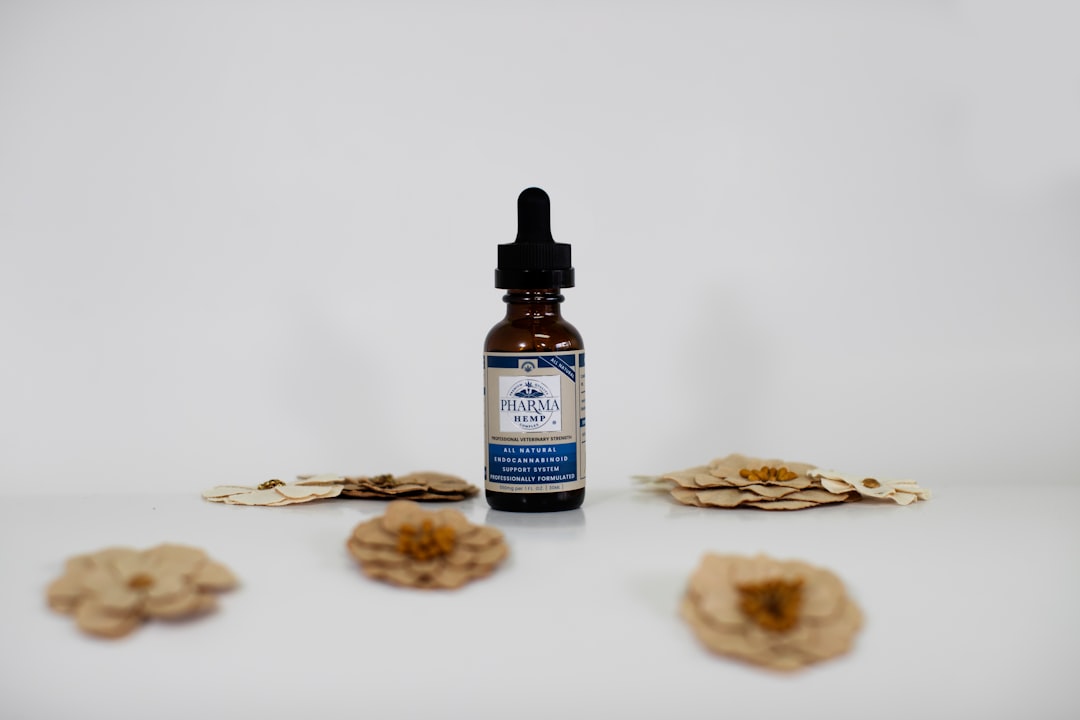
Herbal tincture bottle representing gui pi tang benefits for fatigue and anxiety

Gui Pi Tang is taken as a tincture for convenient daily use.

Gui pi tang for fatigue, anxiety and poor memory maps onto a very specific clinical picture, and understanding that picture helps explain why this formula works when the pattern fits.

The Symptoms of Heart-Spleen Deficiency

The fatigue associated with Heart-Spleen Deficiency has a characteristic quality: it worsens with mental effort. In TCM, thinking, studying, worrying, and processing emotion are all Spleen functions. They draw on the same Qi and Blood reserves as physical work. Consequently, when those reserves run low, concentration becomes effortful and memory unreliable. Indeed, some practitioners describe this as “overthinking depleting the Spleen” — mind and body exhaust each other in a cycle.

The anxiety in this pattern is not agitated or restless — it tends towards worry, low-grade apprehension, and unease that worsens when the body is already tired. Heart palpitations (typically mild, occurring at rest or at night) are common. Disrupted sleep also accompanies the pattern: difficulty falling asleep, vivid dreaming, or waking in the early morning. Additionally, a pale complexion and poor appetite often complete the picture.

Key Herbs and Their Actions in Gui Pi Tang

The key herbs in Gui Pi Tang address these symptoms through overlapping actions. Suan Zao Ren (sour jujube seed) is specifically indicated for anxiety and insomnia from Blood deficiency — research on jujuboside A, one of its active saponins, suggests it may modulate GABAergic activity, which provides a plausible basis for its traditional calming effects. Long Yan Rou and Dang Gui add further Blood nourishment. Furthermore, studies associate Ren Shen (ginseng) with improved cognitive function and reduced mental fatigue. Yuan Zhi (polygala) anchors the Shen and is traditionally used to strengthen memory and ease anxiety.

The key takeaway: Gui Pi Tang is not a single-target formula. It is calibrated for a specific pattern of depletion. When the pattern matches, the clinical response can be meaningful. Without a matching pattern, however, the formula will have little effect — which is exactly why accurate TCM pattern recognition matters.

How to Use Gui Pi Tang for Fatigue and Anxiety: Forms and What to Expect

Woman resting outdoors representing recovery from fatigue with gui pi tang

Gui Pi Tang is slow medicine — designed to rebuild deficiency over weeks, not days.

Gui pi tang for fatigue, anxiety and poor memory is available in several forms. Traditionally, practitioners prepared it as a water decoction — herbs simmered for 30 to 40 minutes and taken as warm tea twice daily. This remains the most flexible method in classical clinical practice.

In modern practice, granules (concentrated freeze-dried extracts) and tinctures are the more practical choices for most people. Granules dissolve in warm water and deliver a strong extract without any preparation time. Similarly, tinctures allow easy daily use and straightforward adjustment of the amount taken.

Gui Pi Tang as a Tonic: What to Expect

Gui Pi Tang works over a sustained period — weeks to months rather than days — because it addresses an underlying deficiency, not an acute condition. Tonic formulas in Chinese medicine are slow by design. Most people notice improvement in sleep and anxiety first, with mental clarity following over several weeks of consistent use.

Herbal Clinic prepares Gui Pi Tang as a full classical twelve-herb tincture in appropriate proportions — not a simplified extract or partial blend. Maintaining the full formula preserves the synergistic herb relationships that make Gui Pi Tang clinically meaningful rather than a collection of isolated extracts. Moreover, it fits easily into a daily routine with no preparation required.

Although Gui Pi Tang is a tonic formula, it works best alongside attention to the lifestyle factors that deplete Spleen Qi: irregular meals, excessive screen time, chronic worry, and insufficient rest. The formula does its best work in combination with these adjustments, not instead of them.

As with all TCM formulas, working with a licensed practitioner to confirm the pattern is the most reliable approach — especially for complex or long-standing presentations.

FAQ

  • Superior Sourcing: Our herbs are sourced from all over the world to avoid seasonal fluctuations in availability, keeping herbs accessible. Our suppliers meet strict standards that ensure top quality herbs, most of which are organic, wildcrafted, sustainably grown, or grown using permaculture. We support local farmers and grow many of our own herbs.
  • Superior Processing: Our tinctures are made using the classic tincturing method. The tinctures are made in a 1:5 ratio which allows for the optimal extraction of the herb. The alcohol percentage is strictly controlled depending on the herb and part of the plant that is used.
  • Superior Selection: We take pride in our growing selection of over 300 individual herbs. If we don’t carry the herb you’re seeking, we can likely track it down for you.
  • Superior Quality Control: Our tinctures are thoroughly tested by a third-party lab and with an organoleptic evaluation by our team of herbalists prior to final bottling.
  • Superior Price: Our tinctures are more cost-effective than other tinctures on the market. With an eye towards efficiency, we keep our costs low by maintaining good relationships with our wide network of suppliers and ordering herbs in bulk quantities.
  • We Care About the Environment: We repackage materials that are shipped to us (so don’t be surprised if our packages look different from time to time!). We recycle or reuse materials whenever possible. We turn the cardboard we receive from other suppliers into packing material. We donate to avoid waste to groups like Naturopaths Without Borders. Our workforce almost completely uses public transportation or bikes. We are powered using 100% renewable energy through Bullfrog Power.
  • We Donate To Charity: We support many causes that make the world better. We donate a portion of our profits or products. These include charities that support environmental and natural sustainability.

Set up an online account and order through the website. If you don’t have an account and place an order, one will be created for you.

Our products are made in Toronto, Ontario, Canada by a team of Herbalists and Naturopathic Doctors. The herbs and ingredients we use to make our products are sourced both locally and globally to keep herbs accessible and sustainable.

The majority of our herbs are certified organic, sustainably wildcrafted, or come from small-scale local organic farms that do not yet have organic certification. We always do our best to provide organic herbs in your formulas. We work with a variety of suppliers to keep costs low.

Although most of our products do not contain gluten, we do not have gluten-free certification for our production facility. Feel free to ask about any specific products and we’ll share whatever information we have available.

For liability and regulatory reasons, we don’t make any claims as to how our herbs should be used, including dosing recommendations. Please review our disclaimer, as well as our terms and policies.
Posted on

Jia Wei Xiao Yao San for Liver Qi and Stress: The Complete Guide

Jia Wei Xiao Yao San for Liver Qi and Stress: What Is the Modified Free and Easy Wanderer?

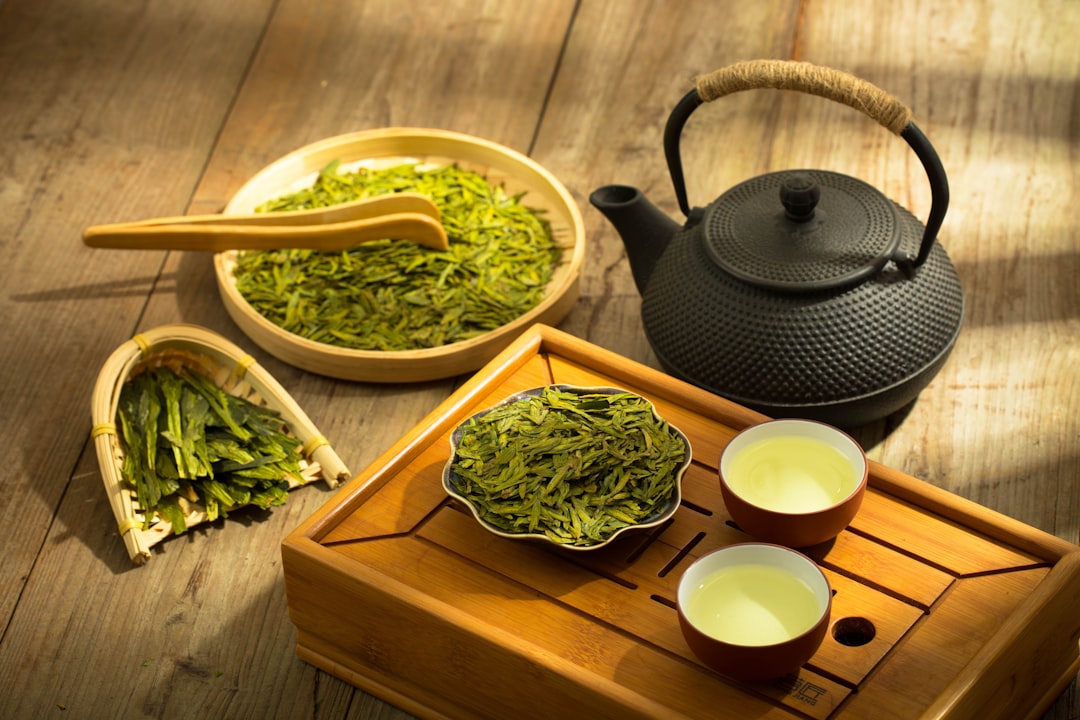
Jia wei xiao yao san for liver qi and stress — traditional Chinese herbal tea preparation

Jia Wei Xiao Yao San is traditionally prepared as a decoction and is now available in concentrated granule and tincture forms.

Jia wei xiao yao san for liver qi and stress is one of the most widely prescribed classical Chinese herbal formulas in modern integrative practice. Practitioners have used it for over a thousand years to address Liver Qi stagnation with Blood deficiency and depressive heat. As a result, this formula has an unusually broad range of clinical applications spanning physical, emotional, and hormonal domains.

The formula originates from the Song Dynasty text Tàipíng Huìmín Hé Jì Jú Fāng, compiled in 1107 CE. Its foundation is Xiao Yao San — the Free and Easy Wanderer — one of the cornerstone formulas in classical Chinese medicine. The “jia wei” (added ingredients) version, however, builds on this base with two additional herbs. Mu Dan Pi (Tree Peony bark) and Zhi Zi (Gardenia fruit) clear the heat that accumulates when Liver Qi has been constrained for a prolonged period. Therefore, these additions make the formula appropriate when irritability with heat signs, night sweating, or restless sleep accompany the baseline pattern.

Formula Composition: All Ten Herbs

Each herb plays a specific role within the formula. Together, they address the full triad of Liver Qi stagnation, Blood deficiency, and Spleen Qi weakness:

  • Chai Hu (Bupleurum root) — spreads Liver Qi and relieves constraint and depression
  • Bai Shao (White Peony root) — nourishes Liver Blood and softens Liver Qi
  • Dang Gui (Dong Quai root) — nourishes and gently moves Blood
  • Bai Zhu (White Atractylodes rhizome) — tonifies Spleen Qi to support digestion and energy
  • Fu Ling (Poria) — calms the Shen (spirit) and strengthens Spleen function
  • Gan Cao (Honey-fried Licorice root) — harmonizes the formula and moderates the action of other herbs
  • Sheng Jiang (Fresh Ginger rhizome) — warms digestion and prevents cloying from the Blood tonics
  • Bo He (Peppermint) — lightly disperses Liver constraint and clears mild heat
  • Mu Dan Pi (Tree Peony bark) — clears heat from the Liver and Blood
  • Zhi Zi (Gardenia fruit) — clears depressive heat and calms restlessness

In TCM five-element theory, spring is governed by the Liver and Gallbladder. Consequently, Liver Qi naturally rises with the season, and any pre-existing constraint tends to become more pronounced. When that rising movement meets stress, frustration, or suppressed emotion, the symptoms this formula addresses often intensify. For this reason, jia wei xiao yao san is particularly relevant during the seasonal shift into spring. Additionally, complementary TCM sleep formulas such as Suan Zao Ren Tang address overlapping patterns when Heart Blood deficiency is prominent alongside Liver constraint.

What Jia Wei Xiao Yao San for Liver Qi Stagnation and Stress Is Used For

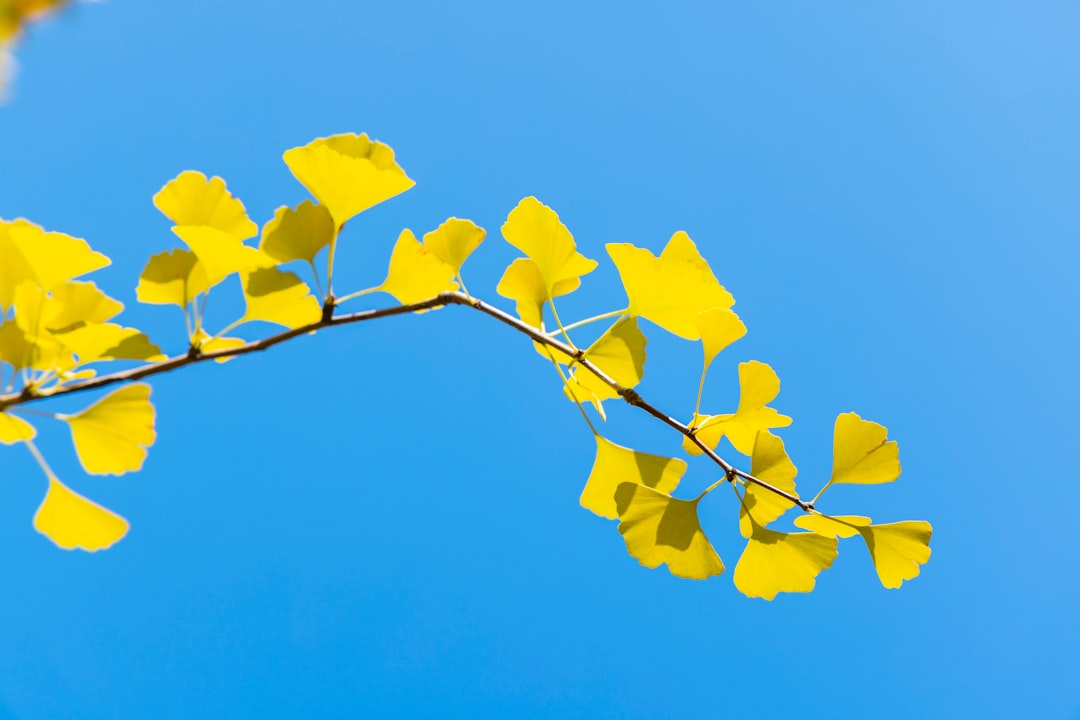
Jia wei xiao yao san herbal ingredients for liver qi stagnation

The formula’s ten herbs work together to spread Liver Qi, nourish Blood, and clear depressive heat.

Jia wei xiao yao san for liver qi and stress is indicated for a wide range of conditions that TCM practitioners attribute to this specific pattern. The formula’s clinical versatility stems directly from the pattern itself: Liver Qi stagnation, Blood deficiency, and heat frequently co-occur, spanning physical, emotional, and hormonal domains simultaneously.

Here’s how it works: the Liver in TCM governs the smooth flow of Qi throughout the body. Chronic stress, unresolved emotion, or prolonged irregular habits disrupt that flow and cause Qi to stagnate. Over time, stagnant Qi generates heat. Furthermore, because the Liver stores Blood and depends on adequate Blood to function smoothly, Blood deficiency worsens the stagnation. The result is a recognizable constellation: irritability, anxiety, mood instability, fatigue, disrupted sleep, breast tenderness, and digestive irregularity.

The formula addresses each of these mechanisms directly. Chai Hu and Bo He spread and course Liver Qi, relieving the constrained feeling that presents as chest tightness, sighing, or emotional flatness. Moreover, Bai Shao and Dang Gui nourish Liver Blood, addressing the deficiency underlying fatigue and emotional fragility. Additionally, Mu Dan Pi and Zhi Zi clear the secondary heat — reducing the irritability, flushing, and insomnia that develop as stagnation persists.

But there’s more to it than Liver action alone. Bai Zhu and Fu Ling support Spleen Qi alongside the Liver-focused herbs. In TCM pathology, a constrained Liver commonly invades the Spleen — producing bloating, irregular bowel, poor appetite, and fatigue rooted in digestive weakness. Consequently, by tonifying the Spleen while coursing the Liver, the formula addresses both the causative pattern and its downstream effects in one prescription.

Traditional Indications and Clinical Applications

Classical clinical indications for the formula include:

  • Premenstrual syndrome — mood changes, breast distension, abdominal bloating, irregular cycles
  • Perimenopausal symptoms — irritability, night sweating, sleep disturbance with heat sensations
  • Anxiety and low mood associated with chronic stress and Liver Qi constraint
  • Stress-related digestive symptoms — bloating, irregular bowel, appetite fluctuation
  • Fatigue patterns rooted in Liver Blood and Spleen Qi deficiency
  • Restless sleep or early waking with a sensation of heat

Contemporary research has examined jia wei xiao yao san’s effects on anxiety and depression. Specifically, several peer-reviewed meta-analyses indexed at the National Institutes of Health report meaningful clinical outcomes. These results corroborate what practitioners have observed across centuries: the formula works because it matches an underlying TCM diagnosis, not because a single constituent targets a single symptom. For comparison, the related formula Suan Zao Ren Tang addresses Heart Blood deficiency and insomnia more narrowly; therefore, jia wei xiao yao san is the better choice when Liver Qi constraint is the root of the presentation.

How to Use Jia Wei Xiao Yao San

Traditional Chinese medicine formula preparation bowl

Jia Wei Xiao Yao San is available at Herbal Clinic as a liquid tincture prepared using the classical tincturing method.

Jia wei xiao yao san for liver qi and stress is a pattern-based formula, not a symptom-targeted supplement. Traditionally, practitioners prepared it as a decoction — raw herbs simmered in water. In modern practice, it is available in several convenient forms: concentrated granules, pills, and liquid tincture. At Herbal Clinic, we prepare it as a liquid tincture using the classical tincturing method.

Because this formula addresses an underlying TCM pattern rather than an acute condition, consistent daily use is essential. This is not a formula for single-dose or as-needed use. Instead, it works cumulatively. Most TCM practitioners recommend an initial course of several weeks to assess the clinical response, with follow-up pattern differentiation guiding ongoing use.

Choosing the Right Form and Timing

The formula suits presentations where all three elements are present: Liver Qi stagnation, Blood deficiency, and heat signs. When only one element is evident, a more targeted formula may be more precise. For example, Xiao Yao San (without Mu Dan Pi and Zhi Zi) suits presentations where heat signs are absent. Therefore, working with a qualified TCM practitioner ensures you select the correct formula and avoid partial symptom matching.

Spring is a particularly appropriate season for this formula. In classical Chinese medicine, the Liver reaches its peak functional activity in spring. Moreover, Liver Qi stagnation intensifies during the seasonal change — particularly in people who carried high stress through winter. Addressing the pattern at this time aligns with the classical principle of treating the root before symptoms escalate.

For regulatory reasons, we do not make specific health claims or dosing recommendations. Please consult a qualified practitioner for guidance tailored to your situation. Additionally, if you take medications affecting mood, hormones, or liver metabolism, professional guidance before starting any herbal formula is advisable.

Herbal Clinic sources all formula herbs to strict quality standards — certified organic where available, sustainably wildcrafted, or from small-scale farms meeting our quality criteria. Specifically, our jia wei xiao yao san tincture undergoes third-party testing and organoleptic assessment by our herbalists before bottling. As a result, you receive a formula that reflects the same sourcing and quality standards we apply across our full range of over 300 herbs and formulas.

FAQ

  • Superior Sourcing: Our herbs are sourced from all over the world to avoid seasonal fluctuations in availability, keeping herbs accessible. Our suppliers meet strict standards that ensure top quality herbs, most of which are organic, wildcrafted, sustainably grown, or grown using permaculture. We support local farmers and grow many of our own herbs.
  • Superior Processing: Our tinctures are made using the classic tincturing method. The tinctures are made in a 1:5 ratio which allows for the optimal extraction of the herb. The alcohol percentage is strictly controlled depending on the herb and part of the plant that is used.
  • Superior Selection: We take pride in our growing selection of over 300 individual herbs. If we don’t carry the herb you’re seeking, we can likely track it down for you.
  • Superior Quality Control: Our tinctures are thoroughly tested by a third-party lab and with an organoleptic evaluation by our team of herbalists prior to final bottling.
  • Superior Price: Our tinctures are more cost-effective than other tinctures on the market. With an eye towards efficiency, we keep our costs low by maintaining good relationships with our wide network of suppliers and ordering herbs in bulk quantities.
  • We Care About the Environment: We repackage materials that are shipped to us (so don’t be surprised if our packages look different from time to time!). We recycle or reuse materials whenever possible. We turn the cardboard we receive from other suppliers into packing material. We donate to avoid waste to groups like Naturopaths Without Borders. Our workforce almost completely uses public transportation or bikes. We are powered using 100% renewable energy through Bullfrog Power.
  • We Donate To Charity: We support many causes that make the world better. We donate a portion of our profits or products. These include charities that support environmental and natural sustainability.

Set up an online account and order through the website. If you don’t have an account and place an order, one will be created for you.

Our products are made in Toronto, Ontario, Canada by a team of Herbalists and Naturopathic Doctors. The herbs and ingredients we use to make our products are sourced both locally and globally to keep herbs accessible and sustainable.

The majority of our herbs are certified organic, sustainably wildcrafted, or come from small-scale local organic farms that do not yet have organic certification. We always do our best to provide organic herbs in your formulas. We work with a variety of suppliers to keep costs low.

Although most of our products do not contain gluten, we do not have gluten-free certification for our production facility. Feel free to ask about any specific products and we’ll share whatever information we have available.

For liability and regulatory reasons, we don’t make any claims as to how our herbs should be used, including dosing recommendations. Please review our disclaimer, as well as our terms and policies.
Posted on

Suan Zao Ren Tang for Sleep and Anxiety: The Classical Formula Guide

Suan Zao Ren Tang: A Classical Chinese Formula for Sleep and Anxiety

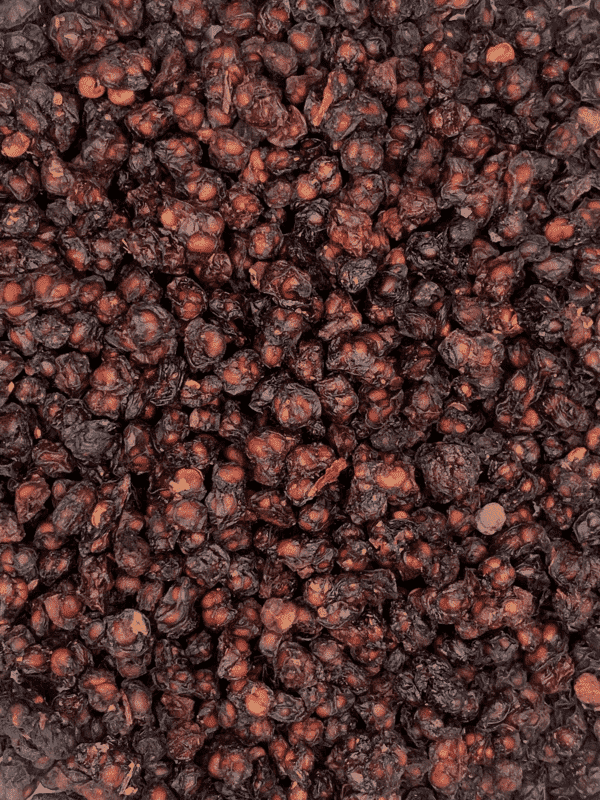
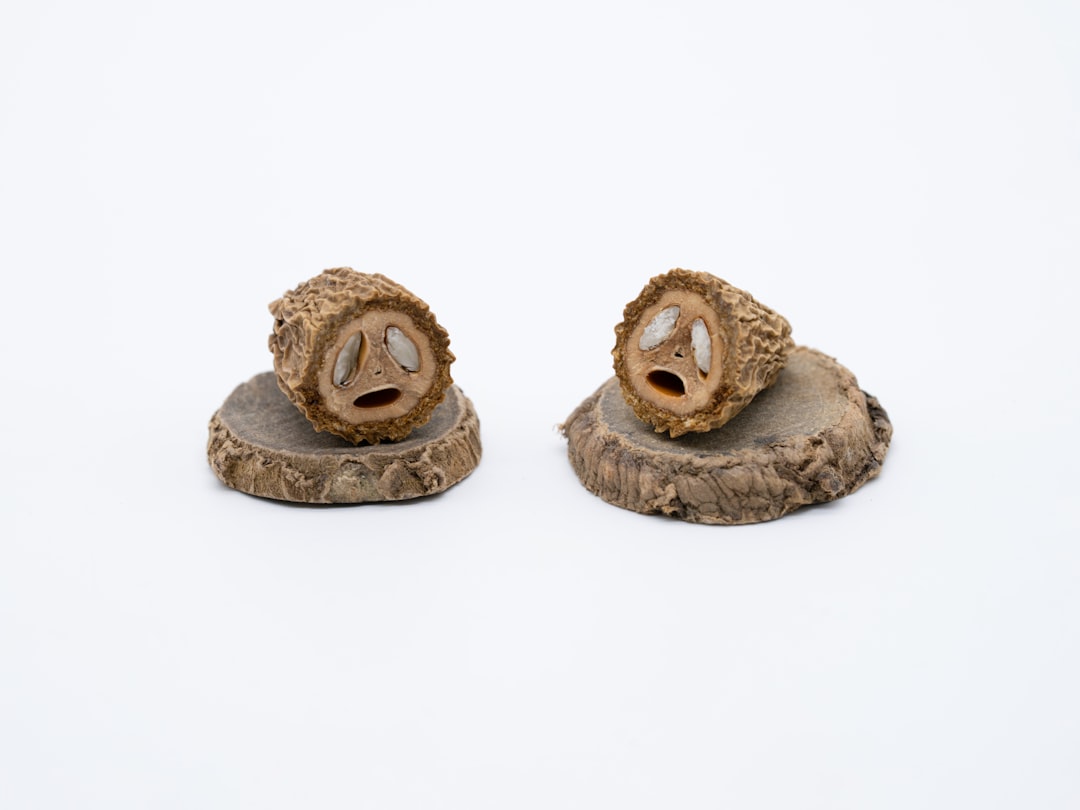
Suan Zao Ren Tang for sleep and anxiety — jujube seeds used in the classical Chinese formula

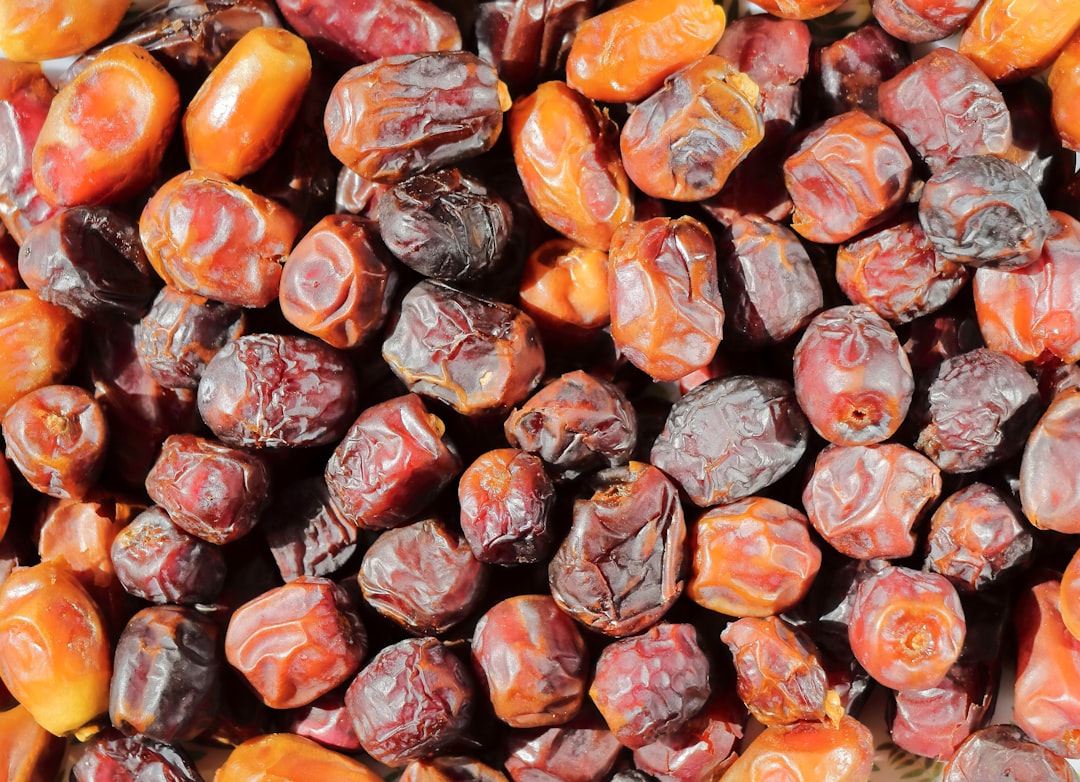
Suan Zao Ren (sour jujube seeds) are the chief herb in the Suan Zao Ren Tang formula

Suan Zao Ren Tang for sleep and anxiety has been prescribed in Classical Chinese Medicine for nearly two thousand years. The reasoning behind it is far more specific than most modern sleep remedies ever attempt.

The formula translates as Sour Jujube Decoction. It first appears in the Jin Gui Yao Lue (Essentials from the Golden Cabinet), a clinical manual attributed to Zhang Zhongjing — a Han Dynasty physician, second century CE. This formula has survived in continuous clinical use for approximately eighteen centuries. That longevity signals something important: it addresses a recognizable and recurring human pattern.

Here’s how the TCM framework describes that pattern: the formula treats Heart and Liver blood deficiency. When blood is insufficient, the mind — called shen in Chinese medicine — loses its anchor. The result is a recognizable cluster of symptoms. These include difficulty falling asleep, repeated waking, anxious or racing thoughts, and a sense of internal heat or night sweating. They follow a specific physiological logic within the TCM model. Suan Zao Ren Tang addresses that logic directly, rather than sedating broadly.

The Five-Herb Formula Composition

The formula contains five herbs, each with a defined role. The chief ingredient is Suan Zao Ren (Ziziphus spinosa seed — the dry-fried seed of the spiny jujube, distinct from the common red jujube fruit). Supporting herbs include Chuan Xiong (Ligusticum chuanxiong) to move blood and qi; Zhi Mu (Anemarrhena asphodeloides) to clear deficiency heat; Fu Ling (Poria cocos) to calm the mind; and Zhi Gan Cao (prepared licorice) to harmonize the whole formula. Nothing in this combination is accidental.

Suan Zao Ren comes from Ziziphus spinosa, a thorny shrub native to northern China. The seeds are dry-fried before use. Traditional texts associate this processing step with enhanced shen-calming properties, compared to the raw seed. As a genus, Ziziphus has been valued in East Asian, Middle Eastern, and Indian traditional medicine for centuries — primarily for its nervous system affinity and tonifying character. However, it is specifically the Ziziphus spinosa seed that anchors this formula — the fruit and the more widely known red jujube (Z. jujuba) are separate preparations entirely.

For a related classical formula, see our Yin Qiao San guide — which targets Wind-Heat patterns at the onset of cold and flu. Both formulas illustrate the precision of classical Chinese prescribing.

How Suan Zao Ren Tang Works for Sleep and Anxiety Relief

Herbal tincture bottle for calming support

Suan Zao Ren Tang is available as a liquid tincture from Herbal Clinic in Toronto

The strength of Suan Zao Ren Tang for sleep and anxiety lies in how precisely each ingredient targets the blood deficiency pattern. Understanding each herb’s role reveals the formula’s internal logic — and why the formula cannot reduce to its chief ingredient alone.

Suan Zao Ren: The Chief Herb

Suan Zao Ren is the formula’s chief herb. The roasted Ziziphus spinosa seed acts as a blood tonic with affinity for the Heart and Liver channels — the two organ systems most directly tied to sleep quality and emotional stability. Heart blood deficiency leaves the shen unsettled. Liver blood deficiency prevents the Liver from storing blood at night. Suan Zao Ren addresses both. Furthermore, its primary constituents — jujubosides (saponins), the flavonoid spinosin, and cyclopeptide alkaloids — show activity at GABAergic and serotonergic pathways. A growing body of pharmacological research on Suan Zao Ren now supports what classical clinicians observed empirically, though whole-formula context differs from single-constituent studies.

Here’s why that distinction matters: this formula nourishes the underlying deficiency rather than suppressing symptoms. That is the TCM distinction between treating the root and the branch — and it separates Suan Zao Ren Tang from general calming herbs.

The Four Supporting Herbs

Chuan Xiong (Ligusticum chuanxiong) counterbalances the blood-building herbs. Blood tonics can become cloying without something to keep circulation active. Chuan Xiong moves blood and ensures nourishment reaches where it is needed. In addition, it enters the Liver channel and smooths Liver qi — addressing the tension and irritability that accompany blood deficiency, especially in people who feel wired and exhausted simultaneously. You can find the complete formula as a Suan Zao Ren Tang tincture at Herbal Clinic.

Zhi Mu (Anemarrhena asphodeloides) clears deficiency heat. Depleted yin and blood produce a subjective warmth, restlessness, or night sweating. The person is exhausted but cannot settle. Zhi Mu targets this surface presentation. As a result, the deeper blood-building herbs can work without interference from the heat pattern.

Fu Ling (Poria cocos) quiets the mind through the Heart and Spleen connection. It works particularly well where anxiety involves rumination or a mind that refuses to stop cycling. Zhi Gan Cao (prepared licorice) harmonizes the formula and supports Spleen function — the TCM source of blood production. Consequently, the prescription addresses both the production and the anchoring of blood.

The pattern Suan Zao Ren Tang traditionally targets: difficulty initiating or maintaining sleep, nervous exhaustion accompanied by anxiety, palpitations, occasional light-headedness, and night sweating. Moreover, this presentation appears frequently in modern clinical settings. The formula’s continued relevance likely reflects exactly that recognition.

How to Use Suan Zao Ren Tang: Traditional and Modern Preparations

Chinese herbal tea preparation, traditional decoction method

Classical TCM formulas like Suan Zao Ren Tang were traditionally prepared as decoctions — strong herbal teas simmered from dried ingredients

Suan Zao Ren Tang for sleep and anxiety has traditionally been prepared as a decoction — the word tang means herbs simmered in water, taken as a concentrated tea. The classical method briefly fries the Suan Zao Ren seeds before simmering them. Traditional texts associate this step with enhanced shen-calming properties, compared to the raw seed. Furthermore, classical practitioners prepared the formula fresh for each use. This reflects how tightly they connected application to individualized assessment.

Tincture: The Practical Modern Form

In contemporary practice, most people take Suan Zao Ren Tang as a liquid tincture or extract. This format preserves the five-herb relationship in a convenient, shelf-stable form. Herbal Clinic’s version contains Suan Zao Ren, Chuan Xiong, Poria, Anemarrhena Rhizome, and Licorice, extracted in reverse-osmosis water and pharmaceutical-grade gluten-free alcohol. It is available in 100 mL, 250 mL, 500 mL, and 1000 mL sizes — making it accessible for both individual and practitioner use.

However, choosing a format is only part of the picture. This formula targets a specific TCM pattern. It works best when someone accurately identifies that pattern. TCM practitioners typically assess the full symptom picture before prescribing — including the character of the sleep disturbance, the presence of warmth or cold signs, the quality of anxiety, and overall constitution. If you work with a TCM practitioner or naturopathic doctor, Suan Zao Ren Tang is worth raising in the context of a blood deficiency presentation.

Seasonal Relevance and Consistent Use

Spring carries particular relevance for this formula. TCM regards spring as a time of heightened Liver activity — the season when Liver qi is most mobile. In those with underlying blood deficiency, the Liver becomes prone to constraint and upward movement during this period. This can manifest as worsening sleep quality, increased anxiety, or restlessness that intensifies in late winter and early spring. Therefore, practitioners often recommend Suan Zao Ren Tang specifically during these months for individuals with a blood deficiency pattern.

As a tonifying formula, Suan Zao Ren Tang suits consistent use over time rather than a single acute dose. Blood deficiency responds to sustained nourishment — this differs from clearing an acute pathogen, which requires a shorter course. Nevertheless, many practitioners and individuals report noticeable shifts in sleep quality and restlessness within the first few weeks of regular use, particularly when the formula well matches the pattern.

Herbal Clinic produces all formulas in Toronto, Ontario. Each batch undergoes third-party laboratory testing and organoleptic evaluation by the team before bottling. The sourcing standard reflects what each formula requires to function as intended.

FAQ

  • Superior Sourcing: Our herbs are sourced from all over the world to avoid seasonal fluctuations in availability, keeping herbs accessible. Our suppliers meet strict standards that ensure top quality herbs, most of which are organic, wildcrafted, sustainably grown, or grown using permaculture. We support local farmers and grow many of our own herbs.
  • Superior Processing: Our tinctures are made using the classic tincturing method. The tinctures are made in a 1:5 ratio which allows for the optimal extraction of the herb. The alcohol percentage is strictly controlled depending on the herb and part of the plant that is used.
  • Superior Selection: We take pride in our growing selection of over 300 individual herbs. If we don’t carry the herb you’re seeking, we can likely track it down for you.
  • Superior Quality Control: Our tinctures are thoroughly tested by a third-party lab and with an organoleptic evaluation by our team of herbalists prior to final bottling.
  • Superior Price: Our tinctures are more cost-effective than other tinctures on the market. With an eye towards efficiency, we keep our costs low by maintaining good relationships with our wide network of suppliers and ordering herbs in bulk quantities.
  • We Care About the Environment: We repackage materials that are shipped to us (so don’t be surprised if our packages look different from time to time!). We recycle or reuse materials whenever possible. We turn the cardboard we receive from other suppliers into packing material. We donate to avoid waste to groups like Naturopaths Without Borders. Our workforce almost completely uses public transportation or bikes. We are powered using 100% renewable energy through Bullfrog Power.
  • We Donate To Charity: We support many causes that make the world better. We donate a portion of our profits or products. These include charities that support environmental and natural sustainability.

Set up an online account and order through the website. If you don’t have an account and place an order, one will be created for you.

Our products are made in Toronto, Ontario, Canada by a team of Herbalists and Naturopathic Doctors. The herbs and ingredients we use to make our products are sourced both locally and globally to keep herbs accessible and sustainable.

The majority of our herbs are certified organic, sustainably wildcrafted, or come from small-scale local organic farms that do not yet have organic certification. We always do our best to provide organic herbs in your formulas. We work with a variety of suppliers to keep costs low.

Although most of our products do not contain gluten, we do not have gluten-free certification for our production facility. Feel free to ask about any specific products and we’ll share whatever information we have available.

For liability and regulatory reasons, we don’t make any claims as to how our herbs should be used, including dosing recommendations. Please review our disclaimer, as well as our terms and policies.
Posted on

3 Herbs to Help Improve your Memory and Focus

Whether you need some extra brain power to study for a test, focus on tasks at work, or just to remember where you placed your keys, we can all benefit from improved brain health.

It’s important to discover why you’re unable to concentrate or focus in the first place, as decreased cognitive function could arise from inadequate sleep, high stress levels, anxiety, depression, lack of exercise, or certain nutrient deficiencies, but if you’re looking for a little extra support while working on your overall health, herbs can be really helpful in this area.


Gingko Biloba:

With more than 40 years of clinical research on the effects of Gingko on memory and concentration, it is one of the most well known and widely used herbs for brain health. As a circulatory herb, it works by increasing blood flow to the brain and vasodilation in the cerebral region. Regular use of ginkgo (suggested over a 2-4 month period for best results) can improve mental stability, memory function and mental vitality.


Rosemary (Rosmarinus Officinalis)

Rosemary acts as a circulatory and nervine stimulant, often used when psychological tension is present which can potentially show up as headaches or depression. It makes a great tea or tincture especially when combined with gingko, peppermint, and gotu kola. We also love it as a pure essential oil when used in a diffuser near your study or work area, or you can even dab a small drop directly under your nose or on your temples to help boost alertness and focus throughout the day. It never hurts to use rosemary as a culinary herb either! The more ways you incorporate it into your life, the more your brain (and taste buds) will love you!


Brahmi (Bacopa Monnieris)

Bacopa is traditionally used in Ayurvedic medicine for neurological and cognitive improvement. Indian texts dating back to the 6th century describe bacopa as sharpening intellect and reducing mental deficits. A double-blind, randomized, placebo-controlled study conducted in 2001 found that subjects who took bacopa had significant improvement in memory, particularly in new information retention. Another double-blind, placebo-controlled study in 2013 found study participants who ingested an extract of bacopa exhibited improved cognition and mood, as well as lower levels of cortisol, a hormone associated with stress.

*Always consult your doctor or healthcare Practitioner if you want to make sure any given herb is right for you.

Posted on

Herbs For Anxiety

Everybody experiences stress and worry sometimes. That’s normal and can be healthy. But when it gets out of hand and starts negatively impacting your daily life, that’s not helpful! We’ll discuss several individual herbs used in the treatment of anxiety and the research behind them, and we’ll offer a few example formulas. Always seek the services of a qualified health practitioner.

Ginkgo influences several chemical messengers or neurotransmitters involved in mood, including dopamine and serotonin. Placebo controlled clinical trials demonstrate that ginkgo extract significantly reduces symptoms of anxiety in those who have been clinically diagnosed, and it can also improve mood.

One study concluded that Rhodiola has antianxiety effects and can have a significant impact on people’s mental status. Rhodiola is already known to benefit memory and male sexual dysfunction, but besides these properties, the herb can be used to protect against stressful situations and can help the body adapt to new obstacles. For this reason, Rhodiola is often called an adaptogen or an adaptogenic herb. Studies have shown that after being treated with Rhodiola for a period of time, people report lower levels of anxiety, as measured by clinical questionnaires.

Research also suggests that St. John’s Wort may lower levels of our stress hormone, cortisol, while enhancing the activity of GABA, a naturally occurring tranquilizer in the brain.

The herb Valerian, through its constituent Valerenic acid also helps with increasing levels of GABA, which as we’ve identified is the chief inhibitory neurotransmitter in the central nervous system. Valerian achieves this effect by inhibiting the enzyme responsible for breaking down GABA in the central nervous system of the body, which in turn leads to calming effects and the lowering of anxiety symptoms.

Kava is considered an effective short-term treatment for anxiety. A review of randomized controlled trials indicated statistically significant anxiolytic activity of kava compared to placebo.

Certain herbs work well in combination with others, based on specific case presentations. Here are just a couple of examples.

An example formula (with extracts classified as 1:5) for chronic anxiety then might be:

Angelica sinensis 30mL

Astragalus 20mL

Rehmannia 15mL

Rhodiola 15mL

Angelica archangelica 10mL

Glycyrrhiza glabra 10mL

2-3 tablespoons per day – for 3-6 weeks

An acute formula could also be considered, where anxiety is experienced in bursts or more intensely at specific times.

Lobelia 40mL

Passiflora 40mL

Artemisia absinthium 20mL

2-4mL at the first onset of rising anxiety

These are only examples that are used for specific case presentations. This is not appropriate or necessarily safe for you as an individual. We always recommend you seek a qualified health practitioner.

Posted on

Stress and Anxiety

Everyone experiences stress at some point in their lives. Actually, stress is supposed to be an adaptive mechanism, something that is good for us! It alerts us when action needs to be taken. However, in modern life, stress seems to cause more harm. It causes our bodies to worry as if there were a tiger in front of us, even though it’s just a malfunctioning printer.

Over time, these ongoing little stressors (or big ones!) can lead to anxiety. We don’t necessarily need to put a label on it and call it “Generalized Anxiety Disorder” or GAD, but let’s just say it’s enough of a bother that it can impact daily life. It can make us less happy than we would be otherwise.

So what can we do about it?

In herbal medicine, there are are herbs called adaptogens and there are herbs called anxiolytics.

The adaptogens are herbs that help us cope with stress, allow us to deal with regular stressors rather than to get exhausted. They give us a little bit more energy for a little longer. Examples include the herbs astragalus, rhodiola, and licorice.

The anxiolytics are more specific to helping with anxiety. This class of herbs help the body and mind relax, and sometimes help with insomnia. Examples of these herbs include valerian, lemonbalm, or skullcap.

Although you should certainly check with your health practitioner, these herbs are generally safe to use. Many can even be used in conjunction with regular medication, but you must have your practitioner do an interaction check for you just to be on the safe side. We offer all of these herbs individually or as part of herbal combinations, both as tinctures and as teas.

Acupuncture and acupressure are other alternative therapies that you can use along with herbal medicine to help alleviate stress and anxiety.