Maca Root Benefits Start High in the Andes
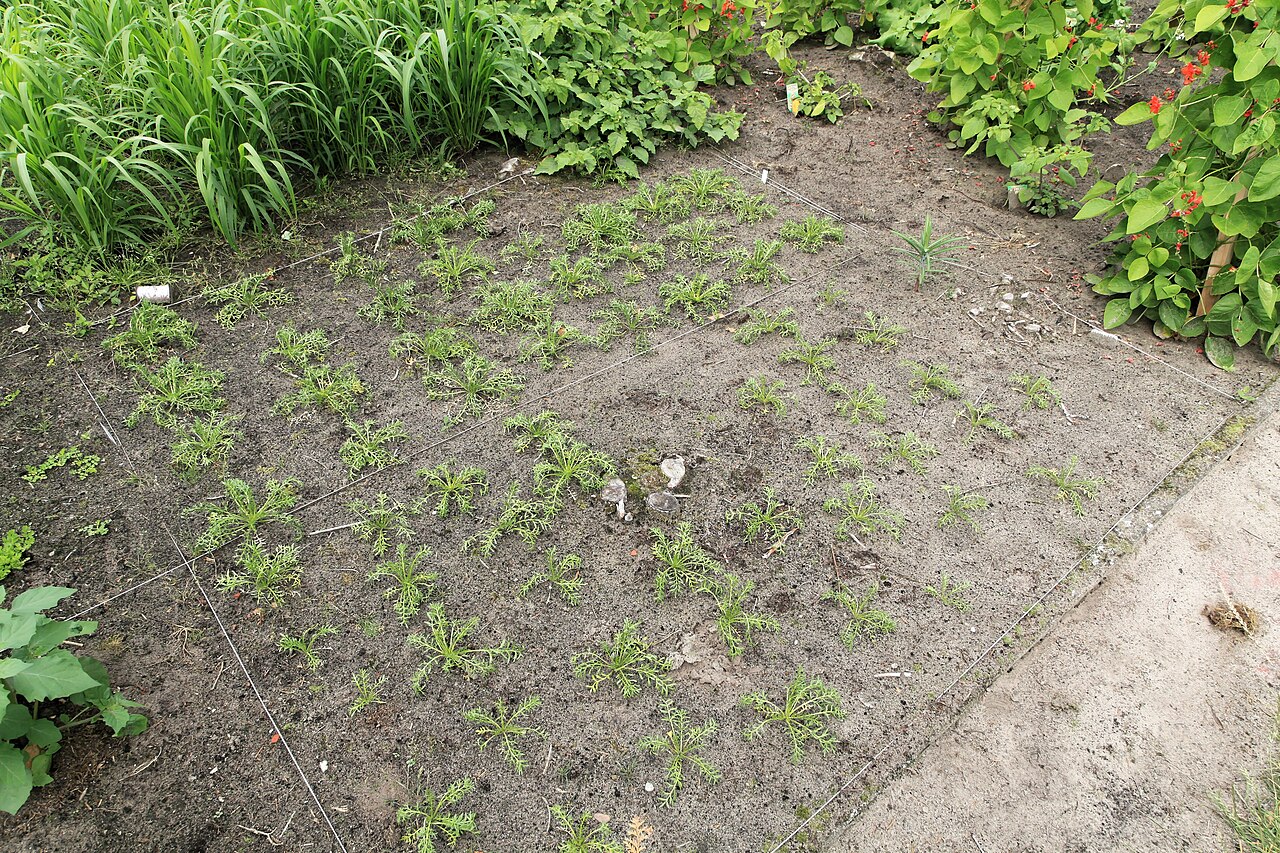
Young plants like these hold all the maca root benefits below ground.
Maca root benefits have drawn interest far beyond the high Andes, where farmers have grown this hardy root for about two thousand years. If you feel flat as the days get shorter, this humble cousin of the radish deserves a closer look.
Maca (Lepidium meyenii) belongs to the mustard family, Brassicaceae. That makes it a relative of turnips, radishes and broccoli. People also call it Peruvian ginseng, although it has no botanical link to true ginseng.
Where Maca Root Grows
Few crops can survive where maca thrives. Farmers on the Junín plateau of central Peru plant it at 4,000 metres or more above sea level. Up there, the plants face freezing nights, strong sun, fierce wind and thin soil. As a result, almost nothing else grows well at that height.
The plant itself looks modest. It forms a low rosette of frilly leaves that hug the ground. Below the surface, it swells into a round root about the size of a small turnip. Depending on the variety, the root can be cream, yellow, red, purple or black.
A Food Before a Remedy
For Andean communities, maca was food first. Families dried the roots in the sun for weeks, which let them store the harvest for years. Then they boiled the dried roots into porridge, baked them, or fermented them into a drink. Because the roots kept so well, people also traded them for lowland goods like corn.
Over time, maca earned a reputation as a strengthening food. Andean tradition links it with stamina, fertility and resilience in a harsh climate. In fact, some Spanish colonial writers mention maca as a form of tribute. Here’s why that matters: a root valued this highly had to earn its place at the table.
Today, maca root benefits interest people well outside Peru. Most modern research on the root has appeared in the last 25 years, and it continues to grow. So what does that research actually show? Part 2 covers the details.
Maca Root Benefits for Energy, Mood and Libido
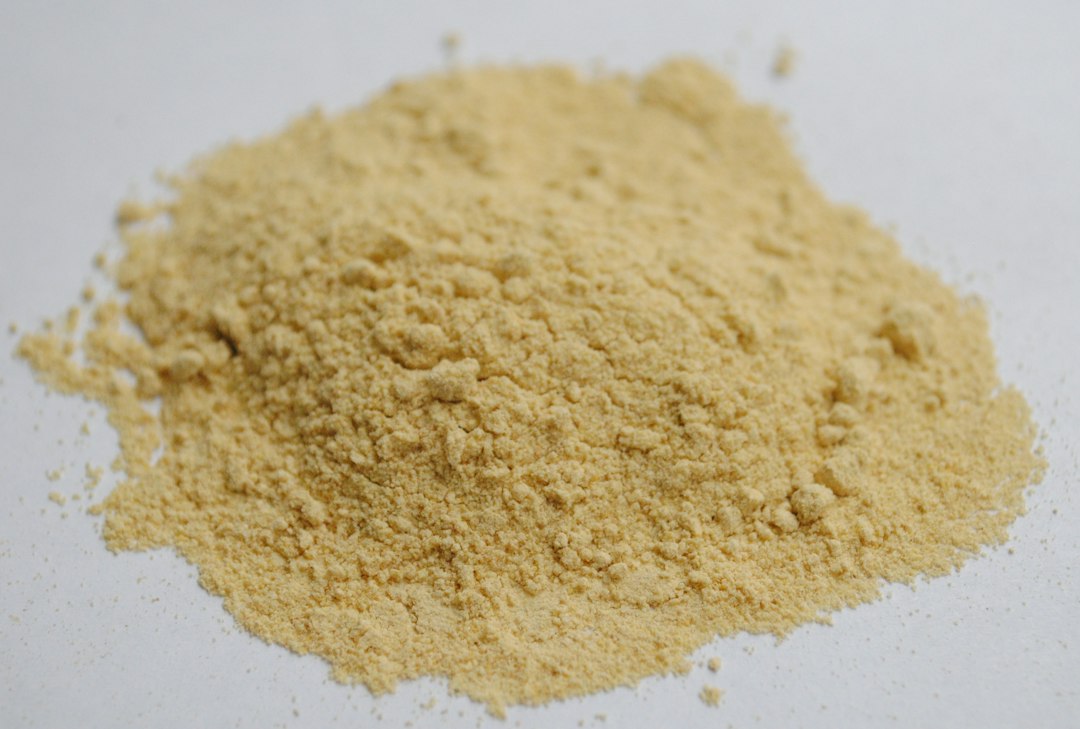
Dried maca root, ground into a fine, pale powder.
Maca sits in an interesting spot between food and herb. Herbalists often group it with adaptogens such as Siberian ginseng, although it works in its own way. Here’s how it works, as far as researchers can tell.
What Is Inside Maca Root
Maca contains a group of compounds found almost nowhere else. Researchers call them macamides and macaenes. The root also holds glucosinolates, the same sulphur compounds that give mustard and radish their bite. In addition, it supplies plant sterols, amino acids, fibre and minerals like iron, calcium and potassium.
Scientists still debate which of these compounds matter most. However, many suspect the macamides play a central role. Because maca contains so many active parts, the whole root may work differently from any single isolate.
Energy and Mood
Energy is the most common reason people reach for maca. Small human studies suggest it may support a sense of vitality and well-being. For example, one trial in postmenopausal women linked maca with lower scores for anxiety and low mood. Still, these studies are small, so the evidence remains early.
Libido and Hormonal Balance
The best-known traditional use of maca links it to libido and fertility. Several small clinical trials found that maca may support sexual desire in both men and women. Interestingly, the same studies saw no change in testosterone or estrogen levels. In other words, maca does not seem to act like a hormone.
So what does this mean for you? Maca root benefits appear to come from steady nourishment and gentle support, not from forcing the body in one direction. That fits the Andean view of maca as a food you eat regularly over time. For an outside summary of the research, see the maca profile from Memorial Sloan Kettering Cancer Center.
How to Use Maca Root in Your Routine
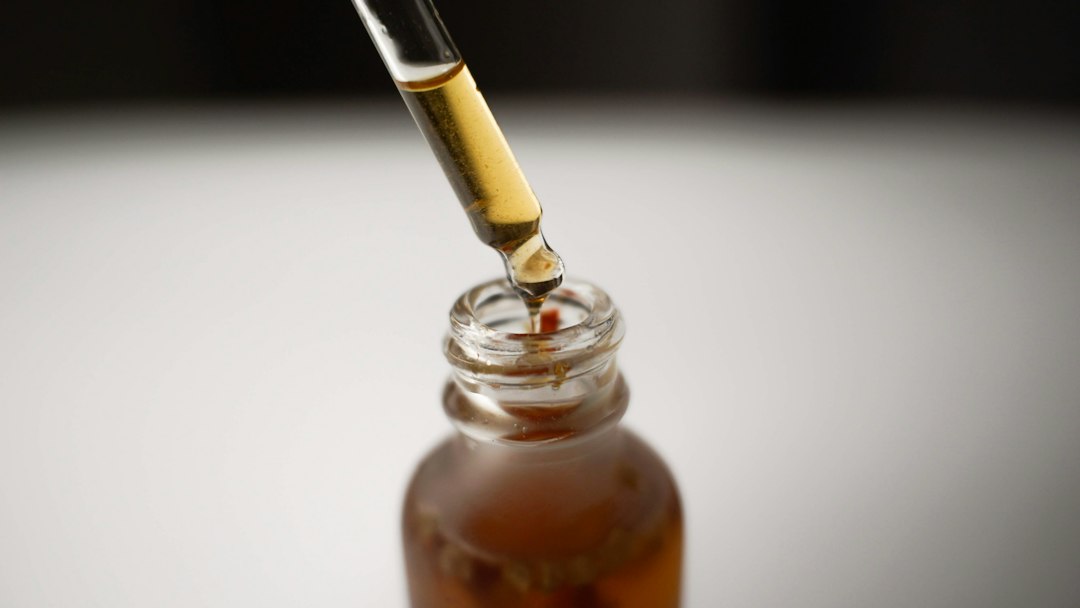
A tincture offers a quick, portable way to take maca.
Common Forms of Maca Root
Maca comes in a few main forms. First, raw powder is simply the dried root ground fine. Second, gelatinized powder goes through a heating step that removes much of the starch. Many people find the gelatinized form easier to digest, and it echoes the Andean habit of always cooking the root. Finally, tinctures extract the root in alcohol and water, which makes a small, convenient serving.
Each form has its place. Powders suit people who like to add maca to food. Meanwhile, tinctures suit people who want something quick and easy to carry. To get the full range of maca root benefits, choose the form you will actually use day after day.
Ways to Add Maca to Your Day
Maca has an earthy, slightly nutty, butterscotch-like taste. As a result, it blends well into warm or creamy foods. For example, you can try it in:
- Oatmeal or a breakfast smoothie
- Hot cocoa or a coffee alternative
- Energy balls and baked goods
- A few drops of tincture in water or juice
Many people take maca in the morning or early afternoon, because they connect it with daytime energy. Also, since maca is traditionally a daily food, consistency tends to matter more than timing.
A Few Sensible Cautions
Maca belongs to the mustard family, so it contains glucosinolates. In large amounts, raw cruciferous foods may affect thyroid function in some people. For this reason, anyone with a thyroid condition should talk to a healthcare practitioner first. The same advice applies during pregnancy or breastfeeding, and for anyone with a hormone-sensitive condition.
How Herbal Clinic Prepares Maca Root
At Herbal Clinic, our team of herbalists makes our tinctures in Toronto. We use the classic tincturing method at a 1:5 ratio, and we adjust the alcohol percentage to suit each herb. Before final bottling, our tinctures go through third-party lab testing and a careful check by our herbalists. The key takeaway: you can enjoy maca root benefits from a product made with care, one batch at a time.
FAQ
- Superior Sourcing: Our herbs are sourced from all over the world to avoid seasonal fluctuations in availability, keeping herbs accessible. Our suppliers meet strict standards that ensure top quality herbs, most of which are organic, wildcrafted, sustainably grown, or grown using permaculture. We support local farmers and grow many of our own herbs.
- Superior Processing: Our tinctures are made using the classic tincturing method. The tinctures are made in a 1:5 ratio which allows for the optimal extraction of the herb. The alcohol percentage is strictly controlled depending on the herb and part of the plant that is used.
- Superior Selection: We take pride in our growing selection of over 300 individual herbs. If we don’t carry the herb you’re seeking, we can likely track it down for you.
- Superior Quality Control: Our tinctures are thoroughly tested by a third-party lab and with an organoleptic evaluation by our team of herbalists prior to final bottling.
- Superior Price: Our tinctures are more cost-effective than other tinctures on the market. With an eye towards efficiency, we keep our costs low by maintaining good relationships with our wide network of suppliers and ordering herbs in bulk quantities.
- We Care About the Environment: We repackage materials that are shipped to us (so don’t be surprised if our packages look different from time to time!). We recycle or reuse materials whenever possible. We turn the cardboard we receive from other suppliers into packing material. We donate to avoid waste to groups like Naturopaths Without Borders. Our workforce almost completely uses public transportation or bikes. We are powered using 100% renewable energy through Bullfrog Power.
- We Donate To Charity: We support many causes that make the world better. We donate a portion of our profits or products. These include charities that support environmental and natural sustainability.
Set up an online account and order through the website. If you don’t have an account and place an order, one will be created for you.
Click here to subscribe to our mailing list.
Our products are made in Toronto, Ontario, Canada by a team of Herbalists and Naturopathic Doctors. The herbs and ingredients we use to make our products are sourced both locally and globally to keep herbs accessible and sustainable.
The majority of our herbs are certified organic, sustainably wildcrafted, or come from small-scale local organic farms that do not yet have organic certification. We always do our best to provide organic herbs in your formulas. We work with a variety of suppliers to keep costs low.
Although most of our products do not contain gluten, we do not have gluten-free certification for our production facility. Feel free to ask about any specific products and we’ll share whatever information we have available.
For liability and regulatory reasons, we don’t make any claims as to how our herbs should be used, including dosing recommendations. Please review our disclaimer, as well as our terms and policies.