A Western Mountain Herb: Lomatium Root for Colds
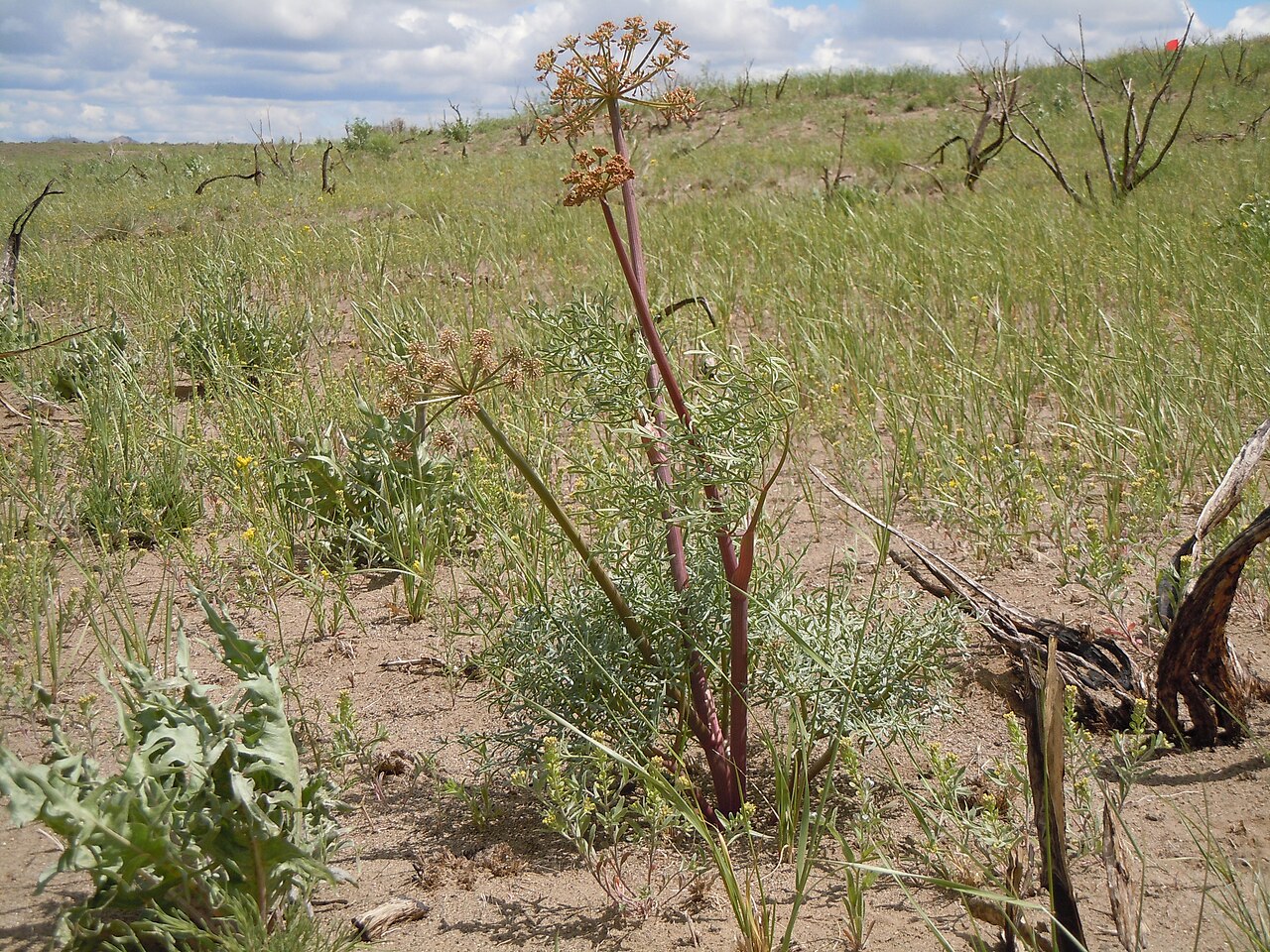
This hardy plant of the western foothills gives us lomatium root for colds.
Lomatium root for colds is an old western remedy that most people outside herbal circles have never heard of. However, herbalists across North America keep a bottle on the shelf from November to March. So what makes this desert plant worth knowing?
Lomatium (Lomatium dissectum) grows on dry, rocky slopes from British Columbia south to California and east into the Rocky Mountains. It belongs to the carrot family, Apiaceae, which also includes angelica, fennel and osha. Its common names include fern-leaf biscuitroot, desert parsley and toza. In spring, the plant sends up feathery leaves and tall stalks topped with small clusters of yellow to maroon flowers.
Here’s why that matters: the medicine sits underground. Lomatium grows a thick, deep taproot that can reach the size of a forearm. When you cut it, the root weeps a sticky, aromatic resin. That resin smells sharp, a little like celery or pine. Herbalists value it, but it also explains one of the plant’s quirks, which we cover in Part 3.
Traditional Use and the 1918 Story
Indigenous peoples of the Great Basin and the Columbia Plateau used lomatium for food and medicine for generations. For example, some communities burned the root and breathed in the smoke for chest troubles. Others prepared it as a tea or poultice for coughs, colds and skin sores. A few groups also ate the young shoots and ground the roots into flour.
The plant became famous outside these communities during the 1918 flu pandemic. At that time, a Nevada physician named Ernst Krebs reported that Washoe people who used lomatium seemed to fare better than their neighbours. His notes are anecdotal, not a clinical trial. Still, his account sparked a century of interest among Western herbalists.
Today, people often look up lomatium root for colds when they want something stronger than a cup of tea. It is not an everyday tonic like echinacea. Instead, herbalists treat it as a short-term, seasonal herb. They also pair it with fellow mountain root osha in chest-focused blends.
There’s one more thing to know before you buy. Wild lomatium grows slowly, and heavy harvesting has thinned some stands. As a result, conservation groups list it as a plant to watch. So look for responsibly sourced root from suppliers who know where it came from.
Why Herbalists Reach for Lomatium Root for Colds
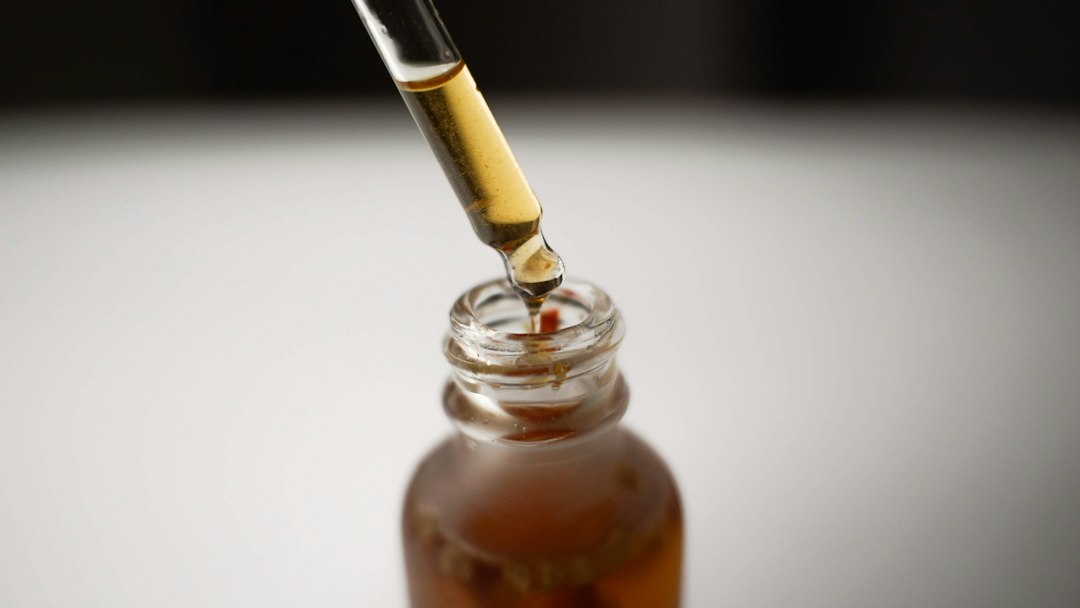
A lomatium tincture captures the root’s aromatic resin.
Herbalists describe lomatium as antiviral, antibacterial and expectorant. In plain terms, they use it to help the body deal with germs and to loosen stuck mucus. That combination is the main reason people reach for lomatium root for colds and the flu.
So what is actually in the root? Researchers have identified several groups of compounds:
- Coumarins and furanocoumarins, aromatic compounds common in the carrot family
- Tetronic acids, which lab studies link to antibacterial activity
- Flavonoid glycosides, including luteolin compounds
- Volatile oils and resins, which give the root its strong smell
What the Lab Research Shows
This is where it gets interesting. Lab studies on lomatium extracts have shown activity against certain viruses and bacteria in test tubes. For instance, a 1995 survey of British Columbia plants found that a lomatium root extract slowed rotavirus in cell cultures. Another team isolated tetronic acids from the root that held back several bacteria. However, these results come from lab dishes, not people. Human trials on lomatium are still missing.
Lomatium Root for Colds in Traditional Practice
Traditional use fills in the rest of the picture. Herbalists have used lomatium root for colds that settle into the chest, lingering coughs and sore throats. They also reach for it at the first sign of feeling run down. Because the root is warming and drying, it tends to suit wet, congested colds better than dry, irritated ones.
Here’s how it fits with other herbs. Lomatium often appears in blends with elder flower, echinacea or myrrh. For example, our Lomatium, Dipsacus and Myrrh Combo pairs it with teasel root and myrrh resin. Each herb brings a different strength, so the blend covers more ground than any single plant.
The key takeaway: lomatium has strong traditional standing and promising lab data. At the same time, it lacks modern clinical trials. So it makes sense to treat it as a respected folk remedy rather than a proven drug. You can read more about where the plant grows in the USDA Plants Database.
How to Use Lomatium Tincture Safely
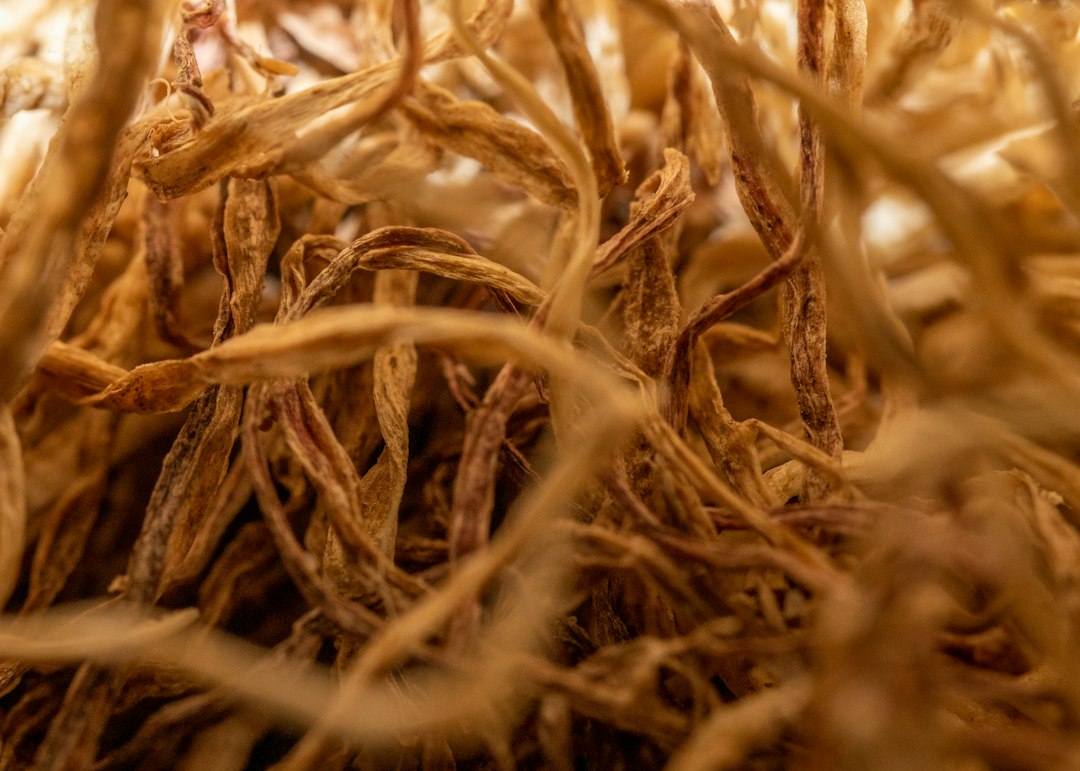
Dried roots ready for the tincture jar.
Most people take lomatium root for colds as a tincture. The alcohol pulls out both the water-friendly compounds and the sticky resin. In addition, a tincture is easy to carry and quick to take when you feel a cold coming on. You can also make a tea, although the root tastes bitter, oily and strongly aromatic.
But there’s one quirk you should know about. A small number of people develop an itchy, all-over rash after taking lomatium. Herbalists link this reaction to the resin in the root. The rash usually fades once the person stops taking the herb. Even so, it is a good reason to start small and see how you respond.
Because of this, some makers sell resin-free or low-resin lomatium extracts. Others prefer the whole-root tincture and simply advise caution. Either way, talk to a qualified herbalist or naturopathic doctor before you try it. That advice matters most if you are pregnant, breastfeeding, taking medication or prone to skin sensitivities.
Tips for Cold Season
Here are a few practical tips for working lomatium into your cold-season routine:
- Keep it for short stretches. Herbalists generally use it for days or a couple of weeks, not months.
- Pair it with soothing herbs. For example, marshmallow or licorice can balance its drying nature.
- Rest and drink plenty of fluids. No herb replaces sleep, warm food and time off.
- Store the tincture away from heat and light so it keeps its aroma.
So how does Herbal Clinic make it? Our team prepares lomatium in Toronto using the classic tincturing method at a 1:5 ratio. We match the alcohol strength to the root, so the resin and the lighter compounds both come through. Then our herbalists check each batch by taste and smell, and a third-party lab tests it before bottling.
Finally, remember that lomatium is a seasonal helper, not a daily supplement. If you want an herb for steady, year-round support, look at gentler options. For a sharp, short-term push during cold season, however, lomatium root for colds has earned its long reputation.
FAQ
- Superior Sourcing: Our herbs are sourced from all over the world to avoid seasonal fluctuations in availability, keeping herbs accessible. Our suppliers meet strict standards that ensure top quality herbs, most of which are organic, wildcrafted, sustainably grown, or grown using permaculture. We support local farmers and grow many of our own herbs.
- Superior Processing: Our tinctures are made using the classic tincturing method. The tinctures are made in a 1:5 ratio which allows for the optimal extraction of the herb. The alcohol percentage is strictly controlled depending on the herb and part of the plant that is used.
- Superior Selection: We take pride in our growing selection of over 300 individual herbs. If we don’t carry the herb you’re seeking, we can likely track it down for you.
- Superior Quality Control: Our tinctures are thoroughly tested by a third-party lab and with an organoleptic evaluation by our team of herbalists prior to final bottling.
- Superior Price: Our tinctures are more cost-effective than other tinctures on the market. With an eye towards efficiency, we keep our costs low by maintaining good relationships with our wide network of suppliers and ordering herbs in bulk quantities.
- We Care About the Environment: We repackage materials that are shipped to us (so don’t be surprised if our packages look different from time to time!). We recycle or reuse materials whenever possible. We turn the cardboard we receive from other suppliers into packing material. We donate to avoid waste to groups like Naturopaths Without Borders. Our workforce almost completely uses public transportation or bikes. We are powered using 100% renewable energy through Bullfrog Power.
- We Donate To Charity: We support many causes that make the world better. We donate a portion of our profits or products. These include charities that support environmental and natural sustainability.
Set up an online account and order through the website. If you don’t have an account and place an order, one will be created for you.
Click here to subscribe to our mailing list.
Our products are made in Toronto, Ontario, Canada by a team of Herbalists and Naturopathic Doctors. The herbs and ingredients we use to make our products are sourced both locally and globally to keep herbs accessible and sustainable.
The majority of our herbs are certified organic, sustainably wildcrafted, or come from small-scale local organic farms that do not yet have organic certification. We always do our best to provide organic herbs in your formulas. We work with a variety of suppliers to keep costs low.
Although most of our products do not contain gluten, we do not have gluten-free certification for our production facility. Feel free to ask about any specific products and we’ll share whatever information we have available.
For liability and regulatory reasons, we don’t make any claims as to how our herbs should be used, including dosing recommendations. Please review our disclaimer, as well as our terms and policies.