Elder Flower for Colds: An Old Hedgerow Remedy
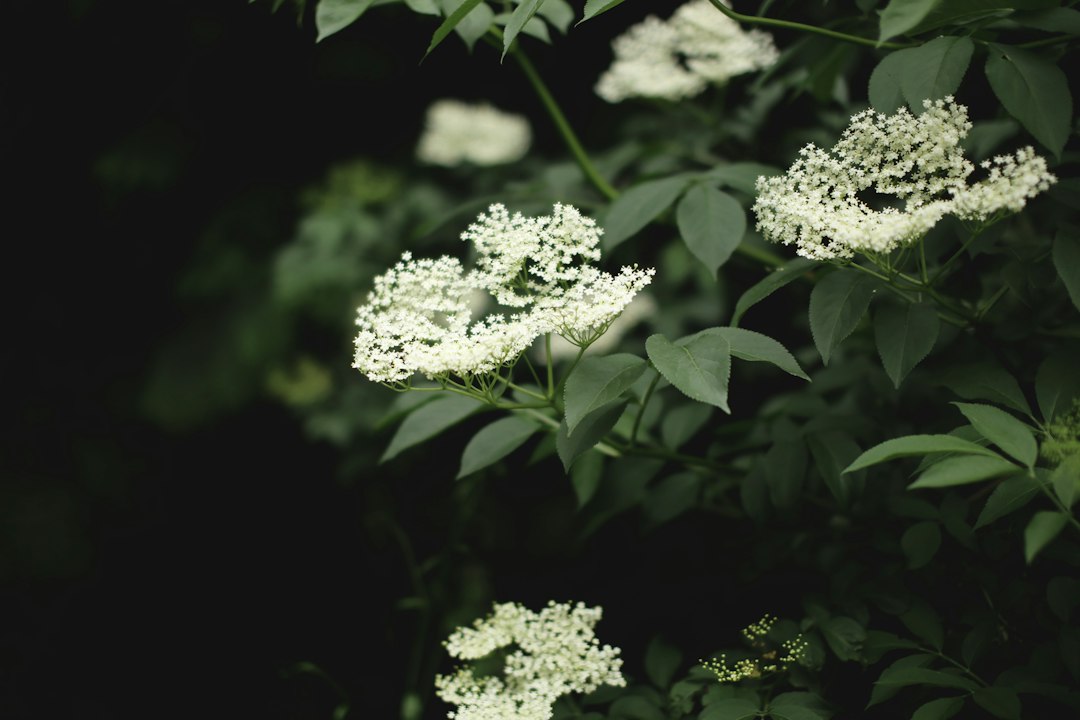
Fresh blossoms in early summer, the source of elder flower for colds.
Elder flower for colds is one of the oldest home remedies in Europe, and it still earns a spot in the cold season cupboard. Most people know the dark purple berries. However, the creamy white flowers have a long story of their own.
Elder flower comes from the elder tree, Sambucus nigra. This shrub belongs to the Adoxaceae family. It grows wild along hedgerows, forest edges and riverbanks across Europe, North Africa and western Asia. In early summer, it covers itself in flat, lacy clusters of tiny flowers. Each cluster can hold hundreds of blossoms. As a result, a single shrub can scent a whole garden with a sweet, slightly musky smell.
A Plant Steeped in Folklore
Country people once called elder the medicine chest of the common folk. Every part of the plant had a household use. For example, the berries went into syrups and wines, while the flowers went into teas, cordials and skin washes. Some families even planted elder by the back door to guard the house.
Herbalists also had practical reasons to value the flowers. Traditionally, they gave hot elder flower tea at the first chill of a cold. The goal was to warm the body and bring on a light, healthy sweat. Herbalists call herbs like this diaphoretics.
Here’s why that matters: diaphoretic herbs were the backbone of old cold and fever care. Rather than fight a fever head on, herbalists tried to help the body move through it. So elder flower became a standard part of that approach, often alongside yarrow and peppermint.
Elder Flower vs Elderberry
The flowers and berries come from the same plant, yet they play different roles. Elderberry is rich, dark and fruity. In contrast, elder flower is light, floral and gently drying. Many people use the berry for winter wellness. Meanwhile, herbalists reach for the flower when a cold first starts, especially with chills, a stuffy nose or a feverish feeling.
If you want the full story on the berry, read our guide to elderberry for cold and flu. In short, the two work well together. That is also why so many classic cold blends combine them.
Benefits of Elder Flower for Colds and Congestion
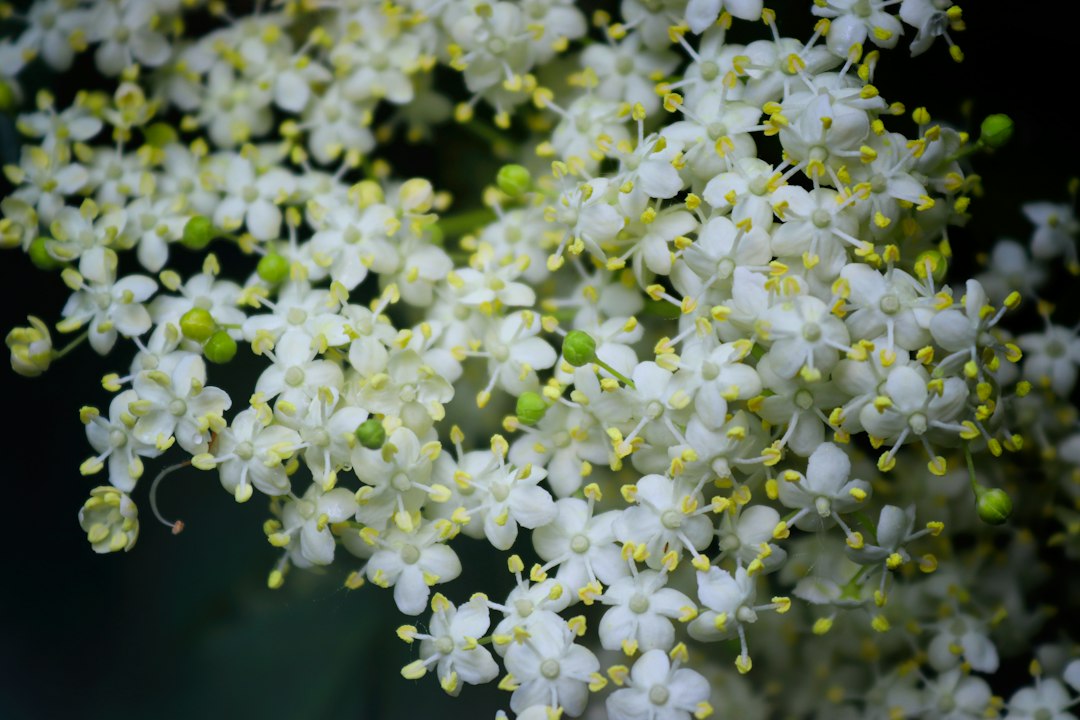
Each elder flower cluster holds hundreds of tiny blossoms.
So what makes elder flower for colds such a lasting tradition? The answer lies in a few key properties that herbalists have noted for centuries.
A Gentle Diaphoretic
First, elder flower is a relaxing diaphoretic. In plain terms, it may help open the pores and encourage gentle sweating when taken hot. Herbalists traditionally use it during the early, chilly stage of a cold. Many people find that a hot cup leaves them feeling warm and relaxed.
The European Medicines Agency recognizes this traditional use. Its herbal monograph on elder flower lists it for the relief of early symptoms of the common cold. That listing rests on long-standing use, not on large clinical trials.
Support for a Stuffy Head
Next, herbalists value elder flower for the upper airways. It has a mild drying, toning quality. Because of this, it is traditionally used when the nose and sinuses feel full and runny. Some herbalists also use it for seasonal sniffles in spring and summer.
But there’s more to it than that. Elder flower is also known as a gentle herb. Its taste is pleasant and floral, so it suits people who dislike bitter remedies. For this reason, herbalists often include it in blends for the whole family.
What Is Inside the Flowers?
Elder flowers contain several groups of plant compounds:
- Flavonoids such as rutin, quercetin and isoquercitrin
- Phenolic acids, including chlorogenic acid
- Triterpenes and small amounts of volatile oil
- Mucilage, which gives the tea a soft feel
Researchers have studied these flavonoids for their antioxidant activity. In addition, early lab studies have looked at elder extracts and common viruses. Still, most of that work happened in test tubes. So it is best to see elder flower as a traditional cold season herb rather than a proven treatment.
The key takeaway: elder flower has a long, consistent history of use for the first signs of a cold. It is mild, it tastes good, and it pairs well with other respiratory herbs like elecampane and mullein.
How to Use Elder Flower for Colds at Home
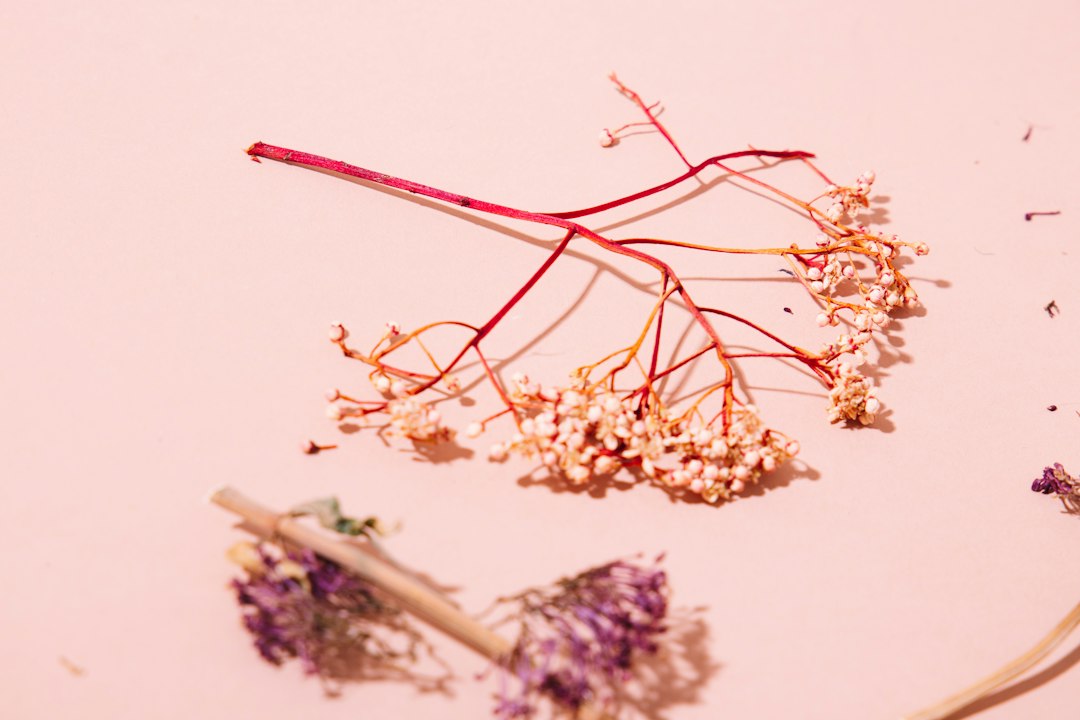
Dried elder flowers keep their gentle, honey-like scent.
There are a few simple ways to bring elder flower for colds into your routine. Each one has its own feel, so choose the format that suits you.
Elder Flower Tincture
A tincture is the most convenient option. It keeps for years, travels well and mixes easily into warm water. Many people add a dropperful to a mug of hot water with a slice of lemon. That way, you get the warmth of a tea with the strength of an extract.
At Herbal Clinic, we make our Elder Flower tincture in small batches in Toronto. We use the classic tincturing method at a 1:5 ratio. Also, we control the alcohol level for each herb, so the flowers give up their full range of compounds.
Hot Elder Flower Tea
Tea is the traditional way to use elder flower. Pour freshly boiled water over the dried flowers, cover the cup and steep for about ten minutes. Covering the cup keeps the aromatic oils in. Then strain and sip while it is hot.
Here’s how it works: the heat is part of the remedy. Herbalists have long paired hot elder tea with rest, a warm blanket and an early night. Cold elder drinks, like summer cordials, are lovely, but they are not the same thing.
Classic Elder Flower Blends
Elder flower rarely works alone in traditional practice. The best-known blend is elder, yarrow and peppermint. Herbalists have used this trio for generations at the start of a cold. Other common partners include linden flower, ginger and elderberry.
If you prefer a ready-made option, our Immune Bundle brings several cold season favourites together. Our team of herbalists can also build a custom blend for you.
A Few Practical Notes
Only use the flowers from Sambucus nigra or other edible elder species. Never use raw leaves, bark or unripe berries, because they can upset the stomach. Also, people with an allergy to plants in the same family should take care. If you are pregnant, nursing or taking medication, talk to your healthcare provider first.
Finally, keep your expectations realistic. Elder flower is a gentle, traditional herb. It works best as part of good self-care, with rest, fluids and warm food.
FAQ
- Superior Sourcing: Our herbs are sourced from all over the world to avoid seasonal fluctuations in availability, keeping herbs accessible. Our suppliers meet strict standards that ensure top quality herbs, most of which are organic, wildcrafted, sustainably grown, or grown using permaculture. We support local farmers and grow many of our own herbs.
- Superior Processing: Our tinctures are made using the classic tincturing method. The tinctures are made in a 1:5 ratio which allows for the optimal extraction of the herb. The alcohol percentage is strictly controlled depending on the herb and part of the plant that is used.
- Superior Selection: We take pride in our growing selection of over 300 individual herbs. If we don’t carry the herb you’re seeking, we can likely track it down for you.
- Superior Quality Control: Our tinctures are thoroughly tested by a third-party lab and with an organoleptic evaluation by our team of herbalists prior to final bottling.
- Superior Price: Our tinctures are more cost-effective than other tinctures on the market. With an eye towards efficiency, we keep our costs low by maintaining good relationships with our wide network of suppliers and ordering herbs in bulk quantities.
- We Care About the Environment: We repackage materials that are shipped to us (so don’t be surprised if our packages look different from time to time!). We recycle or reuse materials whenever possible. We turn the cardboard we receive from other suppliers into packing material. We donate to avoid waste to groups like Naturopaths Without Borders. Our workforce almost completely uses public transportation or bikes. We are powered using 100% renewable energy through Bullfrog Power.
- We Donate To Charity: We support many causes that make the world better. We donate a portion of our profits or products. These include charities that support environmental and natural sustainability.
Set up an online account and order through the website. If you don’t have an account and place an order, one will be created for you.
Click here to subscribe to our mailing list.
Our products are made in Toronto, Ontario, Canada by a team of Herbalists and Naturopathic Doctors. The herbs and ingredients we use to make our products are sourced both locally and globally to keep herbs accessible and sustainable.
The majority of our herbs are certified organic, sustainably wildcrafted, or come from small-scale local organic farms that do not yet have organic certification. We always do our best to provide organic herbs in your formulas. We work with a variety of suppliers to keep costs low.
Although most of our products do not contain gluten, we do not have gluten-free certification for our production facility. Feel free to ask about any specific products and we’ll share whatever information we have available.
For liability and regulatory reasons, we don’t make any claims as to how our herbs should be used, including dosing recommendations. Please review our disclaimer, as well as our terms and policies.