Where Osha Root Benefits Begin: The Rocky Mountains
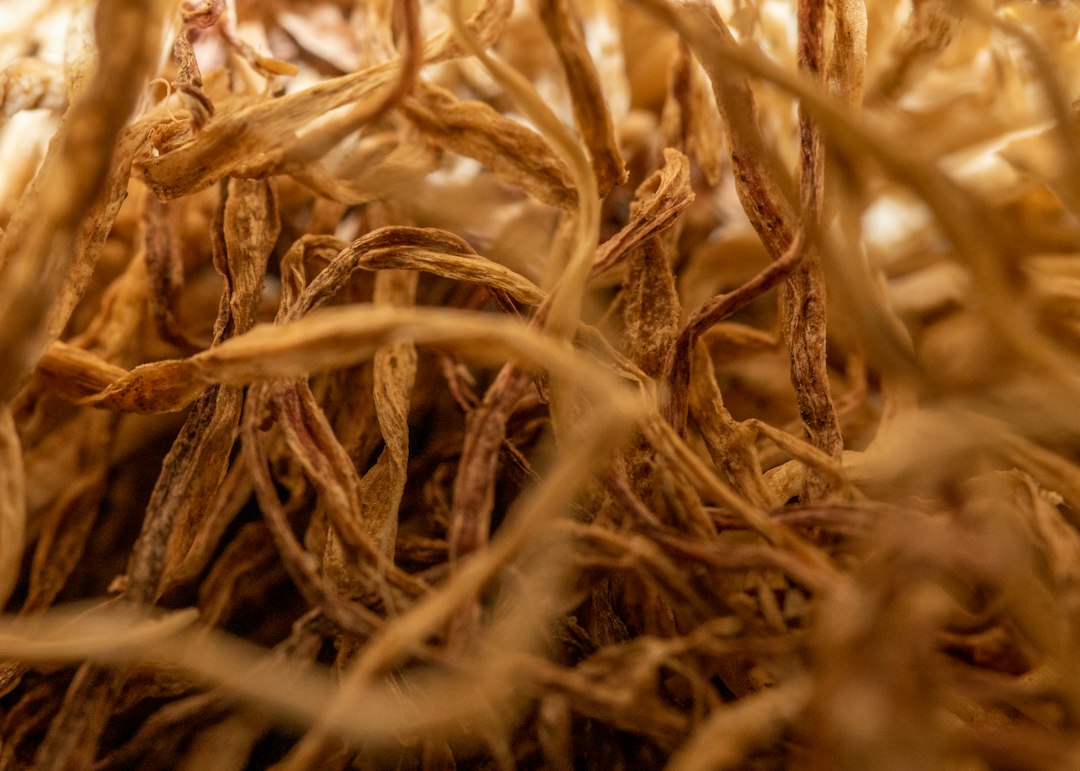
The dark, hairy root holds most of the osha root benefits herbalists value.
People in the Rocky Mountains have valued osha root benefits for generations, and the herb still earns its place on the shelf every fall. When the first cold snap arrives, many herbalists reach for this warming root before anything else. So what makes it special? The answer starts with where it grows.
Osha (Ligusticum porteri) belongs to the carrot family, the same family as parsley, celery, and angelica. It grows at high elevations, often between 2,000 and 3,500 metres. Its range runs from Montana and Wyoming south through Colorado and New Mexico, then on into northern Mexico. As a result, it thrives in cool mountain meadows and the edges of aspen and spruce forests.
The plant itself looks modest. It has feathery, finely divided leaves and small white flowers grouped in umbrella-shaped clusters. However, the real treasure sits underground. The root is dark brown and wrapped in a hairy collar of old leaf stems. Break it open, and you get a strong, spicy smell that some people compare to celery and others to curry.
A Root With Many Names
Osha goes by several common names. For example, people call it bear root, Porter’s lovage, Colorado cough root, and chuchupate in Mexico. The name bear root comes from a well-known story. Bears are said to dig up the root after hibernation, chew it, and rub it into their fur. Whether or not every detail is true, the story shows how closely people linked this plant to mountain wildlife.
Indigenous peoples of the Rocky Mountains and the American Southwest have used osha for a very long time. Hispanic communities in New Mexico also kept it close at hand. Families often carried a small piece of root in a pocket or hung it by the door. In addition, they chewed it at the first sign of a scratchy throat.
Here’s why that matters: osha is not a new trend. Instead, it comes from a deep, living tradition of practical home use. If you already know our guide to elecampane root for cough, osha sits in the same family of warming lung herbs.
Key Osha Root Benefits for Breathing and Digestion
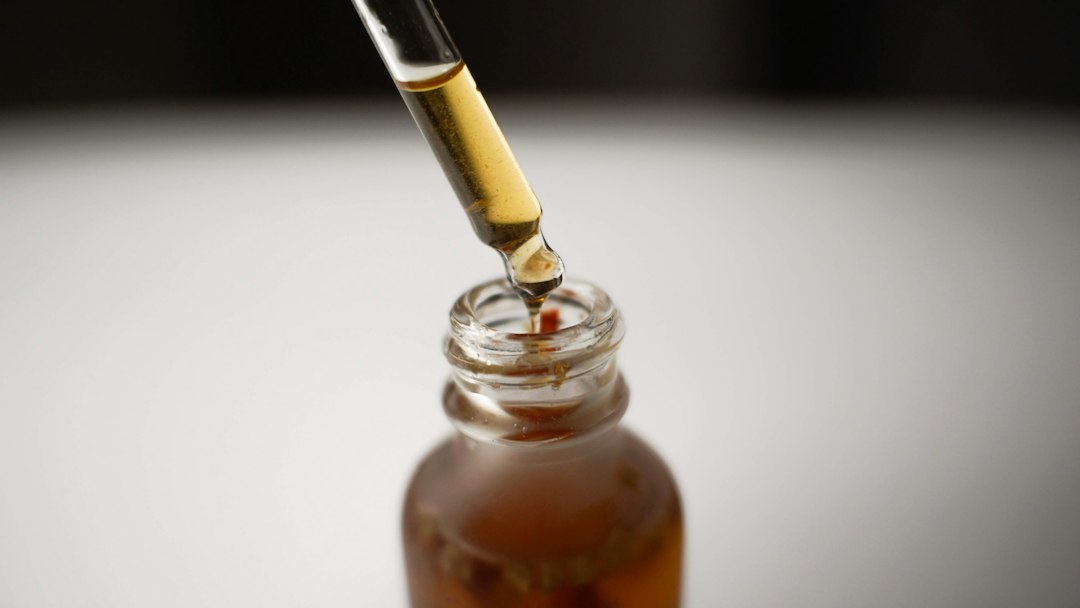
Osha’s aromatic oils carry into a well-made tincture.
The best-known osha root benefits relate to the lungs and throat. Traditionally, herbalists use it to support the body during colds, coughs, and sore throats. It is warming and slightly drying, so people often choose it for chilly, damp weather. Also, it has a long history as a herb that helps loosen and move mucus.
Here’s how it works, at least in traditional terms. Osha is an expectorant, which means it helps the airways clear phlegm. It is also a diaphoretic, so it may encourage gentle sweating when you feel chilled. Together, these actions explain why so many families kept it nearby in winter.
What’s Inside the Root
This is where it gets interesting. Osha root contains aromatic volatile oils, and these give the root its strong scent. One of the main compounds is Z-ligustilide, which also appears in dong quai and lovage. The root also contains ferulic acid, coumarins, and other plant compounds.
Laboratory studies have looked at osha extracts and these compounds. Some found antimicrobial and anti-inflammatory activity in test tubes. However, human research on osha is still limited. So it is best to think of it as a traditional herb with promising early lab work, not a proven treatment.
Support for Digestion, Too
But there’s more to it than that. Like many members of the carrot family, osha is aromatic and a little bitter. For this reason, herbalists have also used it to ease gas and support appetite. Its warming taste may help a sluggish stomach feel more settled after a heavy meal.
Many people pair osha with other lung herbs. For instance, it fits well alongside wild cherry bark or mullein in a cold-season formula. Each herb brings a different action, and together they cover more ground.
So what does this mean for you? If you want a warming, traditional herb for the colder months, osha deserves a closer look. Still, check with a qualified practitioner first, especially if you are pregnant, nursing, or taking medication. We also suggest that pregnant people avoid osha, since traditional sources advise against it.
How to Use Osha and Get the Most From Its Benefits
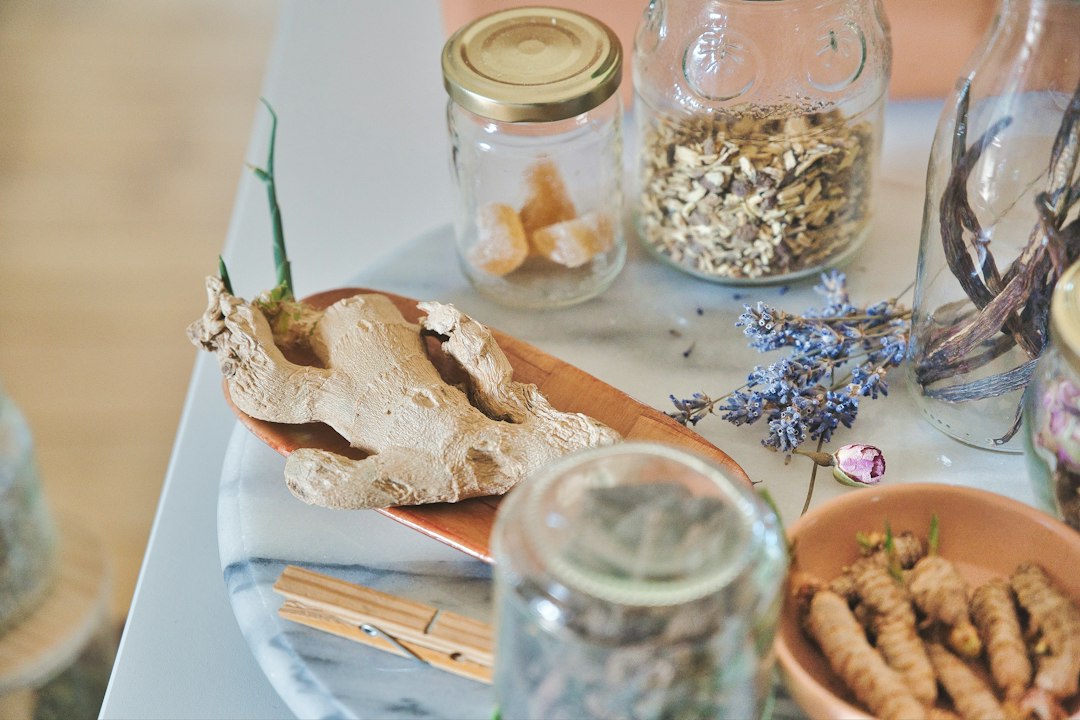
Roots like osha keep their character best in a tincture.
Getting osha root benefits at home is simple, because the root works well in a few common forms. Tincture is the most popular choice. Alcohol pulls the aromatic oils out of the root very well, and those oils give osha much of its character. A tincture also keeps for a long time in a cool, dark cupboard.
Some people prefer to chew a small piece of dried root. This is the traditional way, and the taste is strong, spicy, and bitter. Others make a tea. However, the volatile oils escape quickly in hot water, so cover the pot while it steeps. Many herbalists also add osha to honey or cough syrups.
Tips for Everyday Use
First, start with a small amount so you can learn how the herb suits you. Then, keep it on hand for the colder months, rather than waiting until you need it. Also, many people add a few drops of tincture to warm water or tea. That makes the strong taste easier to enjoy.
For dosing advice, please speak with a qualified herbalist or naturopathic doctor. They can look at your health history and suggest what fits you best.
Why Sourcing Matters With Osha
The key takeaway: osha needs careful sourcing. The plant is hard to cultivate, so most supply still comes from the wild. As a result, United Plant Savers lists osha on its At-Risk list. Buying from a trusted supplier helps protect wild populations.
There is a safety reason too. Osha shares its family with poison hemlock and water hemlock, and these deadly plants can look similar to an untrained eye. That’s why wild harvesting osha is best left to experienced people.
At Herbal Clinic, we make our osha tincture in Toronto using the classic tincturing method. Our herbalists check each batch by taste and smell before bottling. In short, you get a reliable tincture made with care, from a supplier we trust.
FAQ
- Superior Sourcing: Our herbs are sourced from all over the world to avoid seasonal fluctuations in availability, keeping herbs accessible. Our suppliers meet strict standards that ensure top quality herbs, most of which are organic, wildcrafted, sustainably grown, or grown using permaculture. We support local farmers and grow many of our own herbs.
- Superior Processing: Our tinctures are made using the classic tincturing method. The tinctures are made in a 1:5 ratio which allows for the optimal extraction of the herb. The alcohol percentage is strictly controlled depending on the herb and part of the plant that is used.
- Superior Selection: We take pride in our growing selection of over 300 individual herbs. If we don’t carry the herb you’re seeking, we can likely track it down for you.
- Superior Quality Control: Our tinctures are thoroughly tested by a third-party lab and with an organoleptic evaluation by our team of herbalists prior to final bottling.
- Superior Price: Our tinctures are more cost-effective than other tinctures on the market. With an eye towards efficiency, we keep our costs low by maintaining good relationships with our wide network of suppliers and ordering herbs in bulk quantities.
- We Care About the Environment: We repackage materials that are shipped to us (so don’t be surprised if our packages look different from time to time!). We recycle or reuse materials whenever possible. We turn the cardboard we receive from other suppliers into packing material. We donate to avoid waste to groups like Naturopaths Without Borders. Our workforce almost completely uses public transportation or bikes. We are powered using 100% renewable energy through Bullfrog Power.
- We Donate To Charity: We support many causes that make the world better. We donate a portion of our profits or products. These include charities that support environmental and natural sustainability.
Set up an online account and order through the website. If you don’t have an account and place an order, one will be created for you.
Click here to subscribe to our mailing list.
Our products are made in Toronto, Ontario, Canada by a team of Herbalists and Naturopathic Doctors. The herbs and ingredients we use to make our products are sourced both locally and globally to keep herbs accessible and sustainable.
The majority of our herbs are certified organic, sustainably wildcrafted, or come from small-scale local organic farms that do not yet have organic certification. We always do our best to provide organic herbs in your formulas. We work with a variety of suppliers to keep costs low.
Although most of our products do not contain gluten, we do not have gluten-free certification for our production facility. Feel free to ask about any specific products and we’ll share whatever information we have available.
For liability and regulatory reasons, we don’t make any claims as to how our herbs should be used, including dosing recommendations. Please review our disclaimer, as well as our terms and policies.