Spearmint Benefits: Meet the Gentler Mint
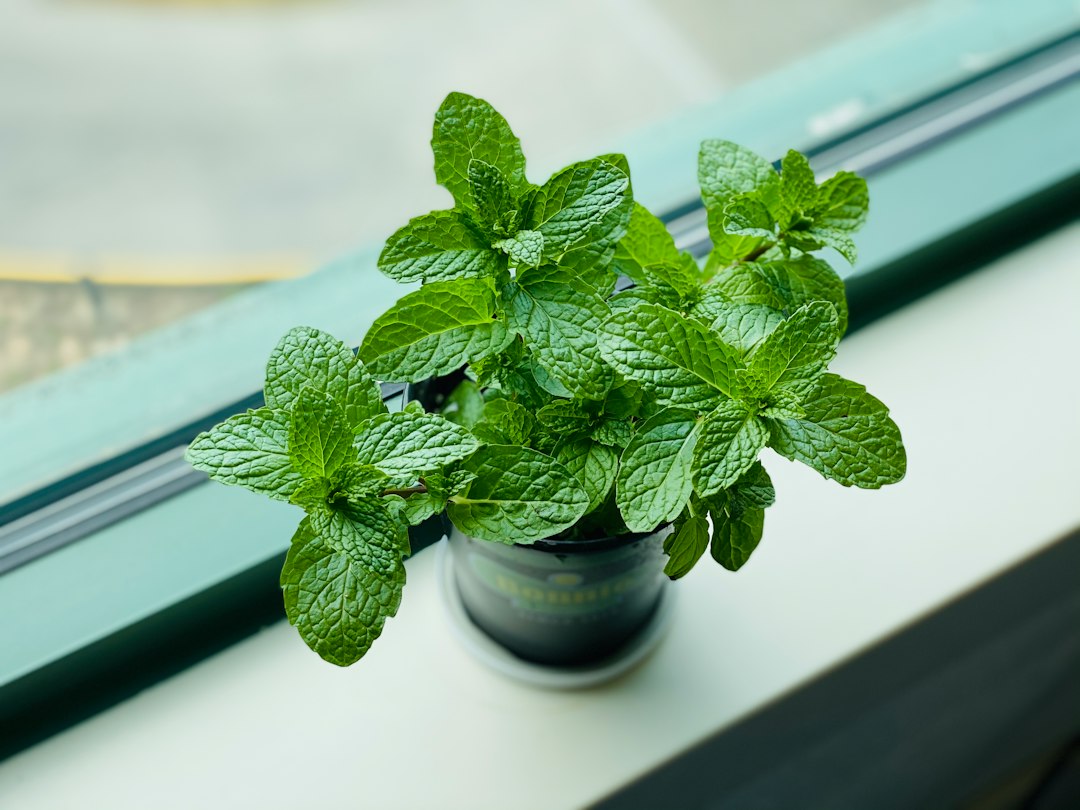
This fresh Mentha spicata plant is where spearmint benefits begin.
Spearmint benefits have made this herb a kitchen staple for thousands of years, and it still earns its place in the modern apothecary. If you find peppermint too sharp, spearmint may be the mint you have been looking for. It is softer, sweeter and easy to drink every day.
The botanical name of spearmint is Mentha spicata. It belongs to the mint family, Lamiaceae, along with rosemary, sage and lemon balm. The species name spicata means “spiked,” which describes the pointed flower spikes that appear in midsummer. Other common names include garden mint, common mint and lamb mint.
Where Spearmint Grows
Spearmint is native to Europe and southwest Asia. Today, however, it grows almost anywhere with moist soil and some sun. Gardeners know it well because it spreads quickly through underground runners. In fact, many people plant it in pots just to keep it contained.
You can recognize spearmint by its bright green, lance-shaped leaves. They have toothed edges and a slightly wrinkled surface. Unlike peppermint, the leaves sit almost directly on the stem. The small flowers are pale pink, lilac or white.
A Long History of Spearmint Benefits
People have valued this mint since ancient times. For example, Greek and Roman writers describe mint as a digestive herb and a fragrance for the table. Later, monks carried it across Europe and grew it in monastery gardens. Eventually, European settlers brought it to North America in the 1600s.
Spearmint also became central to North African tea culture. In Morocco, for instance, hosts brew fresh spearmint with green tea and sugar to welcome guests. That simple ritual shows how closely this herb ties together food, hospitality and wellness.
What Makes Spearmint Different From Peppermint?
Here’s how it works: the flavour difference comes down to chemistry. Peppermint is rich in menthol, which gives that strong cooling bite. Spearmint, on the other hand, contains very little menthol. Instead, its main aromatic compound is carvone, which gives a sweeter, rounder taste.
As a result, spearmint is often the better choice for children, sensitive stomachs and anyone who finds peppermint too strong. You can read more about its bolder cousin in our guide to peppermint for digestion.
The Main Spearmint Benefits for Digestion and Hormones
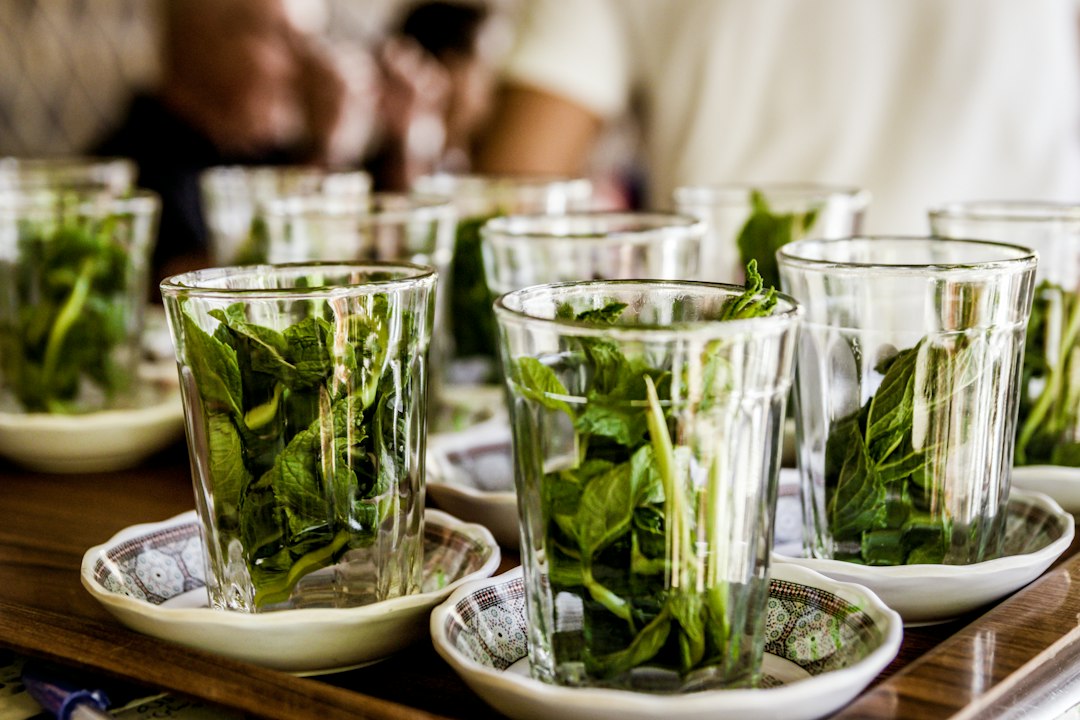
Fresh mint tea, a tradition across North Africa
So what does this herb actually do? The best-known spearmint benefits involve digestion, but researchers have also explored its effects on hormones and joints. Here is a plain look at each one.
Spearmint Benefits for Digestion
Spearmint is a classic carminative herb. That means it helps the body release trapped gas and eases the heavy feeling after a meal. Traditionally, herbalists have used it for bloating, mild indigestion and queasy stomachs. Its aromatic oils also help relax the smooth muscle of the gut, so cramping may ease as well.
Because spearmint is mild, many people also reach for it when they feel nauseous. For example, it is a common tea during travel or after a heavy meal. It also blends well with other digestive herbs such as fennel, ginger and chamomile. For more ideas, see our list of herbs to support your digestion.
Spearmint and Hormone Balance
This is where it gets interesting. Several small studies have looked at spearmint tea and androgens, the group of hormones that includes testosterone. In one 30-day trial, women with excess facial hair drank spearmint tea twice a day. Their free testosterone levels dropped, and they reported less unwanted hair.
Because of these findings, spearmint has become popular with people who manage hormonal acne or PCOS. However, the studies are small and short. Researchers still need larger trials before anyone can draw firm conclusions. Even so, the early results are encouraging for such a gentle, everyday herb.
Antioxidants and Joint Comfort
Spearmint contains rosmarinic acid, a plant compound with antioxidant and anti-inflammatory activity. Some growers now breed spearmint varieties with extra rosmarinic acid. In a small study of people with knee osteoarthritis, participants who drank a high-rosmarinic spearmint tea reported less stiffness and better physical function. So while these newer spearmint benefits still need more study, the herb may offer gentle support as part of a broader routine.
Other Traditional Uses
Beyond digestion, folk herbalists have also used spearmint for colds, headaches and bad breath. Its fresh scent lifts the mood, and many people simply find a warm cup calming. In addition, the leaves add a pleasant flavour to blends that might otherwise taste bitter. The key takeaway: spearmint is a gentle, versatile herb that works well alone or in a formula.
How to Get Spearmint Benefits at Home
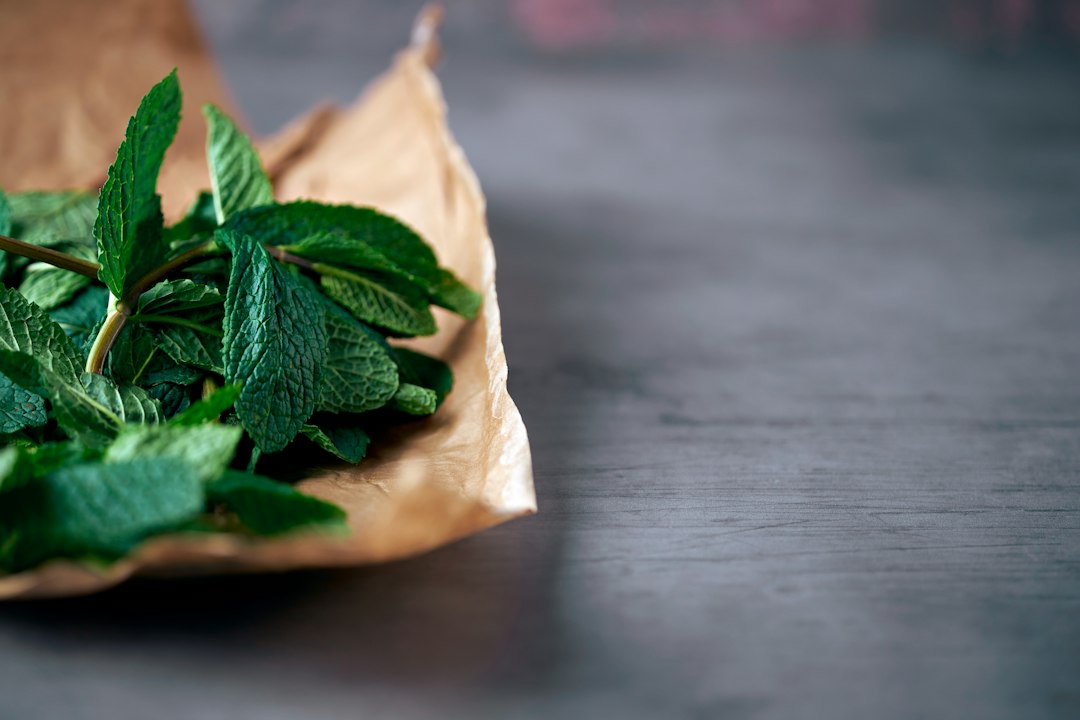
Spearmint leaves ready for tea or drying
Spearmint benefits are easy to enjoy because the herb is so simple to prepare. Most people use it as a tea or a tincture. Both forms keep the aromatic oils that give the plant its character.
Making Spearmint Tea
First, place a spoonful of dried spearmint leaf in a cup. Next, pour freshly boiled water over the leaves. Then cover the cup and let it steep for five to ten minutes. Covering the cup matters, because it keeps the volatile oils from escaping with the steam. Finally, strain the tea and enjoy it hot, or let it cool for iced tea.
Fresh leaves work too. Simply bruise a few sprigs between your fingers to release the oils before steeping. Spearmint also pairs well with lemon balm, chamomile or a slice of fresh ginger.
Using a Spearmint Tincture
A tincture is a concentrated liquid extract of the herb in alcohol and water. It offers a convenient option when you are busy or travelling. Many people add the drops to a little water or tea. Because we don’t give dosing advice, please follow the product label or talk to a qualified herbalist about your needs.
Getting the Most From Spearmint Benefits
So how can you fit spearmint into your daily routine? Try a cup after dinner to settle your stomach. Alternatively, keep a jug of iced spearmint tea in the fridge during warm months. You can also add it to formulas that need a lighter, friendlier taste.
Spearmint is generally well tolerated. Even so, mints can relax the valve at the top of the stomach and make heartburn worse for people with reflux. If you are pregnant, nursing or taking medication, check with a healthcare practitioner first. This matters most if you plan to use spearmint for hormonal concerns.
How Herbal Clinic Makes Spearmint Products
At Herbal Clinic, our team of herbalists makes our tinctures in Toronto. We use the classic tincturing method at a 1:5 ratio, and we match the alcohol percentage to each plant. As a result, every bottle captures the full aromatic profile of the leaf. We also offer spearmint in combination formulas, such as our Burdock and Spearmint Combo.
FAQ
- Superior Sourcing: Our herbs are sourced from all over the world to avoid seasonal fluctuations in availability, keeping herbs accessible. Our suppliers meet strict standards that ensure top quality herbs, most of which are organic, wildcrafted, sustainably grown, or grown using permaculture. We support local farmers and grow many of our own herbs.
- Superior Processing: Our tinctures are made using the classic tincturing method. The tinctures are made in a 1:5 ratio which allows for the optimal extraction of the herb. The alcohol percentage is strictly controlled depending on the herb and part of the plant that is used.
- Superior Selection: We take pride in our growing selection of over 300 individual herbs. If we don’t carry the herb you’re seeking, we can likely track it down for you.
- Superior Quality Control: Our tinctures are thoroughly tested by a third-party lab and with an organoleptic evaluation by our team of herbalists prior to final bottling.
- Superior Price: Our tinctures are more cost-effective than other tinctures on the market. With an eye towards efficiency, we keep our costs low by maintaining good relationships with our wide network of suppliers and ordering herbs in bulk quantities.
- We Care About the Environment: We repackage materials that are shipped to us (so don’t be surprised if our packages look different from time to time!). We recycle or reuse materials whenever possible. We turn the cardboard we receive from other suppliers into packing material. We donate to avoid waste to groups like Naturopaths Without Borders. Our workforce almost completely uses public transportation or bikes. We are powered using 100% renewable energy through Bullfrog Power.
- We Donate To Charity: We support many causes that make the world better. We donate a portion of our profits or products. These include charities that support environmental and natural sustainability.
Set up an online account and order through the website. If you don’t have an account and place an order, one will be created for you.
Click here to subscribe to our mailing list.
Our products are made in Toronto, Ontario, Canada by a team of Herbalists and Naturopathic Doctors. The herbs and ingredients we use to make our products are sourced both locally and globally to keep herbs accessible and sustainable.
The majority of our herbs are certified organic, sustainably wildcrafted, or come from small-scale local organic farms that do not yet have organic certification. We always do our best to provide organic herbs in your formulas. We work with a variety of suppliers to keep costs low.
Although most of our products do not contain gluten, we do not have gluten-free certification for our production facility. Feel free to ask about any specific products and we’ll share whatever information we have available.
For liability and regulatory reasons, we don’t make any claims as to how our herbs should be used, including dosing recommendations. Please review our disclaimer, as well as our terms and policies.