Bilberry Leaf Benefits: Meet the Leaf Behind the Berry

Wild bilberry shrubs in autumn, where bilberry leaf benefits begin.
Bilberry leaf benefits often get lost behind the fame of the berry, yet herbalists have valued the leaf in its own right for centuries. Most people know bilberry as the little blue fruit linked to eyesight. However, the leaves have a very different character and a separate set of traditional uses. So if you have only ever heard about the berries, the leaf is worth a closer look.
What Is Bilberry?
The botanical name of bilberry is Vaccinium myrtillus. It belongs to the heath family, Ericaceae, along with blueberry, cranberry, lingonberry and heather. The species name myrtillus means “little myrtle,” because the small leaves reminded early botanists of myrtle. Other common names include European blueberry, whortleberry, whinberry and, in Scotland, blaeberry.
Where Bilberry Grows
Bilberry is a low, bushy shrub native to northern Europe and parts of Asia. It thrives in acidic soil, so you will find it on open heaths, in mountain meadows and under pine and spruce forests. Most plants stand only 20 to 60 centimetres tall. Unlike blueberries, bilberry is rarely farmed. Instead, foragers still gather most of the harvest from the wild.
You can recognize the plant by its angular green stems and small oval leaves with finely toothed edges. In spring, it produces pink, lantern-shaped flowers. Each flower then becomes a single dark blue berry. Later, in autumn, the leaves turn brilliant shades of red and orange and paint whole hillsides in colour.
How Bilberry Differs From Blueberry
Here’s why that matters: bilberry and blueberry look alike, but they are not the same plant. A bilberry is smaller and softer, and it grows singly or in pairs rather than in clusters. Cut one open, and the flesh is deep purple all the way through. By contrast, most cultivated blueberries have pale green flesh.
That deep colour comes from anthocyanins, the pigments that made the berry famous. Because of them, the fruit became the family’s best-known “eye herb.” For another plant with a long eye-related history, read our guide to eyebright for eye irritation.
A Long History of Bilberry Leaf Benefits
Folk healers in Europe have used both parts of the plant for generations. For example, they dried the berries for winter stomach upsets and brewed the leaves into a plain, slightly bitter tea. In particular, country herbalists gave bilberry leaf tea to people with “sugar” in the urine, long before modern blood tests existed.
Early in the twentieth century, researchers even studied extracts of Vaccinium leaves as a possible aid for blood sugar. Once insulin arrived, though, that research largely faded. Today, however, bilberry leaf benefits are drawing fresh interest again.
Bilberry Leaf Benefits: Traditional Uses and Research
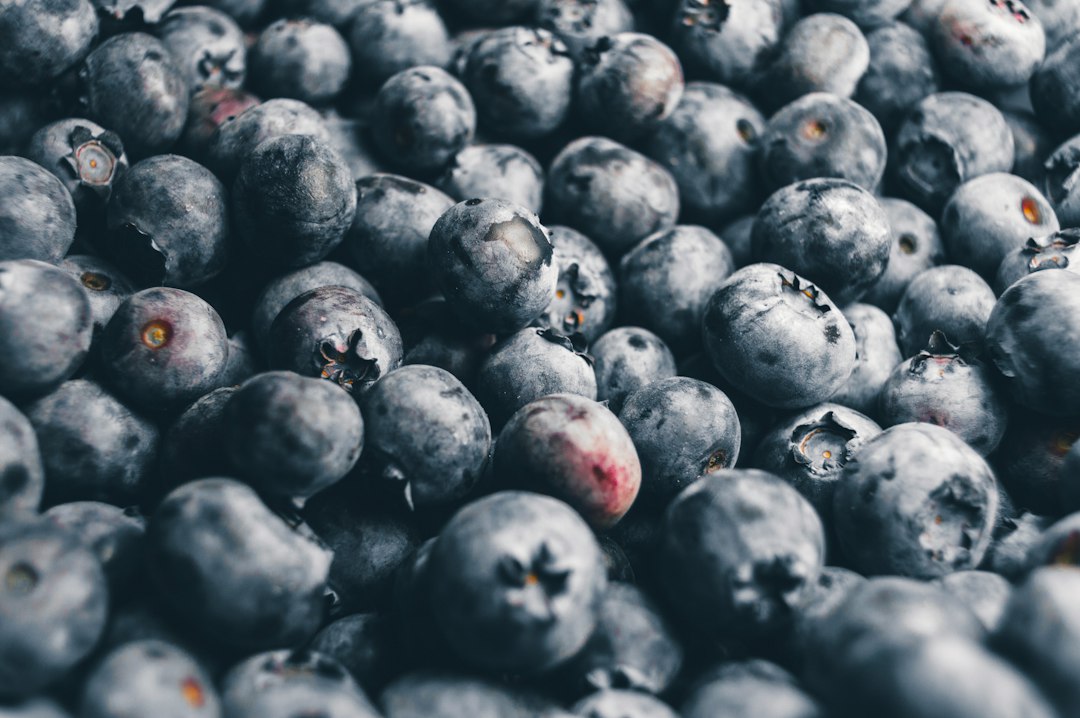
The berries get the fame, but the leaves have their own uses.
So what does the leaf actually offer? The main bilberry leaf benefits fall into three groups: blood sugar support, astringent action and antioxidant protection. Here is a plain look at each one, along with what the research does and doesn’t show.
Bilberry Leaf Benefits for Blood Sugar
Blood sugar support is the oldest and best-known use of the leaf. Traditionally, European herbalists added it to “diabetic teas” alongside herbs such as goat’s rue and bean pods. Modern lab and animal studies have looked at this use with some interest. For example, in studies on rats, bilberry leaf extract lowered blood sugar and blood fats. Researchers think the leaf’s polyphenols may slow how quickly the body absorbs sugar from food.
However, human research is still thin. So far, no large clinical trials confirm the effect in people. That means bilberry leaf is best seen as a traditional, supportive herb rather than a replacement for medical care. If you want to learn about a related herb, read our guide to gymnema for sugar cravings.
A Gentle Astringent Herb
Here’s how it works: bilberry leaves are rich in tannins. Tannins bind to proteins on the surface of tissues and tighten them slightly. You feel the same dry, puckering effect when you sip strong black tea. As a result, herbalists have long used astringent herbs for loose stools and for irritated mouth and throat tissue.
Astringency is one of the most practical bilberry leaf benefits. For instance, a cooled cup of the tea makes a traditional gargle for sore gums and a scratchy throat. In addition, the leaf shares some ground with its relative uva ursi, a heath-family herb known for urinary support. Some folk traditions used bilberry leaf in a similar way, although the evidence here is mostly historical.
Antioxidant Compounds in the Leaf
This is where it gets interesting. Some studies have found that bilberry leaves hold more total polyphenols than the berries themselves. These include quercetin, hyperoside, catechins and chlorogenic acid, the same compound found in coffee. Together, these plant compounds act as antioxidants, which help protect cells from everyday oxidative stress. The key takeaway: the berry gets the attention, but the leaf is a rich source of plant compounds too.
For a balanced overview of the research on bilberry, see the NCCIH bilberry fact sheet. It focuses mostly on the fruit, but it also gives useful context on safety and evidence.
How to Enjoy Bilberry Leaf Benefits at Home
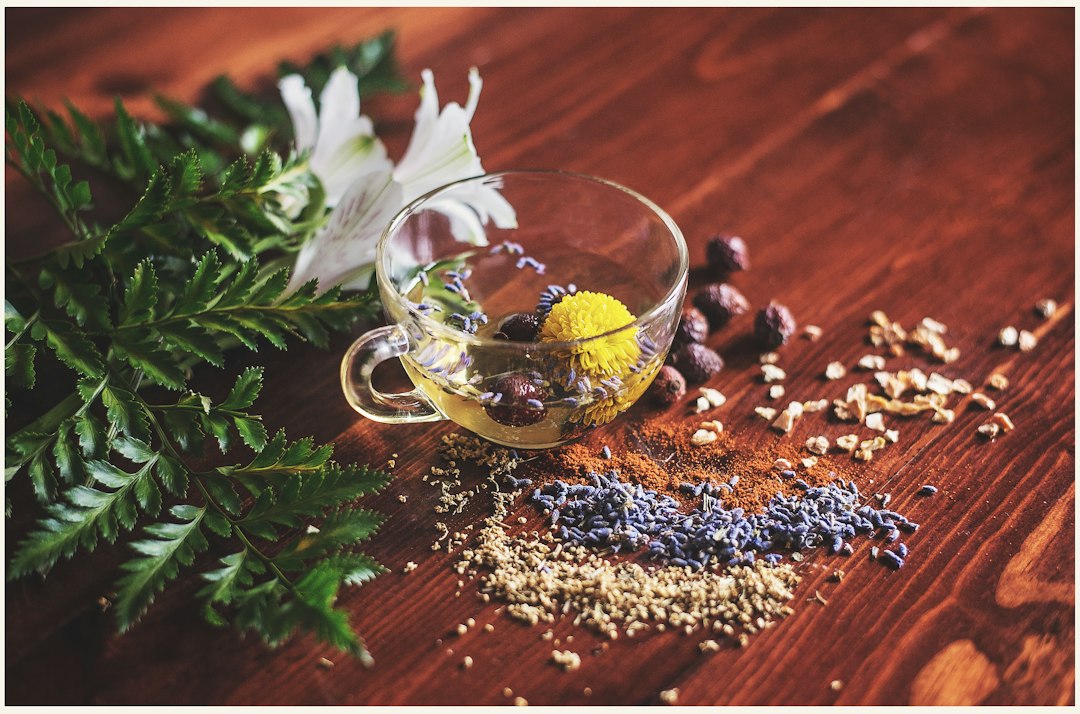
A simple cup of tea is the easiest way to try the leaf.
Bilberry leaf benefits are easy to explore because the herb is simple to prepare. Most people use it as a tea or a tincture. Both forms capture the tannins and polyphenols that give the leaf its character.
Making Bilberry Leaf Tea
First, place a spoonful of dried bilberry leaf in a cup. Next, pour freshly boiled water over the leaves. Then cover the cup and let it steep for about ten minutes. Finally, strain the tea and drink it warm. The flavour is mild, a little green and slightly dry on the tongue. If you find it too astringent, try a shorter steep or blend it with peppermint or lemon balm.
Using a Bilberry Leaf Tincture
A tincture is a concentrated liquid extract of the herb in alcohol and water. It offers a convenient option when you are busy or travelling. Many people add the drops to a little water or tea. Because we don’t give dosing advice, please follow the product label or talk to a qualified herbalist about your needs. Curious how tinctures come together? Our beginner’s guide to making a tincture walks through the process.
Safety Notes
Bilberry leaf is best suited to short-term use. In fact, German health authorities have long advised against taking the leaf in large amounts for long periods. Its tannins can also reduce iron absorption, so keep it away from meals if you watch your iron levels. Also, if you take medication for blood sugar, the leaf may add to its effect. For that reason, talk to your healthcare practitioner before you start. Finally, avoid bilberry leaf during pregnancy and breastfeeding, since there is little safety data.
How Herbal Clinic Makes Bilberry Leaf Tincture
At Herbal Clinic, our team of herbalists makes our tinctures in Toronto. We use the classic tincturing method at a 1:5 ratio, and we match the alcohol percentage to each plant. As a result, every bottle of our Bilberry Leaf captures the full range of the leaf’s tannins and polyphenols. So whether you prefer a warm cup of tea or a few drops in water, bilberry leaf benefits fit easily into a simple routine.
FAQ
- Superior Sourcing: Our herbs are sourced from all over the world to avoid seasonal fluctuations in availability, keeping herbs accessible. Our suppliers meet strict standards that ensure top quality herbs, most of which are organic, wildcrafted, sustainably grown, or grown using permaculture. We support local farmers and grow many of our own herbs.
- Superior Processing: Our tinctures are made using the classic tincturing method. The tinctures are made in a 1:5 ratio which allows for the optimal extraction of the herb. The alcohol percentage is strictly controlled depending on the herb and part of the plant that is used.
- Superior Selection: We take pride in our growing selection of over 300 individual herbs. If we don’t carry the herb you’re seeking, we can likely track it down for you.
- Superior Quality Control: Our tinctures are thoroughly tested by a third-party lab and with an organoleptic evaluation by our team of herbalists prior to final bottling.
- Superior Price: Our tinctures are more cost-effective than other tinctures on the market. With an eye towards efficiency, we keep our costs low by maintaining good relationships with our wide network of suppliers and ordering herbs in bulk quantities.
- We Care About the Environment: We repackage materials that are shipped to us (so don’t be surprised if our packages look different from time to time!). We recycle or reuse materials whenever possible. We turn the cardboard we receive from other suppliers into packing material. We donate to avoid waste to groups like Naturopaths Without Borders. Our workforce almost completely uses public transportation or bikes. We are powered using 100% renewable energy through Bullfrog Power.
- We Donate To Charity: We support many causes that make the world better. We donate a portion of our profits or products. These include charities that support environmental and natural sustainability.
Set up an online account and order through the website. If you don’t have an account and place an order, one will be created for you.
Click here to subscribe to our mailing list.
Our products are made in Toronto, Ontario, Canada by a team of Herbalists and Naturopathic Doctors. The herbs and ingredients we use to make our products are sourced both locally and globally to keep herbs accessible and sustainable.
The majority of our herbs are certified organic, sustainably wildcrafted, or come from small-scale local organic farms that do not yet have organic certification. We always do our best to provide organic herbs in your formulas. We work with a variety of suppliers to keep costs low.
Although most of our products do not contain gluten, we do not have gluten-free certification for our production facility. Feel free to ask about any specific products and we’ll share whatever information we have available.
For liability and regulatory reasons, we don’t make any claims as to how our herbs should be used, including dosing recommendations. Please review our disclaimer, as well as our terms and policies.