Butterfly Weed: The Source of Pleurisy Root Benefits

Pleurisy root benefits start with this bright orange prairie flower, Asclepias tuberosa.
Across North America, pleurisy root benefits have a long history in herbalism. The plant behind them may already grow in your garden. Its bright orange flowers feed monarch butterflies all summer. However, herbalists care most about what grows below the ground.
Pleurisy root is the dried root of Asclepias tuberosa, a member of the milkweed family. Gardeners know it as butterfly weed. Other common names include orange milkweed, chigger flower and Canada root. Unlike most milkweeds, it has clear sap instead of milky latex.
The plant is native to eastern and central North America, including southern Ontario. It grows in dry, sunny meadows, prairies and roadsides. In addition, it thrives in poor, sandy soil where other wildflowers struggle. The Missouri Botanical Garden butterfly weed profile describes it as a tough, drought-tolerant perennial.
Where the Name Comes From
The name tells you how people used it. Pleurisy is an inflammation of the lining around the lungs, and it makes every breath painful. So when early settlers called this plant pleurisy root, they were naming the job they gave it.
Indigenous peoples used the root long before that. For example, several nations chewed the raw root or brewed it as a tea for chest complaints, coughs and fevers. Later, the Eclectic physicians of the 1800s adopted it widely. They valued it as a gentle remedy for chest colds and feverish states.
Here’s why that matters: pleurisy root is not a trendy newcomer. Instead, it comes from a long line of practical, hands-on herbal medicine. That history is still the best guide to the pleurisy root benefits people look for today.
The root itself is thick, knobby and pale brown. Herbalists dig it in the fall, once the plant has pulled its energy back underground. After that, they clean, slice and dry it before making tinctures or teas.
Pleurisy Root Benefits for the Lungs and Chest
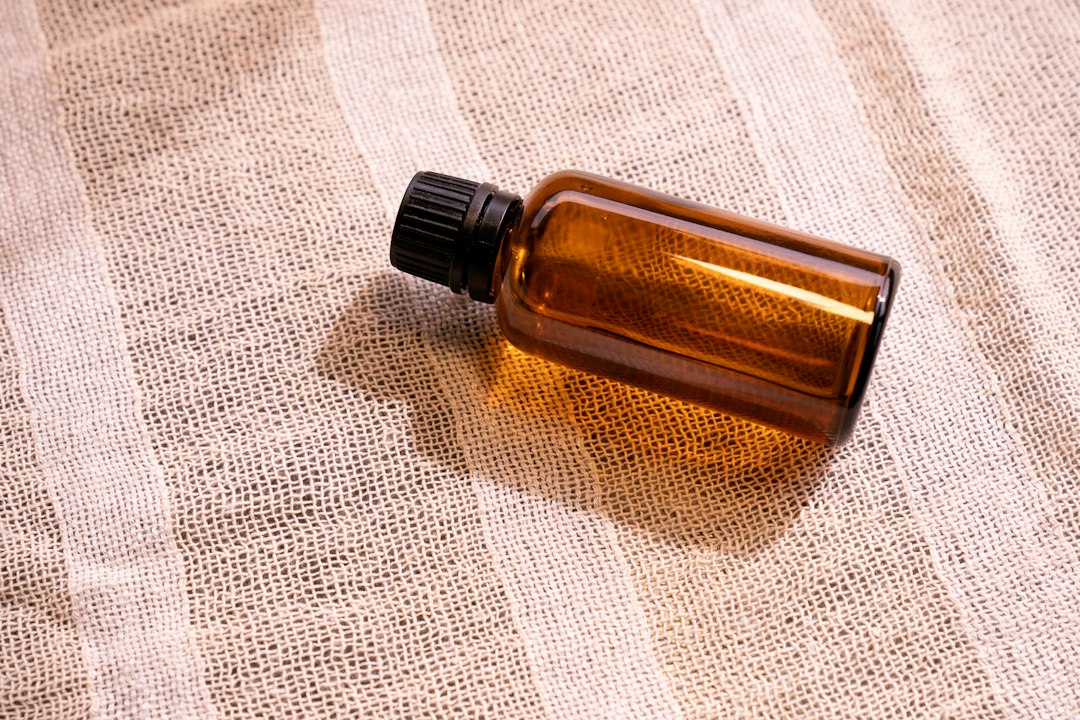
A tincture is the simplest way to keep pleurisy root on hand through cold season.
So what are the main pleurisy root benefits? Traditionally, herbalists reach for it in three situations: tight chest colds, dry coughs and feverish states. Each of these uses connects back to how the root acts on the lungs and the skin.
A Traditional Herb for Chest Colds
Herbalists describe pleurisy root as a lung herb that helps a stuck cough move. When mucus feels thick and hard to bring up, they traditionally use it to thin that mucus. As a result, each cough may feel more productive, and the chest may feel less heavy.
It also has a long reputation for easing painful breathing. That is where the name comes from, after all. For this reason, herbalists often pair it with other respiratory herbs, such as elecampane root or mullein.
Pleurisy Root Benefits During a Fever
Pleurisy root is also a diaphoretic. In plain terms, that means it encourages gentle sweating. Herbalists have long used sweating herbs to help the body move through a fever instead of fighting against it. That is why pleurisy root often appears in old cold and flu formulas alongside yarrow, elder flower and ginger.
This is where it gets interesting. Many diaphoretic herbs are hot and stimulating, like cayenne or ginger. Herbalists, however, consider pleurisy root a relaxing diaphoretic. It suits a person who feels hot, dry and restless rather than chilled.
What Is in the Root?
Researchers have found flavonoids, triterpenes and a group of compounds called cardiac glycosides in milkweed roots. The glycosides appear in small amounts, yet they are the reason this herb calls for respect. Modern research on pleurisy root benefits is very limited. So most of what we know comes from traditional and Eclectic practice, not clinical trials.
The key takeaway: pleurisy root is a focused herb. It shines for the chest, the lungs and the fever stage of a cold. Also, it tends to work best as part of a thoughtful blend.
How to Get Pleurisy Root Benefits at Home
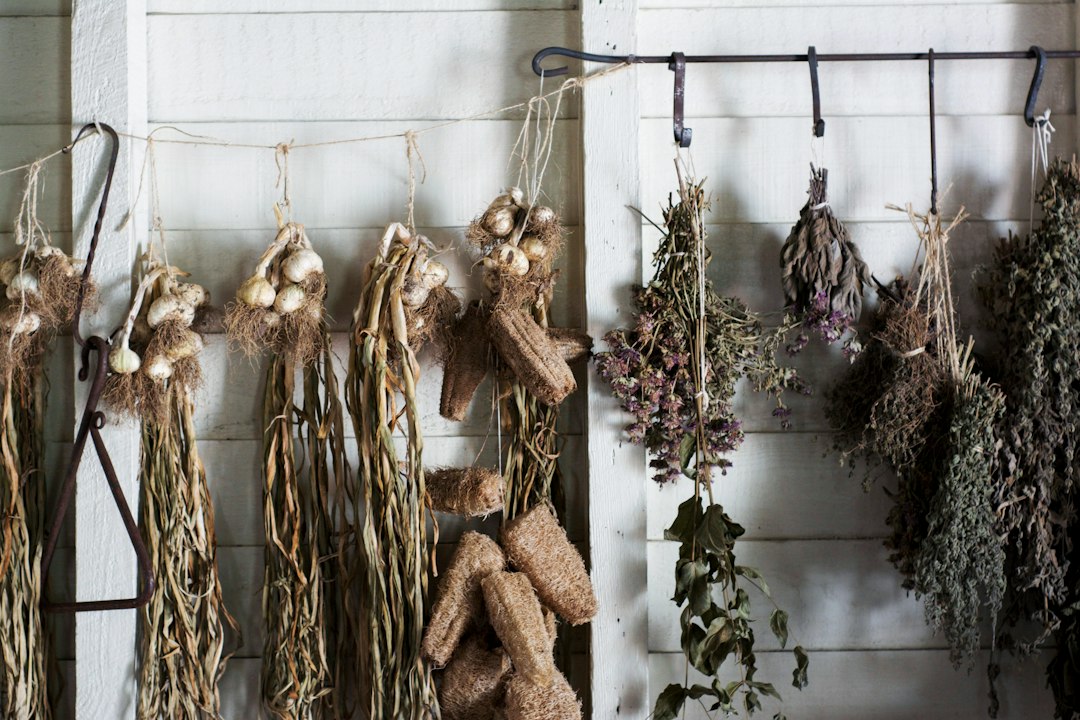
Dried roots and herbs, ready for tinctures and teas.
The easiest way to enjoy pleurisy root benefits is a tincture. A tincture keeps for years, fits in a pocket and mixes easily into a little water. We make our Pleurisy Root tincture from the dried root in small batches here in Toronto.
Tincture or Tea?
Some people prefer a tea. To make one, simmer the dried, chopped root in water for 10 to 15 minutes, then strain. The flavour is bitter and earthy, so many herbalists blend it with mint, ginger or licorice. Also, a warm cup adds its own comfort when your chest feels tight.
Pleurisy root works well in blends, too. For example, a classic chest blend might combine it with elecampane, mullein and licorice. Meanwhile, a fever blend might pair it with yarrow and elder flower. If you want a custom formula, our herbalists can make one for you.
Safety Notes
Because of its cardiac glycosides, pleurisy root is not an everyday tonic. Large amounts can cause nausea and vomiting. In addition, avoid it during pregnancy and breastfeeding. Skip it as well if you take heart medications such as digoxin. Always talk to your healthcare practitioner before you start a new herb, especially if you have a heart condition.
Also, never dig wild milkweed roots unless you know the plant well. Butterfly weed is an important food source for monarchs, so buying from a trusted supplier helps protect wild stands.
How Herbal Clinic Makes It
At Herbal Clinic, we tincture pleurisy root using the classic method at a 1:5 ratio. First, we source quality dried root from trusted suppliers. Then our team of herbalists checks every batch by taste and smell before bottling. Finally, a third-party lab tests our tinctures before they reach you.
In the end, pleurisy root benefits fit into a bigger picture of rest, fluids, warmth and time. Used with care, this bright prairie plant still earns its place in the winter herb cupboard.
FAQ
- Superior Sourcing: Our herbs are sourced from all over the world to avoid seasonal fluctuations in availability, keeping herbs accessible. Our suppliers meet strict standards that ensure top quality herbs, most of which are organic, wildcrafted, sustainably grown, or grown using permaculture. We support local farmers and grow many of our own herbs.
- Superior Processing: Our tinctures are made using the classic tincturing method. The tinctures are made in a 1:5 ratio which allows for the optimal extraction of the herb. The alcohol percentage is strictly controlled depending on the herb and part of the plant that is used.
- Superior Selection: We take pride in our growing selection of over 300 individual herbs. If we don’t carry the herb you’re seeking, we can likely track it down for you.
- Superior Quality Control: Our tinctures are thoroughly tested by a third-party lab and with an organoleptic evaluation by our team of herbalists prior to final bottling.
- Superior Price: Our tinctures are more cost-effective than other tinctures on the market. With an eye towards efficiency, we keep our costs low by maintaining good relationships with our wide network of suppliers and ordering herbs in bulk quantities.
- We Care About the Environment: We repackage materials that are shipped to us (so don’t be surprised if our packages look different from time to time!). We recycle or reuse materials whenever possible. We turn the cardboard we receive from other suppliers into packing material. We donate to avoid waste to groups like Naturopaths Without Borders. Our workforce almost completely uses public transportation or bikes. We are powered using 100% renewable energy through Bullfrog Power.
- We Donate To Charity: We support many causes that make the world better. We donate a portion of our profits or products. These include charities that support environmental and natural sustainability.
Set up an online account and order through the website. If you don’t have an account and place an order, one will be created for you.
Click here to subscribe to our mailing list.
Our products are made in Toronto, Ontario, Canada by a team of Herbalists and Naturopathic Doctors. The herbs and ingredients we use to make our products are sourced both locally and globally to keep herbs accessible and sustainable.
The majority of our herbs are certified organic, sustainably wildcrafted, or come from small-scale local organic farms that do not yet have organic certification. We always do our best to provide organic herbs in your formulas. We work with a variety of suppliers to keep costs low.
Although most of our products do not contain gluten, we do not have gluten-free certification for our production facility. Feel free to ask about any specific products and we’ll share whatever information we have available.
For liability and regulatory reasons, we don’t make any claims as to how our herbs should be used, including dosing recommendations. Please review our disclaimer, as well as our terms and policies.