What Is Grindelia? A Look at Grindelia for Chest Tightness
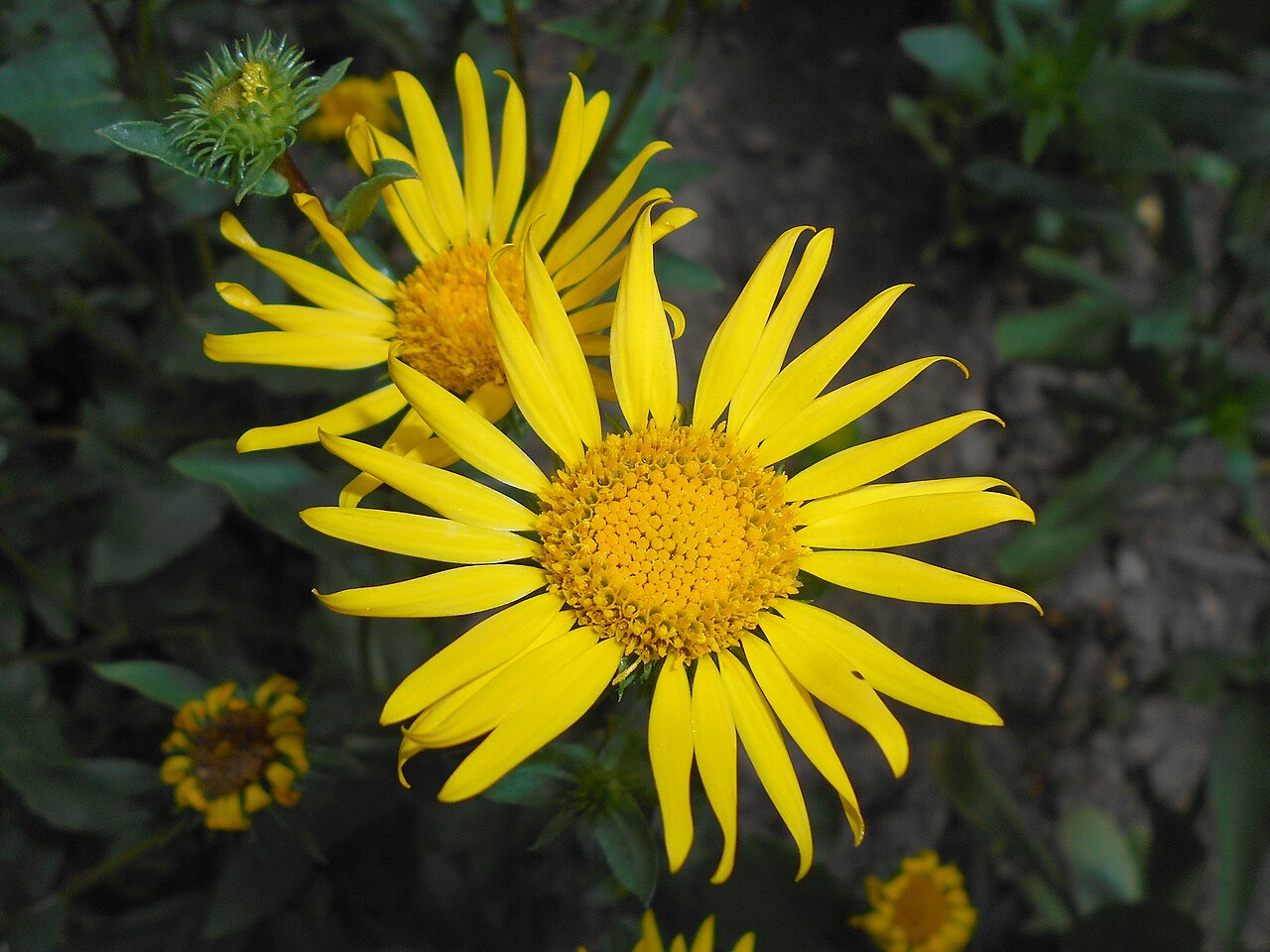
Grindelia for chest tightness comes from this sticky prairie flower, Grindelia squarrosa.
Grindelia for chest tightness is an old prairie remedy that deserves a second look this cough season. If your chest feels tight and your cough stays dry, this sticky yellow flower may be the herb you have been missing.
Grindelia goes by a few common names, including gumweed, curlycup gumweed and tarweed. Botanists call the main species Grindelia squarrosa, and it belongs to the daisy family (Asteraceae). A close cousin, Grindelia robusta, also shows up in older herbal texts.
So why the name gumweed? First, look closely at the flower buds. They ooze a white, sticky resin that coats your fingers when you touch them. In addition, the green bracts under each bud curl backward like tiny hooks, which explains the name curlycup.
Where Grindelia Grows
Grindelia is native to western North America. It thrives on dry prairies, roadsides and disturbed ground, from the Canadian Prairies down to Mexico. The USDA PLANTS database maps it across much of the continent. In fact, it often grows where little else will, because it tolerates poor, alkaline soil and long dry spells.
The plant stands about 30 to 90 cm tall, with stiff stems and toothed, clasping leaves. Then, from midsummer into fall, it opens bright yellow, daisy-like flowers. Herbalists harvest the flowering tops and leaves while the buds are still gummy, because that resin carries much of the plant’s character.
A Long History of Use
Plains Indigenous peoples used gumweed long before settlers arrived. For example, they applied the sticky flowers to skin rashes and made preparations for coughs and colds. Later, physicians in the United States took notice. As a result, grindelia appeared in the U.S. Pharmacopeia from 1882 to 1926.
Doctors of that era, especially the Eclectics, reached for grindelia for asthma, bronchitis and whooping cough. Today, herbalists still value grindelia for chest tightness that comes with a dry, spasmodic cough. Here’s why that matters: few herbs combine a relaxing and a clearing action in one plant.
Why Herbalists Choose Grindelia for Chest Tightness
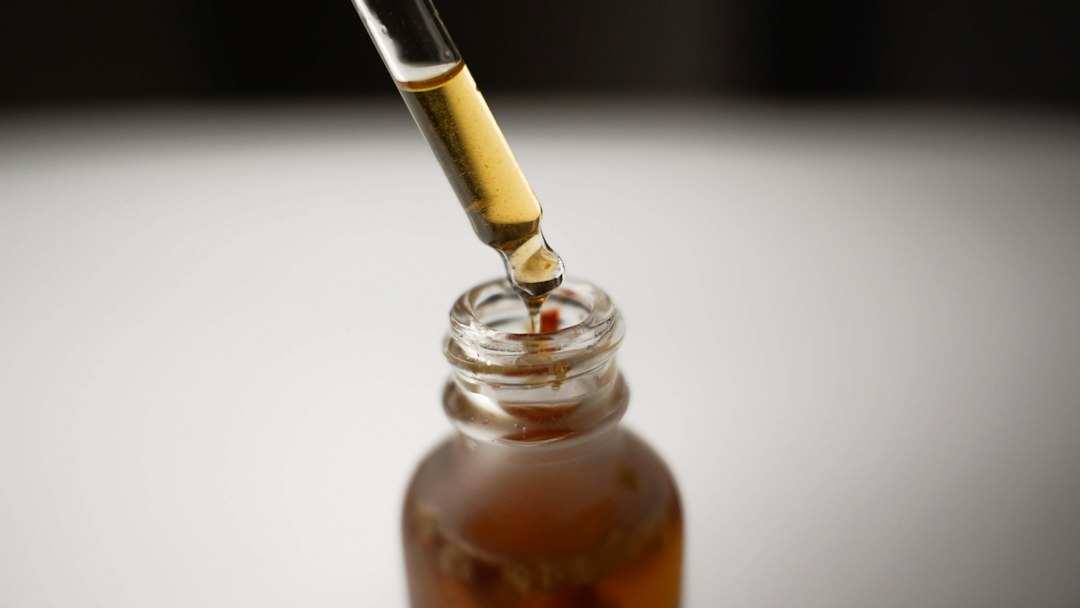
Alcohol draws grindelia’s sticky resin into the tincture.
Grindelia for chest tightness has a two-part reputation in traditional herbal texts. First, it relaxes. Second, it helps the body move mucus. That combination makes it a natural fit for coughs that feel tight, dry and stuck.
Grindelia for Chest Tightness and Dry Coughs
Herbalists describe grindelia as a relaxing expectorant. In plain terms, it has a traditional reputation for easing spasm in the airways while thinning stubborn phlegm. So when a cough comes in tight, hacking bursts, grindelia is one of the herbs practitioners reach for.
But there’s more to it than that. Older herbalists believed the plant’s resin left the body partly through the lungs. Modern research has not settled that idea. Still, it helps explain why grindelia earned its place as a chest herb.
In addition, Germany’s Commission E, an expert panel that reviewed herbal medicines, approved grindelia herb for catarrh of the upper airways. Catarrh simply means mucus congestion. That is why many herbalists keep grindelia for chest tightness in their cold-season kit.
What’s Inside the Sticky Resin
Resin makes up a large share of the dried flowering tops, often around 20%. This resin contains diterpene acids, including one called grindelic acid. The plant also holds flavonoids, saponins, tannins and a small amount of volatile oil.
So what does this mean for you? Herbalists link saponins with loosening mucus, and the resin and flavonoids may account for the soothing reputation. However, most of the research so far comes from lab studies rather than large human trials.
Grindelia also has a long topical history. For example, Indigenous peoples and early settlers applied it to poison ivy rashes, insect bites and minor burns. Today, some herbalists still add it to washes and salves for itchy, irritated skin.
On top of that, it blends well with other lung herbs. For instance, many formulas pair it with mullein for respiratory health. Others add elecampane root, a warming, clearing herb for wet coughs.
How to Use Grindelia for Chest Tightness at Home

Herbalists dry the flowering tops while the buds are still gummy.
Most people take grindelia for chest tightness as a tincture, since alcohol pulls the sticky resin out of the plant well. Water does a poorer job with resins, so teas tend to be weaker and quite bitter.
Tincture, Tea and Topical Forms
- Tincture: the most common form. Take it in a little water, following the label or your practitioner’s advice.
- Tea: steep the dried flowering tops in hot water. Expect a bitter, resinous taste, so many people add honey.
- Topical wash or compress: dilute the tincture in water and apply it to irritated skin with a clean cloth.
Here’s how it fits into daily life. During cold season, some people keep a grindelia blend on hand alongside gentler herbs. For example, it pairs well with thyme tincture for cough or horehound for chest congestion. Warm drinks, rest and humid air also help a dry, tight chest feel more comfortable.
Who Should Be Careful
Grindelia suits short-term use rather than open-ended daily use. Large amounts may irritate the kidneys and stomach, so stay within the label directions. Also, avoid grindelia during pregnancy and breastfeeding, because safety data is limited. If you have a daisy-family allergy, such as ragweed, take extra care.
Finally, see a doctor for a cough that lasts more than a couple of weeks, brings a fever or causes wheezing. Herbs can support comfort, but they don’t replace a proper diagnosis. If you take prescription medicines, check with your pharmacist or practitioner before you start.
At Herbal Clinic, our herbalists make grindelia tincture in Toronto using the classic tincturing method. We extract the dried flowering tops at a 1:5 ratio and set the alcohol percentage to suit this resinous plant. Then, a third-party lab tests each tincture, and our team checks its taste, smell and look before bottling. So if you want to try grindelia for chest tightness this winter, start with a single-herb tincture and see how your body responds.
FAQ
- Superior Sourcing: Our herbs are sourced from all over the world to avoid seasonal fluctuations in availability, keeping herbs accessible. Our suppliers meet strict standards that ensure top quality herbs, most of which are organic, wildcrafted, sustainably grown, or grown using permaculture. We support local farmers and grow many of our own herbs.
- Superior Processing: Our tinctures are made using the classic tincturing method. The tinctures are made in a 1:5 ratio which allows for the optimal extraction of the herb. The alcohol percentage is strictly controlled depending on the herb and part of the plant that is used.
- Superior Selection: We take pride in our growing selection of over 300 individual herbs. If we don’t carry the herb you’re seeking, we can likely track it down for you.
- Superior Quality Control: Our tinctures are thoroughly tested by a third-party lab and with an organoleptic evaluation by our team of herbalists prior to final bottling.
- Superior Price: Our tinctures are more cost-effective than other tinctures on the market. With an eye towards efficiency, we keep our costs low by maintaining good relationships with our wide network of suppliers and ordering herbs in bulk quantities.
- We Care About the Environment: We repackage materials that are shipped to us (so don’t be surprised if our packages look different from time to time!). We recycle or reuse materials whenever possible. We turn the cardboard we receive from other suppliers into packing material. We donate to avoid waste to groups like Naturopaths Without Borders. Our workforce almost completely uses public transportation or bikes. We are powered using 100% renewable energy through Bullfrog Power.
- We Donate To Charity: We support many causes that make the world better. We donate a portion of our profits or products. These include charities that support environmental and natural sustainability.
Set up an online account and order through the website. If you don’t have an account and place an order, one will be created for you.
Click here to subscribe to our mailing list.
Our products are made in Toronto, Ontario, Canada by a team of Herbalists and Naturopathic Doctors. The herbs and ingredients we use to make our products are sourced both locally and globally to keep herbs accessible and sustainable.
The majority of our herbs are certified organic, sustainably wildcrafted, or come from small-scale local organic farms that do not yet have organic certification. We always do our best to provide organic herbs in your formulas. We work with a variety of suppliers to keep costs low.
Although most of our products do not contain gluten, we do not have gluten-free certification for our production facility. Feel free to ask about any specific products and we’ll share whatever information we have available.
For liability and regulatory reasons, we don’t make any claims as to how our herbs should be used, including dosing recommendations. Please review our disclaimer, as well as our terms and policies.