Meet the Plant: Wild Lettuce for Sleep
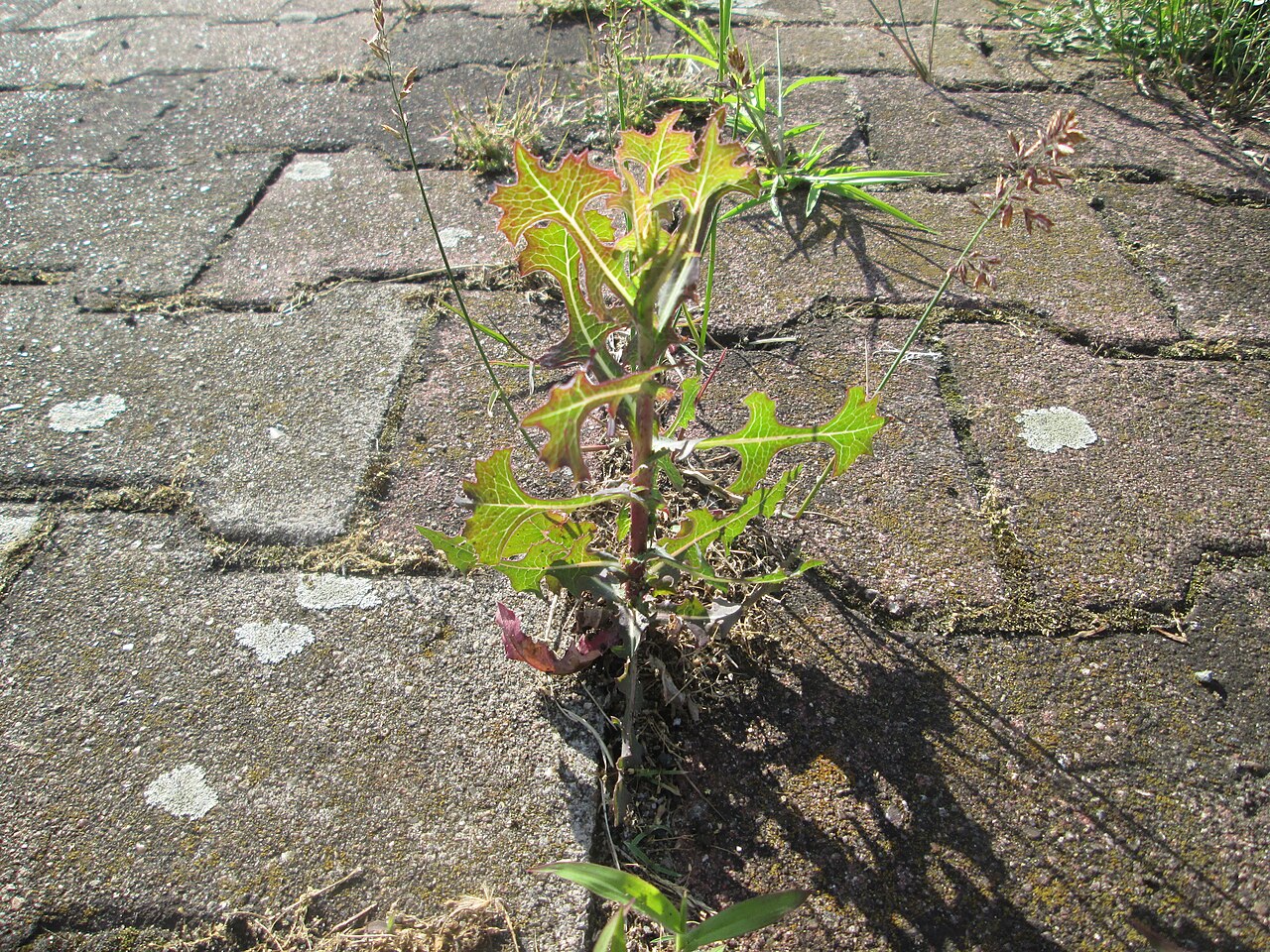
Wild lettuce for sleep comes from this tall, bitter plant with a milky sap.
Wild lettuce for sleep may sound odd at first, but this tall, bitter weed has a long history as a bedtime herb. If long November nights leave your mind busy at bedtime, it is worth a closer look.
Wild lettuce goes by the botanical name Lactuca virosa. It belongs to the daisy family (Asteraceae), so it is a distant cousin of dandelion and chicory. Herbalists also call it bitter lettuce, great lettuce or opium lettuce. However, that last nickname is misleading, because the plant contains no opiates at all.
So where does the name come from? Snap a stem and a milky white sap seeps out. As the sap dries, it turns brown and hardens. In the 1800s, people collected this dried sap, called lactucarium, and sold it as a milder alternative to opium. In fact, lactucarium appeared in several European and American pharmacopoeias of that era.
Where Wild Lettuce Grows
Here’s what the plant looks like. Wild lettuce grows as a single upright stem that often reaches one to two metres by late summer. The leaves are blue-green and deeply lobed. They also carry a row of small prickles along the underside of the midrib.
Then, in mid to late summer, it opens small pale yellow flowers that look like tiny dandelions. Afterward, these flowers turn into fluffy seed heads that drift on the wind.
The plant is native to southern and central Europe and the Mediterranean. Today, it also grows wild along roadsides, fence lines and waste ground in parts of North America. You can read more about its range and botany in this overview of Lactuca virosa.
Herbalists traditionally harvest the leaves and flowering tops as the plant comes into bloom. At that stage, the sap runs richest, so the harvest captures the most of its bitter compounds.
Wild Lettuce for Sleep and Restless Nights
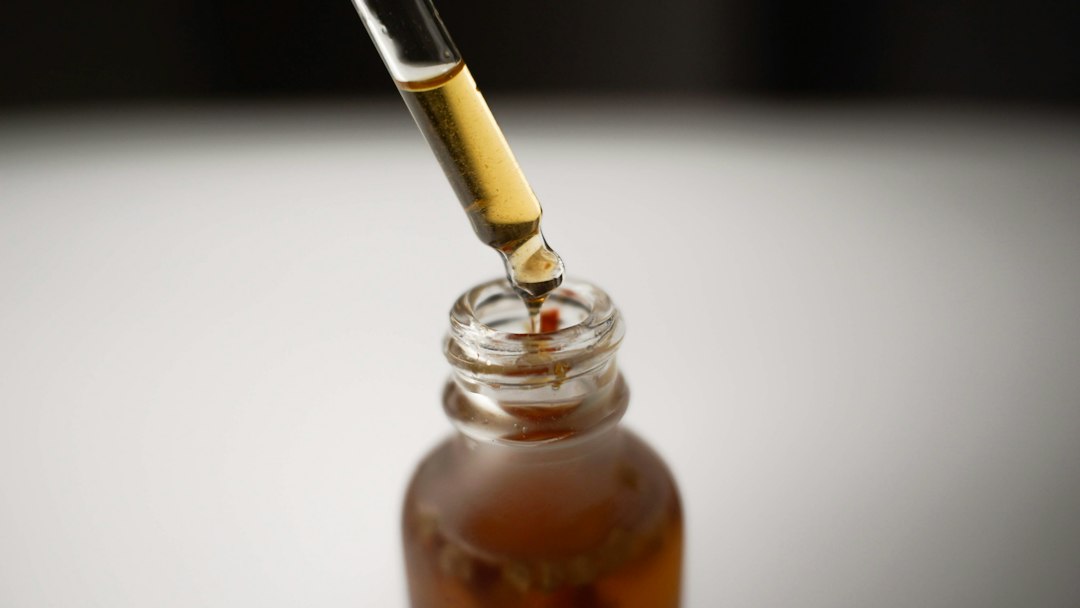
A tincture is the most common way to take wild lettuce.
So why do herbalists reach for wild lettuce for sleep? The answer lies in its bitter milky sap. Lactucarium contains bitter compounds called sesquiterpene lactones, mainly lactucin and lactucopicrin. Early lab studies suggest these compounds have a calming, mildly sedative effect. However, research in people is still very limited, so most of what we know comes from traditional use.
Here’s why that matters: wild lettuce is a gentle herb, not a knockout one. Traditionally, herbalists use it for the kind of restlessness that keeps you tossing at night. For example, they reach for it when a busy mind or nervous tension makes it hard to settle. It also has a long reputation for easing the fidgety feeling that often comes before sleep.
But there’s more to it than that. Wild lettuce has a second traditional role as a cough-calming herb. In the past, people took it for dry, tickly coughs that flare up at night and break up sleep. As a result, many old herbals list it for both restlessness and night-time coughs. This combination makes wild lettuce for sleep especially popular in the colder months.
Herbalists also associate it with easing minor aches and muscle tension. That reputation comes from its old role as a milder stand-in for opium. Even so, keep your expectations realistic. Wild lettuce is mild, and its effects vary from person to person.
Safety Notes Before You Start
The key takeaway: wild lettuce suits people who want a softer bedtime herb. In addition, it pairs well with other calming herbs. For instance, you might combine it with valerian, as covered in our valerian root for sleep guide. Another option is California poppy, a gentle nervine.
A few cautions apply. Avoid wild lettuce during pregnancy or breastfeeding. Also, speak with a healthcare provider before you combine it with sedatives, sleep medications or alcohol, because the effects may add up. Large amounts may cause dizziness or next-day drowsiness. Finally, people sensitive to the daisy family should take extra care.
How to Use Wild Lettuce at Bedtime

A warm cup of caffeine-free tea makes an easy bedtime ritual.
Most people take wild lettuce for sleep as a tincture, because the bitter taste makes a strong tea hard to enjoy. A tincture is a concentrated liquid extract, so you only need a small amount in a little water. Many people take it in the evening as part of a wind-down routine.
So what does this mean for you? Start with a calm routine first. For example, dim the lights, put your phone away and make a warm cup of caffeine-free tea. Then add your wild lettuce tincture to the tea or to a small glass of water. Over time, this simple ritual can help signal to your body that the day is done.
Wild lettuce also works well in blends. In fact, herbalists rarely use it alone. Instead, they often pair it with valerian, passionflower, hops or lemon balm to round out its effect. If you prefer a ready-made pairing, our Serene Sleep Bundle brings several calming herbs together.
How We Make Our Wild Lettuce Tincture
Here’s how we make it. Our team of herbalists makes our Wild Lettuce tincture in Toronto with the classic tincturing method at a 1:5 ratio. We also adjust the alcohol percentage to suit the plant. Before bottling, our tinctures go through third-party lab testing and a taste and smell check by our herbalists.
Because we don’t give dosing advice, check the product label first. Then talk to a qualified herbalist or naturopathic doctor about what suits you. That way, you can fit wild lettuce into your evenings with confidence.
FAQ
- Superior Sourcing: Our herbs are sourced from all over the world to avoid seasonal fluctuations in availability, keeping herbs accessible. Our suppliers meet strict standards that ensure top quality herbs, most of which are organic, wildcrafted, sustainably grown, or grown using permaculture. We support local farmers and grow many of our own herbs.
- Superior Processing: Our tinctures are made using the classic tincturing method. The tinctures are made in a 1:5 ratio which allows for the optimal extraction of the herb. The alcohol percentage is strictly controlled depending on the herb and part of the plant that is used.
- Superior Selection: We take pride in our growing selection of over 300 individual herbs. If we don’t carry the herb you’re seeking, we can likely track it down for you.
- Superior Quality Control: Our tinctures are thoroughly tested by a third-party lab and with an organoleptic evaluation by our team of herbalists prior to final bottling.
- Superior Price: Our tinctures are more cost-effective than other tinctures on the market. With an eye towards efficiency, we keep our costs low by maintaining good relationships with our wide network of suppliers and ordering herbs in bulk quantities.
- We Care About the Environment: We repackage materials that are shipped to us (so don’t be surprised if our packages look different from time to time!). We recycle or reuse materials whenever possible. We turn the cardboard we receive from other suppliers into packing material. We donate to avoid waste to groups like Naturopaths Without Borders. Our workforce almost completely uses public transportation or bikes. We are powered using 100% renewable energy through Bullfrog Power.
- We Donate To Charity: We support many causes that make the world better. We donate a portion of our profits or products. These include charities that support environmental and natural sustainability.
Set up an online account and order through the website. If you don’t have an account and place an order, one will be created for you.
Click here to subscribe to our mailing list.
Our products are made in Toronto, Ontario, Canada by a team of Herbalists and Naturopathic Doctors. The herbs and ingredients we use to make our products are sourced both locally and globally to keep herbs accessible and sustainable.
The majority of our herbs are certified organic, sustainably wildcrafted, or come from small-scale local organic farms that do not yet have organic certification. We always do our best to provide organic herbs in your formulas. We work with a variety of suppliers to keep costs low.
Although most of our products do not contain gluten, we do not have gluten-free certification for our production facility. Feel free to ask about any specific products and we’ll share whatever information we have available.
For liability and regulatory reasons, we don’t make any claims as to how our herbs should be used, including dosing recommendations. Please review our disclaimer, as well as our terms and policies.