Lady's Mantle for Heavy Periods: Meet the Plant
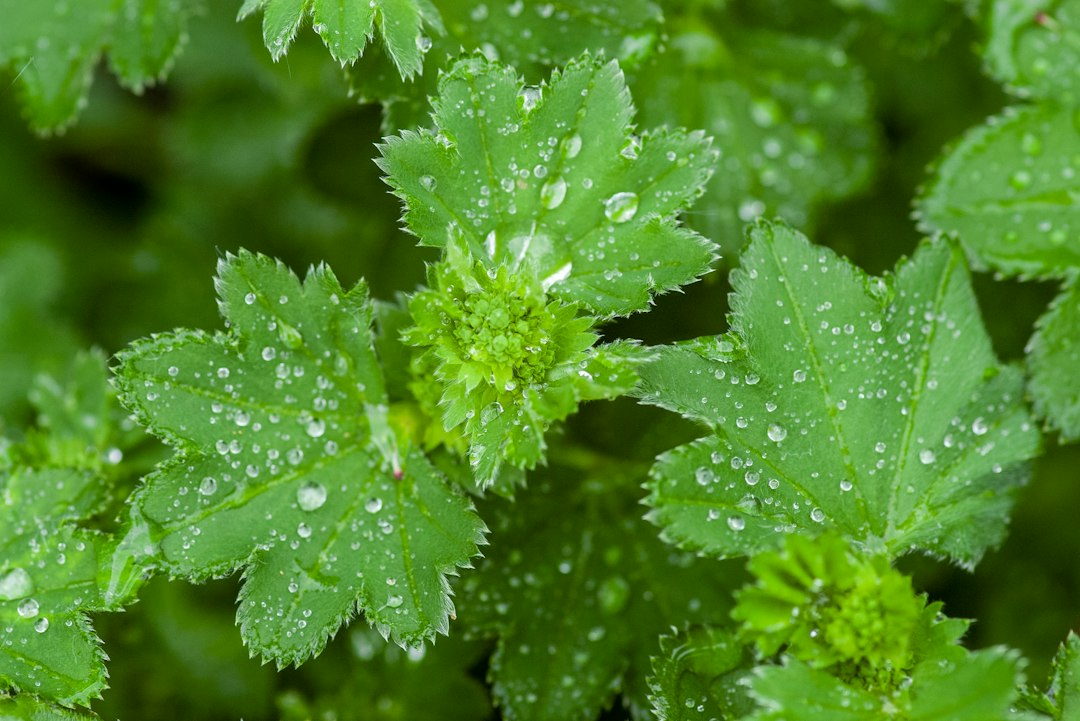
Dew drops on lady’s mantle, a classic herb for heavy periods
Lady’s mantle for heavy periods is one of the oldest recorded uses of this low, leafy garden plant. If your monthly cycle leaves you drained, it is worth knowing why herbalists have reached for it for centuries.
Lady’s mantle (Alchemilla vulgaris) belongs to the rose family, Rosaceae. It grows across Europe and northern Asia, and it now grows wild in parts of Canada too. In addition, many gardeners plant its close cousin, Alchemilla mollis, as a border plant.
The plant is easy to spot. Its soft, rounded leaves have seven to eleven shallow lobes with toothed edges. Each leaf is pleated like a folded fan. Tiny clusters of yellow-green flowers appear from late spring through summer.
Where the Name Comes From
Here’s the interesting part. After a cool night, each leaf holds a bright bead of water in its centre. Medieval alchemists collected these drops because they believed the water was especially pure. As a result, the plant earned its Latin name, Alchemilla, which means “little alchemist.”
The common name has a different story. In medieval Europe, people thought the scalloped leaf looked like the cloak of the Virgin Mary. So the plant became known as “Our Lady’s mantle.” Other folk names include lion’s foot, bear’s foot and nine hooks.
Above all, the herb has a long link to women’s health. European folk healers gave it to women after childbirth and during heavy cycles. They also used it as a wash for cuts and as a gargle for sore gums. Today, herbalists still value lady’s mantle for heavy periods because of the same steady, toning effect.
So what makes it work? The answer lies in its chemistry, which we cover next. Meanwhile, you can browse our Lady’s Mantle tincture to see how we prepare it.
How Lady's Mantle Supports Heavy Periods
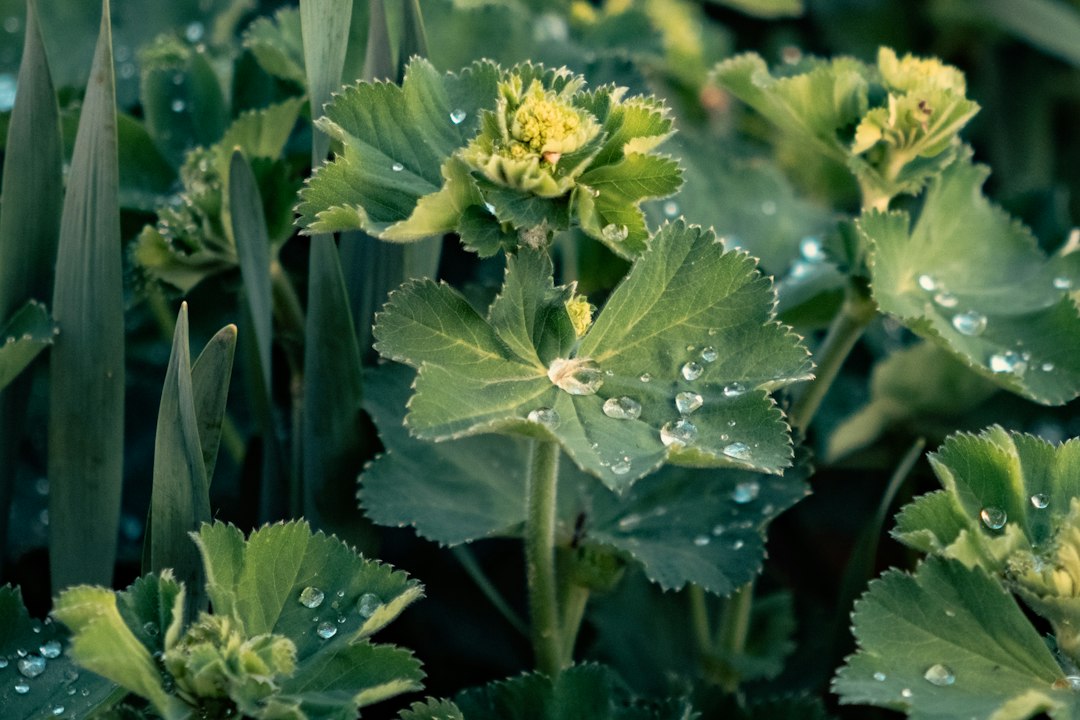
The pleated, fan-shaped leaves of lady’s mantle
Herbalists have a clear, practical reason for using lady’s mantle for heavy periods. The herb is rich in tannins, and tannins are astringent. In simple terms, an astringent tightens and tones tissue.
Here’s how it works. Tannins bind to proteins on the surface of tissues. This binding gently firms the tissue and reduces how much fluid seeps through it. You know the feeling already, because it is the same dry pucker you get from strong black tea.
Key Constituents and Traditional Uses
The leaves and flowering tops contain roughly 6 to 8 percent tannins, mostly a type called ellagitannins. The plant also contains flavonoids, small amounts of salicylic acid, and mild bitter compounds. Together, these give lady’s mantle its drying, toning character.
Herbalists have traditionally used the herb for:
- Heavy or prolonged menstrual bleeding
- Spotting between periods
- Recovery after childbirth
- Mild diarrhea
- Mouth ulcers and tender gums, as a rinse
- Minor cuts and grazes, as a wash
Notice the common thread. Every one of these uses involves tissue that is too loose or too leaky. Because the herb tightens and tones, it fits neatly into each situation.
Germany’s Commission E, an expert panel that reviewed herbal medicines, approved the herb for mild diarrhea. However, modern research on lady’s mantle for heavy periods is still limited. Most of what we know comes from centuries of traditional practice. You can follow current studies on PubMed.
But there’s more to it than that. Many herbalists also describe lady’s mantle as a uterine tonic. For this reason, they often pair it with other herbs that support the cycle. For example, cramp bark is a common partner for cramping. Likewise, red raspberry leaf is another classic uterine tonic.
The key takeaway: this is not a quick fix. Instead, herbalists treat it as a gentle, steady support over several cycles. Also, heavy bleeding can have many causes, so talk to a health practitioner first.
How to Use Lady's Mantle at Home
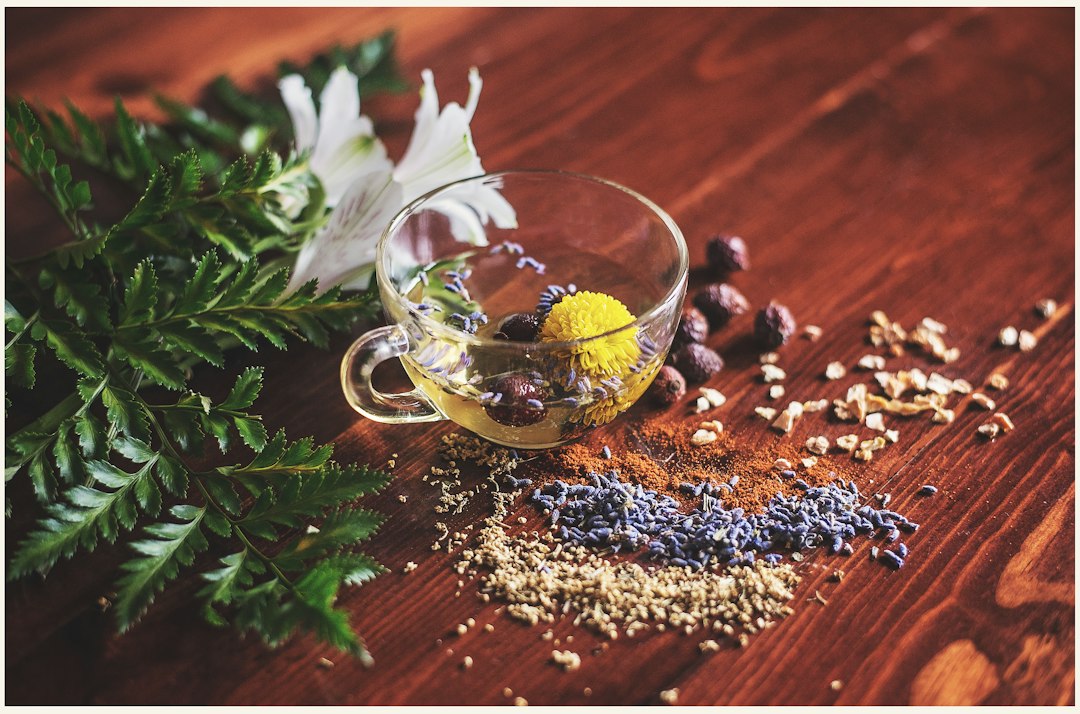
Lady’s mantle makes a mild, slightly bitter herbal tea
Using lady’s mantle for heavy periods is simple, and you have two main options: a tea or a tincture. Each one has its own strengths.
Lady’s Mantle Tea for Heavy Periods
The dried leaves and flowering tops make a pleasant, mildly bitter tea. First, pour freshly boiled water over the dried herb. Then cover the cup and let it steep for about ten minutes. Finally, strain it and sip slowly.
Tea also works well as a mouth rinse. Simply let it cool and swish it around tender gums.
Tincture Tips and How We Make It
A tincture is a concentrated liquid extract made by steeping the herb in alcohol and water. It is convenient, it travels well, and it keeps for years. Most people take it in a little water.
So which form should you choose? If you enjoy a daily tea ritual, start there. On the other hand, a tincture is easier to keep up if you want something quick and consistent.
A few tips help you get the most from it:
- Track your cycle so you can notice changes over two or three months.
- Add iron-rich foods if heavy periods leave you tired.
- Avoid the herb during pregnancy unless a practitioner advises it.
- Ask your health practitioner before you combine herbs with any medication.
We make our Lady’s Mantle tincture in Toronto using the classic tincturing method. We extract the herb at a 1:5 ratio, and we adjust the alcohol percentage to suit the plant. Our team of herbalists then checks each batch before bottling.
In short, lady’s mantle for heavy periods is a quiet, reliable choice with a long track record. It deserves a place in any home herbal cabinet focused on women’s health.
FAQ
- Superior Sourcing: Our herbs are sourced from all over the world to avoid seasonal fluctuations in availability, keeping herbs accessible. Our suppliers meet strict standards that ensure top quality herbs, most of which are organic, wildcrafted, sustainably grown, or grown using permaculture. We support local farmers and grow many of our own herbs.
- Superior Processing: Our tinctures are made using the classic tincturing method. The tinctures are made in a 1:5 ratio which allows for the optimal extraction of the herb. The alcohol percentage is strictly controlled depending on the herb and part of the plant that is used.
- Superior Selection: We take pride in our growing selection of over 300 individual herbs. If we don’t carry the herb you’re seeking, we can likely track it down for you.
- Superior Quality Control: Our tinctures are thoroughly tested by a third-party lab and with an organoleptic evaluation by our team of herbalists prior to final bottling.
- Superior Price: Our tinctures are more cost-effective than other tinctures on the market. With an eye towards efficiency, we keep our costs low by maintaining good relationships with our wide network of suppliers and ordering herbs in bulk quantities.
- We Care About the Environment: We repackage materials that are shipped to us (so don’t be surprised if our packages look different from time to time!). We recycle or reuse materials whenever possible. We turn the cardboard we receive from other suppliers into packing material. We donate to avoid waste to groups like Naturopaths Without Borders. Our workforce almost completely uses public transportation or bikes. We are powered using 100% renewable energy through Bullfrog Power.
- We Donate To Charity: We support many causes that make the world better. We donate a portion of our profits or products. These include charities that support environmental and natural sustainability.
Set up an online account and order through the website. If you don’t have an account and place an order, one will be created for you.
Click here to subscribe to our mailing list.
Our products are made in Toronto, Ontario, Canada by a team of Herbalists and Naturopathic Doctors. The herbs and ingredients we use to make our products are sourced both locally and globally to keep herbs accessible and sustainable.
The majority of our herbs are certified organic, sustainably wildcrafted, or come from small-scale local organic farms that do not yet have organic certification. We always do our best to provide organic herbs in your formulas. We work with a variety of suppliers to keep costs low.
Although most of our products do not contain gluten, we do not have gluten-free certification for our production facility. Feel free to ask about any specific products and we’ll share whatever information we have available.
For liability and regulatory reasons, we don’t make any claims as to how our herbs should be used, including dosing recommendations. Please review our disclaimer, as well as our terms and policies.