Gentian Root for Digestion: A Bitter With a Long History
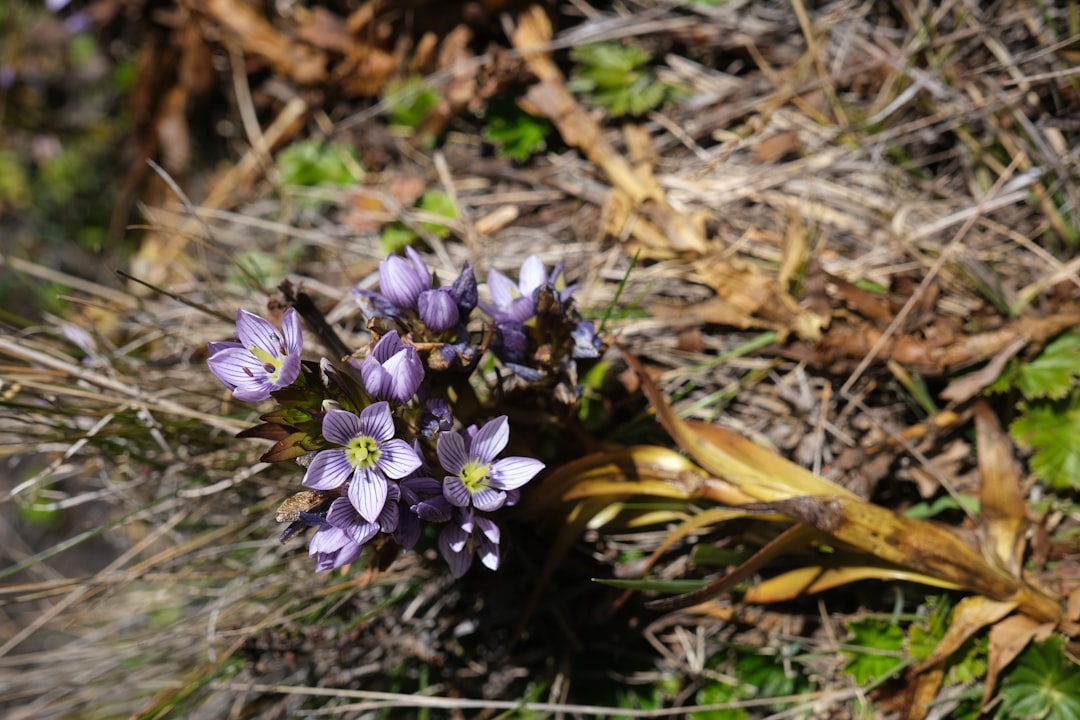
Mountain meadows are home to gentian root for digestion.
Gentian root for digestion is one of the oldest remedies in European herbal practice, and its secret is simple: it tastes intensely bitter. If you often feel heavy, bloated or uninterested in food, this mountain plant may deserve a closer look.
Herbalists have worked with great yellow gentian (Gentiana lutea) for more than two thousand years. According to legend, the plant takes its name from Gentius, a king of ancient Illyria who praised its value. Whether or not the story is true, the root has stayed in steady use ever since.
Today you can still taste it in classic aperitifs and cocktail bitters. In fact, many traditional European bitters list gentian as a main ingredient. So when someone sips a bitter drink before dinner, they often follow a gentian tradition without realizing it.
What Does Gentian Look Like?
Great yellow gentian belongs to the Gentianaceae family. It grows wild in the mountain meadows of central and southern Europe, especially in the Alps and the Pyrenees. The plant stands tall and striking. For example, a mature stem can reach well over a metre, with broad, ribbed leaves and clusters of bright yellow, star-shaped flowers.
Here’s what surprises most people: gentian grows very slowly. A plant may need close to ten years before it flowers for the first time. However, it can also live for decades. As a result, herbalists value the thick, deep root, which stores the bitter compounds the plant builds over many seasons.
The root has a yellow-brown colour and a faintly sweet smell. Its taste, however, is anything but sweet. Gentian contains some of the most bitter natural substances researchers have ever measured. Even a single drop of tincture leaves a lingering bitterness on the tongue.
Because wild populations have declined in some regions, several European countries now protect the plant. Responsible suppliers therefore source gentian from cultivated fields or carefully managed harvests.
Gentian in Herbal Tradition
Traditional European herbalists placed gentian at the heart of their bitter tonics. They gave it to people with a poor appetite, slow digestion, or a heavy feeling after meals. In addition, they often combined it with aromatic herbs such as orange peel or cardamom to round out the flavour.
That same use of gentian root for digestion still shapes many herbal formulas today. For example, our Bitters Combo follows the classic bitter tonic approach.
How Gentian Supports Healthy Digestion
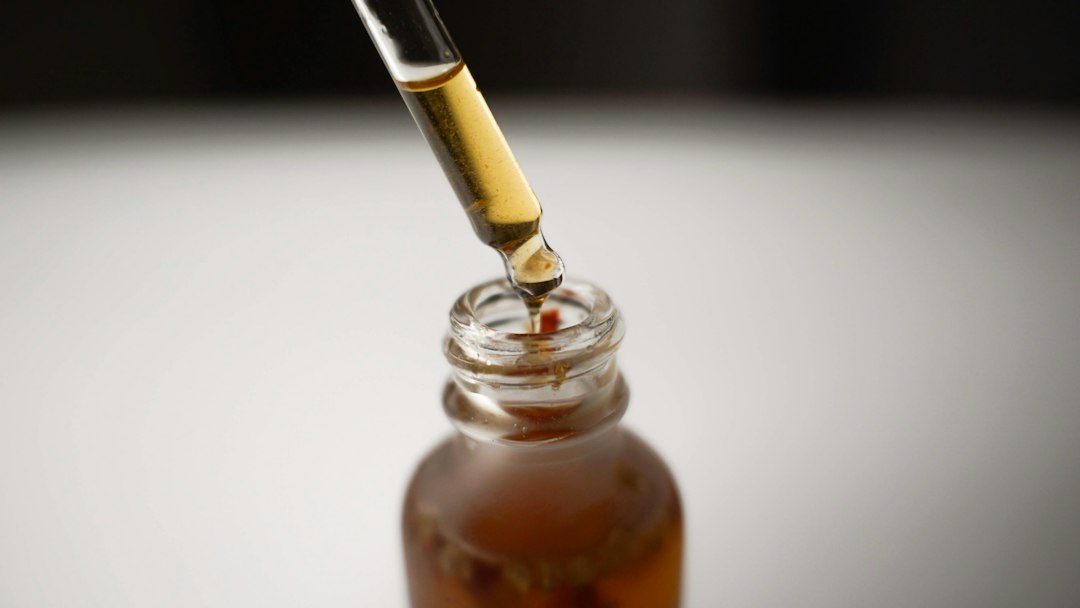
Bitters work best when you can taste them.
So what makes gentian root for digestion so well regarded? The answer starts on your tongue. The root contains bitter compounds called amarogentin and gentiopicroside. Amarogentin, in particular, ranks among the bitterest substances in nature.
Here’s how it works. When bitter compounds touch the taste receptors in your mouth, your body reads the signal as a sign that food is on the way. In response, it begins to prepare. Saliva flow increases, the stomach releases more digestive juices, and the gallbladder gets ready to release bile. Herbalists call this the bitter reflex.
This is where it gets interesting. Researchers have also found bitter taste receptors in the stomach and gut. That discovery may help explain why bitters influence digestion beyond the mouth. Still, tasting the bitterness remains a key part of the traditional approach.
Traditional Uses for Gentian Root
Herbalists traditionally use gentian to support:
- A weak or poor appetite
- Occasional indigestion and a heavy feeling after meals
- Mild bloating and gas
- Sluggish digestion, especially after richer or fattier foods
The European Medicines Agency also recognizes gentian root as a traditional herbal medicine for temporary loss of appetite and mild digestive complaints. You can read its gentian root monograph for more detail.
Gentian also has a long history as a general tonic during recovery. For example, herbalists often turned to it when someone felt run down after an illness and had little interest in food. Because a better appetite often means better nourishment, the two goals tend to go together.
Gentian Root for Digestion and Bile Flow
Bile helps your body break down and absorb dietary fats. Herbalists associate gentian’s bitter compounds with stronger bile flow, which may explain its traditional use for heaviness after rich meals. In this way, gentian sits alongside other bitter herbs such as wormwood and artichoke leaf.
The key takeaway: gentian does not replace your digestion. Instead, it may help your body start the process more fully. That gentle nudge explains why herbalists have trusted it for so long.
How to Use Gentian Root as a Digestive Bitter
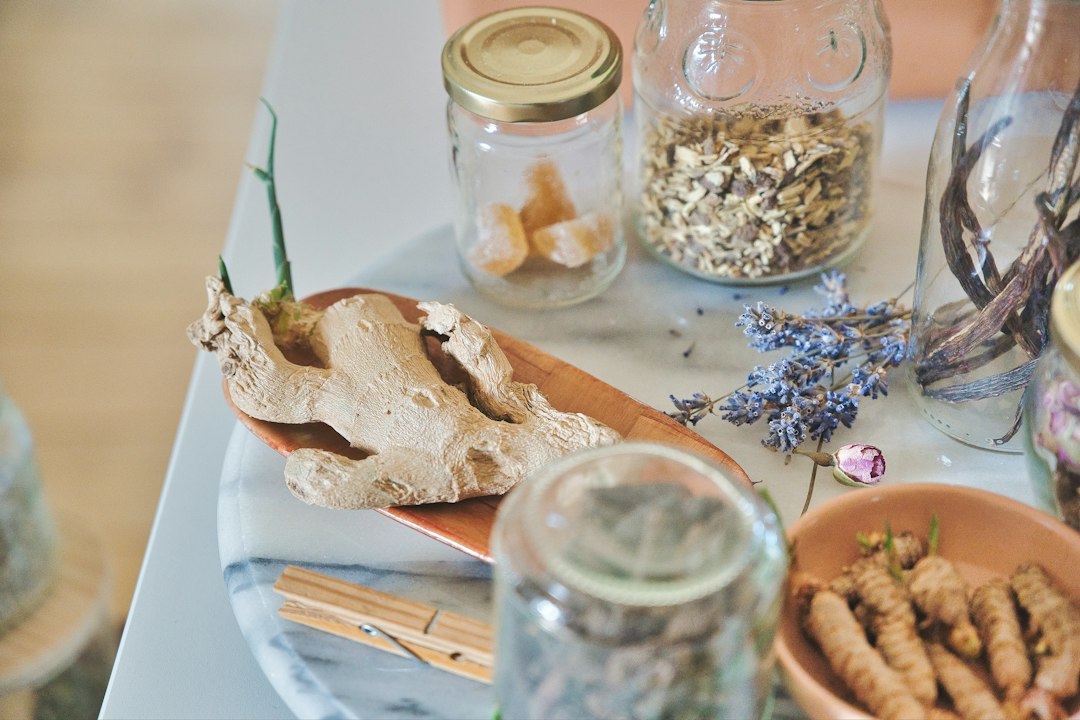
Roots and dried herbs ready for tincturing.
The classic way to take gentian root for digestion is as a tincture or bitter drops shortly before a meal. Many people take it straight on the tongue or in a little water. The goal is to actually taste the bitterness, because that taste starts the bitter reflex.
Capsules skip the taste entirely. For that reason, herbalists generally prefer liquid preparations for digestive bitters.
Tips for Using Bitters Day to Day
- Take it before eating. Traditionally, people take bitters 10 to 15 minutes before a main meal.
- Let the taste linger. Hold the bitterness for a moment before you rinse it away.
- Pair it with a calm meal. Sit down, slow down, and chew well. Bitters work best alongside good eating habits.
- Combine thoughtfully. Gentian blends well with gentler herbs such as yarrow, chamomile or ginger.
Also, a little goes a long way. Gentian tastes so bitter that most people notice the effect quickly. If you are new to bitters, start gently and see how your body responds.
Who Should Avoid Gentian?
Gentian is not for everyone. Herbalists generally avoid it for people with stomach ulcers, heartburn or an irritated stomach lining, because bitters may increase stomach acid. In addition, pregnant or breastfeeding people should avoid it unless a qualified practitioner advises otherwise. If you take medication or have a health condition, talk to your healthcare provider first.
How Herbal Clinic Makes Its Tinctures
We make our tinctures in Toronto using the classic tincturing method at a 1:5 ratio. Our team adjusts the alcohol strength for each herb and plant part, so the root’s bitter compounds extract well. Then our herbalists taste-test every batch before final bottling.
You’ll find gentian in several of our formulas. For example, our Gentian and Yarrow Combo pairs it with another classic digestive bitter. For a wider look, see our guide to 15 herbs that support digestion.
FAQ
- Superior Sourcing: Our herbs are sourced from all over the world to avoid seasonal fluctuations in availability, keeping herbs accessible. Our suppliers meet strict standards that ensure top quality herbs, most of which are organic, wildcrafted, sustainably grown, or grown using permaculture. We support local farmers and grow many of our own herbs.
- Superior Processing: Our tinctures are made using the classic tincturing method. The tinctures are made in a 1:5 ratio which allows for the optimal extraction of the herb. The alcohol percentage is strictly controlled depending on the herb and part of the plant that is used.
- Superior Selection: We take pride in our growing selection of over 300 individual herbs. If we don’t carry the herb you’re seeking, we can likely track it down for you.
- Superior Quality Control: Our tinctures are thoroughly tested by a third-party lab and with an organoleptic evaluation by our team of herbalists prior to final bottling.
- Superior Price: Our tinctures are more cost-effective than other tinctures on the market. With an eye towards efficiency, we keep our costs low by maintaining good relationships with our wide network of suppliers and ordering herbs in bulk quantities.
- We Care About the Environment: We repackage materials that are shipped to us (so don’t be surprised if our packages look different from time to time!). We recycle or reuse materials whenever possible. We turn the cardboard we receive from other suppliers into packing material. We donate to avoid waste to groups like Naturopaths Without Borders. Our workforce almost completely uses public transportation or bikes. We are powered using 100% renewable energy through Bullfrog Power.
- We Donate To Charity: We support many causes that make the world better. We donate a portion of our profits or products. These include charities that support environmental and natural sustainability.
Set up an online account and order through the website. If you don’t have an account and place an order, one will be created for you.
Click here to subscribe to our mailing list.
Our products are made in Toronto, Ontario, Canada by a team of Herbalists and Naturopathic Doctors. The herbs and ingredients we use to make our products are sourced both locally and globally to keep herbs accessible and sustainable.
The majority of our herbs are certified organic, sustainably wildcrafted, or come from small-scale local organic farms that do not yet have organic certification. We always do our best to provide organic herbs in your formulas. We work with a variety of suppliers to keep costs low.
Although most of our products do not contain gluten, we do not have gluten-free certification for our production facility. Feel free to ask about any specific products and we’ll share whatever information we have available.
For liability and regulatory reasons, we don’t make any claims as to how our herbs should be used, including dosing recommendations. Please review our disclaimer, as well as our terms and policies.