Chickweed for Itchy Skin: Meet the Humble Garden Weed
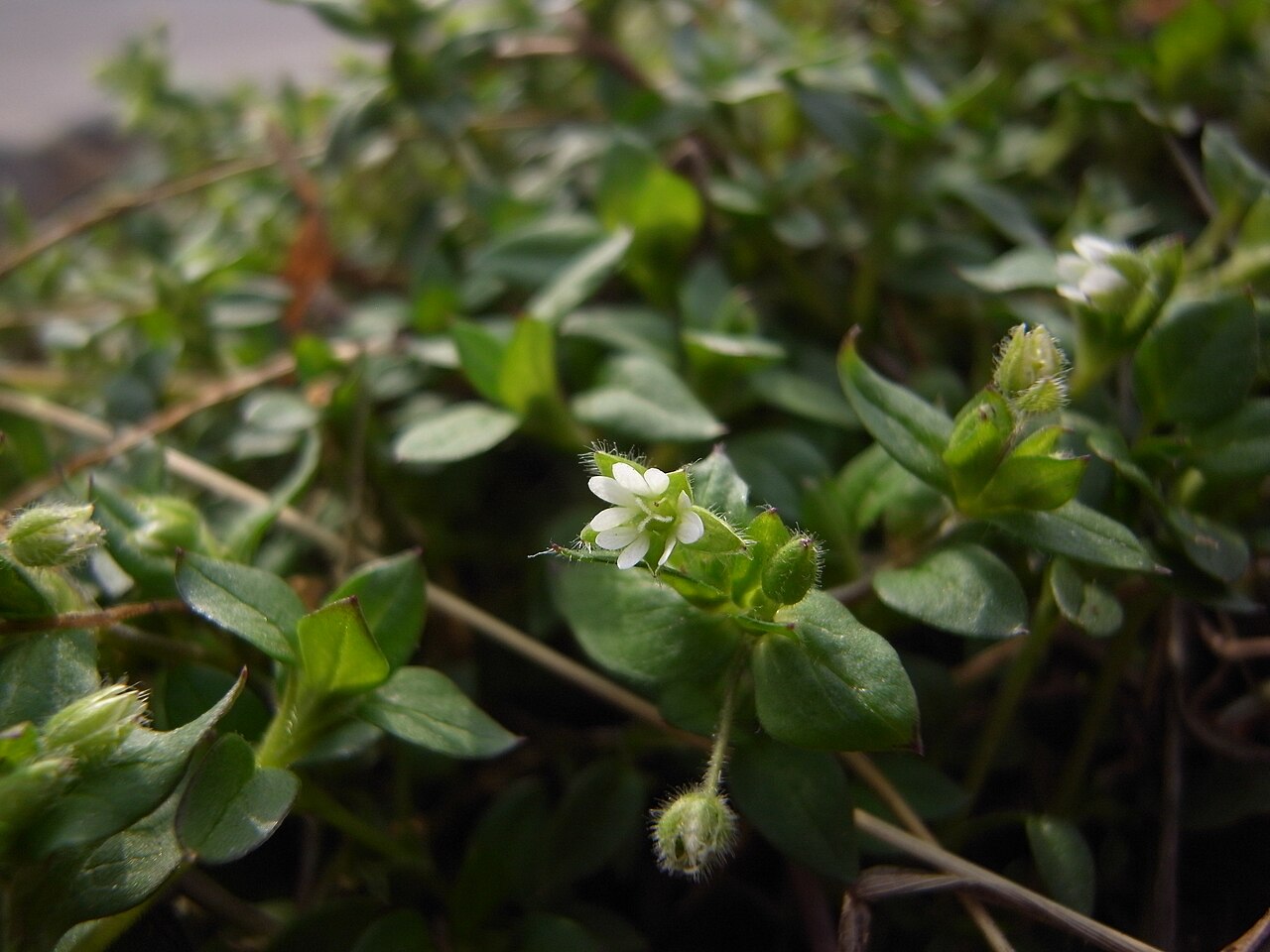
Fresh chickweed for itchy skin remedies, Stellaria media in flower
Chickweed for itchy skin is one of the oldest remedies in the herbal kitchen, and the plant grows in almost every backyard in Canada. If you have ever pulled a soft green mat of weeds from a garden bed, there is a good chance you were holding it. So before you toss it on the compost pile, it is worth knowing why herbalists have kept it on the shelf for centuries.
What Is Chickweed?
Chickweed (Stellaria media) is a small, low-growing annual in the pink family, Caryophyllaceae. It has tiny white flowers with five deeply split petals, so each bloom looks like it has ten. The leaves are soft, oval and bright green. A single line of fine hairs also runs up one side of the stem, which helps you tell it apart from look-alikes.
The plant is native to Europe but now grows across North America. It loves cool, damp weather. As a result, you often find it in early spring and again in late fall, when most other greens have given up. In fact, chickweed can keep growing under a light layer of snow.
Its common name comes from farmyard history. Farmers fed the plant to chickens and caged birds, which ate it eagerly. Other folk names include starweed, winterweed and satin flower. Each name points to a different feature, from the star-shaped flowers to its cold-weather habit.
A Long History of Use
European herbalists have worked with chickweed for hundreds of years. For example, the 17th-century herbalist Nicholas Culpeper described it as a cooling herb for hot, inflamed skin. Country households also made it into ointments and poultices for rashes, minor burns and sore spots. Meanwhile, cooks added the tender tops to salads and soups as a spring green.
Here’s why that matters: chickweed for itchy skin is not a modern wellness trend. Instead, it comes from generations of people who reached for whatever cooling plant grew close to home. Today, herbalists still add it to creams, salves, oils and tinctures. You can read more about the plant and its habitat at Plants For A Future.
It also pairs well with other skin herbs. For instance, many herbalists combine it with calendula for skin healing or with plantain leaf for bites and stings.
Why Herbalists Choose Chickweed for Itchy Skin
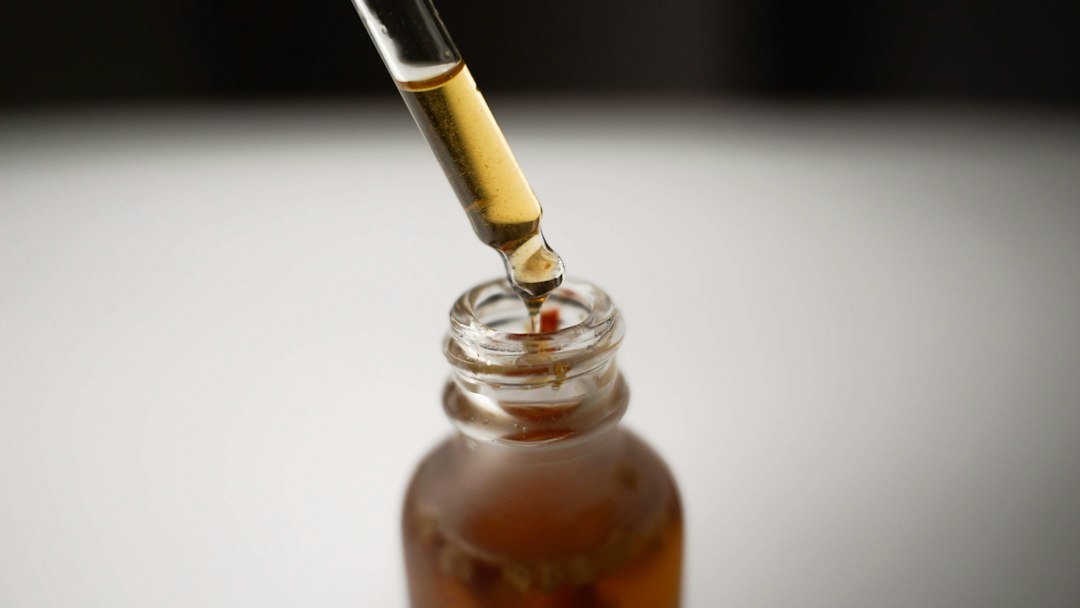
A classic herbal tincture
So what makes this humble weed so useful? Herbalists value chickweed for itchy skin mainly because of its cooling, soothing nature. They describe it as a demulcent and emollient herb. In plain terms, it helps calm and soften irritated skin rather than drying it out.
What’s Inside the Plant
Chickweed contains several groups of natural compounds. The most notable are saponins, which are soap-like plant compounds. Saponins may help other plant constituents reach the skin. The plant also holds flavonoids such as rutin and apigenin, which are associated with calming redness.
In addition, chickweed is rich in minerals and vitamin C. It contains small amounts of mucilage too, a slippery substance that forms a soft, protective layer. As a result, a chickweed cream or poultice feels cool and gentle on hot, irritated patches.
Traditional Uses of Chickweed for Itchy Skin
Traditional herbal practice links chickweed to a wide range of skin concerns. For example, herbalists have reached for it for:
- Dry, itchy patches and general skin irritation
- Eczema-prone skin and mild rashes
- Insect bites and minor scrapes
- Heat rash and minor sunburn
- Rough, flaky skin in winter
But there’s more to it than that. Many herbalists also take chickweed internally as a tea or tincture. In that role, it is traditionally associated with supporting the body’s natural cleansing pathways. For this reason, they often pair it with cleavers for lymphatic support or burdock root.
What the Research Says
Modern research on chickweed is still limited. Most studies have looked at extracts in the lab rather than in people. Even so, early work on the plant’s flavonoids and saponins lines up well with its traditional reputation. Bottom line: chickweed rests mainly on centuries of traditional use, and it remains a gentle, widely used skin herb.
How to Use Chickweed for Itchy Skin at Home

Dried herbs ready for a soothing bath
Here’s how it works in practice. You can use chickweed for itchy skin in several simple forms, both on the skin and as a tincture or tea. Each one suits a slightly different routine.
Applying Chickweed for Itchy Skin
Creams and salves are the most common way to apply chickweed. First, clean the area gently with lukewarm water. Then apply a thin layer of chickweed cream or salve. Many people keep a small jar near the bathroom sink for dry patches after a shower.
A fresh poultice is another traditional option. To make one, crush a handful of clean fresh chickweed and place it on the skin under a cool cloth. Alternatively, you can steep the dried herb in warm water, cool it, and add the strained tea to a bath. A chickweed bath is an old-fashioned way to soothe large areas of irritated skin.
Chickweed-infused oil also works well. To make it, infuse the dried herb in a carrier oil for a few weeks, then strain it. After that, you can blend the oil with beeswax to make your own balm.
As a Tincture or Tea
Some people prefer to work with chickweed from the inside as well. A tincture is the most convenient form because it keeps well and mixes easily into water. Our team in Toronto makes our chickweed tincture with the classic tincturing method. We follow a 1:5 ratio and adjust the alcohol level to suit the plant.
Chickweed tea is mild, grassy and pleasant. You can also brew it alongside nettle or red clover. For a similar gentle herb, read our guide to red clover for skin health.
Tips and Safety Notes
Chickweed is generally considered a gentle herb. However, large amounts taken internally may upset the stomach because of the saponins. Always do a small patch test before you use any new herb on the skin. In addition, talk to a health professional before using herbs if you are pregnant, nursing or taking medication. For dosing questions, please see our disclaimer, since we do not make dosing recommendations.
So what does this mean for you? Chickweed for itchy skin is a simple, cooling herb with a long track record. Whether you choose a cream, a bath or a tincture, it offers an easy way to bring a classic skin herb into your daily routine.
FAQ
- Superior Sourcing: Our herbs are sourced from all over the world to avoid seasonal fluctuations in availability, keeping herbs accessible. Our suppliers meet strict standards that ensure top quality herbs, most of which are organic, wildcrafted, sustainably grown, or grown using permaculture. We support local farmers and grow many of our own herbs.
- Superior Processing: Our tinctures are made using the classic tincturing method. The tinctures are made in a 1:5 ratio which allows for the optimal extraction of the herb. The alcohol percentage is strictly controlled depending on the herb and part of the plant that is used.
- Superior Selection: We take pride in our growing selection of over 300 individual herbs. If we don’t carry the herb you’re seeking, we can likely track it down for you.
- Superior Quality Control: Our tinctures are thoroughly tested by a third-party lab and with an organoleptic evaluation by our team of herbalists prior to final bottling.
- Superior Price: Our tinctures are more cost-effective than other tinctures on the market. With an eye towards efficiency, we keep our costs low by maintaining good relationships with our wide network of suppliers and ordering herbs in bulk quantities.
- We Care About the Environment: We repackage materials that are shipped to us (so don’t be surprised if our packages look different from time to time!). We recycle or reuse materials whenever possible. We turn the cardboard we receive from other suppliers into packing material. We donate to avoid waste to groups like Naturopaths Without Borders. Our workforce almost completely uses public transportation or bikes. We are powered using 100% renewable energy through Bullfrog Power.
- We Donate To Charity: We support many causes that make the world better. We donate a portion of our profits or products. These include charities that support environmental and natural sustainability.
Set up an online account and order through the website. If you don’t have an account and place an order, one will be created for you.
Click here to subscribe to our mailing list.
Our products are made in Toronto, Ontario, Canada by a team of Herbalists and Naturopathic Doctors. The herbs and ingredients we use to make our products are sourced both locally and globally to keep herbs accessible and sustainable.
The majority of our herbs are certified organic, sustainably wildcrafted, or come from small-scale local organic farms that do not yet have organic certification. We always do our best to provide organic herbs in your formulas. We work with a variety of suppliers to keep costs low.
Although most of our products do not contain gluten, we do not have gluten-free certification for our production facility. Feel free to ask about any specific products and we’ll share whatever information we have available.
For liability and regulatory reasons, we don’t make any claims as to how our herbs should be used, including dosing recommendations. Please review our disclaimer, as well as our terms and policies.