Where Pau d'Arco for Candida Comes From
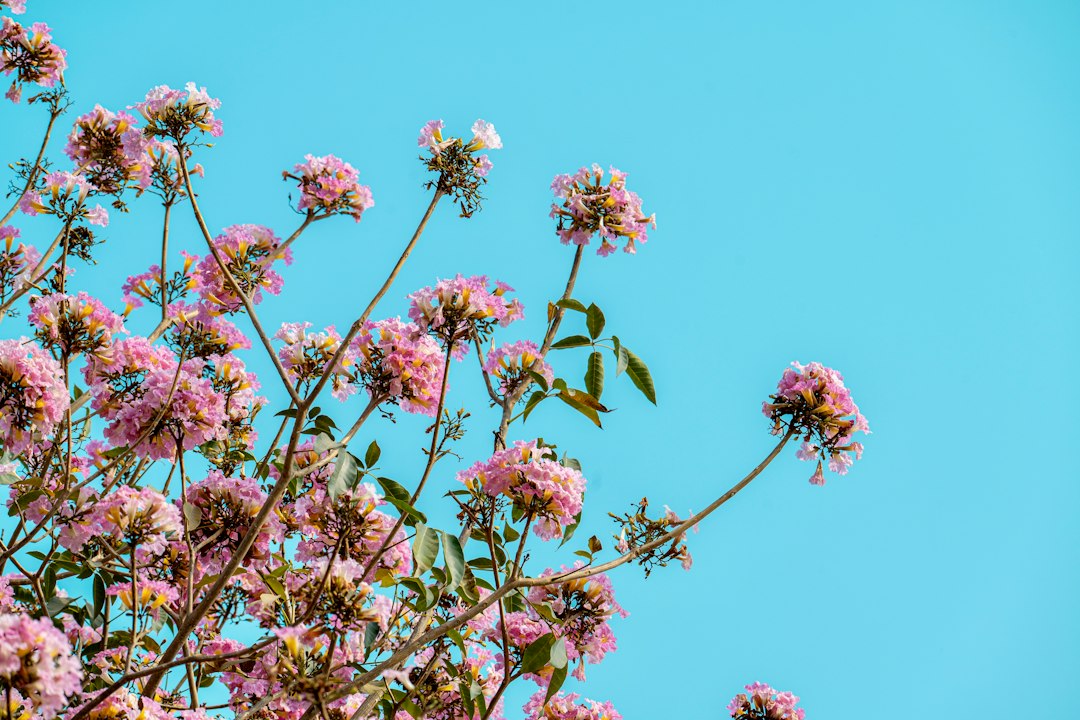
The bark behind pau d’arco for candida comes from a flowering trumpet tree.
Pau d’arco for candida has a long story behind it, and it starts in the forests of South America. If you have ever dealt with stubborn yeast overgrowth, you have probably seen this bark mentioned. So what is it, and why do herbalists still use it?
Pau d’arco is the inner bark of a tall flowering tree. Botanists now call it Handroanthus impetiginosus, although you will often see the older name Tabebuia. The tree belongs to the Bignoniaceae family, the same family as the trumpet vine. Other common names include taheebo, lapacho and ipê roxo.
The tree grows from Mexico down to Argentina. In late winter, it drops its leaves and bursts into pink or purple trumpet-shaped flowers. Because the wood is so dense and hard, it was once carved into hunting bows. In fact, the name pau d’arco means “bow stick” in Portuguese.
A long history of traditional use
Indigenous peoples of the Amazon and Andes have used the bark for generations. Healers boiled it into a strong tea for fevers, skin complaints and digestive upsets. They also applied it to wounds and fungal skin conditions.
Later, the bark travelled north. By the 1960s and 70s, Brazilian doctors and North American herbalists were writing about it. Since then, it has become a staple in yeast and fungal formulas.
Here’s why that matters: the herb did not appear out of nowhere. Instead, its modern use grew out of a very old tradition.
Only the inner bark is used
Herbalists use the inner bark, not the outer bark or the wood. The inner bark holds most of the plant’s active compounds. Good-quality pau d’arco therefore looks like fibrous, reddish-brown shavings rather than sawdust.
Sustainability matters here too. Ipê wood is popular for decking, and overharvesting is a real concern. As a result, we look for suppliers who harvest responsibly. You can learn more about how we choose herbs in our guide to black walnut hull, another bark-based herb with a similar history.
Why Herbalists Use Pau d'Arco for Candida and Yeast Balance
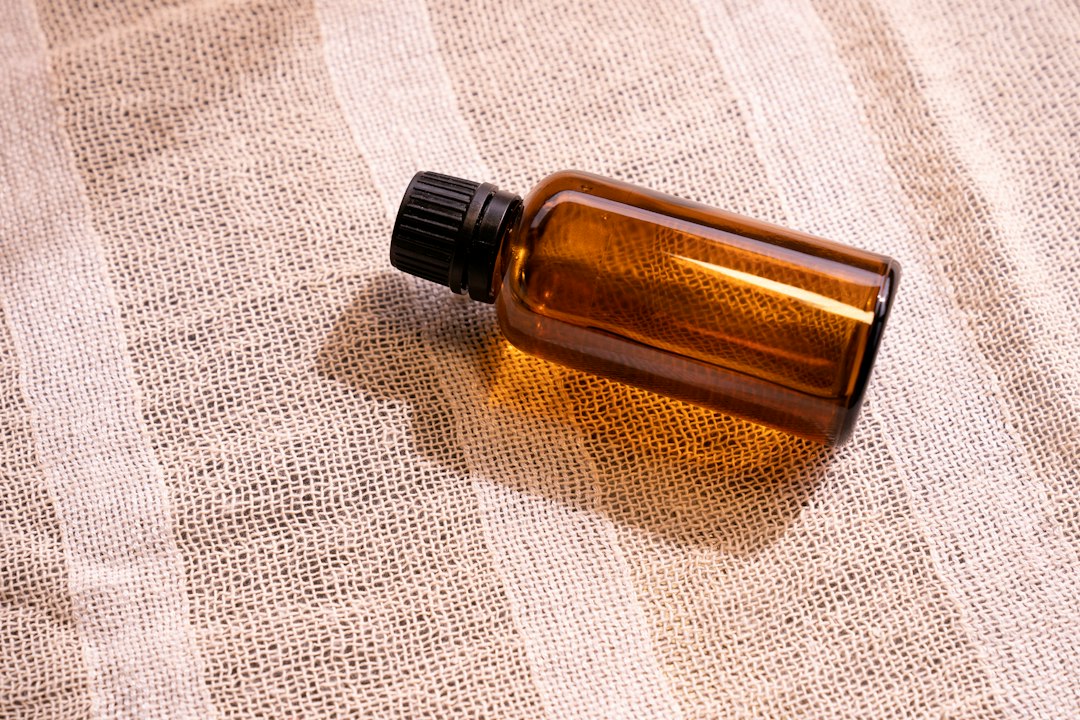
Pau d’arco is most often taken as a tincture or a long-simmered tea.
Candida is a yeast that lives naturally in the gut, mouth and skin. Usually, it stays in balance with the rest of your microbes. However, things like antibiotics, high-sugar diets and stress can let it grow out of control. That is where pau d’arco for candida comes in.
What makes pau d’arco for candida useful
Pau d’arco contains a group of compounds called naphthoquinones. The two best known are lapachol and beta-lapachone. It also contains plant flavonoids and bitter compounds.
Here’s how it works: in lab studies, these naphthoquinones disrupt the cell walls and energy production of yeast and fungi. For example, researchers have tested lapachol against Candida albicans and found antifungal activity in the dish. That said, lab results do not always translate to the human body. Human trials are still limited.
Traditional uses beyond yeast
So what else is it associated with? Herbalists traditionally use pau d’arco to:
- Support a healthy balance of gut flora
- Soothe fungal skin complaints such as athlete’s foot, when used on the skin
- Support the body during seasonal colds
- Act as a gentle bitter for digestion
Pau d’arco also has a mild astringent quality. In other words, it tightens and tones tissue. This is one reason it shows up in traditional skin washes.
Pairing pau d’arco for candida with other herbs
Herbalists rarely use pau d’arco for candida on its own. Instead, they combine it with other herbs that work in different ways. For example, our Bye-Bye Fun Guy combo blends pau d’arco with black walnut hull and goldenseal. Black walnut adds strong tannins, while goldenseal brings berberine, a bitter yellow compound.
The key takeaway: pau d’arco is a supporting player in a wider plan. Diet changes, such as cutting back on sugar, usually matter just as much. If you also want gut-soothing support, our post on slippery elm for the gut lining is a good next read.
How to Use Pau d'Arco: Tincture, Tea and Topical
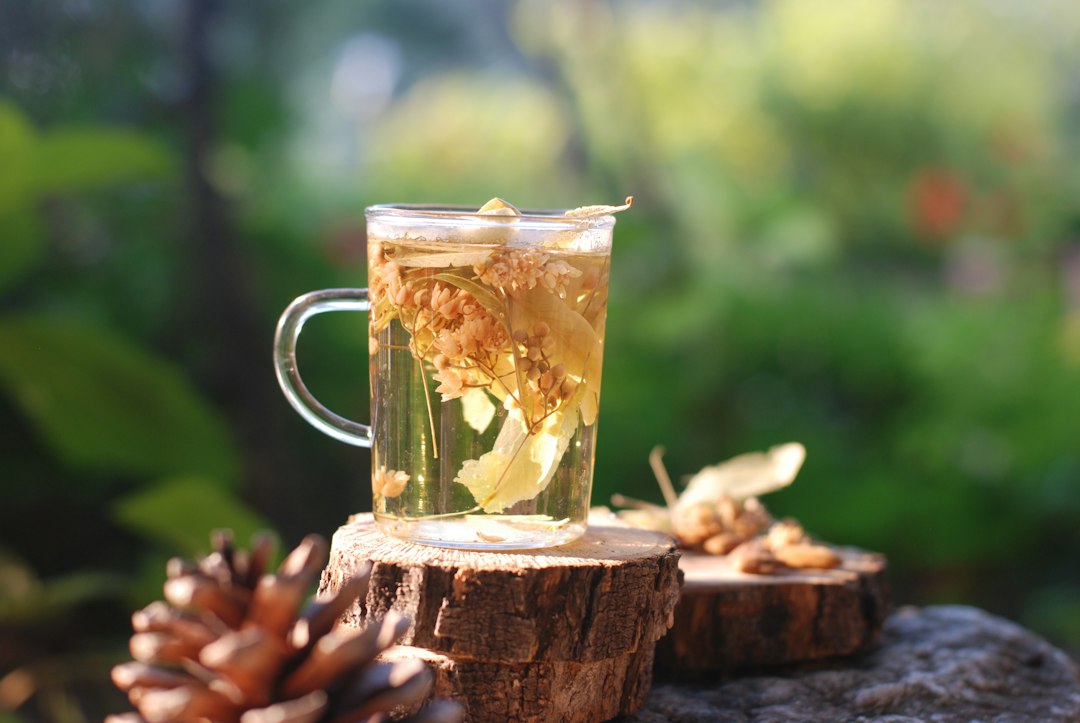
Pau d’arco bark is traditionally simmered as a decoction.
Pau d’arco comes in a few forms. Each one suits a different routine, so it helps to know the options. Many people who try pau d’arco for candida start with a tincture because it is quick and easy.
Tincture
A tincture is a liquid extract made by soaking the bark in alcohol and water. We make our pau d’arco tincture with the classic method, at a 1:5 ratio. As a result, you get a concentrated, shelf-stable extract. Most people add drops to a little water or juice.
Tea (decoction)
Because it is a tough bark, pau d’arco needs more than a quick steep. Instead, herbalists simmer it gently for 15 to 20 minutes. This kind of tea is called a decoction. The result is a reddish-brown brew with an earthy, slightly bitter taste. Some people add cinnamon or ginger to round it out.
Topical use
Traditionally, a cooled decoction serves as a foot soak or skin wash. For example, people with athlete’s foot have long used it this way. Our Antifungal Cream is another option for skin use.
Tips for daily use
But there’s more to it than that. A few practical notes help you get the most from this herb:
- Pair it with a lower-sugar diet, since yeast feeds on sugar
- Take it consistently, because herbal routines work best over weeks rather than days
- Store tinctures away from heat and light
Who should take care
Pau d’arco is not suitable for everyone. Avoid it during pregnancy and breastfeeding. Also, lapachol may affect blood clotting, so talk to a health professional first if you take blood thinners or have surgery coming up. Check with a qualified practitioner before adding any new herb, especially if you take medication.
Finally, we never make dosing claims. Please see our disclaimer, and speak with a naturopath or herbalist about what fits your situation.
FAQ
- Superior Sourcing: Our herbs are sourced from all over the world to avoid seasonal fluctuations in availability, keeping herbs accessible. Our suppliers meet strict standards that ensure top quality herbs, most of which are organic, wildcrafted, sustainably grown, or grown using permaculture. We support local farmers and grow many of our own herbs.
- Superior Processing: Our tinctures are made using the classic tincturing method. The tinctures are made in a 1:5 ratio which allows for the optimal extraction of the herb. The alcohol percentage is strictly controlled depending on the herb and part of the plant that is used.
- Superior Selection: We take pride in our growing selection of over 300 individual herbs. If we don’t carry the herb you’re seeking, we can likely track it down for you.
- Superior Quality Control: Our tinctures are thoroughly tested by a third-party lab and with an organoleptic evaluation by our team of herbalists prior to final bottling.
- Superior Price: Our tinctures are more cost-effective than other tinctures on the market. With an eye towards efficiency, we keep our costs low by maintaining good relationships with our wide network of suppliers and ordering herbs in bulk quantities.
- We Care About the Environment: We repackage materials that are shipped to us (so don’t be surprised if our packages look different from time to time!). We recycle or reuse materials whenever possible. We turn the cardboard we receive from other suppliers into packing material. We donate to avoid waste to groups like Naturopaths Without Borders. Our workforce almost completely uses public transportation or bikes. We are powered using 100% renewable energy through Bullfrog Power.
- We Donate To Charity: We support many causes that make the world better. We donate a portion of our profits or products. These include charities that support environmental and natural sustainability.
Set up an online account and order through the website. If you don’t have an account and place an order, one will be created for you.
Click here to subscribe to our mailing list.
Our products are made in Toronto, Ontario, Canada by a team of Herbalists and Naturopathic Doctors. The herbs and ingredients we use to make our products are sourced both locally and globally to keep herbs accessible and sustainable.
The majority of our herbs are certified organic, sustainably wildcrafted, or come from small-scale local organic farms that do not yet have organic certification. We always do our best to provide organic herbs in your formulas. We work with a variety of suppliers to keep costs low.
Although most of our products do not contain gluten, we do not have gluten-free certification for our production facility. Feel free to ask about any specific products and we’ll share whatever information we have available.
For liability and regulatory reasons, we don’t make any claims as to how our herbs should be used, including dosing recommendations. Please review our disclaimer, as well as our terms and policies.