Garlic for Immune Health: Where the Tradition Starts
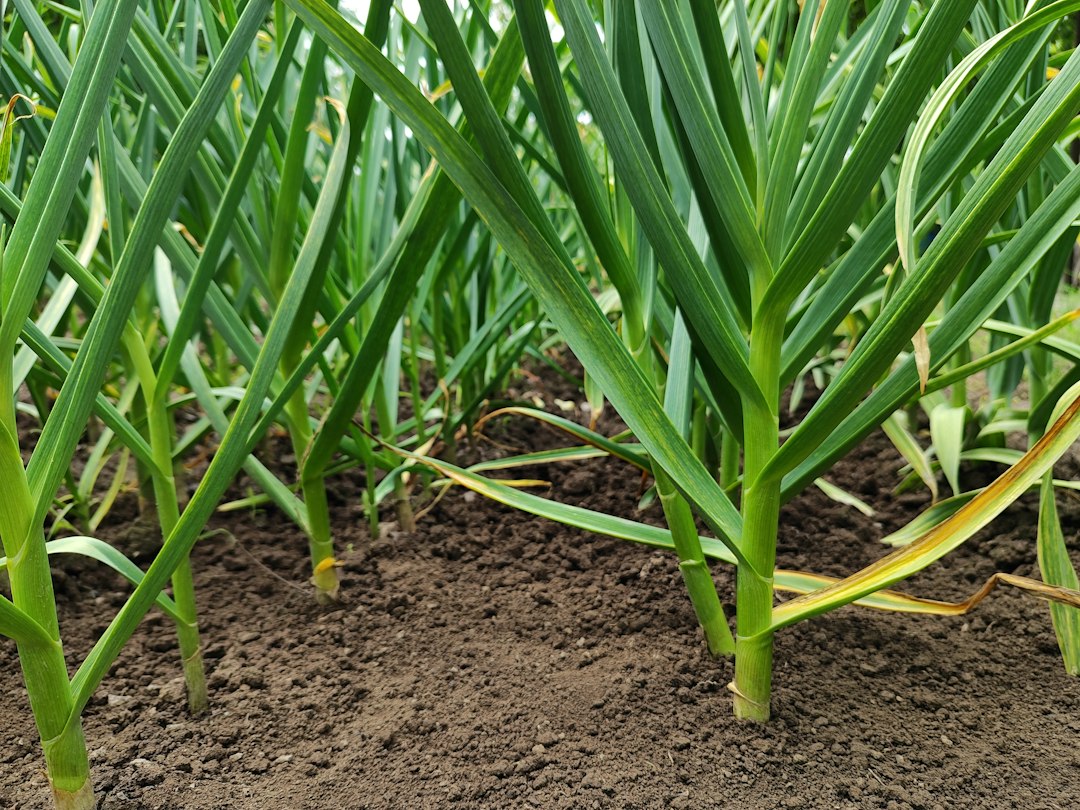
Growing garlic for immune health starts with a fall planting.
Garlic for immune health is one of the oldest ideas in herbal medicine, and it still holds up well every cold season. Most of us keep a few bulbs in the kitchen. However, few people think of garlic as a medicinal herb in its own right.
Here’s why that matters: garlic sits in a rare spot where food and medicine overlap. So the same bulb you crush into a pasta sauce also has a long record in folk healing.
Garlic goes by the Latin name Allium sativum. It belongs to the onion family, along with leeks, chives and shallots. The plant grows from a single bulb made of many cloves. In early summer, it sends up long flat leaves and a curly flower stalk called a scape.
A Short History of Garlic Medicine
Garlic most likely came from Central Asia. From there, traders carried it across Egypt, Greece, Rome, India and China. For example, Egyptian workers ate it daily, and Greek athletes chewed it before competing. Later, European herbalists also used it during plague outbreaks and harsh winters.
This is where it gets interesting. Before modern medicine, garlic was one of the few remedies that almost every household could afford. As a result, it earned nicknames like “poor man’s treacle” in old English herbals.
Today, growers plant garlic in the fall and harvest it the next July. Then they cure the bulbs in a dry, airy place for a few weeks. That curing step helps the bulbs store well through winter, which is exactly when people reach for garlic for immune health.
At Herbal Clinic, we make our garlic tincture in Toronto. It gives you a simple way to take garlic without cooking a single clove.
How Garlic Supports Immune Health
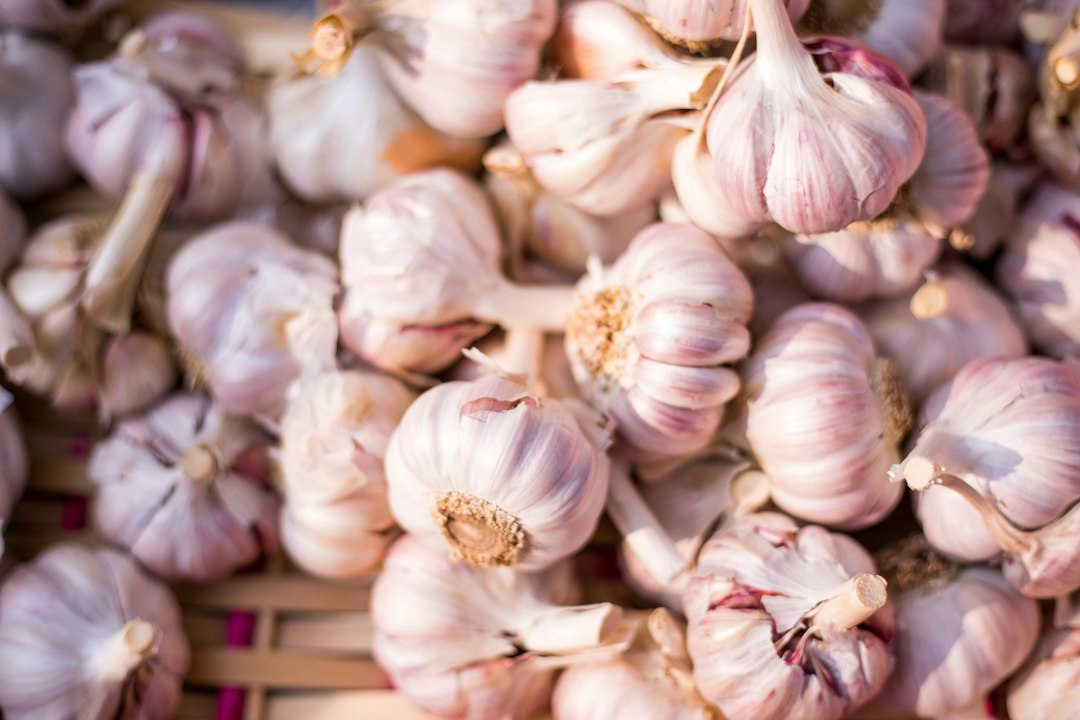
Cured garlic bulbs, ready for winter storage.
So what makes garlic for immune health more than just folklore? The answer starts the moment you cut a clove.
A whole clove holds a compound called alliin. It also holds an enzyme called alliinase, stored in a separate part of the cell. When you crush or chop the clove, the two meet. Then they form allicin, the sharp compound behind garlic’s smell and bite.
Here’s how it works: allicin breaks down quickly into other sulfur compounds. Researchers have studied these compounds for their effects on bacteria, fungi and viruses in lab settings. In addition, some studies suggest garlic may support the activity of certain immune cells.
But there’s more to it than that. Herbalists also describe garlic as a warming, drying herb. Traditionally, they reach for it when a cold settles in the chest with damp, heavy mucus. That is why garlic often appears next to thyme and elecampane in old cough remedies.
What the Research Says
Small human trials have looked at garlic for immune health during the winter months. For example, one trial found fewer colds in people taking a garlic supplement daily. However, the evidence is still limited, and larger studies are needed. You can read a balanced summary from the US National Center for Complementary and Integrative Health.
Garlic also has a long history beyond the immune system. For instance, people have traditionally used it to support healthy circulation and heart health. It also shows up in digestive formulas, especially where gut flora feels out of balance.
The key takeaway: garlic is a broad, generalist herb. It does many small things well, rather than one dramatic thing. Because of that, herbalists often pair it with more targeted herbs. Our echinacea guide and elderberry guide cover two common partners.
How to Use Garlic for Immune Health
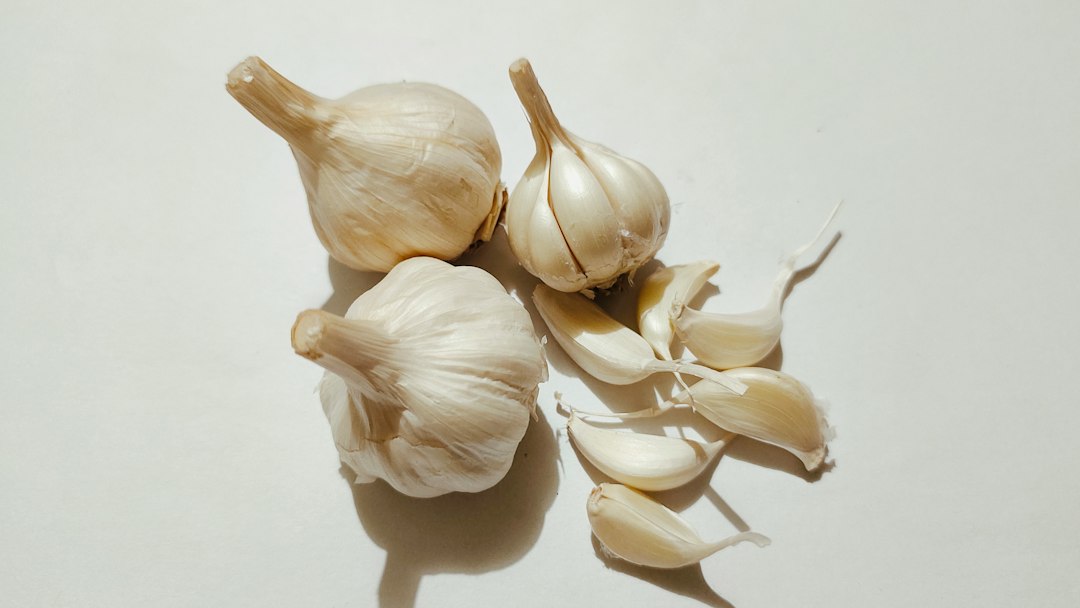
Whole bulbs and loose cloves.
There are several easy ways to bring garlic for immune health into your week. The right one depends on your taste, your stomach and your routine.
Raw garlic. First, crush a clove and let it sit for about ten minutes. That pause gives allicin time to form. Then stir it into honey, olive oil or a spoonful of food. Raw garlic is strong, so start with a small amount.
Cooked garlic. Cooking softens the flavour. However, high heat also breaks down allicin, so add garlic near the end of cooking if you can. Soups and broths are a classic cold-season choice.
Garlic honey. Next, fill a jar with peeled, lightly crushed cloves and cover them with raw honey. Let it sit for a week or two. Many families keep a jar on the counter all winter.
Garlic Tincture and Other Easy Options
Garlic tincture. A tincture is a liquid extract of the herb in alcohol and water. It is quick to take, travels well and keeps for years. Also, you skip the peeling and chopping. Our garlic tincture uses the classic 1:5 method, and our herbalists make it in small batches.
So what does this mean for you? Pick the form you will actually use. A tincture suits busy mornings, while garlic honey suits a slow evening with tea.
A few practical notes. Garlic can thin the blood, so talk to your healthcare provider if you take blood thinners or have surgery coming up. Large amounts of raw garlic can also upset the stomach. In addition, some people simply find the smell hard to live with.
Finally, think of garlic as part of a bigger picture. Sleep, warm food, fresh air and rest all matter during cold season. Garlic for immune health works best as one steady habit among many.
FAQ
- Superior Sourcing: Our herbs are sourced from all over the world to avoid seasonal fluctuations in availability, keeping herbs accessible. Our suppliers meet strict standards that ensure top quality herbs, most of which are organic, wildcrafted, sustainably grown, or grown using permaculture. We support local farmers and grow many of our own herbs.
- Superior Processing: Our tinctures are made using the classic tincturing method. The tinctures are made in a 1:5 ratio which allows for the optimal extraction of the herb. The alcohol percentage is strictly controlled depending on the herb and part of the plant that is used.
- Superior Selection: We take pride in our growing selection of over 300 individual herbs. If we don’t carry the herb you’re seeking, we can likely track it down for you.
- Superior Quality Control: Our tinctures are thoroughly tested by a third-party lab and with an organoleptic evaluation by our team of herbalists prior to final bottling.
- Superior Price: Our tinctures are more cost-effective than other tinctures on the market. With an eye towards efficiency, we keep our costs low by maintaining good relationships with our wide network of suppliers and ordering herbs in bulk quantities.
- We Care About the Environment: We repackage materials that are shipped to us (so don’t be surprised if our packages look different from time to time!). We recycle or reuse materials whenever possible. We turn the cardboard we receive from other suppliers into packing material. We donate to avoid waste to groups like Naturopaths Without Borders. Our workforce almost completely uses public transportation or bikes. We are powered using 100% renewable energy through Bullfrog Power.
- We Donate To Charity: We support many causes that make the world better. We donate a portion of our profits or products. These include charities that support environmental and natural sustainability.
Set up an online account and order through the website. If you don’t have an account and place an order, one will be created for you.
Click here to subscribe to our mailing list.
Our products are made in Toronto, Ontario, Canada by a team of Herbalists and Naturopathic Doctors. The herbs and ingredients we use to make our products are sourced both locally and globally to keep herbs accessible and sustainable.
The majority of our herbs are certified organic, sustainably wildcrafted, or come from small-scale local organic farms that do not yet have organic certification. We always do our best to provide organic herbs in your formulas. We work with a variety of suppliers to keep costs low.
Although most of our products do not contain gluten, we do not have gluten-free certification for our production facility. Feel free to ask about any specific products and we’ll share whatever information we have available.
For liability and regulatory reasons, we don’t make any claims as to how our herbs should be used, including dosing recommendations. Please review our disclaimer, as well as our terms and policies.