Meet the Roadside Herb: Mugwort for Dreams and Digestion

Mugwort for dreams and digestion starts with this leafy roadside plant
Mugwort for dreams and digestion is an old pairing, and it still surprises people today. You have probably walked past this plant many times without noticing it. It grows along roadsides, fences and empty lots across Ontario. However, few common weeds have a longer history in herbal practice.
Mugwort goes by the Latin name Artemisia vulgaris. It belongs to the daisy family, Asteraceae. Its close cousins include wormwood, sweet Annie and tarragon. Like those relatives, mugwort carries a strong, bitter, slightly sage-like smell.
The plant can reach well over a metre tall by late summer. Its stems are often purple-red. The leaves are deeply cut and dark green on top. Flip one over, though, and you will see a silvery, almost felted underside. That silver flash is the easiest way to spot it in a field.
In late summer, small yellow-brown flower heads appear along the upper stems. They are not showy. Even so, herbalists usually harvest the leaves and flowering tops at this stage, because the aroma is strongest then.
A long history across many cultures
Here’s why that matters: mugwort shows up in the folk medicine of Europe, China, Japan and Korea alike. In medieval Europe, travellers tucked it into their shoes to ward off fatigue on long walks. It was also one of the bitter herbs brewed into beer before hops took over.
In Chinese medicine, a related species called Ai Ye (Artemisia argyi) plays a central role. Practitioners roll the dried, fluffy leaf into moxa and burn it near the skin to warm the body. Herbal Clinic carries Chinese Mugwort (Ai Ye) as well as the European plant.
Meanwhile, folk traditions in Europe linked mugwort with sleep and dreaming. People stuffed it into small pillows or sipped it as a tea before bed. Many still say it makes their dreams more vivid and easier to remember. So the name “dream herb” has stuck for centuries.
Benefits of Mugwort for Dreams and Digestion
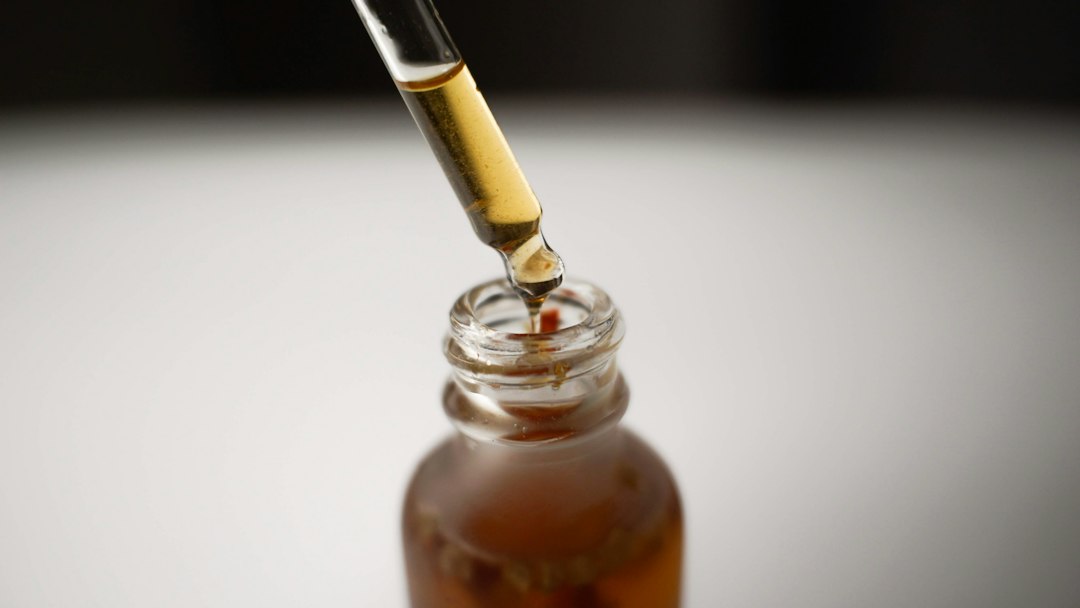
A dropper of herbal tincture
So what makes mugwort for dreams and digestion such a lasting pair? The answer starts with taste. Mugwort is a classic bitter herb, and bitterness does real work in the body.
Here’s how it works: bitter compounds touch receptors on the tongue. Those receptors send a signal down the line to the stomach, liver and pancreas. As a result, the body releases more saliva, stomach acid, bile and digestive enzymes. This is the whole idea behind traditional digestive bitters.
For this reason, herbalists have long reached for mugwort when meals sit heavily. It is traditionally used for bloating, sluggish appetite and that full, slow feeling after rich food. Also, many old recipes paired it with fatty meats such as goose, partly to help the meal go down easier.
Mugwort is gentler than its cousin wormwood. If you want a stronger bitter, read our guide to wormwood for digestion. For a classic root bitter, see our post on gentian root.
This is where it gets interesting. Mugwort’s dream reputation is mostly folk tradition, and science has not tested it well. Still, the stories are remarkably consistent across cultures. People often report dreams that feel brighter, longer or easier to recall.
Some herbalists also describe mugwort as mildly calming for the nerves. In addition, the plant is traditionally used to support a regular menstrual cycle. That use explains why people should not take it during pregnancy.
What is in the plant?
Mugwort contains a volatile oil with compounds such as cineole, camphor and a small amount of thujone. It also holds bitter sesquiterpene lactones and flavonoids. The bitter lactones likely drive most of its digestive action. You can read a broad botanical overview on Wikipedia’s Artemisia vulgaris page.
The key takeaway: mugwort is first and foremost a digestive bitter, with a fascinating folk role around sleep and dreams.
How to Use Mugwort for Dreams and Digestion
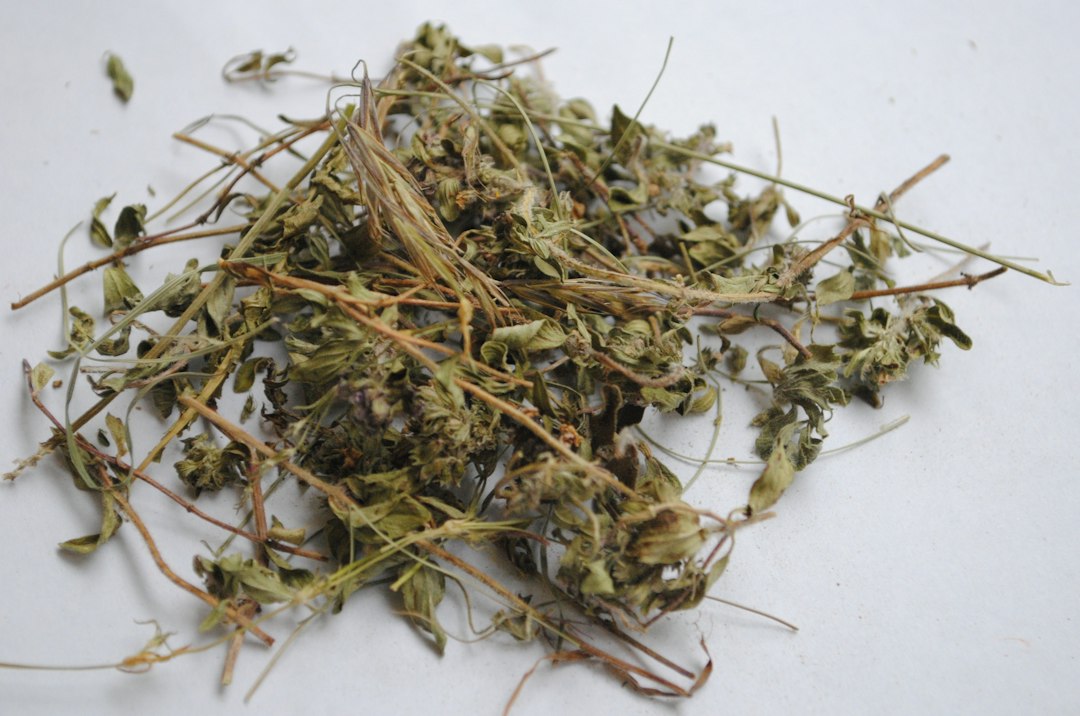
Dried leaves and flowering tops
People take mugwort for dreams and digestion in a few simple ways. The most common forms are a tincture, a tea or a dream pillow. Each one suits a slightly different goal.
Tincture, tea and dream pillows
A tincture is the easiest way to use mugwort as a bitter. Many people take a few drops in a little water about 15 minutes before a meal. That way, the bitter taste reaches the tongue and primes digestion before food arrives. Because the taste is strong, do not hide it in juice. The bitterness is the point.
Herbal Clinic makes its mugwort tincture in small batches in Toronto. We use the classic 1:5 method and adjust the alcohol to suit the leaf. If you are curious about the process, see our beginner’s guide to making tinctures.
Mugwort tea is earthy and quite bitter. Steep a small amount of dried leaf in hot water for five to ten minutes, then strain. Some people add a slice of ginger or a little peppermint to soften the flavour. An evening cup is also the traditional way to explore its dream reputation.
For a gentler approach, fill a small cotton pouch with dried mugwort and tuck it inside your pillowcase. The scent alone is the whole practice here. Many people pair it with lavender or hops.
A few cautions
First, avoid mugwort if you are pregnant or trying to conceive. Second, skip it if you react to ragweed, chamomile or other daisy-family plants. Also, mugwort is not a long-term daily herb for most people, so take breaks. Finally, check with your healthcare practitioner if you take medication or have a health condition.
Used with a little respect, this humble roadside weed can be a lovely addition to your herbal routine.
FAQ
- Superior Sourcing: Our herbs are sourced from all over the world to avoid seasonal fluctuations in availability, keeping herbs accessible. Our suppliers meet strict standards that ensure top quality herbs, most of which are organic, wildcrafted, sustainably grown, or grown using permaculture. We support local farmers and grow many of our own herbs.
- Superior Processing: Our tinctures are made using the classic tincturing method. The tinctures are made in a 1:5 ratio which allows for the optimal extraction of the herb. The alcohol percentage is strictly controlled depending on the herb and part of the plant that is used.
- Superior Selection: We take pride in our growing selection of over 300 individual herbs. If we don’t carry the herb you’re seeking, we can likely track it down for you.
- Superior Quality Control: Our tinctures are thoroughly tested by a third-party lab and with an organoleptic evaluation by our team of herbalists prior to final bottling.
- Superior Price: Our tinctures are more cost-effective than other tinctures on the market. With an eye towards efficiency, we keep our costs low by maintaining good relationships with our wide network of suppliers and ordering herbs in bulk quantities.
- We Care About the Environment: We repackage materials that are shipped to us (so don’t be surprised if our packages look different from time to time!). We recycle or reuse materials whenever possible. We turn the cardboard we receive from other suppliers into packing material. We donate to avoid waste to groups like Naturopaths Without Borders. Our workforce almost completely uses public transportation or bikes. We are powered using 100% renewable energy through Bullfrog Power.
- We Donate To Charity: We support many causes that make the world better. We donate a portion of our profits or products. These include charities that support environmental and natural sustainability.
Set up an online account and order through the website. If you don’t have an account and place an order, one will be created for you.
Click here to subscribe to our mailing list.
Our products are made in Toronto, Ontario, Canada by a team of Herbalists and Naturopathic Doctors. The herbs and ingredients we use to make our products are sourced both locally and globally to keep herbs accessible and sustainable.
The majority of our herbs are certified organic, sustainably wildcrafted, or come from small-scale local organic farms that do not yet have organic certification. We always do our best to provide organic herbs in your formulas. We work with a variety of suppliers to keep costs low.
Although most of our products do not contain gluten, we do not have gluten-free certification for our production facility. Feel free to ask about any specific products and we’ll share whatever information we have available.
For liability and regulatory reasons, we don’t make any claims as to how our herbs should be used, including dosing recommendations. Please review our disclaimer, as well as our terms and policies.