Where Bacopa for Memory Comes From
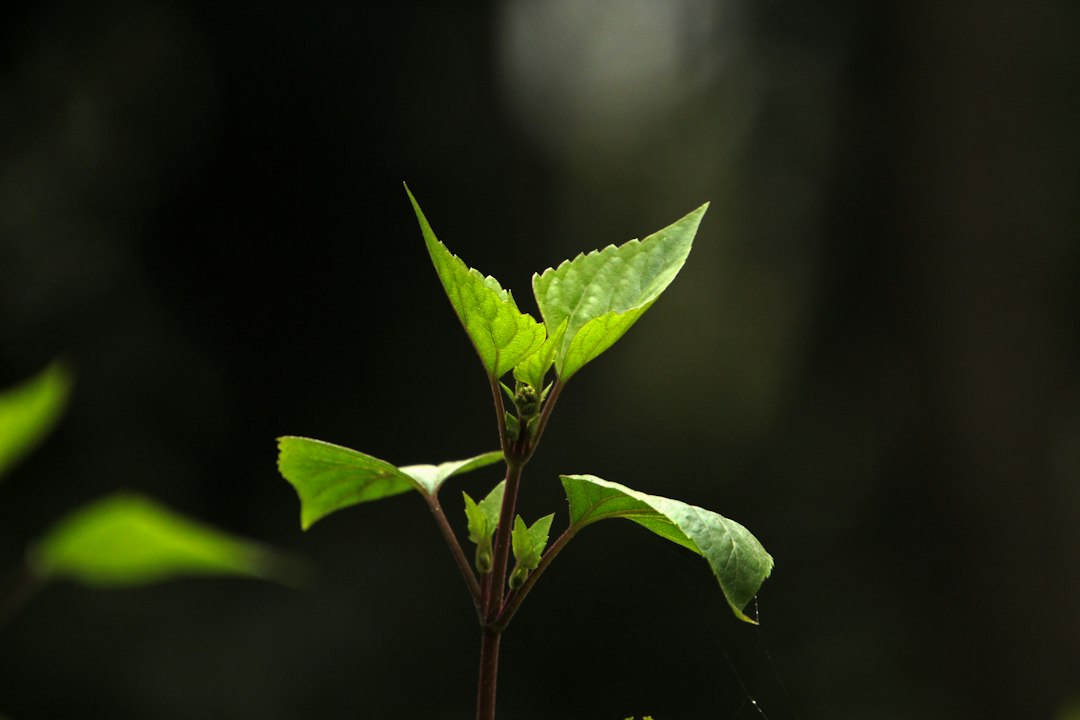
Herbalists have relied on bacopa for memory support for centuries.
Bacopa for memory has a long history in India, and modern research has started to catch up with that tradition. If you have ever walked into a room and forgotten why, this small creeping herb may be worth a closer look.
Bacopa (Bacopa monnieri) is a low, succulent plant that grows in wet ground. You can find it along riverbanks, in marshes and at the edges of rice paddies across India, Southeast Asia, Australia and the southern United States. Its stems creep along the mud, and its leaves are small, thick and slightly fleshy. In summer, it produces tiny white or pale purple flowers with five petals.
Brahmi in Ayurvedic Tradition
In Ayurveda, the traditional medicine of India, bacopa goes by the name Brahmi. The word links to Brahman, the idea of universal consciousness, so you can see how highly practitioners valued it. For centuries, Ayurvedic texts grouped Brahmi with the medhya rasayanas. These are herbs traditionally used to support the mind, learning and recall. According to tradition, students took it to help them memorize long sacred verses.
Here’s why that matters: very few herbs carry a reputation this specific. Most traditional brain herbs support general wellbeing. Bacopa, however, earned its place for one job in particular, which is helping people hold on to what they learn.
Bacopa or Gotu Kola?
There is also one point of confusion worth clearing up. In some regions, people call gotu kola (Centella asiatica) brahmi as well. The two plants look different and belong to different families. For example, bacopa sits in the plantain family, while gotu kola belongs to the carrot family. We cover gotu kola separately in our guide to gotu kola for skin and memory. In addition, the trailing bacopa that garden centres sell for hanging baskets is a different ornamental plant altogether.
So what does this mean for you? When you shop for bacopa for memory, check the Latin name on the label. At Herbal Clinic, our Brahmi tincture uses Bacopa monnieri, the same plant the Ayurvedic tradition describes.
How Bacopa for Memory Works: Benefits and Properties
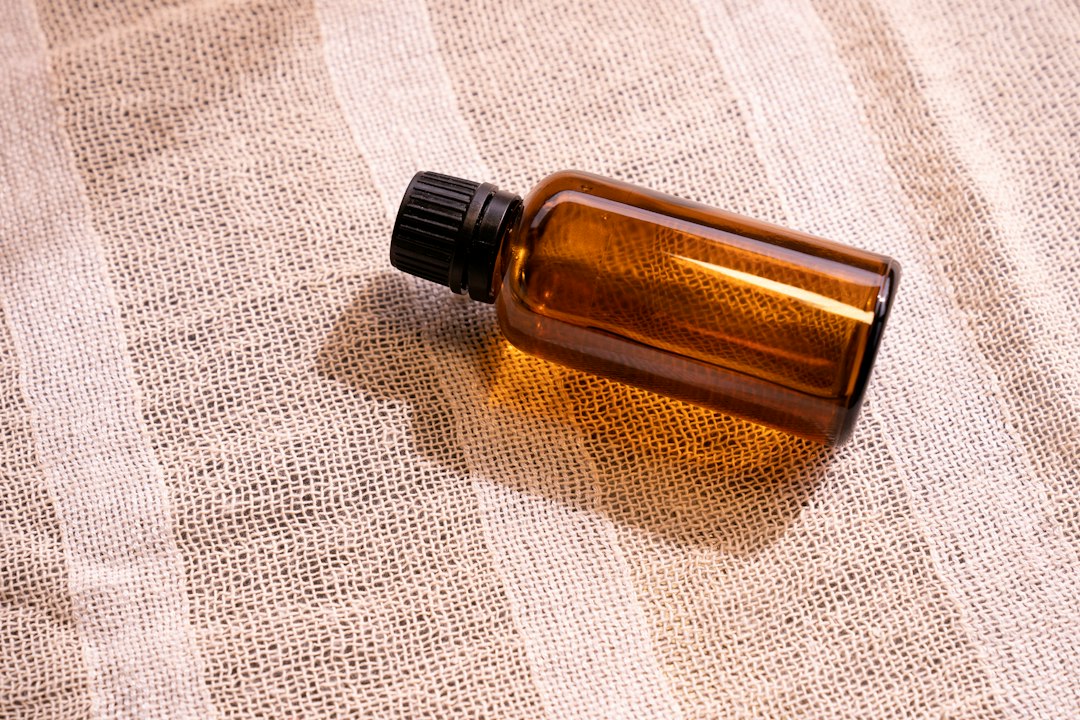
Herbalists usually prepare bacopa as a tincture.
Bacopa for memory is one of the better studied topics in herbal medicine, and that is part of what makes it interesting. Researchers have run a number of human trials on it, mostly with healthy adults and older adults. Many of these studies report that people retained new information better over time.
Bacopa’s main active compounds go by the name bacosides. Bacosides are saponins, a group of plant compounds found in many herbs. Researchers believe they support the way nerve cells communicate with each other. Lab studies also suggest they have antioxidant activity in brain tissue.
Why Bacopa Takes Time
This is where it gets interesting. Unlike coffee, bacopa does not work quickly. In fact, most studies ran for at least eight to twelve weeks before people noticed a difference. In other words, bacopa behaves like a slow, steady tonic rather than a quick boost.
But there’s more to it than that. Some trials also looked at attention, reaction time and anxiety. The results there are more mixed, so memory retention is where bacopa shows the most consistent promise. That honest picture is useful, because it helps you set realistic expectations.
Traditional Uses of Brahmi
Traditionally, herbalists have also associated bacopa with:
- Calm focus during study or demanding work
- Easing everyday nervous tension
- Supporting healthy memory as we age
- A settled mood during stressful periods
Bacopa also has a gentle calming quality. For this reason, herbalists often pair it with ginkgo for a broader approach to focus. For example, our Deep Thinker combo blends bacopa and ginkgo in one bottle.
The key takeaway: bacopa may support memory over time, but it rewards patience. For a balanced summary of the current research, see the Memorial Sloan Kettering bacopa monograph.
How to Use Bacopa for Memory at Home
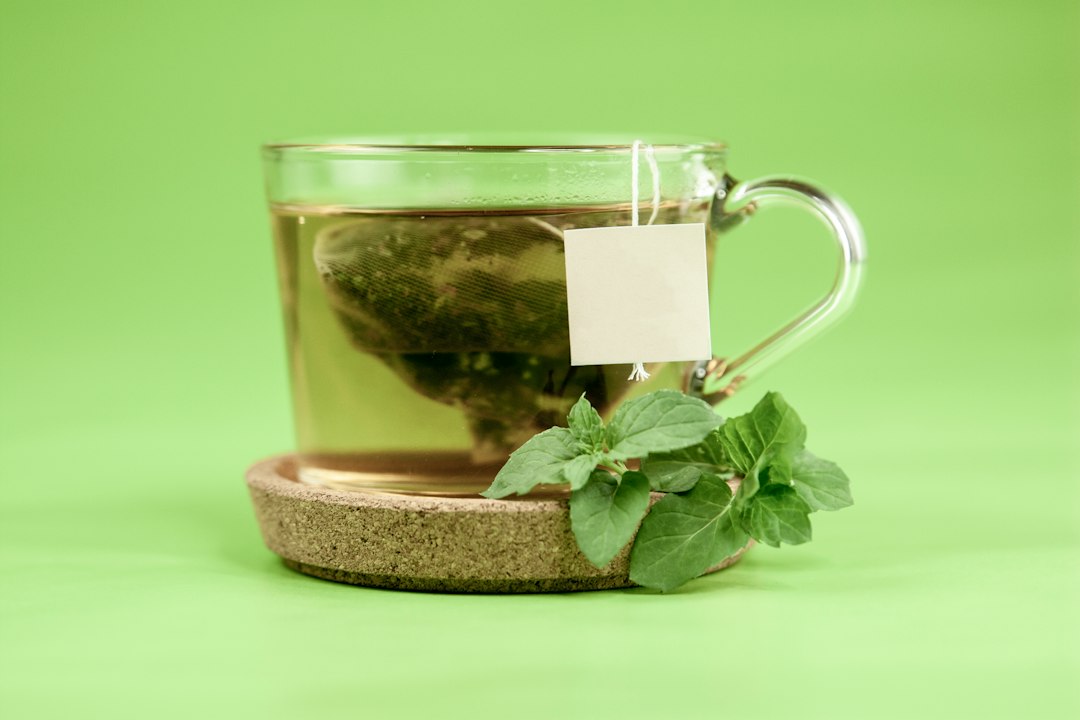
Bacopa tea is bitter, so many people blend it with mint.
Using bacopa for memory works best when you treat it as a daily habit rather than an occasional fix. Because its effects build slowly, consistency matters more than anything else.
Here’s how people traditionally take it:
- Tincture: The most convenient option. You simply add a few drops to a small glass of water or juice.
- Tea: Dried bacopa makes a bitter tea, so many people blend it with mint or a little honey.
- Ghee or milk: In Ayurveda, people often took Brahmi with warm milk or ghee. Practitioners believed the fat helped carry the herb.
- Capsules: Some people prefer a powdered form for convenience.
When to Take Bacopa
So when should you take it? Many people take bacopa with food, because it can upset an empty stomach. Others prefer it in the evening, since it has a mild calming effect. Try both and see what suits your routine.
Who tends to reach for bacopa? Students often add it during a long semester. Busy professionals use it alongside good sleep and regular breaks. Older adults also turn to it as part of a wider routine that includes exercise, social time and a varied diet. In each case, bacopa works as one piece of a bigger picture.
Tips for Building a Daily Habit
A few practical tips also help. First, pair it with something you already do every day, such as breakfast. Then keep a short note of your sleep, focus and mood. After two or three months, you will have a clearer picture of how it fits into your life.
As with any herb, speak with a qualified practitioner before you start. This is especially important if you are pregnant, take thyroid medication or take any prescription medicine. We don’t make dosing recommendations, so a practitioner can help you decide what makes sense for you.
At Herbal Clinic, our herbalists make Brahmi tincture in Toronto using the classic 1:5 method. We also control the alcohol percentage for each herb carefully. As a result, each bottle captures the full range of compounds the plant has to offer.
FAQ
- Superior Sourcing: Our herbs are sourced from all over the world to avoid seasonal fluctuations in availability, keeping herbs accessible. Our suppliers meet strict standards that ensure top quality herbs, most of which are organic, wildcrafted, sustainably grown, or grown using permaculture. We support local farmers and grow many of our own herbs.
- Superior Processing: Our tinctures are made using the classic tincturing method. The tinctures are made in a 1:5 ratio which allows for the optimal extraction of the herb. The alcohol percentage is strictly controlled depending on the herb and part of the plant that is used.
- Superior Selection: We take pride in our growing selection of over 300 individual herbs. If we don’t carry the herb you’re seeking, we can likely track it down for you.
- Superior Quality Control: Our tinctures are thoroughly tested by a third-party lab and with an organoleptic evaluation by our team of herbalists prior to final bottling.
- Superior Price: Our tinctures are more cost-effective than other tinctures on the market. With an eye towards efficiency, we keep our costs low by maintaining good relationships with our wide network of suppliers and ordering herbs in bulk quantities.
- We Care About the Environment: We repackage materials that are shipped to us (so don’t be surprised if our packages look different from time to time!). We recycle or reuse materials whenever possible. We turn the cardboard we receive from other suppliers into packing material. We donate to avoid waste to groups like Naturopaths Without Borders. Our workforce almost completely uses public transportation or bikes. We are powered using 100% renewable energy through Bullfrog Power.
- We Donate To Charity: We support many causes that make the world better. We donate a portion of our profits or products. These include charities that support environmental and natural sustainability.
Set up an online account and order through the website. If you don’t have an account and place an order, one will be created for you.
Click here to subscribe to our mailing list.
Our products are made in Toronto, Ontario, Canada by a team of Herbalists and Naturopathic Doctors. The herbs and ingredients we use to make our products are sourced both locally and globally to keep herbs accessible and sustainable.
The majority of our herbs are certified organic, sustainably wildcrafted, or come from small-scale local organic farms that do not yet have organic certification. We always do our best to provide organic herbs in your formulas. We work with a variety of suppliers to keep costs low.
Although most of our products do not contain gluten, we do not have gluten-free certification for our production facility. Feel free to ask about any specific products and we’ll share whatever information we have available.
For liability and regulatory reasons, we don’t make any claims as to how our herbs should be used, including dosing recommendations. Please review our disclaimer, as well as our terms and policies.