Turkey Tail for Immune Support: Meet the Cloud Mushroom
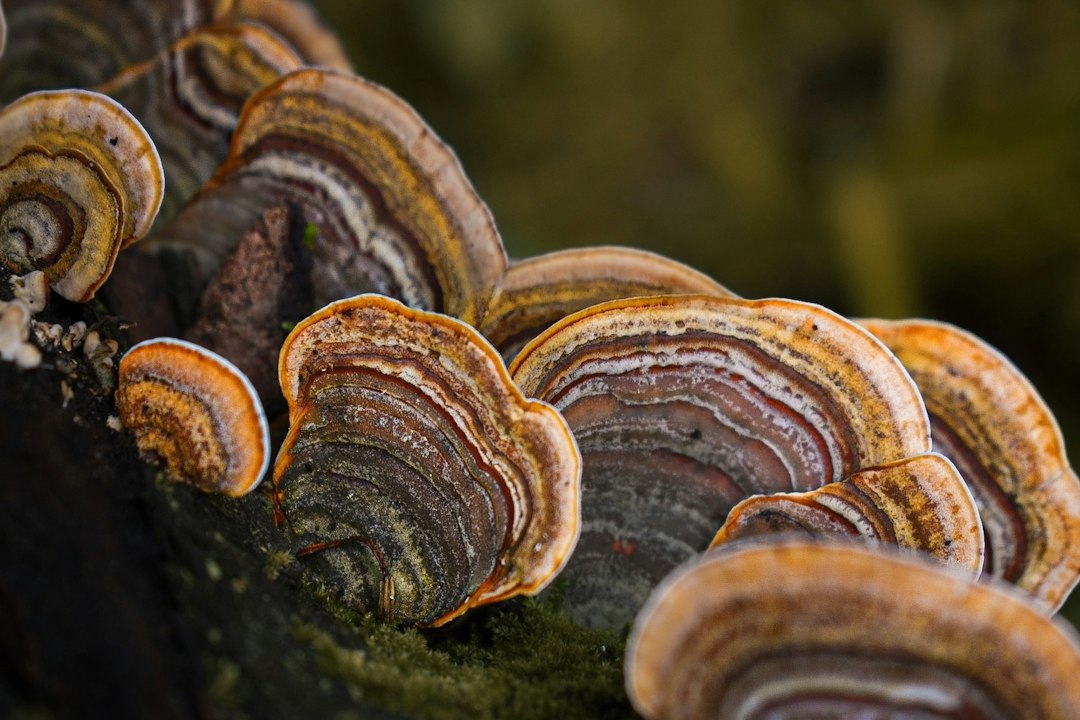
Wild turkey tail, a forest mushroom traditionally used for immune support.
Turkey tail for immune support is one of the most studied uses of any mushroom, and you have probably walked past it on a fallen log without a second look. As cold and flu season settles in, this small striped fungus is worth getting to know. Here’s why that matters: few mushrooms combine such a long folk history with so much modern research.
The mushroom is Trametes versicolor, which older books call Coriolus versicolor. It belongs to the polypore family (Polyporaceae). In English, it takes its name from its fanned shape and bands of colour, which look a lot like a wild turkey’s tail feathers. You can read more about its biology on Wikipedia’s Trametes versicolor page.
Where Turkey Tail Grows
Turkey tail grows on every continent except Antarctica. It feeds on dead hardwood, so you will find it on stumps, fallen branches and old logs. In Ontario, it fruits for most of the year. Each cap is thin, leathery and about the size of a coin. Together, the caps form overlapping rosettes in shades of brown, rust, blue and cream.
So how do you know it is the real thing? Flip a cap over. True turkey tail has tiny pores on its white underside. A common look-alike, false turkey tail, has a smooth underside with no pores at all.
A Long Tradition in East Asia
In China, the mushroom goes by yun zhi, which means “cloud mushroom.” The swirling caps reminded people of clouds. Chinese herbalists simmered it into tea for centuries. They used it to strengthen the body and support the spleen and lungs. In Japan, people know it as kawaratake, or “mushroom by the riverbank.”
But there’s more to it than that. Today, turkey tail sits beside reishi and lion’s mane as one of the best-known functional mushrooms. Next, let’s look at why herbalists turn to turkey tail for immune support.
Why Herbalists Choose Turkey Tail for Immune Support
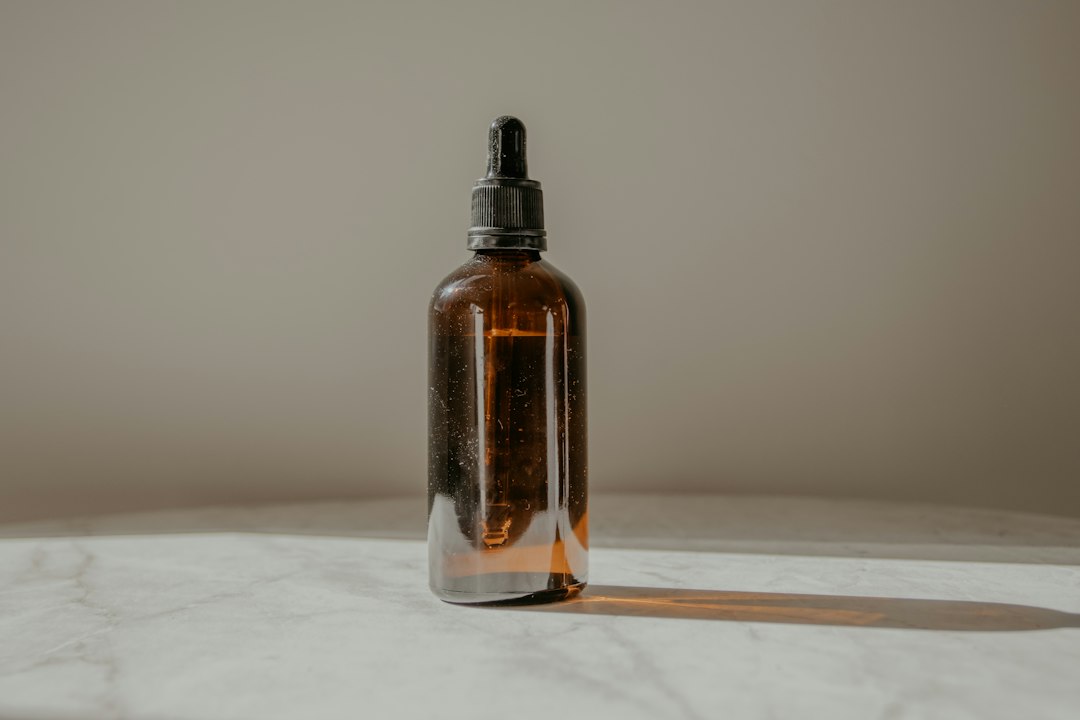
Many people take turkey tail as a tincture.
The main reason people take turkey tail for immune support comes down to its sugars. That may sound odd at first. However, mushrooms build their cell walls from long, complex sugar chains called polysaccharides. These are quite different from table sugar, and they are the focus of most turkey tail research.
What’s Inside Turkey Tail
Researchers have found several groups of active compounds in the mushroom:
- Beta-glucans: polysaccharides found in the cell walls
- PSK: a protein-bound polysaccharide, also called krestin
- PSP: a related polysaccharide-peptide first studied in China
- Phenols and flavonoids: plant compounds with antioxidant activity
Here’s how it works, as far as we know. Your immune cells carry receptors that recognise beta-glucans. When these sugars meet those receptors, they seem to act like a gentle wake-up signal. As a result, lab studies show changes in the activity of immune cells such as macrophages and natural killer cells.
What the Research Says About Turkey Tail for Immune Support
This is where it gets interesting. Japan approved PSK as a prescription treatment in the 1970s. Doctors there use it alongside standard cancer care, and it has a long safety record. The US National Cancer Institute keeps a clear summary of this work on its medicinal mushrooms page.
Newer studies also look at the gut. For example, a small human trial found that turkey tail extract acted like a prebiotic. It fed beneficial gut bacteria, and much of the immune system lives in the gut. So the two areas of research fit together well.
The key takeaway: turkey tail is traditionally associated with steady, long-term immune support rather than a quick fix. Much of the strongest evidence uses concentrated extracts, and human research on everyday use is still growing. Still, this mix of tradition and science explains why so many herbalists value turkey tail for immune support. It also pairs well with astragalus root, another classic tonic.
How to Use Turkey Tail for Immune Support
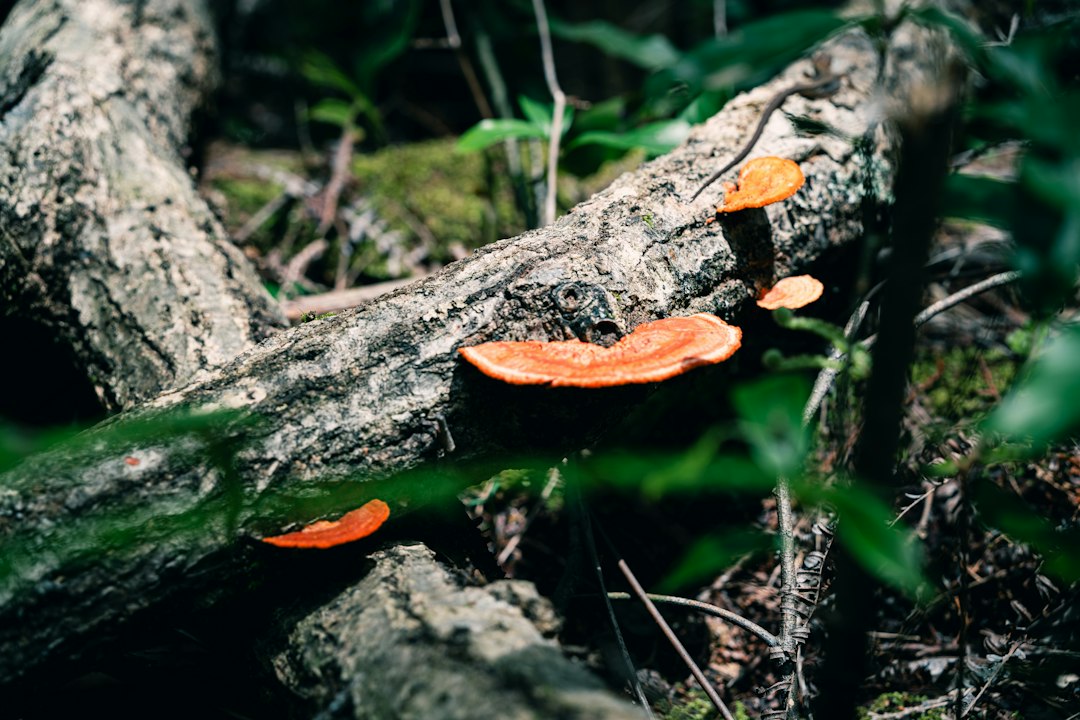
Bracket fungi like turkey tail grow on fallen hardwood logs.
Getting the most from turkey tail for immune support starts with the right preparation. The caps are tough and woody, so you cannot simply eat them like button mushrooms. Instead, people traditionally simmer the dried mushroom in water for a long time. This slow decoction draws the polysaccharides out of the cell walls.
Tea, Tincture or Powder?
Each form has its place. First, a decoction is the oldest method. It tastes mild and earthy, and you can simmer it with ginger or cinnamon. Second, a tincture is simple to take and keeps well on a shelf. Finally, some people add a powdered extract to soups, smoothies or coffee.
So which form should you choose? Many herbalists favour a dual extraction for mushrooms. Hot water pulls out the polysaccharides, while alcohol draws out other compounds. If you like making your own remedies, our guide on how to make a tincture covers the classic method step by step.
Turkey Tail for Immune Support in a Mushroom Blend
Turkey tail also works well in a blend. For example, herbalists often combine it with reishi for calm and resilience. They may also add chaga or lion’s mane for a broader mushroom formula. Our Mushroom Bundle brings several of these together in one place.
A Few Practical Notes
Turkey tail has a long record of gentle use. Even so, check with a qualified practitioner before you start if you are pregnant, nursing or taking prescription medicine. This matters most for anyone on immune-suppressing drugs or receiving cancer treatment. In addition, give the mushroom time, because most traditions use it steadily over weeks rather than days.
How Herbal Clinic Makes It
At Herbal Clinic, we carry Turkey Tail as part of our range of more than 300 single herbs. Our team of herbalists makes our tinctures in Toronto using the classic tincturing method at a 1:5 ratio. We also adjust the alcohol percentage for each herb and plant part. That way, each extract draws out what the mushroom has to offer.
FAQ
- Superior Sourcing: Our herbs are sourced from all over the world to avoid seasonal fluctuations in availability, keeping herbs accessible. Our suppliers meet strict standards that ensure top quality herbs, most of which are organic, wildcrafted, sustainably grown, or grown using permaculture. We support local farmers and grow many of our own herbs.
- Superior Processing: Our tinctures are made using the classic tincturing method. The tinctures are made in a 1:5 ratio which allows for the optimal extraction of the herb. The alcohol percentage is strictly controlled depending on the herb and part of the plant that is used.
- Superior Selection: We take pride in our growing selection of over 300 individual herbs. If we don’t carry the herb you’re seeking, we can likely track it down for you.
- Superior Quality Control: Our tinctures are thoroughly tested by a third-party lab and with an organoleptic evaluation by our team of herbalists prior to final bottling.
- Superior Price: Our tinctures are more cost-effective than other tinctures on the market. With an eye towards efficiency, we keep our costs low by maintaining good relationships with our wide network of suppliers and ordering herbs in bulk quantities.
- We Care About the Environment: We repackage materials that are shipped to us (so don’t be surprised if our packages look different from time to time!). We recycle or reuse materials whenever possible. We turn the cardboard we receive from other suppliers into packing material. We donate to avoid waste to groups like Naturopaths Without Borders. Our workforce almost completely uses public transportation or bikes. We are powered using 100% renewable energy through Bullfrog Power.
- We Donate To Charity: We support many causes that make the world better. We donate a portion of our profits or products. These include charities that support environmental and natural sustainability.
Set up an online account and order through the website. If you don’t have an account and place an order, one will be created for you.
Click here to subscribe to our mailing list.
Our products are made in Toronto, Ontario, Canada by a team of Herbalists and Naturopathic Doctors. The herbs and ingredients we use to make our products are sourced both locally and globally to keep herbs accessible and sustainable.
The majority of our herbs are certified organic, sustainably wildcrafted, or come from small-scale local organic farms that do not yet have organic certification. We always do our best to provide organic herbs in your formulas. We work with a variety of suppliers to keep costs low.
Although most of our products do not contain gluten, we do not have gluten-free certification for our production facility. Feel free to ask about any specific products and we’ll share whatever information we have available.
For liability and regulatory reasons, we don’t make any claims as to how our herbs should be used, including dosing recommendations. Please review our disclaimer, as well as our terms and policies.