Fenugreek Seed Benefits: Meet the Greek Hay Herb
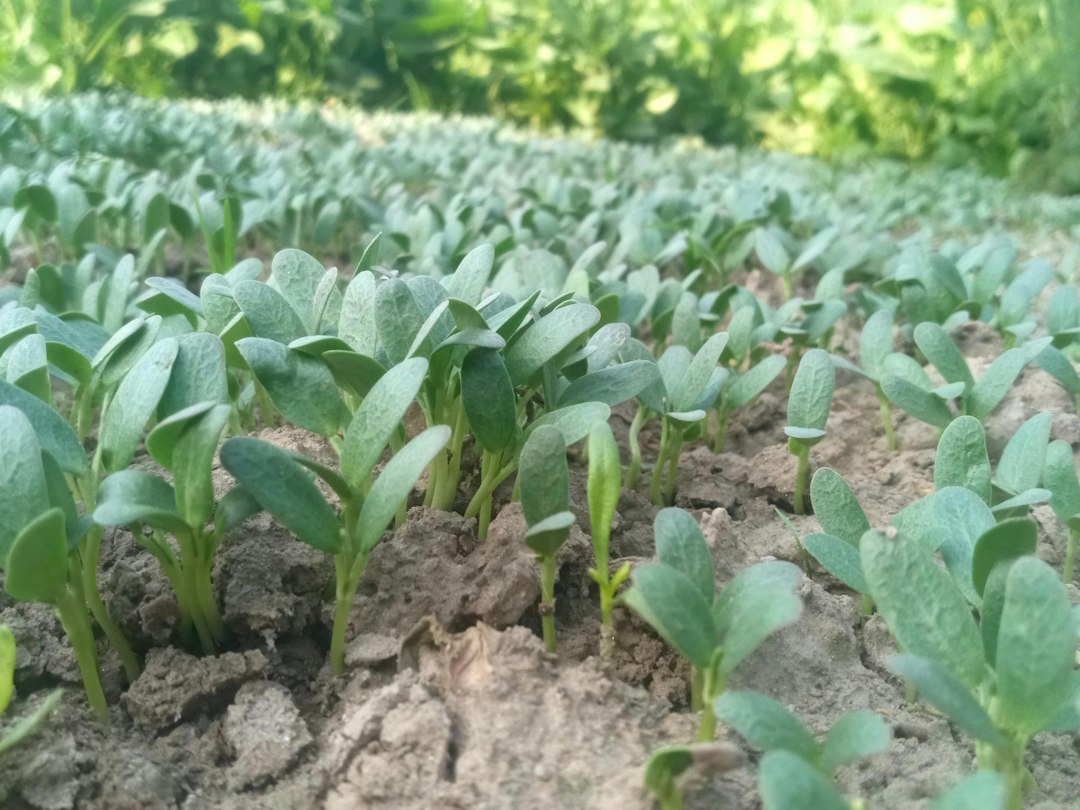
Young plants like these are where fenugreek seed benefits begin.
Fenugreek seed benefits reach back thousands of years, so this humble spice may already sit in your kitchen cupboard. If you have ever tasted a good curry, you have met it. Here’s why that matters: the same small seed that flavours your food also has one of the longest track records in herbal medicine.
The plant is Trigonella foenum-graecum, a member of the pea family (Fabaceae). Its Latin name means “Greek hay,” because farmers once grew it as fodder for livestock. In India, people call it methi. You can read more about its botany on Wikipedia’s fenugreek page.
What Fenugreek Looks Like
Fenugreek is a small annual herb that grows about 60 centimetres tall. Its leaves come in sets of three, much like clover. In summer, it bears pale yellow or white flowers. Then each flower turns into a long, thin pod. Inside, you will find 10 to 20 hard, golden-brown seeds shaped like tiny cubes.
The seeds also have a distinct smell. Crush a few, and you will notice something like maple syrup or burnt sugar. That sweet aroma comes from a compound called sotolon. In fact, some food makers use fenugreek to flavour imitation maple syrup.
Where Fenugreek Grows
Fenugreek is native to the Mediterranean, North Africa and western Asia. Today, India grows most of the world’s supply. However, it also thrives in Canada, especially on the Prairies, because it handles dry summers well. As a result, it has become a useful forage crop for Canadian farmers.
A Long History of Fenugreek Seed Benefits
This is where it gets interesting. Archaeologists found fenugreek seeds in the tomb of Tutankhamun in Egypt. Ancient Egyptians also burned the seeds as incense and used them in embalming. Later, Greek and Roman physicians gave fenugreek to patients for digestion and to soothe the skin.
Meanwhile, Ayurvedic practitioners in India valued the seed as a warming herb for the gut. Traditional Chinese medicine also uses it, under the name hu lu ba, to warm the lower body. So healers across many cultures arrived at similar ideas about fenugreek seed benefits. Next, let’s look at what is actually inside the seed.
Fenugreek Seed Benefits: What's Inside and How It Works
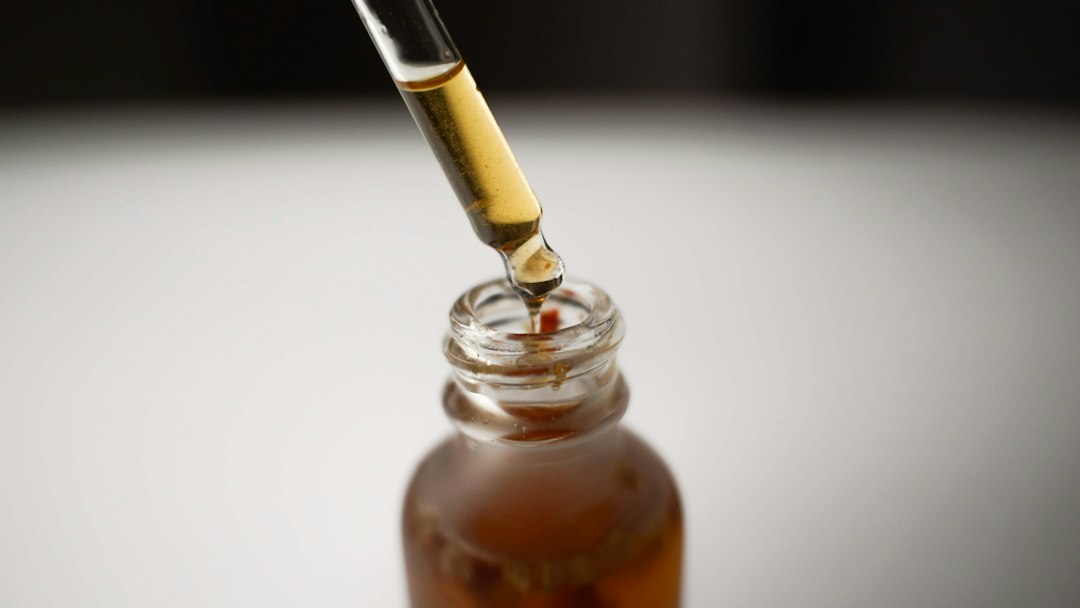
Many people take fenugreek as a tincture.
Most fenugreek seed benefits trace back to what the seed contains. Unlike many herbs, fenugreek is mostly fibre. In fact, close to half of the dry seed is fibre, and much of it is a soluble type called galactomannan.
Key Compounds in Fenugreek
Researchers have identified several groups of active compounds in the seed:
- Galactomannan: a soluble fibre that forms a soft gel in water
- Saponins: plant compounds such as diosgenin
- 4-hydroxyisoleucine: an unusual amino acid found in the seed
- Trigonelline: a mild alkaloid, also found in coffee
- Flavonoids: antioxidant plant pigments
Fenugreek Seed Benefits for Digestion
Here’s how it works. When you soak fenugreek seeds, the fibre swells and turns slippery. Herbalists call this kind of gel mucilage. Because it coats and soothes, fenugreek has a long history of use for an upset stomach, heartburn and sluggish digestion. For many people, this is the best known of all fenugreek seed benefits.
In addition, fenugreek is a classic appetite herb. Traditional healers gave it to people recovering from illness to help them eat again. It also pairs well with fennel seed, another gentle digestive herb.
Fenugreek Seed Benefits for Blood Sugar
So what does this mean for blood sugar? The gel-forming fibre slows how fast the gut absorbs sugar from a meal. For example, several small human studies found that fenugreek may support healthy blood sugar levels after eating. The US National Center for Complementary and Integrative Health notes this research, but it also says we need larger studies. For this reason, herbalists often combine fenugreek with gymnema.
Fenugreek for Nursing Mothers
Fenugreek is also one of the best-known herbs for breastfeeding. Many cultures give it to new mothers to encourage milk flow. Some small studies support this traditional use, although the results are mixed. Therefore, nursing parents should talk to a lactation consultant or health practitioner before trying it.
The key takeaway: fenugreek seed benefits centre on gentle, steady support for digestion, blood sugar balance and new mothers. Most of the evidence looks promising, but it is still early.
How to Enjoy Fenugreek Seed Benefits at Home
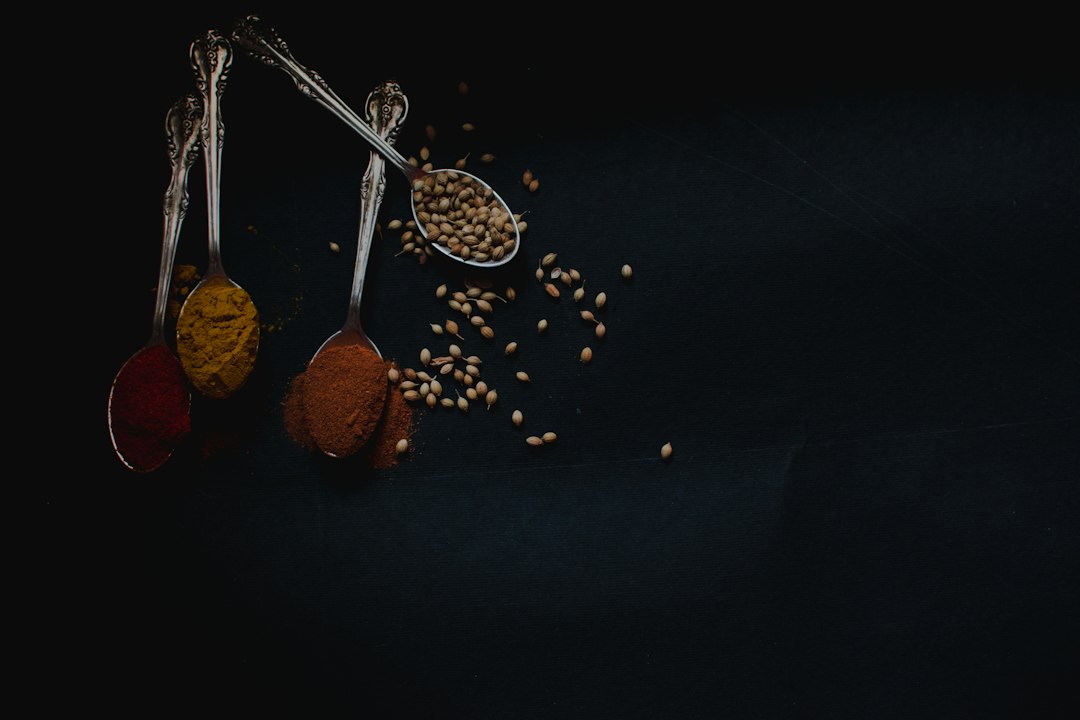
Fenugreek works as both a kitchen spice and an herbal remedy.
Getting fenugreek seed benefits into your routine is easy, because the seed works both as food and as medicine. Here are the most common ways people take it.
Tea, Tincture or Kitchen Spice?
First, you can make a simple tea. Lightly crush a teaspoon of seeds, then steep them in hot water for 10 minutes. The tea tastes nutty and a little bitter. Some people add honey or a slice of ginger root to round it out.
Second, a tincture is quick to take and keeps well on a shelf. It suits anyone who does not enjoy the taste of the tea. If you like making your own remedies, our guide on how to make a tincture walks you through the classic method.
Finally, you can simply cook with it. Toast the seeds in a dry pan to mellow their bitterness, then grind them into curries, dals and spice rubs. You can also sprout the seeds or add the fresh leaves to soups.
Fenugreek in a Blend
Fenugreek also works well alongside other herbs. For example, our Blood Sugar Bundle groups herbs traditionally used for healthy metabolism. Likewise, our Mother’s Helper Blessed Thistle Combo brings together classic herbs for nursing mothers.
A Few Practical Notes
Fenugreek is a common food, so most people tolerate it well. Still, it can cause gas or loose stools at first. Your sweat may also smell faintly of maple syrup, which is harmless. However, avoid it during pregnancy, because it may stimulate the uterus. Check with a practitioner if you take diabetes or blood-thinning medicine. Also, people with peanut or chickpea allergies should take care, since fenugreek belongs to the same plant family.
How Herbal Clinic Makes It
At Herbal Clinic, we carry Fenugreek as part of our range of more than 300 single herbs. Our team of herbalists makes every tincture in Toronto using the classic method at a 1:5 ratio. We also adjust the alcohol percentage for each herb and plant part. That way, each bottle captures the full range of fenugreek seed benefits.
FAQ
- Superior Sourcing: Our herbs are sourced from all over the world to avoid seasonal fluctuations in availability, keeping herbs accessible. Our suppliers meet strict standards that ensure top quality herbs, most of which are organic, wildcrafted, sustainably grown, or grown using permaculture. We support local farmers and grow many of our own herbs.
- Superior Processing: Our tinctures are made using the classic tincturing method. The tinctures are made in a 1:5 ratio which allows for the optimal extraction of the herb. The alcohol percentage is strictly controlled depending on the herb and part of the plant that is used.
- Superior Selection: We take pride in our growing selection of over 300 individual herbs. If we don’t carry the herb you’re seeking, we can likely track it down for you.
- Superior Quality Control: Our tinctures are thoroughly tested by a third-party lab and with an organoleptic evaluation by our team of herbalists prior to final bottling.
- Superior Price: Our tinctures are more cost-effective than other tinctures on the market. With an eye towards efficiency, we keep our costs low by maintaining good relationships with our wide network of suppliers and ordering herbs in bulk quantities.
- We Care About the Environment: We repackage materials that are shipped to us (so don’t be surprised if our packages look different from time to time!). We recycle or reuse materials whenever possible. We turn the cardboard we receive from other suppliers into packing material. We donate to avoid waste to groups like Naturopaths Without Borders. Our workforce almost completely uses public transportation or bikes. We are powered using 100% renewable energy through Bullfrog Power.
- We Donate To Charity: We support many causes that make the world better. We donate a portion of our profits or products. These include charities that support environmental and natural sustainability.
Set up an online account and order through the website. If you don’t have an account and place an order, one will be created for you.
Click here to subscribe to our mailing list.
Our products are made in Toronto, Ontario, Canada by a team of Herbalists and Naturopathic Doctors. The herbs and ingredients we use to make our products are sourced both locally and globally to keep herbs accessible and sustainable.
The majority of our herbs are certified organic, sustainably wildcrafted, or come from small-scale local organic farms that do not yet have organic certification. We always do our best to provide organic herbs in your formulas. We work with a variety of suppliers to keep costs low.
Although most of our products do not contain gluten, we do not have gluten-free certification for our production facility. Feel free to ask about any specific products and we’ll share whatever information we have available.
For liability and regulatory reasons, we don’t make any claims as to how our herbs should be used, including dosing recommendations. Please review our disclaimer, as well as our terms and policies.