Juniper Berry Benefits Start With an Ancient Evergreen

Ripe blue cones hold the juniper berry benefits herbalists value
Juniper berry benefits have been valued for thousands of years, long before anyone used these blue berries to flavour gin. In fact, herbalists across Europe, North Africa and North America reached for juniper whenever digestion felt slow or the urinary tract needed support. So why does a small evergreen berry carry such a long history? The answer sits in its sharp, resinous aroma.
Juniper (Juniperus communis) belongs to the cypress family, Cupressaceae. It grows as a low, spreading shrub or a small tree. You can find it on rocky hillsides, open heaths and forest edges across the northern hemisphere, including much of Canada.
Here’s a surprising fact: the juniper “berry” is not a true berry at all. Botanists call it a cone. However, its scales are soft and fleshy, so they fuse together and look like a berry. The cones start green and then take two to three years to ripen into the dusky blue fruit that herbalists harvest.
The History Behind Juniper Berry Benefits
Ancient Egyptian texts list juniper in several remedies. Later, Greek and Roman physicians also recorded it as a warming herb for the stomach. During the Middle Ages, people burned juniper branches to freshen the air in homes and sickrooms.
Indigenous peoples of North America used juniper too. For example, many communities brewed the berries and branches as a tea, and they also burned the boughs for cleansing ceremonies. As a result, juniper became one of the most widely used plants of the northern world.
But there’s more to it than that. Juniper also gave its name to gin. The word comes from the Dutch genever, which means juniper. Early Dutch distillers first made the drink as a stomach tonic, and only later did it become a social spirit.
What Juniper Looks and Tastes Like
The shrub has stiff, needle-like leaves with a pale stripe on top. Crush a ripe berry and you will notice a sweet, piney scent with a touch of citrus. The taste is warm, slightly bitter and a little resinous. That flavour is a clue to the plant’s chemistry, and it explains many of the juniper berry benefits we explore below.
Key Juniper Berry Benefits and Properties
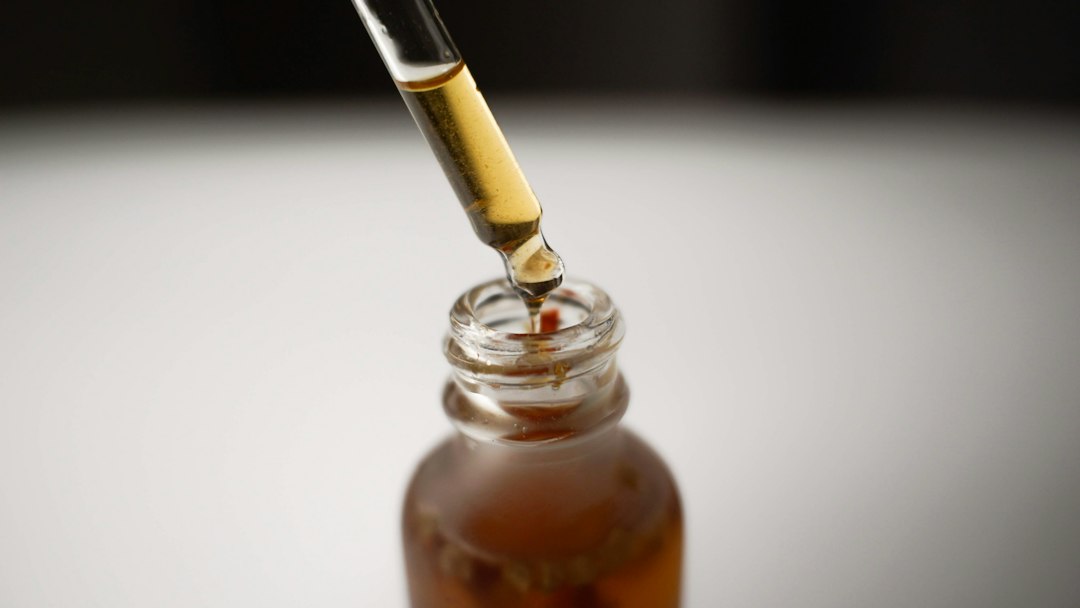
Juniper is often taken as a tincture
Most juniper berry benefits trace back to the volatile oil inside the ripe cone. This oil is rich in compounds such as alpha-pinene, sabinene, myrcene and terpinen-4-ol. The berries also contain flavonoids, tannins and a modest amount of natural sugar.
So what does this mean for you? These compounds give juniper three traditional roles: it warms digestion, it supports the urinary tract, and it brings an aromatic, cleansing quality to formulas.
Juniper Berry Benefits for Digestion
First, herbalists class juniper as a carminative. That means it traditionally helps ease gas and bloating after a heavy meal. Its gentle bitterness also wakes up the appetite, much like other bitter herbs such as gentian root. For this reason, juniper often appears in old recipes for rich winter foods like game, cabbage and sauerkraut.
Juniper Berry Benefits for the Urinary Tract
Second, juniper has a long history as a diuretic herb. In other words, it is traditionally associated with increased urine flow. Terpinen-4-ol is thought to play a part, because it may act on the kidneys and encourage them to release more water.
The European Medicines Agency recognises juniper as a traditional herbal medicine. Its juniper monograph lists two uses: easing mild digestive complaints such as bloating, and increasing urine output to flush the urinary tract. Herbalists also pair juniper with uva ursi for this reason.
Third, the essential oil has a clean, bracing scent. Lab studies suggest the oil has antimicrobial and antioxidant activity. However, most of that research happened in test tubes, so it does not prove the same effect in people.
The key takeaway: juniper berry benefits rest mainly on long traditional use and a well-studied volatile oil. It is a warming, aromatic herb rather than a gentle daily tonic.
How to Use Juniper Berry for Its Benefits
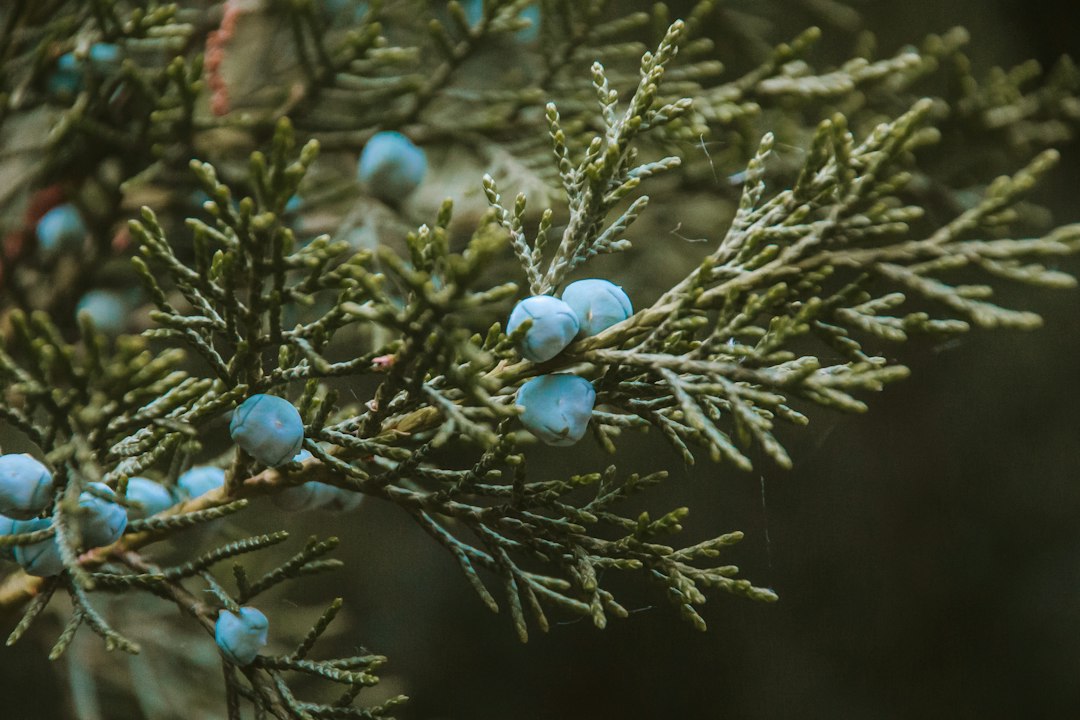
Juniper cones take two to three years to ripen
To enjoy juniper berry benefits, most people choose a tincture, a tea or the whole dried berry in cooking. Each form brings out a slightly different side of the plant.
Juniper Tincture and Tea
A tincture captures both the volatile oil and the bitter compounds. Herbal Clinic makes its juniper tincture with the classic method, at a 1:5 ratio. We also match the alcohol strength to the plant part, so the aromatic oils come through clearly. Want to see how the process works? Read our guide on how to make a tincture.
For a tea, lightly crush a few dried berries first. Crushing breaks the skin, so the oils can escape into the water. Then cover the cup while it steeps, because a lid keeps the aromatic oils from drifting away with the steam.
Juniper also works well as a culinary spice. For example, cooks add a few crushed berries to marinades, stews, roasted root vegetables and pickled cabbage. In this way, juniper brings a gentle digestive lift to heavy autumn and winter meals.
Getting Juniper Berry Benefits Safely
Juniper is a strong herb, so traditional practice keeps its use short. Herbalists usually take it for a few weeks at most, not for months on end. Also, pregnant or breastfeeding people and anyone with kidney disease traditionally avoid it. If you take medication for blood sugar or fluid balance, talk with a qualified practitioner first.
Here’s why that matters: juniper berry benefits shine brightest when you use the herb with care. Then this ancient evergreen can play a useful role in your seasonal routine.
Sourcing at Herbal Clinic
We source our juniper from trusted suppliers, and our herbalists check every batch by look, smell and taste before bottling. Our team also blends juniper with sage and uva ursi in a ready-made combo, so you can try it alongside two classic partner herbs.
FAQ
- Superior Sourcing: Our herbs are sourced from all over the world to avoid seasonal fluctuations in availability, keeping herbs accessible. Our suppliers meet strict standards that ensure top quality herbs, most of which are organic, wildcrafted, sustainably grown, or grown using permaculture. We support local farmers and grow many of our own herbs.
- Superior Processing: Our tinctures are made using the classic tincturing method. The tinctures are made in a 1:5 ratio which allows for the optimal extraction of the herb. The alcohol percentage is strictly controlled depending on the herb and part of the plant that is used.
- Superior Selection: We take pride in our growing selection of over 300 individual herbs. If we don’t carry the herb you’re seeking, we can likely track it down for you.
- Superior Quality Control: Our tinctures are thoroughly tested by a third-party lab and with an organoleptic evaluation by our team of herbalists prior to final bottling.
- Superior Price: Our tinctures are more cost-effective than other tinctures on the market. With an eye towards efficiency, we keep our costs low by maintaining good relationships with our wide network of suppliers and ordering herbs in bulk quantities.
- We Care About the Environment: We repackage materials that are shipped to us (so don’t be surprised if our packages look different from time to time!). We recycle or reuse materials whenever possible. We turn the cardboard we receive from other suppliers into packing material. We donate to avoid waste to groups like Naturopaths Without Borders. Our workforce almost completely uses public transportation or bikes. We are powered using 100% renewable energy through Bullfrog Power.
- We Donate To Charity: We support many causes that make the world better. We donate a portion of our profits or products. These include charities that support environmental and natural sustainability.
Set up an online account and order through the website. If you don’t have an account and place an order, one will be created for you.
Click here to subscribe to our mailing list.
Our products are made in Toronto, Ontario, Canada by a team of Herbalists and Naturopathic Doctors. The herbs and ingredients we use to make our products are sourced both locally and globally to keep herbs accessible and sustainable.
The majority of our herbs are certified organic, sustainably wildcrafted, or come from small-scale local organic farms that do not yet have organic certification. We always do our best to provide organic herbs in your formulas. We work with a variety of suppliers to keep costs low.
Although most of our products do not contain gluten, we do not have gluten-free certification for our production facility. Feel free to ask about any specific products and we’ll share whatever information we have available.
For liability and regulatory reasons, we don’t make any claims as to how our herbs should be used, including dosing recommendations. Please review our disclaimer, as well as our terms and policies.