Cordyceps for Energy Starts High in the Himalayas
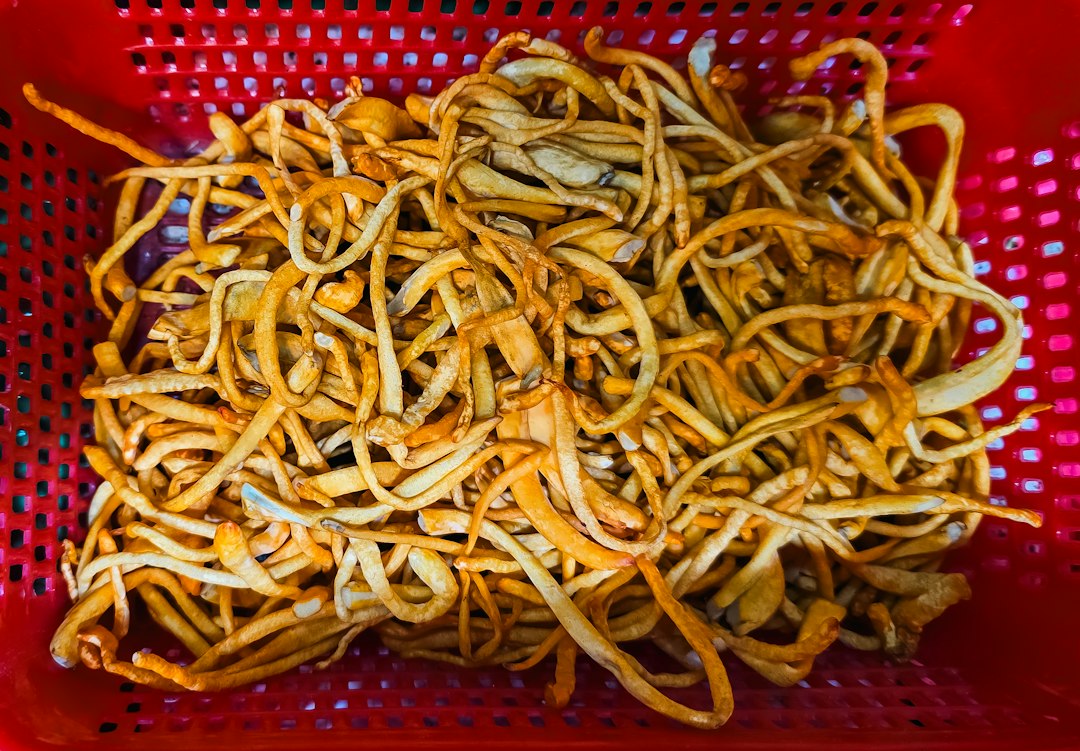
Cultivated cordyceps, a classic tonic for energy, grows as thin orange fingers.
Cordyceps for energy has a story that starts with yak herders on the Tibetan Plateau. According to local tradition, herders noticed their animals grew lively after grazing on a strange little mushroom. So people began to gather it too. Centuries later, this odd fungus is one of the most talked-about mushrooms in herbal medicine.
This guide explains what cordyceps is, how people have used it, and how you can add it to your routine. If the shorter days of fall leave you dragging, read on.
What Is Cordyceps?
Cordyceps is a group of fungi with a very unusual life cycle. The best-known species, Ophiocordyceps sinensis, grows on the larvae of ghost moths in high mountain meadows. Its spores infect the larvae underground over the winter. Then, in spring, a thin brown mushroom pushes up through the soil.
That is where its Chinese name comes from. Dong Chong Xia Cao means “winter worm, summer grass.” In Tibet, people call it yartsa gunbu, which means much the same thing.
Wild Versus Cultivated Cordyceps
Here’s why that matters: wild cordyceps is rare. It grows only above about 3,000 metres in Tibet, Nepal and Bhutan. Collectors search the slopes by hand each spring. As a result, the wild mushroom can cost more than its weight in silver.
Fortunately, growers found another way. Today, most cordyceps comes from cultivation, not from mountain meadows. Growers raise a close cousin, Cordyceps militaris, on grain or other plant-based media. It forms bright orange fruiting bodies that look like thin fingers. This species carries many of the same compounds, and it does not rely on wild harvest or insects.
Cordyceps also belongs to a wider family of medicinal mushrooms. If you enjoy this guide, you may also like our posts on reishi and chaga.
Cordyceps for Energy: Benefits and Properties
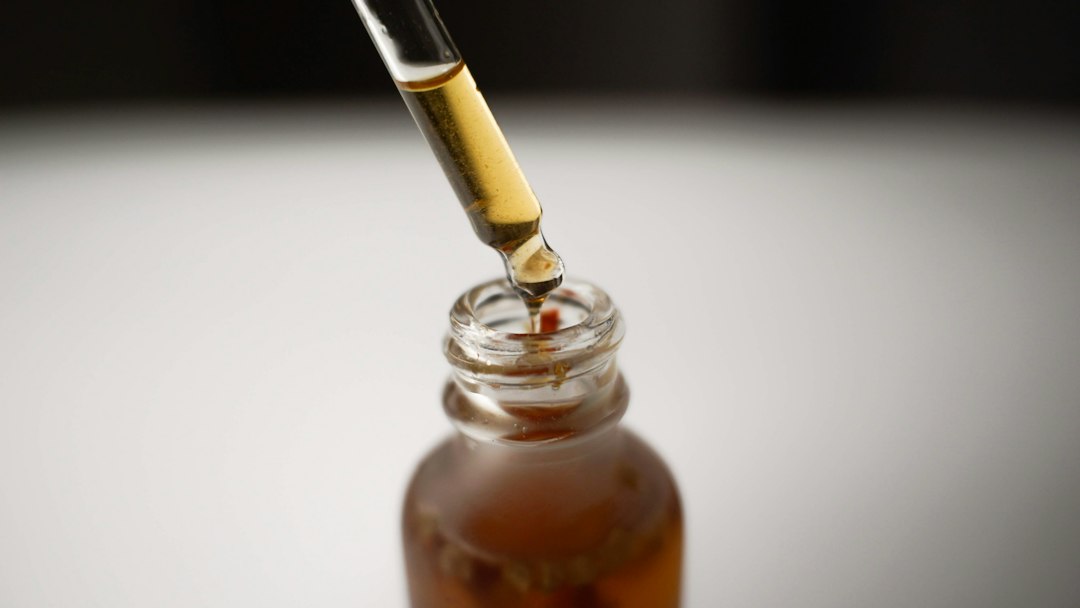
Herbalists often prepare cordyceps as a tincture.
So why do people reach for this mushroom? In Traditional Chinese Medicine, cordyceps is a sweet, warming tonic. Practitioners link it to the Lungs and Kidneys. In TCM terms, the Kidneys hold your deep reserves of energy. For that reason, herbalists have long used cordyceps for energy when someone feels worn down from the inside out.
Traditional Uses of Cordyceps for Energy
For centuries, people in Tibet and China have used cordyceps as a restorative food and medicine. Traditionally, herbalists have turned to it for:
- Fatigue and low stamina, especially in older adults
- Weakness after a long illness
- Shortness of breath and a lingering cough
- Low libido and a general feeling of depletion
Cordyceps made world news in 1993. That year, a team of Chinese runners broke several distance records. Their coach credited a tonic that included cordyceps. Of course, hard training deserves most of the credit. Still, the story sparked a wave of interest in the West.
Key Compounds in Cordyceps
This is where it gets interesting. Cordyceps contains a compound called cordycepin, which is similar in shape to adenosine. Adenosine plays a part in how your cells make and use energy. The mushroom also holds polysaccharides, which may support normal immune function. In addition, it contains ergosterol and several amino acids.
What the Research Says
Most studies on cordyceps are small. However, a few trials in older adults found that a cordyceps extract was associated with better exercise capacity over several weeks. By contrast, studies in trained young athletes have shown mixed results. So the evidence is promising but early. You can read a balanced summary from Memorial Sloan Kettering Cancer Center.
The key takeaway: cordyceps is not a quick jolt like coffee. Instead, herbalists see it as a slow, steady tonic that may support stamina over time.
How to Use Cordyceps for Energy at Home
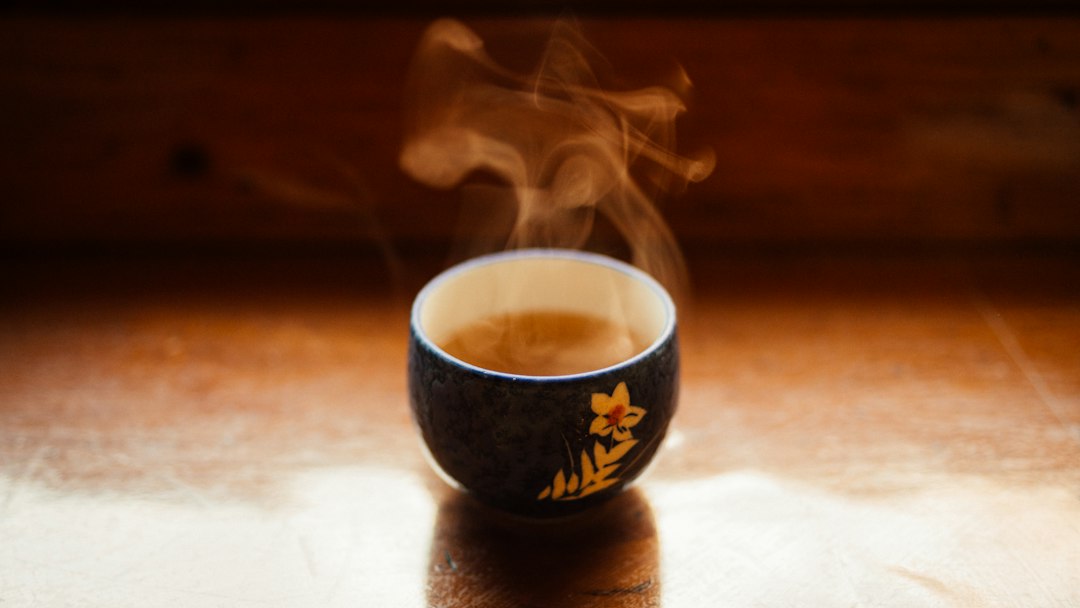
Cordyceps simmers into a mild, earthy tea.
If you want to try cordyceps for energy at home, you have a few simple options. Each one suits a different routine, so choose the one that fits your day.
Tea, Broth and Tincture
First, there is tea. Simmer a small handful of dried cordyceps in water for about 20 minutes. Because mushrooms are tough, a gentle simmer pulls out more than a quick steep. The tea tastes mild, earthy and slightly savoury.
Second, you can add it to soup. In southern China, families often cook cordyceps into chicken or pork broth during the colder months. It is an easy way to make a weeknight meal feel more nourishing.
Third, a tincture is the most convenient route. Our herbalists make tinctures with the classic method, at a 1:5 ratio. They also set the alcohol level for each herb and plant part. As a result, you get a consistent extract that keeps well and mixes easily into water.
Tips for Your Routine
Herbalists often suggest taking cordyceps earlier in the day. Also, many people use it daily for several weeks, since tonics tend to work gradually. It pairs well with licorice and with other mushrooms like turkey tail in the fall and winter.
But there’s more to it than that. Cordyceps is not for everyone. It may interact with blood thinners, diabetes medicines and drugs that calm the immune system. Also, avoid it during pregnancy and breastfeeding. So talk to your health care provider before you start, especially if you take any medication.
How We Source It
We source our cordyceps from trusted suppliers who meet strict quality standards. Then our team of herbalists checks each batch before bottling. If you have questions about a product, we are happy to help.
In short, cordyceps is a quiet, steady mushroom with a remarkable mountain history. It makes a sensible addition to your shelf as the days get shorter.
FAQ
- Superior Sourcing: Our herbs are sourced from all over the world to avoid seasonal fluctuations in availability, keeping herbs accessible. Our suppliers meet strict standards that ensure top quality herbs, most of which are organic, wildcrafted, sustainably grown, or grown using permaculture. We support local farmers and grow many of our own herbs.
- Superior Processing: Our tinctures are made using the classic tincturing method. The tinctures are made in a 1:5 ratio which allows for the optimal extraction of the herb. The alcohol percentage is strictly controlled depending on the herb and part of the plant that is used.
- Superior Selection: We take pride in our growing selection of over 300 individual herbs. If we don’t carry the herb you’re seeking, we can likely track it down for you.
- Superior Quality Control: Our tinctures are thoroughly tested by a third-party lab and with an organoleptic evaluation by our team of herbalists prior to final bottling.
- Superior Price: Our tinctures are more cost-effective than other tinctures on the market. With an eye towards efficiency, we keep our costs low by maintaining good relationships with our wide network of suppliers and ordering herbs in bulk quantities.
- We Care About the Environment: We repackage materials that are shipped to us (so don’t be surprised if our packages look different from time to time!). We recycle or reuse materials whenever possible. We turn the cardboard we receive from other suppliers into packing material. We donate to avoid waste to groups like Naturopaths Without Borders. Our workforce almost completely uses public transportation or bikes. We are powered using 100% renewable energy through Bullfrog Power.
- We Donate To Charity: We support many causes that make the world better. We donate a portion of our profits or products. These include charities that support environmental and natural sustainability.
Set up an online account and order through the website. If you don’t have an account and place an order, one will be created for you.
Click here to subscribe to our mailing list.
Our products are made in Toronto, Ontario, Canada by a team of Herbalists and Naturopathic Doctors. The herbs and ingredients we use to make our products are sourced both locally and globally to keep herbs accessible and sustainable.
The majority of our herbs are certified organic, sustainably wildcrafted, or come from small-scale local organic farms that do not yet have organic certification. We always do our best to provide organic herbs in your formulas. We work with a variety of suppliers to keep costs low.
Although most of our products do not contain gluten, we do not have gluten-free certification for our production facility. Feel free to ask about any specific products and we’ll share whatever information we have available.
For liability and regulatory reasons, we don’t make any claims as to how our herbs should be used, including dosing recommendations. Please review our disclaimer, as well as our terms and policies.