What Is the Self Heal Herb?
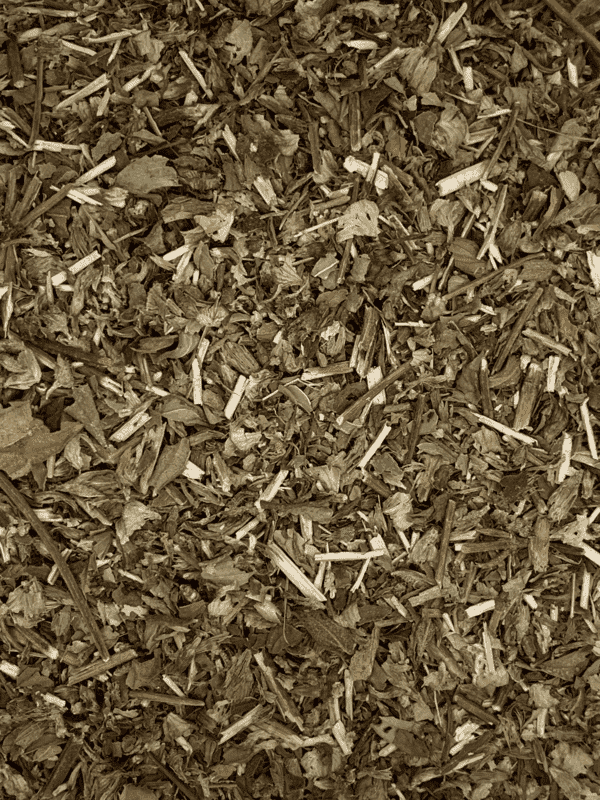
The self heal herb (Prunella vulgaris), dried and cut
The self heal herb grows in lawns, meadows and forest edges across Ontario, and most people walk right past it. However, this small purple-flowered plant carries one of the most hopeful names in herbal tradition. For centuries, healers in Europe and Asia reached for it to soothe cuts, sore throats and tired eyes.
Here’s why that matters: a plant rarely earns a reputation that wide, on two continents, by accident.
Where the Self Heal Herb Comes From
Botanists know self heal as Prunella vulgaris, a member of the mint family (Lamiaceae). Like its relatives, it has square stems and leaves in opposite pairs. The plant stays low, usually under 30 cm, and it spreads by creeping runners. From June to September, it sends up dense, cone-shaped spikes packed with small violet flowers.
Self heal is native to Europe and Asia. Settlers then carried it to North America, where it now grows wild in almost every province and state. As a result, you can often find it in an unmown corner of a city park.
Common Names and Folk History
Over the years, self heal has collected many common names. For example, people call it heal-all, woundwort, all-heal and carpenter’s herb. That last name hints at its use, because carpenters and labourers pressed the fresh leaves onto small cuts from their tools.
The Latin name has a story too. “Prunella” likely comes from the German word “Bräune,” an old term for a severe sore throat. So the name itself records one of the plant’s oldest uses. In 1597, the English herbalist John Gerard wrote that there was no better wound herb in the world. Later, Nicholas Culpeper also praised the self heal herb for wounds, both inside and out.
Meanwhile, Chinese medicine developed its own tradition. There, practitioners call the dried flower spikes Xia Ku Cao, which means “summer withering herb.” The name reflects how the spikes turn brown and dry by midsummer. Traditionally, Chinese herbalists use it to clear heat, especially heat that shows up in the eyes, head and neck.
Self Heal Herb Benefits and Properties
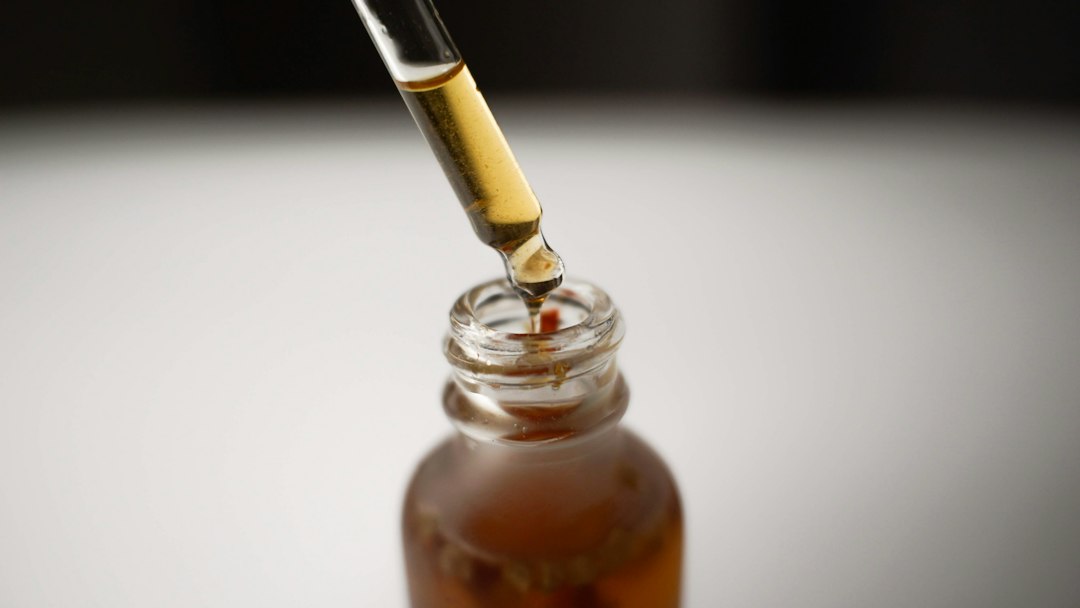
Self heal is available as a classic 1:5 tincture
So what gives the self heal herb its long reputation? The answer starts with its chemistry. Like rosemary and sage, it contains a group of plant compounds that researchers continue to study.
Key Compounds in Self Heal
Self heal is rich in rosmarinic acid, the same antioxidant found in rosemary and lemon balm. It also contains caffeic acid, flavonoids such as rutin and quercetin, and triterpenes including ursolic and oleanolic acid. In addition, the plant holds tannins, which give it a mildly astringent, drying quality.
Here’s how it works: tannins bind to proteins on the surface of skin and mucous membranes. This gently tightens the tissue, which helps explain the plant’s traditional use on minor cuts and in gargles.
Traditional Uses
Herbalists have traditionally used self heal in a few main ways:
- As a gargle or mouth rinse for sore throats, mouth sores and tender gums
- As a wash or compress for minor cuts, scrapes and bruises
- In Chinese medicine, for red, sore eyes, headaches and swollen glands in the neck
- As a mild astringent for loose stools
The gargle tradition overlaps with other throat herbs. For example, sage for sore throat has a similar astringent character, and many herbalists pair the two.
What Research Suggests
Modern research on self heal is still early, and most of it comes from laboratory and animal studies. Even so, the findings line up with tradition. Studies suggest the self heal herb has antioxidant and anti-inflammatory activity. Some lab research also points to antiviral activity, including against the herpes simplex virus in cell cultures. You can browse the published studies on PubMed.
The key takeaway: these results look promising, but human trials remain limited. Therefore, it makes sense to view self heal as a gentle, traditional herb rather than a cure for any condition.
How to Use the Self Heal Herb
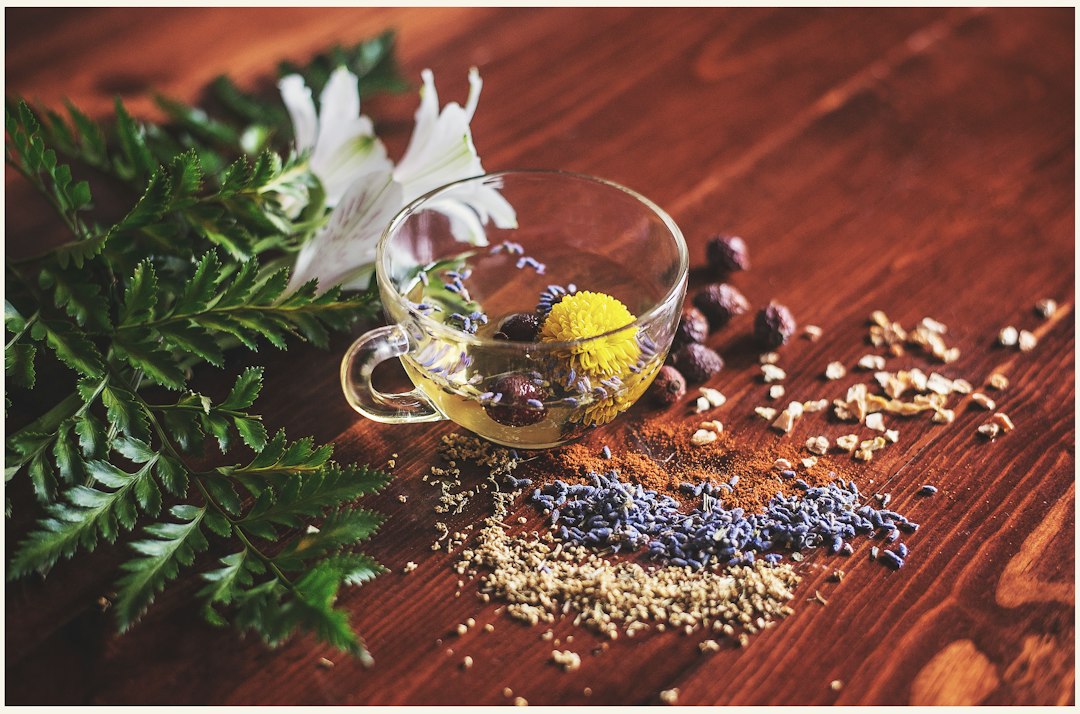
Dried self heal makes a mild tea, rinse or compress
The self heal herb is easy to work with, and you can use it in several forms. Here are the most common ways people prepare it at home.
Tincture
A tincture captures the plant’s compounds in an alcohol and water base. Because it keeps for years, it is a practical way to keep self heal on hand. Some people also add a few drops to a little water and use it as a gargle.
Tea, Rinse and Compress
Dried self heal makes a mild, slightly bitter tea. First, steep the dried herb in hot water, covered, for about 10 minutes. Then strain it and let it cool. You can sip it, gargle with it, or soak a clean cloth in it for a compress on minor scrapes.
Self heal also blends well with other gentle herbs. For example, many people combine it with calendula for skin healing in a wash for minor skin irritation. Similarly, it pairs well with sage in a throat gargle.
A Few Practical Notes
Self heal has a long record of safe traditional use. Still, talk to a qualified practitioner before you use any herb if you are pregnant, nursing or taking medication. Also, never use an herbal wash on deep or infected wounds, since those need medical care. We don’t give dosing advice, so please read our disclaimer and product notes.
How Herbal Clinic Makes Self Heal
At Herbal Clinic, we make our self heal herb tincture in Toronto with the classic tincturing method at a 1:5 ratio. Our herbalists set the alcohol percentage for each herb, so the extract suits the plant part. We also offer dried self heal by weight for teas, rinses and your own blends. Finally, every tincture batch goes through third-party lab testing and a sensory check by our herbalists before bottling.
FAQ
- Superior Sourcing: Our herbs are sourced from all over the world to avoid seasonal fluctuations in availability, keeping herbs accessible. Our suppliers meet strict standards that ensure top quality herbs, most of which are organic, wildcrafted, sustainably grown, or grown using permaculture. We support local farmers and grow many of our own herbs.
- Superior Processing: Our tinctures are made using the classic tincturing method. The tinctures are made in a 1:5 ratio which allows for the optimal extraction of the herb. The alcohol percentage is strictly controlled depending on the herb and part of the plant that is used.
- Superior Selection: We take pride in our growing selection of over 300 individual herbs. If we don’t carry the herb you’re seeking, we can likely track it down for you.
- Superior Quality Control: Our tinctures are thoroughly tested by a third-party lab and with an organoleptic evaluation by our team of herbalists prior to final bottling.
- Superior Price: Our tinctures are more cost-effective than other tinctures on the market. With an eye towards efficiency, we keep our costs low by maintaining good relationships with our wide network of suppliers and ordering herbs in bulk quantities.
- We Care About the Environment: We repackage materials that are shipped to us (so don’t be surprised if our packages look different from time to time!). We recycle or reuse materials whenever possible. We turn the cardboard we receive from other suppliers into packing material. We donate to avoid waste to groups like Naturopaths Without Borders. Our workforce almost completely uses public transportation or bikes. We are powered using 100% renewable energy through Bullfrog Power.
- We Donate To Charity: We support many causes that make the world better. We donate a portion of our profits or products. These include charities that support environmental and natural sustainability.
Set up an online account and order through the website. If you don’t have an account and place an order, one will be created for you.
Click here to subscribe to our mailing list.
Our products are made in Toronto, Ontario, Canada by a team of Herbalists and Naturopathic Doctors. The herbs and ingredients we use to make our products are sourced both locally and globally to keep herbs accessible and sustainable.
The majority of our herbs are certified organic, sustainably wildcrafted, or come from small-scale local organic farms that do not yet have organic certification. We always do our best to provide organic herbs in your formulas. We work with a variety of suppliers to keep costs low.
Although most of our products do not contain gluten, we do not have gluten-free certification for our production facility. Feel free to ask about any specific products and we’ll share whatever information we have available.
For liability and regulatory reasons, we don’t make any claims as to how our herbs should be used, including dosing recommendations. Please review our disclaimer, as well as our terms and policies.