Posted on

Hawthorn Berry for Heart Health: A Time-Tested Cardiovascular Tonic

Hawthorn Berry for Heart Health: A Brief Introduction

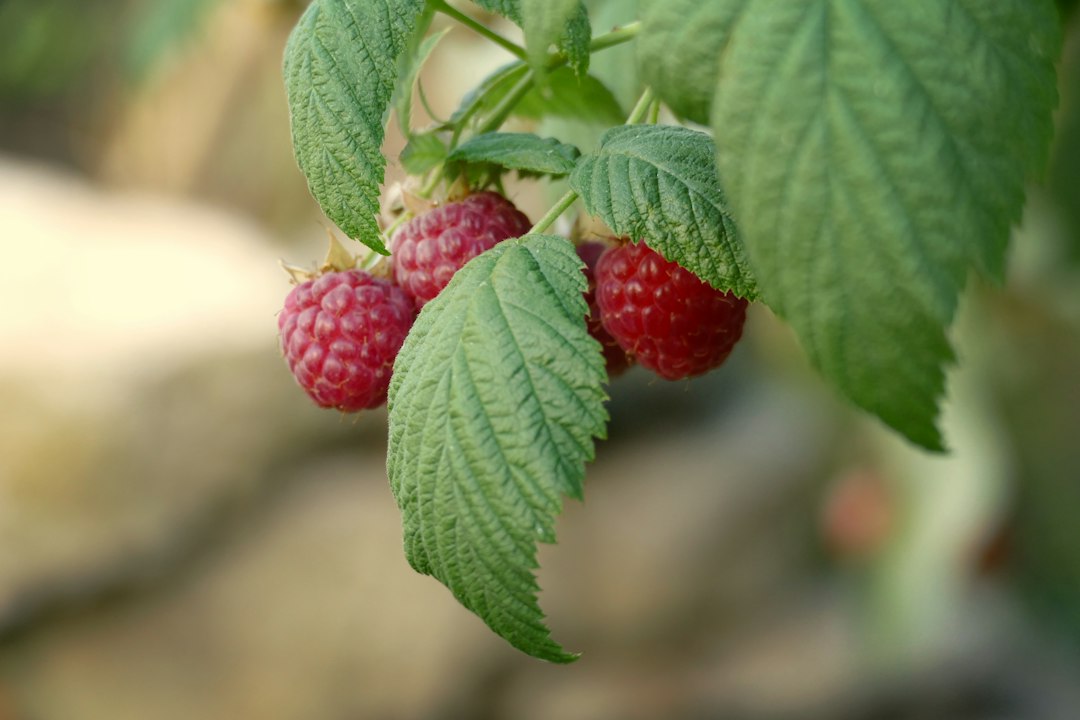
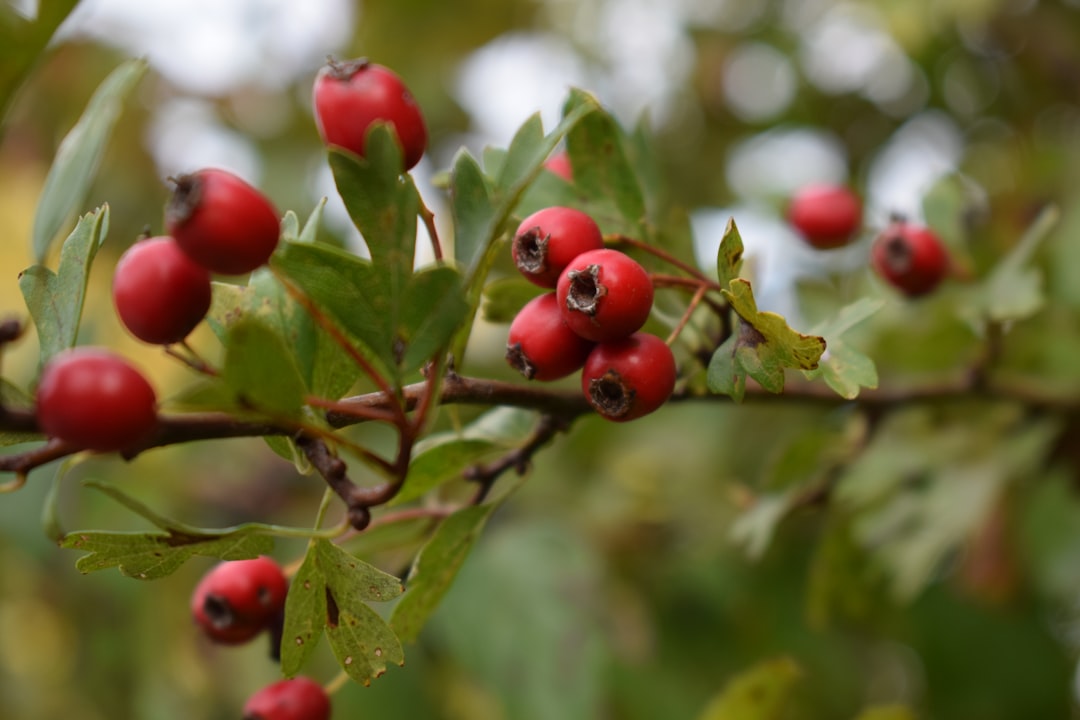
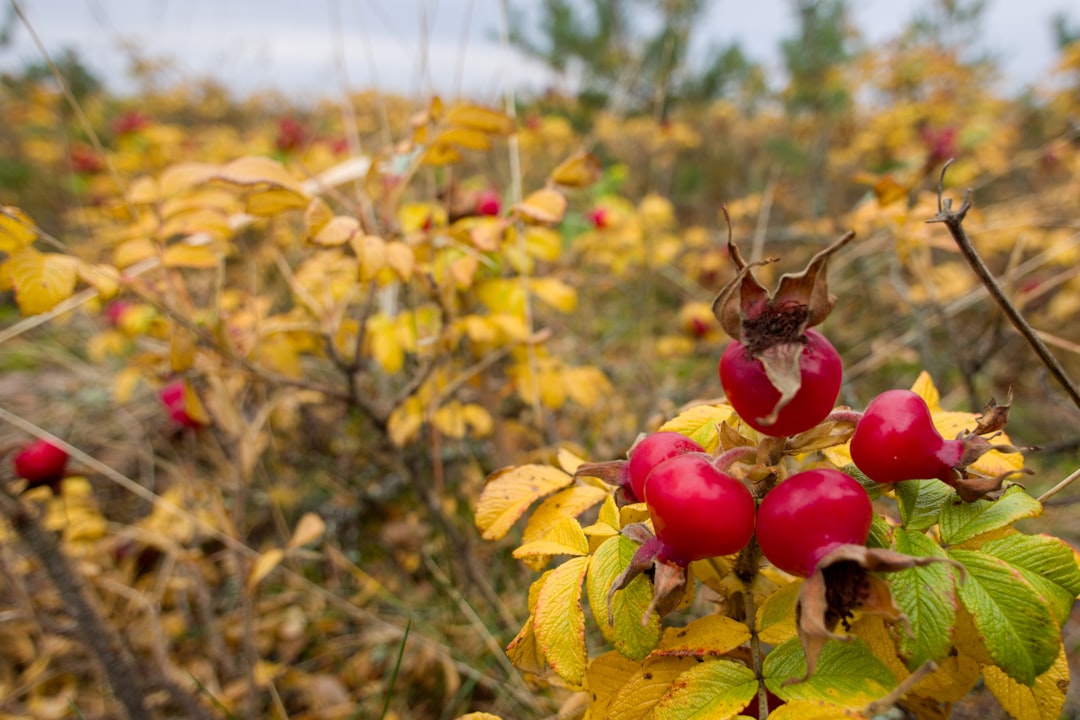
Hawthorn berry for heart health, red berries on the branch

Ripe red berries on the branch in autumn

Hawthorn berry for heart health has one of the longest track records in Western herbalism. Other herbs come and go. However, this one has stayed in the cardiovascular toolkit for centuries. Traditional European herbalists used it. Likewise, Eclectic physicians in 19th-century North America reached for it. Modern clinical herbalists still rely on it today.

In short, the herb does not promise dramatic results. Instead, it works gradually, steadily, and predictably. That steadiness is exactly what the heart usually needs.

Where the Hawthorn Berry Comes From

Hawthorn is the common name for several closely related species in the Crataegus genus. In Western practice, two European species dominate: Crataegus monogyna and Crataegus laevigata. By contrast, Traditional Chinese Medicine turns to Crataegus pinnatifida, better known as Shan Zha.

All three plants are small thorny trees in the rose family. In autumn, they put out white spring flowers and clusters of small red berries. Herbalists use the berries, leaves, and flowers, often together.

How Hawthorn Berry Supports Heart Health

Here is where it gets interesting: hawthorn fits a category herbalists call a cardiotonic. The herb does not stimulate the heart. Nor does it sedate the heart. Instead, it nourishes and gradually strengthens cardiac tissue, much the way regular exercise does.

Furthermore, hawthorn is what herbalists call an amphoteric. As a result, it can help normalize whichever direction the system has drifted. High blood pressure or low, irregular rhythm or sluggish circulation — the herb meets the system where it is.

Traditional European herbalists used hawthorn for what they called a “weak” or “tired” heart. Meanwhile, in classical Chinese formulas, Shan Zha breaks up food stagnation, particularly from meat and rich meals. Practitioners also use it to invigorate blood circulation. In other words, both Western and Eastern traditions point to the same truth: hawthorn supports flow.

At Herbal Clinic we carry hawthorn berry, hawthorn leaf and flower, and combination formulas built around it. Each part of the plant has a slightly different emphasis. Even so, all three share the same gentle, building action.

Why Hawthorn Berry for Heart Health Works

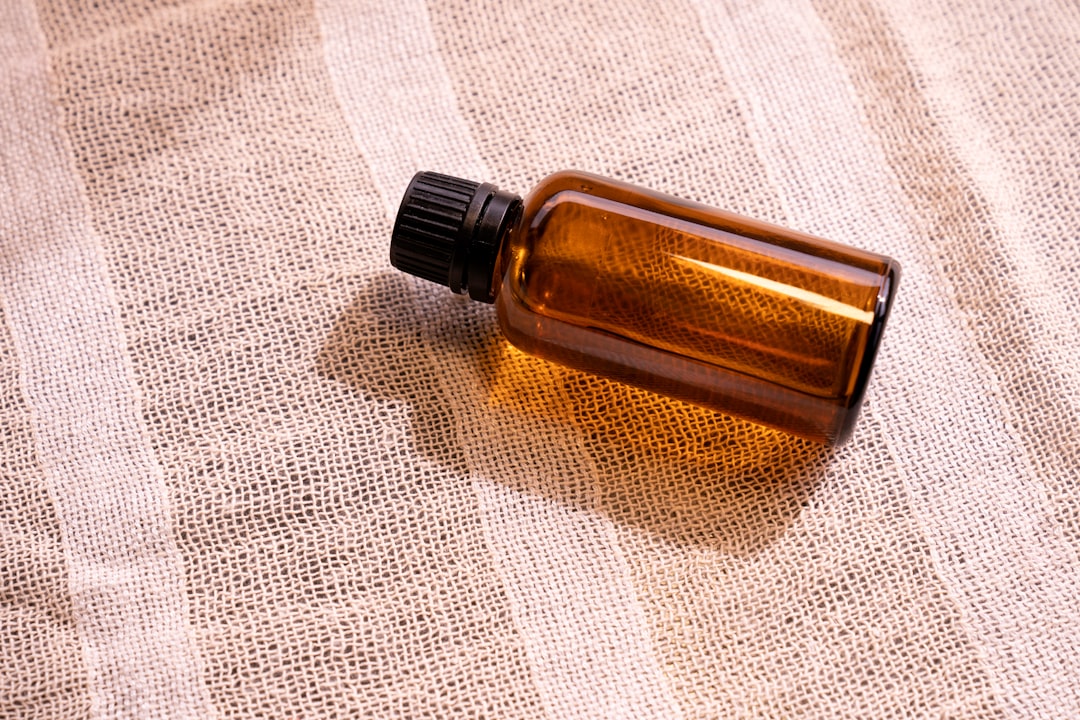
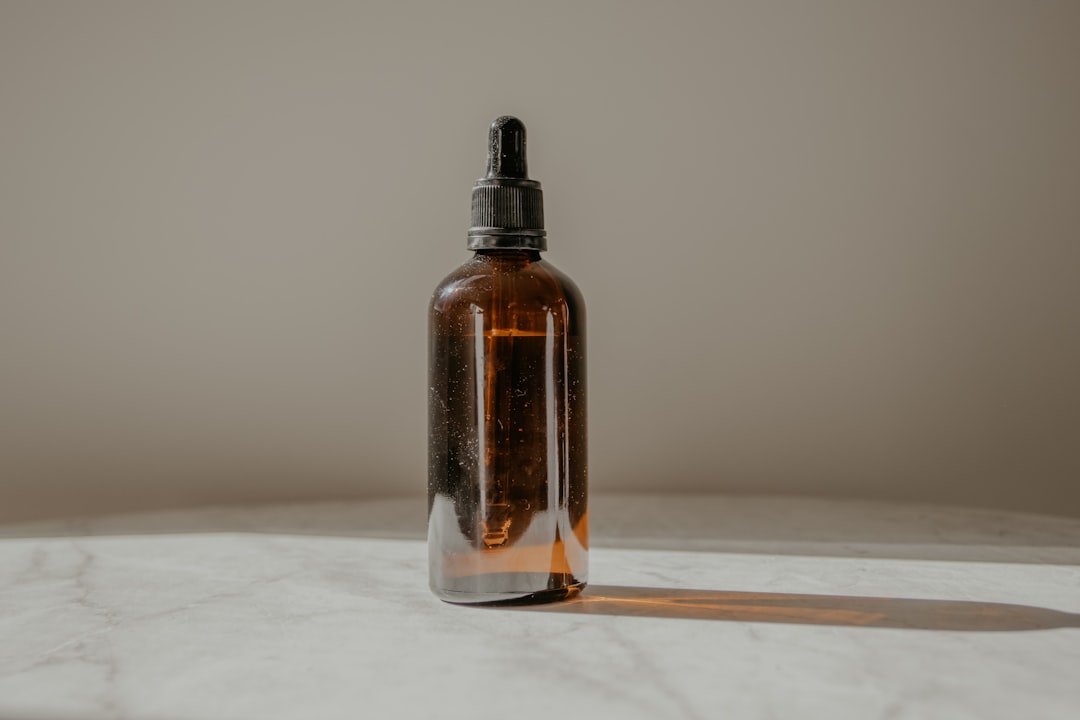
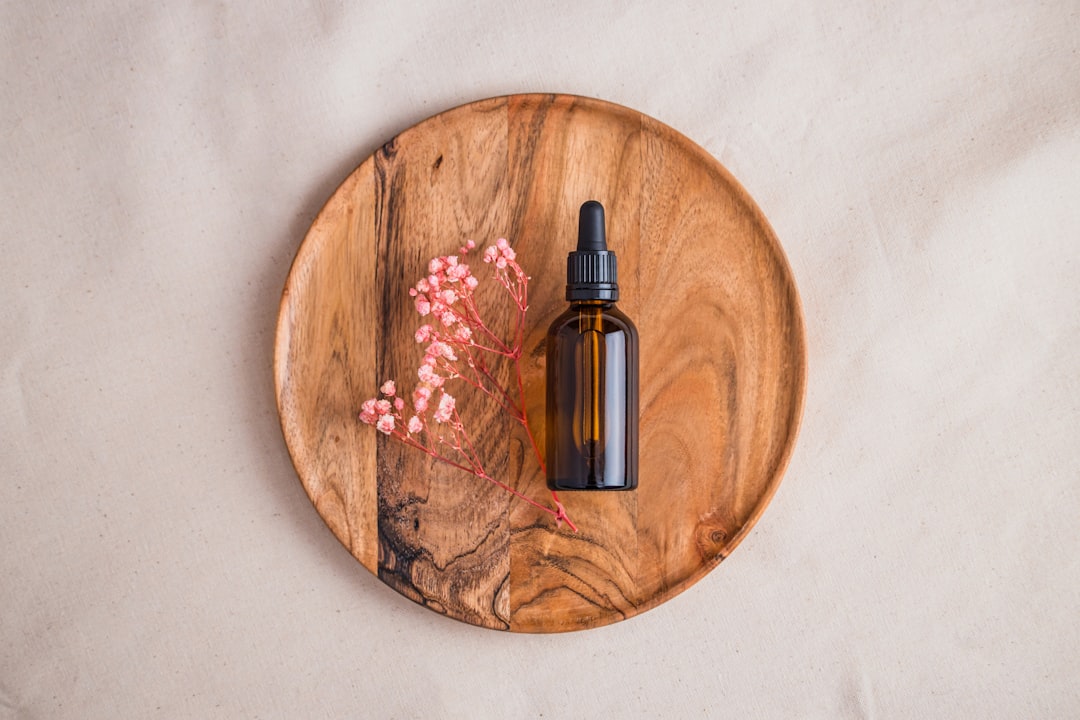
Hawthorn berry tincture in an amber bottle

Amber tincture bottle holding extract from the berries

The reason hawthorn berry for heart health has held up across so many herbal traditions comes down to its constituents. Above all, hawthorn is rich in flavonoids and oligomeric proanthocyanidins, usually shortened to OPCs. Those same antioxidant compounds turn up in grape seed and pine bark extracts. In addition, these compounds give hawthorn berries their deep red colour and account for much of the cardiovascular activity.

Why Hawthorn Berry Works for the Heart

Here is how it works: OPCs and flavonoids help stabilize collagen in the walls of blood vessels. Furthermore, they support healthy endothelial function, which is the inner lining of arteries. In addition, these compounds also act as antioxidants in tissues that face constant oxidative stress.

As a result, traditional practice associates hawthorn with steadier circulation and more elastic blood vessels. Over time, the herb also offers gentler regulation of blood pressure. It is not a quick fix. Rather, hawthorn plays a long game.

Hawthorn Berry’s Effect on the Heart and Mind

Beyond the vascular effects, hawthorn has a long reputation for supporting the heart muscle itself. For instance, Eclectic physicians used it for a “feeble pulse.” They also reached for it during mild fluttering sensations. Moreover, the berry was a standby for the vague chest discomfort that often shows up with stress and overwork.

In addition, modern herbalists pair hawthorn with herbs like Linden, Motherwort, and Lily of the Valley. These combinations suit a cardiovascular system that feels tense, fatigued, or out of rhythm.

But there is more to it than the physical heart. Across cultures, herbal traditions also link hawthorn to the emotional heart. For instance, the berry shows up in formulas for grief, heartbreak, and the chronic stress that settles into the chest. The clinical logic is straightforward. Long-term emotional stress places real load on the cardiovascular system. Therefore, an herb that supports the tissue often softens how a person feels that stress in the body.

For people interested in stress and the heart together, hawthorn pairs especially well with calming nervines. You can find this combination in our Hawthorn Combo. It builds on hawthorn berry as the foundation and adds supporting herbs.

How to Use Hawthorn Berry for Heart Health

Hawthorn berry for heart health, ripe red berries on autumn branch

Ripe hawthorn berries ready for harvest

You can take hawthorn berry for heart health in a few different forms. Each form has its own place in a daily routine.

Hawthorn Berry Tincture, Tea, and Other Forms

First of all, tincture is the most common choice in Western herbalism. The format concentrates the flavonoids and OPCs and is easy to take consistently. Meanwhile, tea is the most traditional form, particularly in European folk medicine. Dried berries, often combined with the leaf and flower, simmer into a deep red decoction. Capsules and extract powders are widely available too. Even so, tincture and tea are still the formats most herbalists reach for.

However, the most important thing about hawthorn is not the form. Rather, it is the consistency. Hawthorn is a building herb, not an acute one. As a result, its effects accumulate over weeks and months rather than hours.

Working Hawthorn Berry Into Your Heart Health Routine

The people who get the most out of hawthorn make it a steady part of their routine. Conversely, reaching for it only when something feels off rarely works.

The key takeaway: think of hawthorn the way you would think of regular movement or eating well. In other words, it is a habit, not a treatment. Many herbalists suggest a course of several months at a time, often paired with the seasons. After a break, the course resumes. Furthermore, the herb combines beautifully with other cardiotonic and circulatory herbs. That is why most traditional heart formulas include it as a base.

How Herbal Clinic Prepares Its Hawthorn Berry

At Herbal Clinic we make our hawthorn tincture from dried berries using the classic 1:5 tincturing method. In addition, our team controls the alcohol percentage to suit the constituents in the berries. We also carry hawthorn leaf and flower as a separate tincture. That preparation tends to focus a bit more on circulation and blood pressure than the berry on its own. For people who want both, the leaf, flower, and berry together cover the full traditional spectrum.

If you are working with a practitioner on your cardiovascular health, hawthorn slots in well. In fact, it fits alongside whatever they are already doing. As always, talk to a qualified herbalist or naturopathic doctor before starting any new herb. This matters especially if you take medication.

FAQ

  • Superior Sourcing: Our herbs are sourced from all over the world to avoid seasonal fluctuations in availability, keeping herbs accessible. Our suppliers meet strict standards that ensure top quality herbs, most of which are organic, wildcrafted, sustainably grown, or grown using permaculture. We support local farmers and grow many of our own herbs.
  • Superior Processing: Our tinctures are made using the classic tincturing method. The tinctures are made in a 1:5 ratio which allows for the optimal extraction of the herb. The alcohol percentage is strictly controlled depending on the herb and part of the plant that is used.
  • Superior Selection: We take pride in our growing selection of over 300 individual herbs. If we don’t carry the herb you’re seeking, we can likely track it down for you.
  • Superior Quality Control: Our tinctures are thoroughly tested by a third-party lab and with an organoleptic evaluation by our team of herbalists prior to final bottling.
  • Superior Price: Our tinctures are more cost-effective than other tinctures on the market. With an eye towards efficiency, we keep our costs low by maintaining good relationships with our wide network of suppliers and ordering herbs in bulk quantities.
  • We Care About the Environment: We repackage materials that are shipped to us (so don’t be surprised if our packages look different from time to time!). We recycle or reuse materials whenever possible. We turn the cardboard we receive from other suppliers into packing material. We donate to avoid waste to groups like Naturopaths Without Borders. Our workforce almost completely uses public transportation or bikes. We are powered using 100% renewable energy through Bullfrog Power.
  • We Donate To Charity: We support many causes that make the world better. We donate a portion of our profits or products. These include charities that support environmental and natural sustainability.

Set up an online account and order through the website. If you don’t have an account and place an order, one will be created for you.

Our products are made in Toronto, Ontario, Canada by a team of Herbalists and Naturopathic Doctors. The herbs and ingredients we use to make our products are sourced both locally and globally to keep herbs accessible and sustainable.

The majority of our herbs are certified organic, sustainably wildcrafted, or come from small-scale local organic farms that do not yet have organic certification. We always do our best to provide organic herbs in your formulas. We work with a variety of suppliers to keep costs low.

Although most of our products do not contain gluten, we do not have gluten-free certification for our production facility. Feel free to ask about any specific products and we’ll share whatever information we have available.

For liability and regulatory reasons, we don’t make any claims as to how our herbs should be used, including dosing recommendations. Please review our disclaimer, as well as our terms and policies.
Posted on

Herbs For Energy

What does it mean to have burnt out adrenals? We are used to experiencing stress. The problem is what happens after an extended period of stress.

In the later phases of the stress response, there are changes in cortisol levels, adrenaline, testosterone, DHEA, and aldosterone. At this point, the body has run out of resources, can no longer meet the demands placed on it, and has begun to crash.

Depression, anxiety, irritability, weight loss, apathy, absent sex drive, poor sleep, and frequent infections plague a burned-out individual in ways so severe that they are nearly nonfunctional. People struggle to step back from their day-to-day lives and recover.

Adaptogenic herbs are plants with the potential to lower cortisol levels and support the body in its adaptation to stress. They are exceptionally effective at promoting energy levels, encouraging sleep, lifting mood, and preventing illness.

Here are some common adaptogenic herbs that can boost energy:

Withania: It is also known as ashwagandha and is an Indian herb with implications in thyroid health and adrenal support. Withania works for every stage of adrenal fatigue, but has best effects on the second and third phase, increasing focus, calming the mind, and supporting the immune system in just a matter of days.[

Rhodiola: This herb has a great benefit in the third and fourth phases of adrenal fatigue because of its uplifting effects on mood, enthusiasm, and motivation. This herb is best taken in the early parts of the day and is most effective in combination with St. John’s wort and Panax ginseng.

Eleutherococcus: It is also known as Siberian ginseng and is a common part of many combination adrenal formulas. It supports the immune system and reduces the frequency of infections. With less of an impact on the mental-emotional side of things, Eleutherococcus can be used with other medications and can also be consumed in tea form.

Glycyrrhiza: We know this one commonly as licorice and often add it to liquid herbal formulas to improve taste. Glycyrrhiza has a tremendous impact on adrenal health.

As always, we recommend you seek advice from your health care practitioner to make sure you are proceeding safely.

Posted on

Change of Season? Herbs have got you covered.

Guest post by: Emma Downie, Registered Herbalist

As we enter into the fall season of colder nights, windy days, fall colors and cozy blankets, we may notice some bodily changes in response. For some, this is the season of back to school coughs and colds, digestive change or upset, and seasonal allergies.

Throughout history, herbs have been used to rebalance our system through all seasonal changes, and often there is a correlation between which herbs are in season, and which seasonal ailments they help to balance or treat. In Traditional Chinse Medicine, a traditional change of season soup is brewed for every seasonal change, to help increase vitality, strengthen digestion, immune function, and overall constitution. This soup/brew is made of Goji Berries, Codonopsis root, Wild Yam root, and Astragalus.

Below are a few helpful tips to help keep your system balanced this coming change of season!

Digestive Sensitivity:
During a change of season, our digestive system can sometimes become sensitive and unbalanced due to the change in temperature and pace of life. Our digestive system loves schedule and routine, and during changes of season, often times are schedules change. This can create upset stomach, irregular bowel movements, indigestion or lack of appetite. Eating with the seasons is a wonderful way to mitigate this. As the weather turns colder, and a chill settles in the air, try to avoid having cold things in the mornings. Sub the smoothie out of a turmeric late in the morning, or chai tea. Warming herbs such as turmeric, cinnamon, nutmeg, cloves, and ginger, all help gently wake up the digestive system, and prepare it for the coming meals of the day.

If appetite is more your issue, you may consider warming bitters (cooling would be counterintuitive to the season), to help promote ndigestion! Bitters can be added to a morning tea, or just a glass of warm water with lemon, 15 minutes before meals. These bitter and warming herbs help promote the creation of bile, and hydrochloric acid in the stomach, and aid in proper digestion and assimilation.

Seasonal Allergies:
Coughing, Sneezing, and itchy eyes, are enough to make anyone unhappy that fall is just around the corner. A few seasonal herbal allies can assist in easing your symptoms, before you reach for the benadryl. Nettle, being a natural antihistamine, can be drunk as a tea or taken as tincture, to help with itchy eyes, skin, and throat. Nettle can be taken daily, and can be paired with other herbs such as Astragalus, or Eye bright, to further decrease symptoms.

Coughs and Colds:
With school starting up again and our weekly schedules picking up, the chance for germ exchange and compromised immune systems increase. Our immune system does best when it is supported both physically but also emotionally. Our immune systems often become compromised when we are stressed, or not eating or sleeping our best. Therefore, there are many ways we can support this system, in children and adults. Getting adequate nutrition and sleep are key here – as the days get shorter and the nights grow longer, our bodies will naturally want to sleep longer. This is a natural cycle that we would do well to indulge during fall and winter. Some herbal allies to consider are; Elderberries: These adult and child friendly dried berries can be made into syrup, tincture or teas, to help increase immune function, and fight viruses.

When made as a syrup with honey or cane sugar, can be a delicious way to keep your little ones sniffle free. Add ginger for an extra antiviral kick. Astragalus: An immune-modulating herb from the East, this sweet herbs can be cooked into rice, made as a tea, or taken as tincture, to increase immune activity when under stress, or when there is a pathogen threatening to take you down during a busy week. Echinacea: This adult and child friendly herb is another potent antiviral, and can be great for sore throats. This herb works best when it touches the tissue it is meant to affect, therefore tea or syrup for sore throats is a handy ally to have.

Yarrow: This herb is a nice one for adults who spike a fever. Yarrow is diaphoretic, meaning it helps your body to sweat. This will help the body feel the fever, and sweat it out. Especially helpful if you have associated chills, as it will make you feel warm and toasty.

About Emma: Emma Downie is a Registered Clinical Herbalist, with a Diploma from the Institute of Traditional Medicine, as well as a Certificate of Advanced Botanical Medicine. She has worked under both classically trained, eclectic, and indigenous herbalists, and is grateful for all she has learned in the process.

Posted on

Cool Herb Highlight: Equisetum

Equisetum, also known as horsetail, is a fantastically diverse herb. Here are some useful tidbits you may not have known.

It is good for hair, skin, and nails

Horsetail is one of the best sources of silica, which helps the body produce collagen, a building block of your hair, skin and nails.

Studies have shown it increased hair growth, volume, and thickness.

It is used for healing wounds

Studies have found horsetail ointment helped women heal from episiotomy wounds faster, while significantly reducing post-op pain.

It can help with some heavy metal detox

A study found drinking a liter of high-silica removed aluminum without removing essential metals like iron and copper.

It reduces inflammation

Studies have found that horsetail is one of several herbs that contain kynurenic acid, which possesses anti-inflammatory, antioxidative and pain-relieving properties, especially for rheumatoid arthritis.

How to Use Horsetail

To make a strong infusion, boil a half cup of dried horsetail in 2 cups of hot water for 10 minutes. Let sit for 1-7 hours.

You can use this infusion for:

– Herbal Hair Rinse to strengthen hair and stimulate growth.

– Skin Tonic for glowing skin soak a paper face mask in the tea and wear it on your face for up to 30 minutes.

– Sore Throat. Mix the infusion with some sea salt. Gargle a couple times a day.

– Gingivitis. Gargle/swish 3-4 times a day.

As always, make sure to seek the advice of a qualified healthcare practitioner.

Posted on

Health Benefits of Green Tea

Green tea is a beverage made from the Camelia sinensis plant, a shrub native to Southern China that has been used through time for its many attributed benefits. It is of major cultural importance in Asia where it is known as China’s National Drink. Both India and China have incorporated green tea in their complementary medicine practices for supporting digestion, cardiovascular and mental health among others. In the last decade alone, there have been numerous studies that have endorsed green tea’s diverse applications in promoting health. These studies have also ushered in a newfound appreciation for green tea in the West.

As a botanical therapy, green tea can be used as a hot beverage a few times a day or as a supplement that is standardised to polyphenols. One cup of green tea, in addition to polyphenols, also contains alkaloids such as caffeine although not in as large amounts as in coffee. Although it is safe when consumed regularly, the presence of caffeine in green tea can create side effects if it is over-consumed. It is interesting to note that the Chinese originally consumed green tea as a powder (matcha) and with time, transitioned into steeping the loose leaves. Its evolution of use in recent times has paralleled some exciting scientific findings. This article will discuss the applications of green tea therapeutically in weight loss and as an adjunctive treatment for cancer.

WEIGHT LOSS: One recent double-blind randomized placebo controlled clinical trial of 115 women with central obesity, who had taken 857mg of EGCG for 12 weeks had significant weight loss, a decrease in BMI and reduced waist circumference. Blood work also showed a decrease in total cholesterol and in LDL (low-density lipoproteins). There were no side effects or adverse events.

CANCER: Green tea has been reported to be protective against several types of cancers, including osteosarcoma, leukemia, skin, breast, prostate, esophageal, stomach, colorectal, pancreatic, lung, cervical and bladder cancer. Green tea is composed of catechins, which are polyphenolic flavonoid-derived compounds that have been found to inhibit cancer growth.

We always suggest seeking the advice of your Naturopathic Doctor prior to making any modifications regarding your health, as every individual is unique.

Posted on

Calendula The Healing Herb

Thanks for our friends at the Herb Society of America for sharing some fantastic information on Calendula.

Calendula is one of the most versatile of the healing herbs. It is traditionally made into a mineral rich herbalists’ infusion of the dried petals and water which is then drunk to help soothe the stomach spasms caused by inflammatory bowel disorders.  For canker sores, you can use this same tea cooled and with raw honey added as a mouth rinse to soothe gums. Or use that same calendula infusion (without the honey) as a cooling splash for sunburned skin.

Infused calendula oil can be used on its own, but blended into a creamy salve made with beeswax and coconut oil it becomes a soothing dry skin remedy.

Many of our salves contain Calendula, including our All Purpose Salve (or Green Salve).

Calendula has a spicy, interesting, and delicious flavor when used as a culinary herb. Use the fresh petals sprinkled onto deviled or scrambled eggs, steamed vegetables, and salads. It has a very important history of usage as a winter tonic. Traditional German folk medicine calls for the dried flower heads to be used in soups and stews in the colder months, because calendula has been historically used to boost immunity. Add dried calendula petals, dried stinging nettle, leeks, and butternut squash to a bowl of steaming chicken broth into which you can whisk a beaten egg. These additions turn a simple bowl of soup into a mineral rich and comforting tonic that always helps to rescue from the winter.

You can also make…

Calendula Infusion or Tea

  • 1 heaping teaspoon dried petals or 2 teaspoons fresh petals
  • 6 ounces boiling water

Place the calendula petals into a large mug or teapot and pour over the boiling water. Cover and steep for ten minutes. Strain before use.

You can use the infusion as a tea or a facial toner. Its soothing and anti-inflammatory properties make calendula wonderful to use for a sore throat, canker sore or urinary tract infection.

As always, we recommend seeking the advice of a healthcare practitioner.

Posted on

Sniffing Rosemary Can Increase Memory?

Memory is something we all wish we had a little more of, especially as we age!

A study a few years ago tested the impact of various essential oils on cognitive performance and mood in healthy volunteers. Analysis of performance showed that rosemary produced a significant enhancement of performance for overall quality of memory and secondary memory factors, but produced an impairment of speed of memory.

The researchers conclude that essential oils can produce objective effects on cognitive performance, as well as effects on mood. Since then, further studies have been conducted and shown similar results of various kinds. How does this work? The compounds in the oils work their way through the nose, then to the bloodstream and then to the brain, where they have a direct impact on receptors.

For this reason, rosemary is sometimes called the Herb of Remembrance. As a bonus, rosemary is affordable and easy to grow at home or in your garden!

If you’d like to try a sniff of our rosemary oil, please pay us a visit anytime. We promise it’s a great time you’ll never forget.

Posted on

Herb of the Week: ROSE HIPS (Rosa Canina)

Rose hips ( Rose Canina)

Rosehips are the fruit of the rose plant, appearing once the flower has bloomed and the petals have fallen off. Rosehips provide one of the best naturally available sources of vitamin C.  This high vitamin c content aids your body in recovering from periods of stress, in which your stores of vitamin C become depleted, and helps the body defend against infections and the development of colds.

Because they contain a variety of antioxidants; carotenoids, flavonoids, polyphenols, leucoanthocyanins and catechins, rose hips are considered to be a good preventative measure in maintaining a healthy cardiovascular system.

Topically, rosehip seed oil has astringent qualities and has the ability to help regenerate new skin cells. This can be used to treat scars, acne and burns. While it is an astringent, it does not dry out the skin, rather it helps to rehydrate it, keep the skin elastic and nourished. Rosehip seed oil is high in Vitamins A an E along with essential fatty acids.  It can be used directly on the skin or it can be added to other cosmetics. You can find organic rosehip seed oil sold on our shelves at The Herbal Clinic and Dispensary.

How to prepare dried rose hips:

DECOCTION:  scoop 2.5 tsp’s of dried rosehips into a cup of water, bring to a boil and simmer gently for 10 mins.

INFUSION: Use 1 heaping teaspoon of rosehips per cup of boiled water and steep 15 minutes.

BLENDING TIPS:

Find rosehips in our ‘Stress Rest‘ Tea blend, and allow us to blend it for you with any of our wide selection of dried herbs! We love blending it with Nettle leaves as it’s vitamin c content works synergistically with the iron content of nettles, helping your body to absorb more of these incredible nutrients.


Posted on

Rehamnnia Glutinosa

Sheng Di huang

Rehamnnia Glutinosa


Personal Note: This is the most Yin of all our herbs. Traditionally used in TCM, Rehmannia is becoming increasingly common in Western formulas for it’s ability to support and rebuild in convalescence. I like it especially post-delivery, or following a significant illness.

Description

Sheng Di huang is mainly found in Mongolia as well as northeast China. This dried slightly sweet tasting herb is used in traditional Chinese medicine to ‘clear heat and cool blood’ as well as ‘nourish yin’.

Common Medical Uses

  • Fever
  • Dry mouth
  • Nosebleeds
  • Internal bleeding
  • Rheumatism
  • Constipation

How To Consume

  • Decoction
  • Tincture

Works well with – Rehmannia is so yin in nature that it must always be paired with other herbs to balance. Usually it’s used with herbs like Codonopsis, Canadian Ginseng, and Licorice root.

NOTE: Always use the cooked root.

Posted on

Shepherd’s Purse

Shepherd’s Purse

Capsella Bursa-Pastoris


Personal Note: Shepherd’s Purse has a long traditional use as what we call a “styptic”, used to staunch bleeding, particularly after delivery. Although not commonly used for other actions, Shepherd’s Purse is also a useful alterative in skin disorders.

Description

Shepherd’s purse is known for its triangular, purse-like pods and is a member of the mustard (Brassicaceae) family. In traditional Austrian medicine it has been used internally as a tea or tincture to teat skin disorders, cardiovascular and gynecological conditions.

Common Medical Uses

  • Post-partum hemorrhage
  • Excess menstrual flow or to stimulate menstrual flow
  • Topical bleeding lesions

How To Consume

  • Tincture
  • Infusion

Works well with – This herb is sometimes used as a single, specific, for post-partum bleeding. It can be used in combo with Yarrow, and perhaps some Old Man’s Beard (the herb, not an actual old man’s beard), to further help with bleeding.