Licorice Root for Digestion: A Sweet, Soothing Tradition
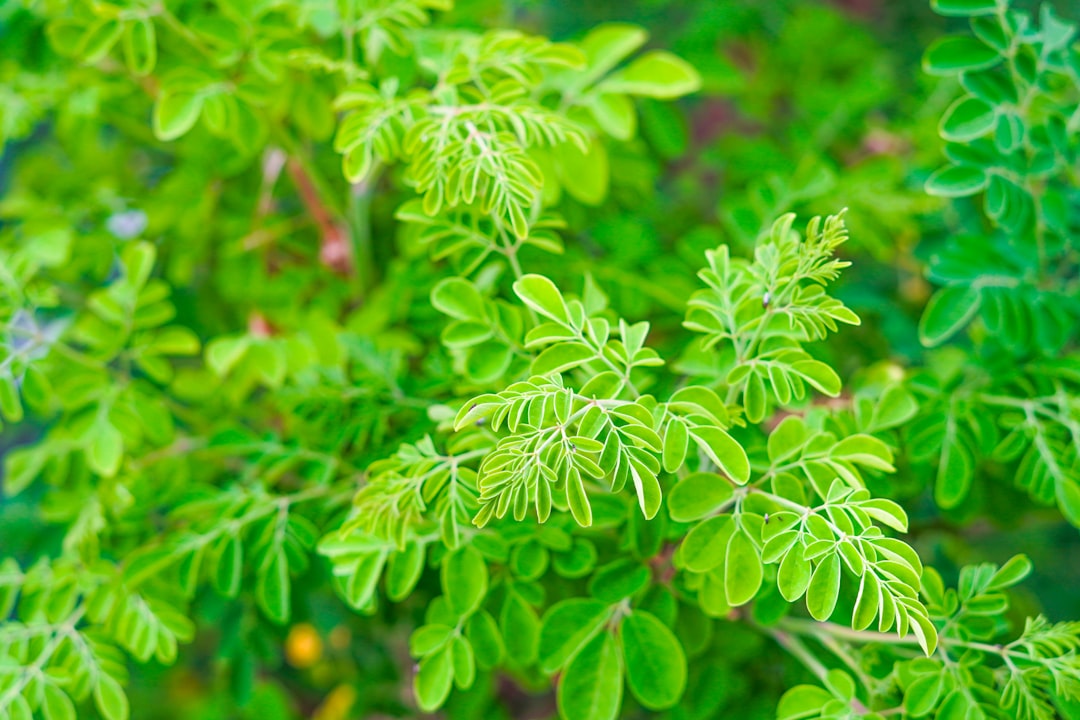
Licorice root (Glycyrrhiza glabra), one of the oldest soothing herbs in the world.
Licorice root for digestion has one of the longest track records of any herb. Maybe you have dealt with a scratchy throat, an unsettled stomach, or run-down energy. If so, this sweet root may be the ally you have overlooked. Herbalists have leaned on it for thousands of years, and it remains a quiet staple in the modern apothecary.
Licorice comes from Glycyrrhiza glabra, a leggy perennial in the legume family (Fabaceae). It carries feathery leaves and pale purple flower spikes. The plant grows across the Mediterranean, the Middle East, and parts of Asia. Yet the plant is only half the story. Growers prize the root, a long woody taproot packed with the compounds that give licorice its character.
The name says it all. Glycyrrhiza comes from the Greek for “sweet root.” That sweetness is no accident. It comes from a compound called glycyrrhizin, which tastes many times sweeter than sugar. In Traditional Chinese Medicine the same root goes by Gan Cao. Practitioners reach for it more than almost any other herb, adding it to formulas to harmonise and soften the other ingredients.
Here is why that matters: a herb does not stay in constant use for three thousand years by accident. Licorice earned its place because it works across the digestive tract, the respiratory system, and the body’s stress response.
The Benefits and Properties of Licorice Root
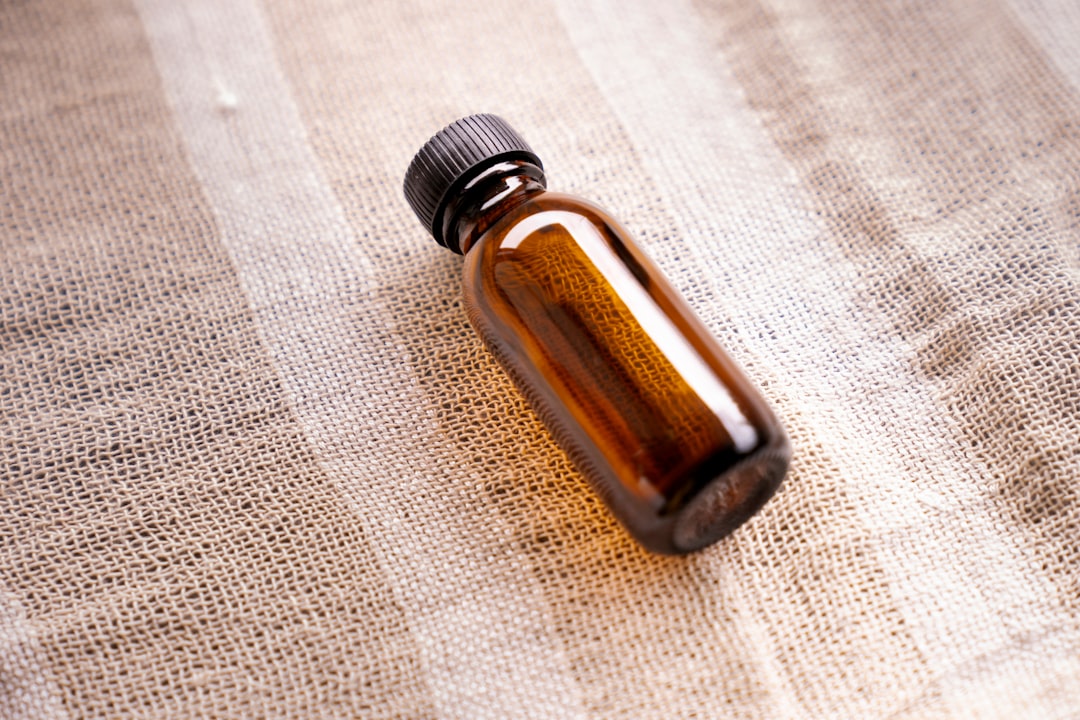
Licorice root is traditionally taken as a tincture or a tea.
So what makes licorice root for digestion so well regarded? The answer lies in a small group of active compounds. The headline constituent is glycyrrhizin, joined by a range of saponins and flavonoids. Together they give licorice its two defining actions. Specifically, it works as both a demulcent and an adaptogen.
A demulcent soothes and coats irritated tissue. This action is where licorice earns its digestive reputation. Tradition links the root to calming the lining of the stomach and gut. For that reason it appears so often in formulas for heartburn, reflux, and general digestive irritation. Here’s how it works: the soothing compounds form a gentle protective layer over inflamed surfaces. That layer gives the tissue a chance to settle. Licorice pairs naturally with other soothing herbs, such as marshmallow root for gut health.
However, there is more to it than the gut. Licorice also soothes the respiratory tract. In fact, herbalists have long used it to ease a dry, ticklish, or viral cough. Notably, the same coating action that calms the stomach also calms an irritated throat.
The second major action is adrenal support. Licorice is an adaptogen with a specific affinity for the endocrine system. Tradition uses it to support the adrenal glands and steady energy during convalescence, when the body is depleted and recovering. Some herbalists also turn to it where blood pressure runs low. On the research side, glycyrrhizin has drawn scientific attention for its antiviral and anti-inflammatory activity. That work lines up neatly with the root’s traditional respiratory and recovery uses.
How to Use Licorice Root for Digestion
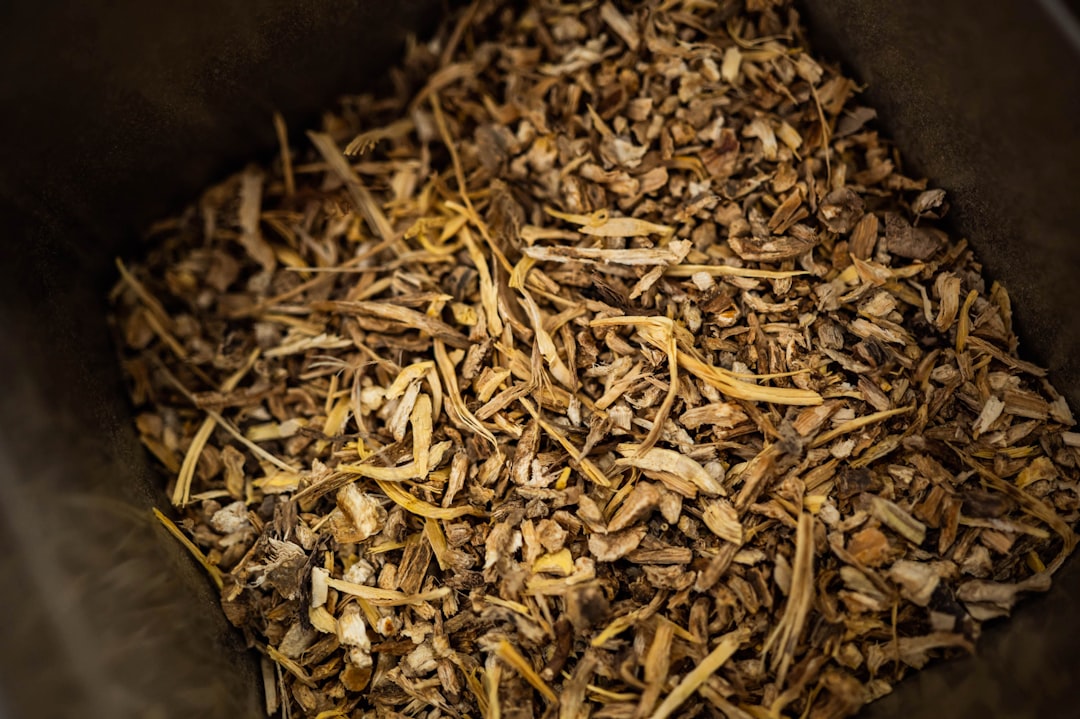
Dried licorice root makes a naturally sweet, soothing infusion.
Using licorice root for digestion is straightforward. The sweet flavour makes it one of the more pleasant herbs to take. Most people choose one of two forms: a tincture or a tea.
First, a tincture is a concentrated liquid extract, and also the most convenient way to work with licorice day to day. Typically a few drops in a little water deliver the root’s compounds quickly and consistently. As a result, many people reach for this format first. Because licorice blends so well with other herbs, it also slots easily into combination formulas.
The key takeaway on tea: dried licorice root makes a naturally sweet infusion that needs no added sugar. Simmer it gently for a warming, soothing drink that suits the throat and the stomach alike. Rosemary makes a classic partner here, a traditional pairing for easing an irritated respiratory tract.
A note on how we prepare it: at Herbal Clinic we make our licorice tinctures using the classic tincturing method in a 1:5 ratio. We match the alcohol percentage to the root so the sweet, soothing compounds draw out fully. Licorice is a strong ally rather than an everyday beverage. Use it thoughtfully, and check in with a qualified practitioner if you take medication or have a health condition. For that reason we do not make dosing claims, and we always suggest reviewing our disclaimer and policies.
FAQ
- Superior Sourcing: Our herbs are sourced from all over the world to avoid seasonal fluctuations in availability, keeping herbs accessible. Our suppliers meet strict standards that ensure top quality herbs, most of which are organic, wildcrafted, sustainably grown, or grown using permaculture. We support local farmers and grow many of our own herbs.
- Superior Processing: Our tinctures are made using the classic tincturing method. The tinctures are made in a 1:5 ratio which allows for the optimal extraction of the herb. The alcohol percentage is strictly controlled depending on the herb and part of the plant that is used.
- Superior Selection: We take pride in our growing selection of over 300 individual herbs. If we don’t carry the herb you’re seeking, we can likely track it down for you.
- Superior Quality Control: Our tinctures are thoroughly tested by a third-party lab and with an organoleptic evaluation by our team of herbalists prior to final bottling.
- Superior Price: Our tinctures are more cost-effective than other tinctures on the market. With an eye towards efficiency, we keep our costs low by maintaining good relationships with our wide network of suppliers and ordering herbs in bulk quantities.
- We Care About the Environment: We repackage materials that are shipped to us (so don’t be surprised if our packages look different from time to time!). We recycle or reuse materials whenever possible. We turn the cardboard we receive from other suppliers into packing material. We donate to avoid waste to groups like Naturopaths Without Borders. Our workforce almost completely uses public transportation or bikes. We are powered using 100% renewable energy through Bullfrog Power.
- We Donate To Charity: We support many causes that make the world better. We donate a portion of our profits or products. These include charities that support environmental and natural sustainability.
Set up an online account and order through the website. If you don’t have an account and place an order, one will be created for you.
Click here to subscribe to our mailing list.
Our products are made in Toronto, Ontario, Canada by a team of Herbalists and Naturopathic Doctors. The herbs and ingredients we use to make our products are sourced both locally and globally to keep herbs accessible and sustainable.
The majority of our herbs are certified organic, sustainably wildcrafted, or come from small-scale local organic farms that do not yet have organic certification. We always do our best to provide organic herbs in your formulas. We work with a variety of suppliers to keep costs low.
Although most of our products do not contain gluten, we do not have gluten-free certification for our production facility. Feel free to ask about any specific products and we’ll share whatever information we have available.
For liability and regulatory reasons, we don’t make any claims as to how our herbs should be used, including dosing recommendations. Please review our disclaimer, as well as our terms and policies.