Xue Fu Zhu Yu Tang: The Blood Stasis Formula with 200 Years of Clinical Use
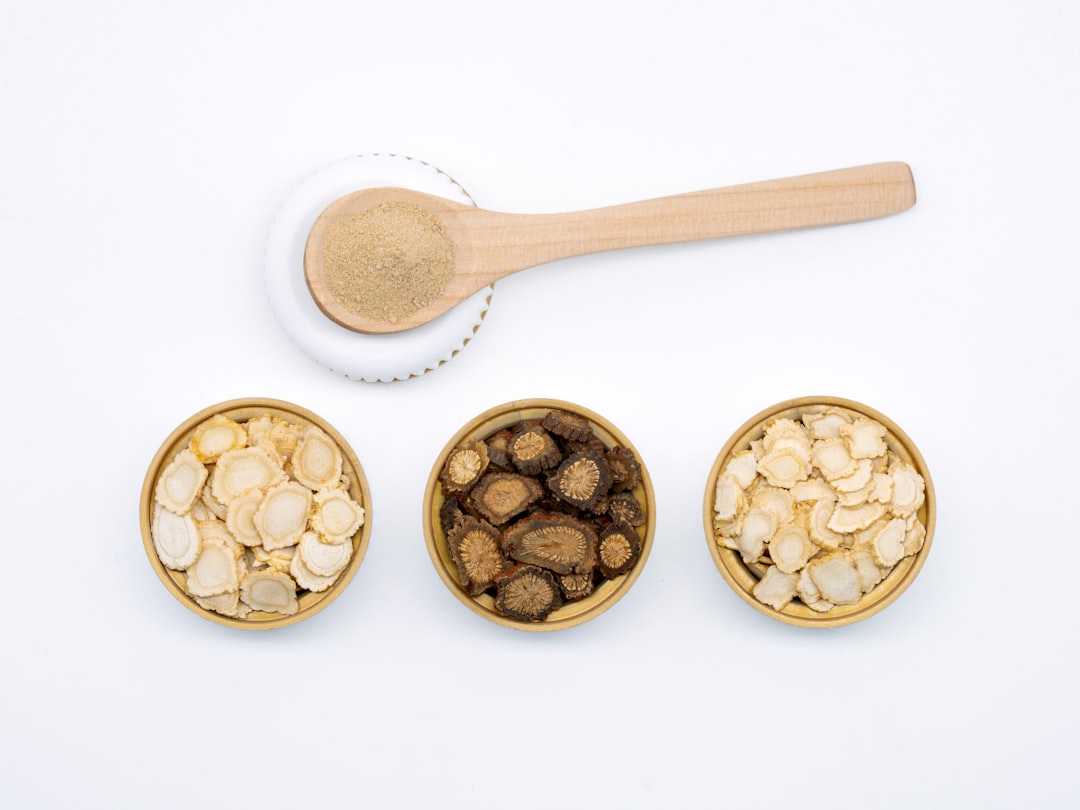
Xue Fu Zhu Yu Tang — eleven herbs working as one formula to move blood and ease stasis in the chest
Xue Fu Zhu Yu Tang blood stasis formula is one of classical Chinese medicine’s most versatile and widely-used decoctions. It targets a pattern that shows up across dozens of seemingly unrelated symptoms — chronic chest tightness, persistent insomnia, and low-grade restlessness among them.
Physician Wang Qingren developed the formula in the early 19th century. Published in 1830 as part of his landmark work Corrections of the Errors of Medical Works (Yi Lin Gai Cuo), it was his answer to a question he had spent decades investigating. His conclusion: a surprising number of stubborn conditions share one root cause — blood stasis lodged in the upper body.
Here’s why that matters:
In traditional Chinese medicine, blood stasis describes a state where blood loses its normal flow and becomes sluggish or obstructed. The “mansion of blood” (xue fu) refers to the chest and diaphragm region — where the heart, lungs, and major vessels concentrate. When blood stagnates here, it disrupts sleep, mood, physical sensation, and circulation. The formula’s name translates as “Drive Out Stasis from the Mansion of Blood.” That is exactly what it does.
Eleven Herbs, One Coherent Structure
Xue Fu Zhu Yu Tang contains eleven herbs, each with a specific role. Peach Kernel (Tao Ren), Safflower (Hong Hua), Red Peony (Chi Shao), and Chuan Xiong are the core blood-movers — they break up stagnant blood and restore circulation directly. Dong Quai (Dang Gui) and Rehmannia (Sheng Di Huang) nourish blood alongside this movement, preventing over-dispersal. Bupleurum (Chai Hu) and Roasted Bitter Orange (Zhi Ke) move qi, because stagnant qi and stagnant blood rarely exist apart. Platycodon Root (Jie Geng) guides the formula into the chest. Licorice (Gan Cao) harmonizes all eleven.
The result is a formula that moves without depleting — exactly what chronic blood stasis requires. Wang Qingren built nourishment and dispersal into a single structure, rather than treating them as separate interventions. That architectural decision has kept this formula in active clinical use for nearly two centuries.
Xue Fu Zhu Yu Tang Blood Stasis Pattern: What It Traditionally Addresses
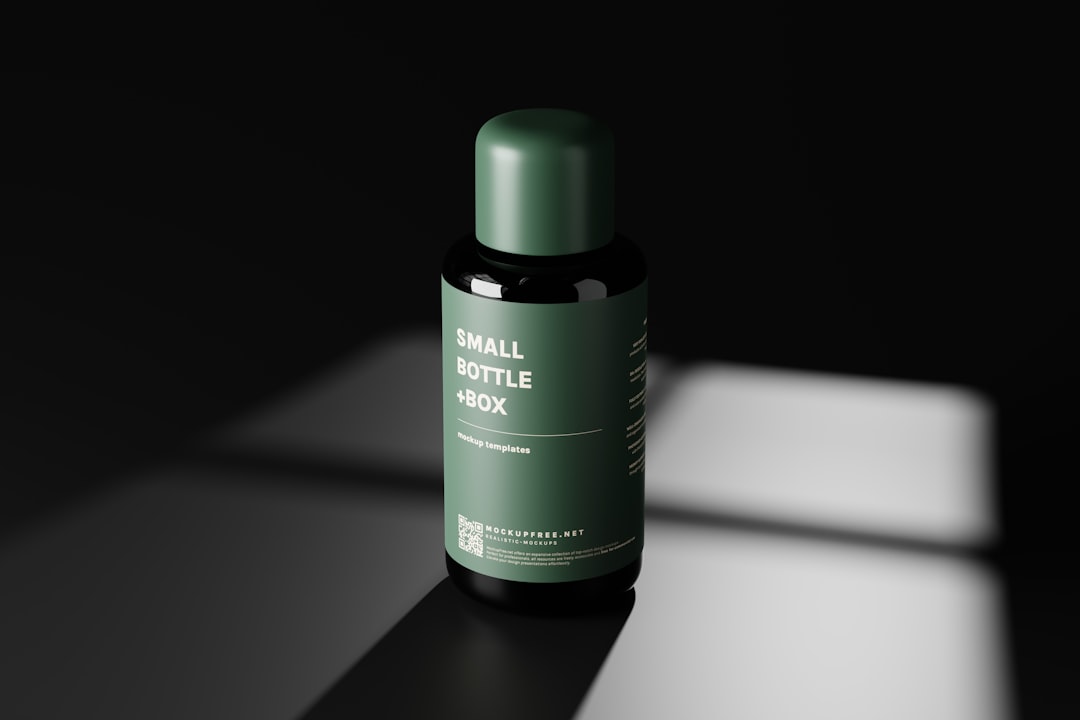
Prepared as a concentrated liquid tincture for convenient daily use
Blood stasis is one of the most clinically significant patterns in classical Chinese medicine. Xue Fu Zhu Yu Tang blood stasis formula targets its presentation specifically in the chest and upper body. Broad in scope, the traditional indications reflect the nature of blood stasis: when circulation becomes sluggish in this region, the effects ripple outward across sensation, cognition, mood, and sleep.
The classic indications recorded by Wang Qingren include:
- Chronic chest pain or tightness — particularly pain that is fixed in location. Fixed pain is the hallmark of blood stasis in TCM. Pain that moves points to qi stagnation instead.
- Palpitations and restlessness — blood stasis agitates the heart spirit (shen), which depends on smooth circulation to stay anchored and calm.
- Insomnia and dream-disturbed sleep — when blood fails to nourish and settle the shen at night, wakefulness and vivid dreaming follow.
- Persistent frontal or vertex headache — attributed to impaired blood flow in the upper body and head.
- Irritability, afternoon low-grade fever, or a warm sensation in the evening — signs of stasis generating localized heat when stagnant blood cannot disperse.
- Depression or chronic low mood — prolonged blood and qi stagnation affects emotional function in TCM theory as directly as it affects physical circulation.
- Dark complexion, purplish lips, or dark circles under the eyes — external markers of impaired blood movement visible at the skin’s surface.
Understanding the Pattern: Why the Symptoms Connect
This is where it gets interesting: many people present with a cluster of these complaints simultaneously — poor sleep, vague chest tightness, persistent headache, and a flat or irritable mood — without a clear Western diagnosis connecting them. In TCM, all of these can arise from one root pattern: blood stasis in the chest. Treating the pattern treats the full cluster.
The formula’s qi-moving herbs play an important structural role here. Bupleurum and Roasted Bitter Orange address the co-existing qi stagnation that perpetuates blood stasis. In Chinese medicine, qi drives blood — stagnant qi produces stagnant blood. Breaking that cycle requires moving both simultaneously. A blood-moving formula without qi-moving support only partially resolves the pattern. Xue Fu Zhu Yu Tang accounts for both.
Additionally, the blood-nourishing herbs — Dong Quai and Rehmannia — mean the formula does not simply disperse what has accumulated. Rather, it replenishes the quality of blood that remains. This clinical logic sets Wang Qingren’s formula apart from a simpler, more aggressive blood-breaking approach.
How to Use Xue Fu Zhu Yu Tang Tincture: Form, Context, and What to Expect
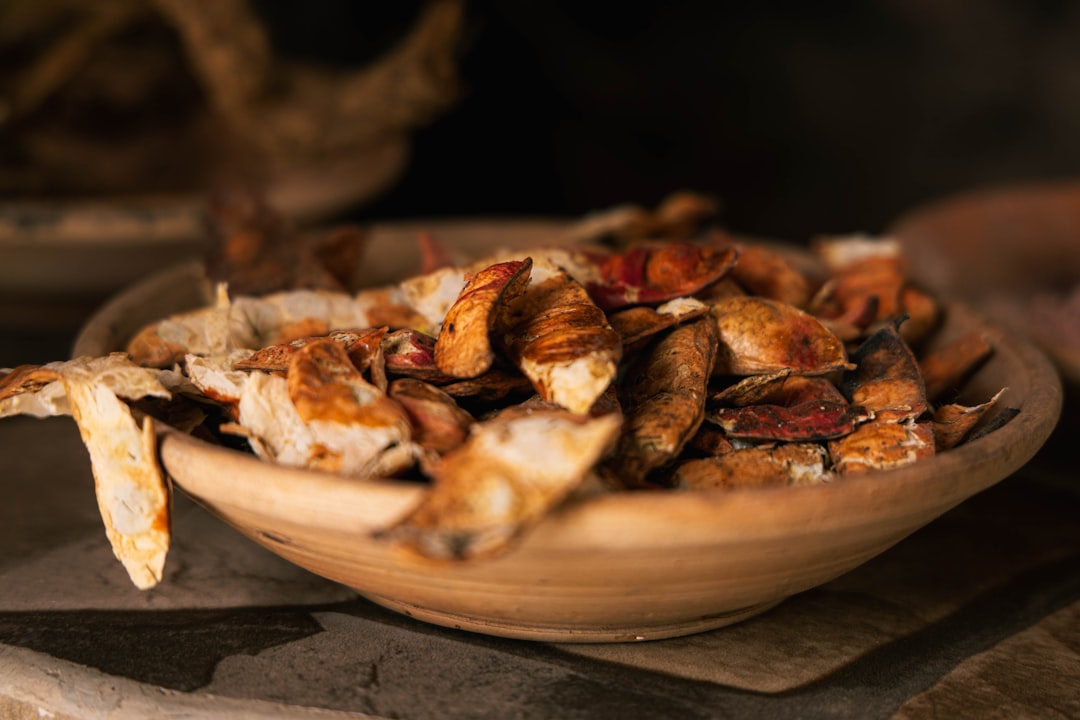
The eleven herbs of Xue Fu Zhu Yu Tang — each selected for a specific role in moving, nourishing, and guiding
Tincture vs. Decoction: The Practical Choice
Xue Fu Zhu Yu Tang blood stasis formula was historically a decoction — eleven herbs simmered in water and taken as a tea twice daily. Practitioners who work with raw herbs still use that method. Liquid tincture has become the practical choice for most people, however. It delivers the full formula in a concentrated, shelf-stable format without the daily preparation a decoction requires.
Herbal Clinic prepares Xue Fu Zhu Yu Tang as a 1:5 tincture — one part herbs to five parts liquid. This ratio supports optimal extraction while preserving the formula’s balance. All herbs undergo third-party testing before final bottling.
So what does this mean in practice?
Using a TCM compound formula differs from taking a single-herb supplement. Rather than targeting one isolated symptom, the formula works on the pattern — the underlying mechanism connecting a cluster of symptoms. This is why Xue Fu Zhu Yu Tang may suit chest discomfort, insomnia, and persistent headache in the same person at the same time: those symptoms share one root cause, and the formula addresses it directly.
How Xue Fu Zhu Yu Tang Compares to Related Formulas
In clinical practice, Xue Fu Zhu Yu Tang is one of several classical blood-stasis formulas, each targeting a different location or secondary pattern. Gui Pi Tang addresses the heart and spleen when blood deficiency is the primary issue. Jia Wei Xiao Yao San targets Liver Qi stagnation with heat. Among the three, Xue Fu Zhu Yu Tang is the chest-focused formula — and the most aggressively moving. Its nourishing layer is essential precisely because of that.
Practitioners typically use this formula when blood stasis in the upper body is clearly the primary pattern. A TCM practitioner, naturopathic doctor, or clinical herbalist can confirm whether the formula fits and advise on integration into a treatment plan.
For regulatory reasons, Herbal Clinic does not provide dosing recommendations. Xue Fu Zhu Yu Tang is available in 100 mL, 250 mL, 500 mL, and 1000 mL sizes. Blood stasis formulas suit sustained use over weeks to months — the pattern builds gradually, and consistent treatment resolves it more effectively than short-term use.
FAQ
- Superior Sourcing: Our herbs are sourced from all over the world to avoid seasonal fluctuations in availability, keeping herbs accessible. Our suppliers meet strict standards that ensure top quality herbs, most of which are organic, wildcrafted, sustainably grown, or grown using permaculture. We support local farmers and grow many of our own herbs.
- Superior Processing: Our tinctures are made using the classic tincturing method. The tinctures are made in a 1:5 ratio which allows for the optimal extraction of the herb. The alcohol percentage is strictly controlled depending on the herb and part of the plant that is used.
- Superior Selection: We take pride in our growing selection of over 300 individual herbs. If we don’t carry the herb you’re seeking, we can likely track it down for you.
- Superior Quality Control: Our tinctures are thoroughly tested by a third-party lab and with an organoleptic evaluation by our team of herbalists prior to final bottling.
- Superior Price: Our tinctures are more cost-effective than other tinctures on the market. With an eye towards efficiency, we keep our costs low by maintaining good relationships with our wide network of suppliers and ordering herbs in bulk quantities.
- We Care About the Environment: We repackage materials that are shipped to us (so don’t be surprised if our packages look different from time to time!). We recycle or reuse materials whenever possible. We turn the cardboard we receive from other suppliers into packing material. We donate to avoid waste to groups like Naturopaths Without Borders. Our workforce almost completely uses public transportation or bikes. We are powered using 100% renewable energy through Bullfrog Power.
- We Donate To Charity: We support many causes that make the world better. We donate a portion of our profits or products. These include charities that support environmental and natural sustainability.
Set up an online account and order through the website. If you don’t have an account and place an order, one will be created for you.
Click here to subscribe to our mailing list.
Our products are made in Toronto, Ontario, Canada by a team of Herbalists and Naturopathic Doctors. The herbs and ingredients we use to make our products are sourced both locally and globally to keep herbs accessible and sustainable.
The majority of our herbs are certified organic, sustainably wildcrafted, or come from small-scale local organic farms that do not yet have organic certification. We always do our best to provide organic herbs in your formulas. We work with a variety of suppliers to keep costs low.
Although most of our products do not contain gluten, we do not have gluten-free certification for our production facility. Feel free to ask about any specific products and we’ll share whatever information we have available.
For liability and regulatory reasons, we don’t make any claims as to how our herbs should be used, including dosing recommendations. Please review our disclaimer, as well as our terms and policies.