Gui Pi Tang for Fatigue, Anxiety and Poor Memory: A Classical Chinese Formula
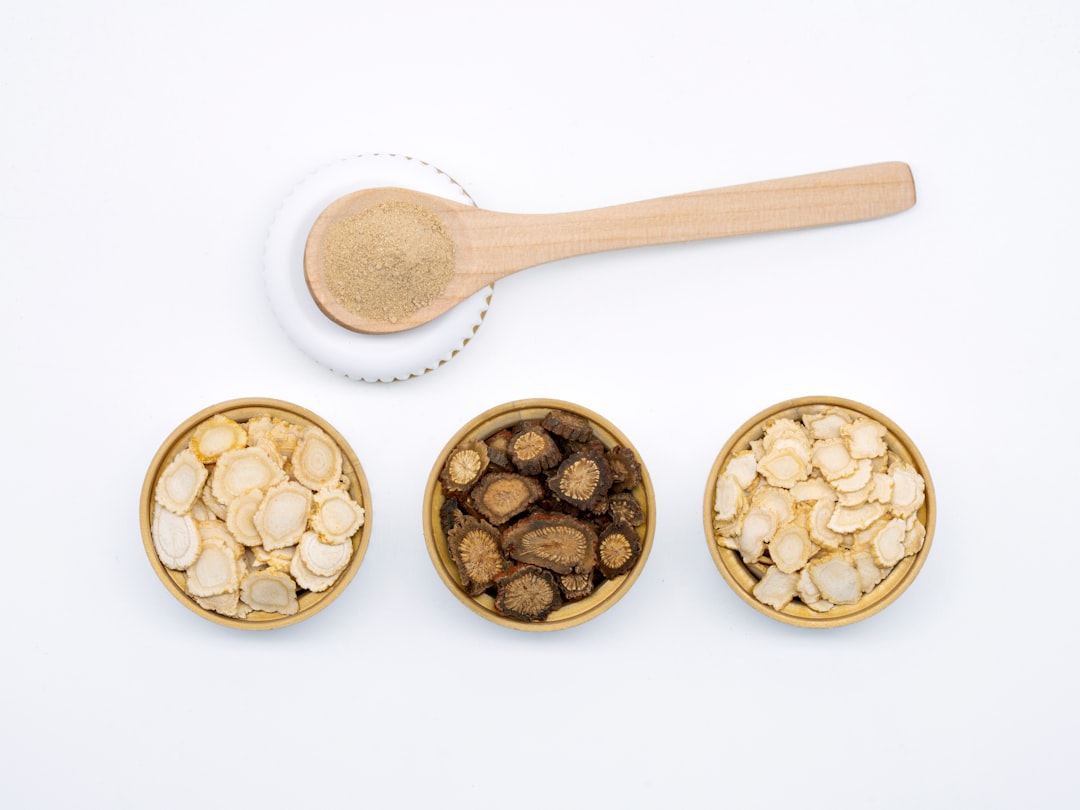
Gui pi tang for fatigue, anxiety and poor memory draws on twelve classical Chinese herbs to rebuild Qi and Blood.
Gui pi tang for fatigue, anxiety and poor memory is one of the most enduring classical Chinese formulas. Physician Yan Yonghe recorded it in his 1253 text Jisheng Fang, and practitioners have used it continuously for nearly 800 years.
The formula’s Chinese name translates roughly as “Restore the Spleen Decoction” — a name that points directly to its underlying logic. In Traditional Chinese Medicine (TCM), the Spleen transforms food into Qi (vital energy) and Blood. Overwork, chronic stress, poor diet, or prolonged illness can deplete the Spleen. As a result, the body cannot generate enough Blood to nourish the Heart.
The Heart-Spleen Connection
In TCM theory, the Heart houses the Shen — the mind, consciousness, and emotional life. A Heart well-nourished by Blood stays calm, focused, and grounded. However, when Blood is deficient, the Heart becomes anxious, forgetful, and exhausted. This is the core pattern Gui Pi Tang addresses: Heart and Spleen Deficiency.
The Twelve Herbs: Two Groups, One Formula
The formula contains twelve herbs in two overlapping groups. A tonifying group — Ren Shen (ginseng), Huang Qi (astragalus), Bai Zhu (white atractylodes), and Zhi Gan Cao (honey-fried licorice) — rebuilds Spleen Qi and restores the body’s capacity to generate energy. Nourishing Blood and calming the mind, a second group — Dang Gui (dong quai), Long Yan Rou (longan flesh), and Suan Zao Ren (sour jujube seed) — addresses the Heart directly. Furthermore, Yuan Zhi (polygala) and Fu Ling (poria) settle the Shen, while Mu Xiang (costus) prevents the tonics from causing stagnation.
Therefore, rather than sedating anxiety or stimulating energy by other means, Gui Pi Tang rebuilds the Qi and Blood deficiency that gives rise to all three complaints at once.
How Gui Pi Tang Supports Memory, Anxiety and Energy
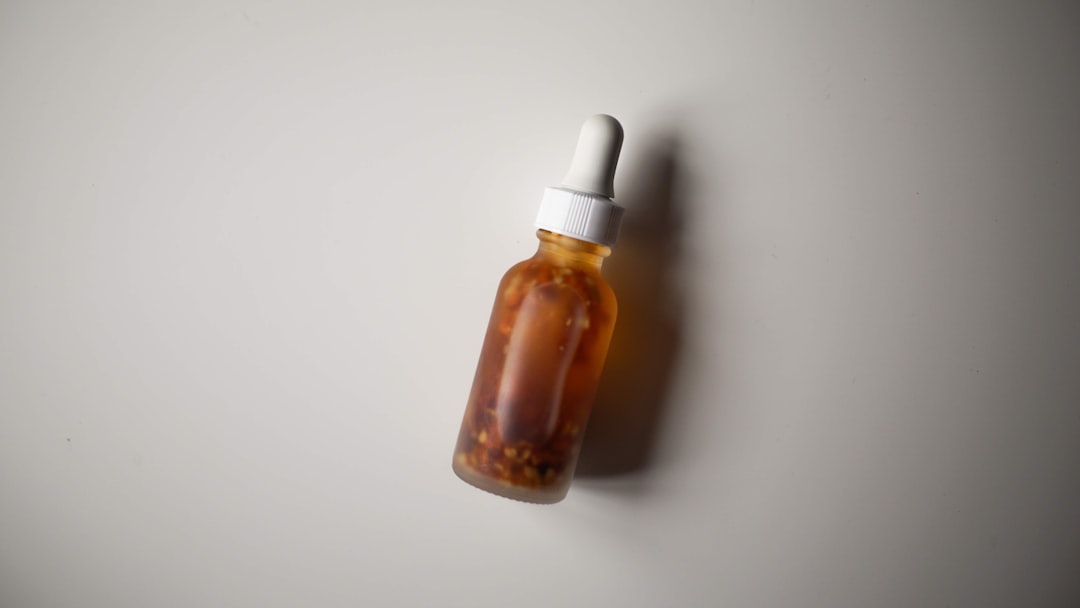
Gui Pi Tang is taken as a tincture for convenient daily use.
Gui pi tang for fatigue, anxiety and poor memory maps onto a very specific clinical picture, and understanding that picture helps explain why this formula works when the pattern fits.
The Symptoms of Heart-Spleen Deficiency
The fatigue associated with Heart-Spleen Deficiency has a characteristic quality: it worsens with mental effort. In TCM, thinking, studying, worrying, and processing emotion are all Spleen functions. They draw on the same Qi and Blood reserves as physical work. Consequently, when those reserves run low, concentration becomes effortful and memory unreliable. Indeed, some practitioners describe this as “overthinking depleting the Spleen” — mind and body exhaust each other in a cycle.
The anxiety in this pattern is not agitated or restless — it tends towards worry, low-grade apprehension, and unease that worsens when the body is already tired. Heart palpitations (typically mild, occurring at rest or at night) are common. Disrupted sleep also accompanies the pattern: difficulty falling asleep, vivid dreaming, or waking in the early morning. Additionally, a pale complexion and poor appetite often complete the picture.
Key Herbs and Their Actions in Gui Pi Tang
The key herbs in Gui Pi Tang address these symptoms through overlapping actions. Suan Zao Ren (sour jujube seed) is specifically indicated for anxiety and insomnia from Blood deficiency — research on jujuboside A, one of its active saponins, suggests it may modulate GABAergic activity, which provides a plausible basis for its traditional calming effects. Long Yan Rou and Dang Gui add further Blood nourishment. Furthermore, studies associate Ren Shen (ginseng) with improved cognitive function and reduced mental fatigue. Yuan Zhi (polygala) anchors the Shen and is traditionally used to strengthen memory and ease anxiety.
The key takeaway: Gui Pi Tang is not a single-target formula. It is calibrated for a specific pattern of depletion. When the pattern matches, the clinical response can be meaningful. Without a matching pattern, however, the formula will have little effect — which is exactly why accurate TCM pattern recognition matters.
How to Use Gui Pi Tang for Fatigue and Anxiety: Forms and What to Expect

Gui Pi Tang is slow medicine — designed to rebuild deficiency over weeks, not days.
Gui pi tang for fatigue, anxiety and poor memory is available in several forms. Traditionally, practitioners prepared it as a water decoction — herbs simmered for 30 to 40 minutes and taken as warm tea twice daily. This remains the most flexible method in classical clinical practice.
In modern practice, granules (concentrated freeze-dried extracts) and tinctures are the more practical choices for most people. Granules dissolve in warm water and deliver a strong extract without any preparation time. Similarly, tinctures allow easy daily use and straightforward adjustment of the amount taken.
Gui Pi Tang as a Tonic: What to Expect
Gui Pi Tang works over a sustained period — weeks to months rather than days — because it addresses an underlying deficiency, not an acute condition. Tonic formulas in Chinese medicine are slow by design. Most people notice improvement in sleep and anxiety first, with mental clarity following over several weeks of consistent use.
Herbal Clinic prepares Gui Pi Tang as a full classical twelve-herb tincture in appropriate proportions — not a simplified extract or partial blend. Maintaining the full formula preserves the synergistic herb relationships that make Gui Pi Tang clinically meaningful rather than a collection of isolated extracts. Moreover, it fits easily into a daily routine with no preparation required.
Although Gui Pi Tang is a tonic formula, it works best alongside attention to the lifestyle factors that deplete Spleen Qi: irregular meals, excessive screen time, chronic worry, and insufficient rest. The formula does its best work in combination with these adjustments, not instead of them.
As with all TCM formulas, working with a licensed practitioner to confirm the pattern is the most reliable approach — especially for complex or long-standing presentations.
FAQ
- Superior Sourcing: Our herbs are sourced from all over the world to avoid seasonal fluctuations in availability, keeping herbs accessible. Our suppliers meet strict standards that ensure top quality herbs, most of which are organic, wildcrafted, sustainably grown, or grown using permaculture. We support local farmers and grow many of our own herbs.
- Superior Processing: Our tinctures are made using the classic tincturing method. The tinctures are made in a 1:5 ratio which allows for the optimal extraction of the herb. The alcohol percentage is strictly controlled depending on the herb and part of the plant that is used.
- Superior Selection: We take pride in our growing selection of over 300 individual herbs. If we don’t carry the herb you’re seeking, we can likely track it down for you.
- Superior Quality Control: Our tinctures are thoroughly tested by a third-party lab and with an organoleptic evaluation by our team of herbalists prior to final bottling.
- Superior Price: Our tinctures are more cost-effective than other tinctures on the market. With an eye towards efficiency, we keep our costs low by maintaining good relationships with our wide network of suppliers and ordering herbs in bulk quantities.
- We Care About the Environment: We repackage materials that are shipped to us (so don’t be surprised if our packages look different from time to time!). We recycle or reuse materials whenever possible. We turn the cardboard we receive from other suppliers into packing material. We donate to avoid waste to groups like Naturopaths Without Borders. Our workforce almost completely uses public transportation or bikes. We are powered using 100% renewable energy through Bullfrog Power.
- We Donate To Charity: We support many causes that make the world better. We donate a portion of our profits or products. These include charities that support environmental and natural sustainability.
Set up an online account and order through the website. If you don’t have an account and place an order, one will be created for you.
Click here to subscribe to our mailing list.
Our products are made in Toronto, Ontario, Canada by a team of Herbalists and Naturopathic Doctors. The herbs and ingredients we use to make our products are sourced both locally and globally to keep herbs accessible and sustainable.
The majority of our herbs are certified organic, sustainably wildcrafted, or come from small-scale local organic farms that do not yet have organic certification. We always do our best to provide organic herbs in your formulas. We work with a variety of suppliers to keep costs low.
Although most of our products do not contain gluten, we do not have gluten-free certification for our production facility. Feel free to ask about any specific products and we’ll share whatever information we have available.
For liability and regulatory reasons, we don’t make any claims as to how our herbs should be used, including dosing recommendations. Please review our disclaimer, as well as our terms and policies.