Cayenne Tincture for Circulation: A Warming Herb with Real Mechanism
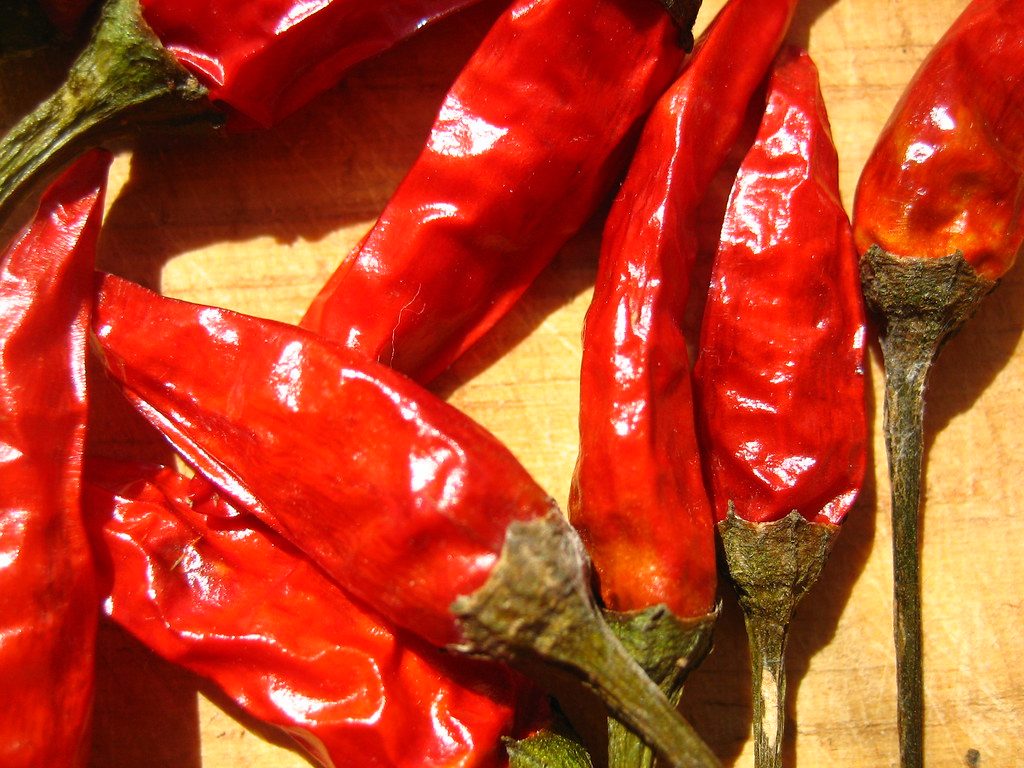
Capsicum annuum — dried fruit used in tincture preparation
Cayenne tincture for circulation has been used in Western herbal medicine for centuries, well before anyone knew what capsaicin was or how it worked. The fruit of Capsicum annuum was a staple of 19th-century Eclectic physicians, who called it a diffusive stimulant — meaning it moved things that had become sluggish: cold extremities, poor venous return, stagnant digestion.
The mechanism is clearer now. Cayenne’s primary active compounds are capsaicinoids, particularly capsaicin, which activates TRPV1 receptors — heat-sensitive ion channels found throughout the circulatory and nervous systems. When these receptors fire, the body responds by dilating peripheral blood vessels, increasing local blood flow, and releasing substance P, a neuropeptide involved in pain signalling and vascular tone.
The monograph places cayenne’s primary action as rubefacient — literally, that which reddens. Applied topically, it causes a visible flush of circulation to the area. Taken internally as a tincture, the effect is systemic: warmth spreading from the core outward, most noticeably in the hands and feet.
This is not a general anti-inflammatory herb. Cayenne is specific. Its system affinities are rheumatic and vascular — it performs best where cold, stagnation, and poor perfusion are part of the clinical picture.
How Cayenne Stimulates Blood Flow: The Capsaicin Mechanism
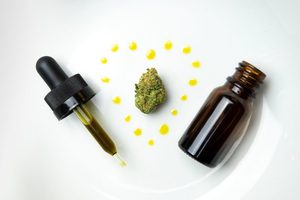
Cayenne tincture — alcohol extract of Capsicum annuum fruit
The circulatory effects of cayenne tincture come primarily from capsaicin’s action on TRPV1 receptors in blood vessel walls. When capsaicin binds these receptors, it triggers the release of calcitonin gene-related peptide (CGRP) — one of the most potent vasodilators in the body. The result is increased peripheral blood flow that is measurable, reproducible, and relatively fast-acting.
This is why cayenne has traditionally been used for:
- Cold hands and feet — poor peripheral perfusion, often associated with low circulation or Raynaud’s phenomenon
- Joint pain with coldness — rheumatic conditions where warmth relieves symptoms
- Sluggish venous return — conditions involving stagnant circulation in the extremities
- Cardiovascular support — as a secondary action, cayenne may support heart function and reduce platelet aggregation
Cayenne pairs well with Xanthoxylum americanum (prickly ash) for a warming circulatory formula. Both are diffusive stimulants, but prickly ash adds a neurological component that complements cayenne’s vascular action. For those who cannot tolerate cayenne’s heat, ginger (Zingiber officinale) is the indicated substitute — overlapping but milder action.
The analgesic secondary action is worth noting. Chronic capsaicin exposure depletes substance P at nerve endings, reducing pain signal transmission. This is the basis for topical capsaicin preparations used in neuropathic pain, and the effect is active with internal use as well — relevant for clients using cayenne for arthritic conditions alongside the circulation benefits.
Dosage and Practical Notes for Cayenne Tincture
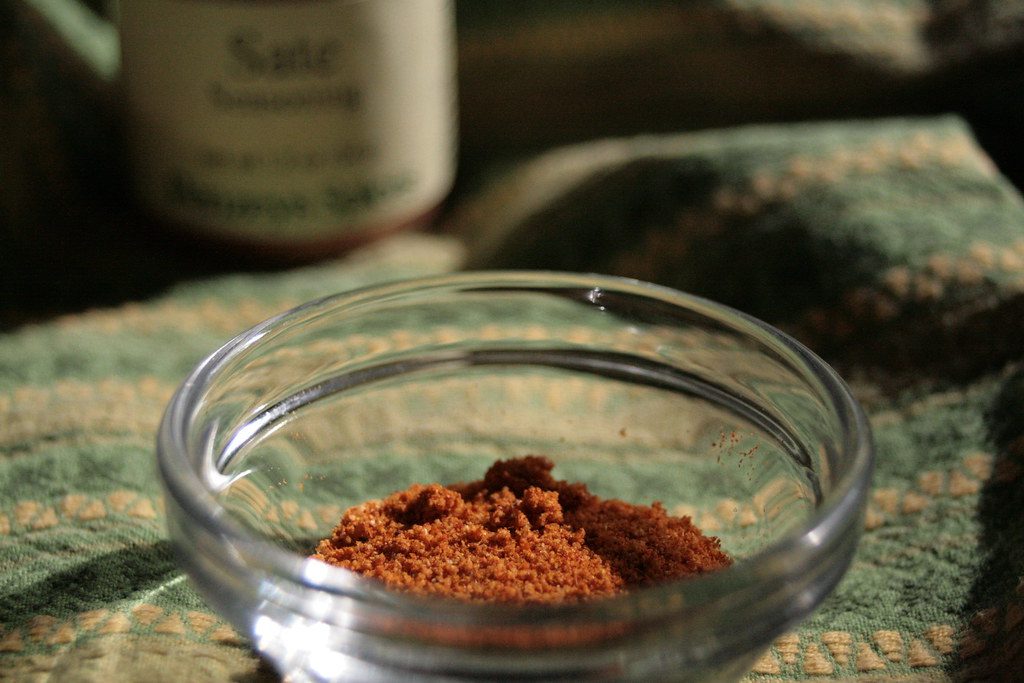
Capsicum annuum — fruit and powder forms
The standard tincture dose for cayenne is 1 mL to 5 mL daily — a wide range that reflects individual heat tolerance as much as therapeutic need. Start at the lower end and increase gradually. The warming sensation is noticeable and, for some people, intense.
A few practical points:
- Take with food or dilute in water — undiluted cayenne tincture on an empty stomach causes significant GI discomfort for most people
- Onset is fast — warmth is typically felt within 10–20 minutes
- Duration is short — effects last 1–3 hours; dosing 2–3 times daily is more effective than a single large dose
- Glycerite option is available for those avoiding alcohol (250 mL minimum)
Contraindications: Do not use during pregnancy or breastfeeding. Use with caution in active gastrointestinal inflammation — gastritis, ulcerative colitis, or IBS flare. Those on anticoagulant therapy (warfarin, aspirin) should consult a practitioner before use, as cayenne has mild antiplatelet activity.
For chronic circulatory issues, cayenne works best as part of a longer protocol, not as an acute intervention. Four to six weeks of consistent use is a reasonable minimum to assess response.
FAQ
- Superior Sourcing: Our herbs are sourced from all over the world to avoid seasonal fluctuations in availability, keeping herbs accessible. Our suppliers meet strict standards that ensure top quality herbs, most of which are organic, wildcrafted, sustainably grown, or grown using permaculture. We support local farmers and grow many of our own herbs.
- Superior Processing: Our tinctures are made using the classic tincturing method. The tinctures are made in a 1:5 ratio which allows for the optimal extraction of the herb. The alcohol percentage is strictly controlled depending on the herb and part of the plant that is used.
- Superior Selection: We take pride in our growing selection of over 300 individual herbs. If we don’t carry the herb you’re seeking, we can likely track it down for you.
- Superior Quality Control: Our tinctures are thoroughly tested by a third-party lab and with an organoleptic evaluation by our team of herbalists prior to final bottling.
- Superior Price: Our tinctures are more cost-effective than other tinctures on the market. With an eye towards efficiency, we keep our costs low by maintaining good relationships with our wide network of suppliers and ordering herbs in bulk quantities.
- We Care About the Environment: We repackage materials that are shipped to us (so don’t be surprised if our packages look different from time to time!). We recycle or reuse materials whenever possible. We turn the cardboard we receive from other suppliers into packing material. We donate to avoid waste to groups like Naturopaths Without Borders. Our workforce almost completely uses public transportation or bikes. We are powered using 100% renewable energy through Bullfrog Power.
- We Donate To Charity: We support many causes that make the world better. We donate a portion of our profits or products. These include charities that support environmental and natural sustainability.
Set up an online account and order through the website. If you don’t have an account and place an order, one will be created for you.
Click here to subscribe to our mailing list.
Our products are made in Toronto, Ontario, Canada by a team of Herbalists and Naturopathic Doctors. The herbs and ingredients we use to make our products are sourced both locally and globally to keep herbs accessible and sustainable.
The majority of our herbs are certified organic, sustainably wildcrafted, or come from small-scale local organic farms that do not yet have organic certification. We always do our best to provide organic herbs in your formulas. We work with a variety of suppliers to keep costs low.
Although most of our products do not contain gluten, we do not have gluten-free certification for our production facility. Feel free to ask about any specific products and we’ll share whatever information we have available.
For liability and regulatory reasons, we don’t make any claims as to how our herbs should be used, including dosing recommendations. Please review our disclaimer, as well as our terms and policies.