Posted on

Echinacea Tincture for Immune Support: A Complete Guide

Echinacea Tincture for Immune Support: History and Overview
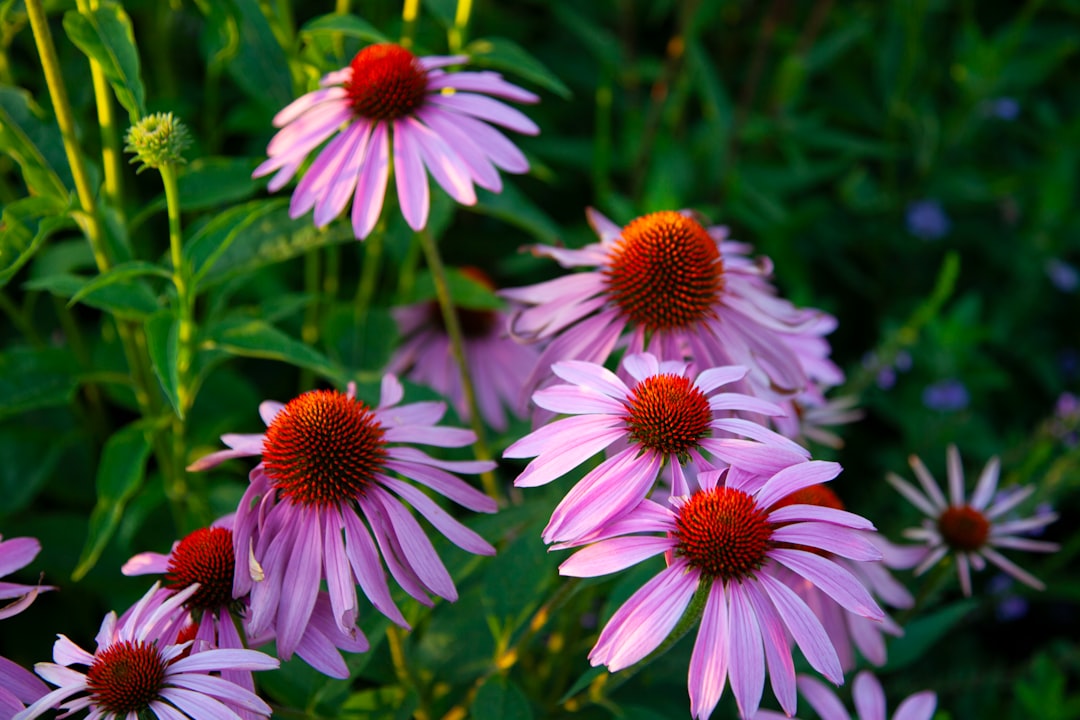
Echinacea purpurea purple coneflower — source of echinacea tincture for immune support

Echinacea purpurea in bloom — the plant behind echinacea tincture for immune support, used in North American herbalism for centuries.

Echinacea tincture for immune support is one of the most widely used herbal preparations in North America, with a track record that stretches back centuries. If you have been looking for a plant-based way to support your immune system through cold and flu season, echinacea is likely already on your radar — and the history behind it is worth knowing.

What Is Echinacea?

Echinacea is a genus of flowering plants in the daisy family (Asteraceae), native to the prairies and open woodlands of North America. Three species are most commonly used in herbal medicine: Echinacea purpurea, Echinacea angustifolia, and Echinacea pallida. Of these, Echinacea purpurea (Purple Coneflower) and Echinacea angustifolia (Narrow-Leaf Coneflower) are the most studied and widely available.

Here’s why that matters: each species contributes different active compounds, which is why many herbalists prefer combination preparations that draw on more than one species.

The plant is easy to recognize — a raised cone at the centre, drooping purple petals, and a coarse bristly stem. It grows one to three feet tall, thrives in full sun, and blooms from midsummer through early fall. In the wild it is found from Saskatchewan to Texas. Today, small herb farms across Canada widely cultivate it.

Traditional Use of Echinacea for Immune Health

Long before echinacea appeared in any health store, it was a medicine plant for many Indigenous peoples of the Great Plains, including the Lakota, Cheyenne, and Comanche. Both topical and internal uses are well documented across many nations. European settlers took notice in the 1800s, and by the late 19th century echinacea had become one of the most popular plant medicines on the continent. The U.S. National Formulary included it from 1916 to 1950 — a reflection of how seriously it was regarded at the time.

Echinacea Tincture for Immune Support: Benefits and Properties
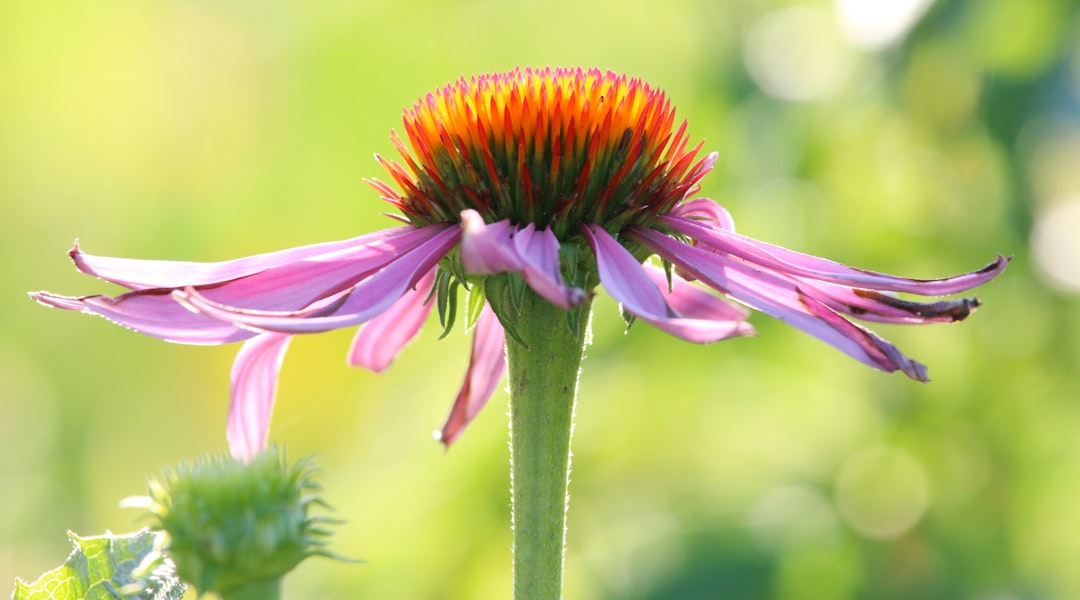
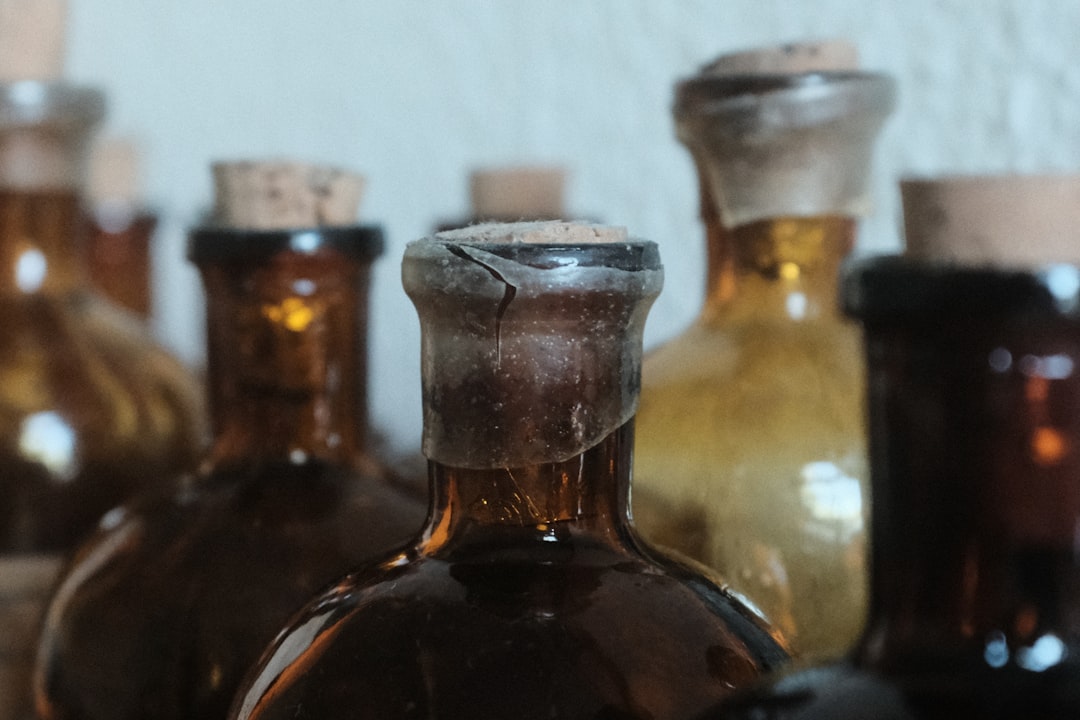
Herbal tincture bottle for immune support — echinacea extract

A well-made tincture extracts both water-soluble and fat-soluble compounds from echinacea

Echinacea for immune support is not just tradition — it is one of the most researched herbs in modern botanical medicine. Understanding what makes it effective starts with its active constituents.

Echinacea Active Compounds and Immune Properties

Echinacea contains several groups of compounds associated with its immune-modulating properties:

  • Alkylamides — occurring mainly in Echinacea purpurea and Echinacea angustifolia root; well absorbed orally and linked to immune cell activity
  • Polysaccharides — large carbohydrate molecules present in the aerial parts and linked to immune stimulation
  • Caffeic acid derivatives — including cichoric acid (Echinacea purpurea) and echinacoside (Echinacea angustifolia); associated with antioxidant and antiviral activity

This is where it gets interesting: the balance of these compounds differs significantly between species and plant parts. Root preparations of Echinacea angustifolia are rich in alkylamides. Aerial preparations of Echinacea purpurea are higher in polysaccharides. A combination product brings both profiles together.

What Research Says About Echinacea for Immune Support

Herbalists have traditionally used echinacea for upper respiratory support and general immune resilience during cold and flu season. Research published in journals including The Lancet Infectious Diseases and Phytomedicine has examined these associations, with several studies suggesting that echinacea tincture for immune support may help reduce the duration or severity of cold symptoms when used at the onset of illness.

So what does this mean for you? As with all herbal medicines, results vary by individual. Most herbalists regard echinacea as a supportive tool — one that many herbalists reach for at the first sign of seasonal illness rather than as a daily long-term supplement.

How to Use an Echinacea Tincture
Herbal wellness tincture bottles for immune health support

Tinctures offer a concentrated, shelf-stable way to incorporate echinacea into a wellness routine

Tincture is one of the most practical and widely used forms of echinacea — and for good reason. An echinacea tincture for immune support concentrates the plant’s active compounds in a stable, fast-absorbing liquid that is easy to take anywhere.

Why Choose an Echinacea Tincture for Immune Support?

Echinacea comes as teas, capsules, and dried herb — but a well-made tincture has advantages the other forms do not. The alcohol solvent extracts both water-soluble and fat-soluble compounds, including the alkylamides that are largely destroyed by heat. Furthermore, a properly stored alcohol tincture retains its potency for years, compared to a few days for an herbal tea.

In short: if you are looking for a full-spectrum echinacea preparation, tincture is the preferred form among most practicing herbalists.

Using Echinacea in Practice

Many herbalists use echinacea at the first sign of seasonal illness rather than on a continuous daily basis. Traditional protocols often suggest short-term, higher-frequency use at illness onset followed by a rest period. In addition, some practitioners combine echinacea with other immune-supportive herbs for broader coverage. For guidance specific to your situation, consult a qualified herbalist or naturopathic doctor.

You can take tinctures directly under the tongue for faster absorption, or stirred into a small amount of water or warm tea. The taste of echinacea is distinctive — slightly earthy, with a characteristic tingling sensation on the tongue that many herbalists consider a sign of alkylamide-rich quality.

Herbal Clinic’s Echinacea

At Herbal Clinic, our team makes echinacea tinctures in-house in Toronto using certified organic or sustainably wildcrafted herb. The Purple Cone Flower Combo combines E. purpurea and E. angustifolia in a single preparation, providing both the polysaccharide profile of the aerial herb and the alkylamide-rich root. Each batch goes through a thorough quality assurance process before bottling.

FAQ

  • Superior Sourcing: Our herbs are sourced from all over the world to avoid seasonal fluctuations in availability, keeping herbs accessible. Our suppliers meet strict standards that ensure top quality herbs, most of which are organic, wildcrafted, sustainably grown, or grown using permaculture. We support local farmers and grow many of our own herbs.
  • Superior Processing: Our tinctures are made using the classic tincturing method. The tinctures are made in a 1:5 ratio which allows for the optimal extraction of the herb. The alcohol percentage is strictly controlled depending on the herb and part of the plant that is used.
  • Superior Selection: We take pride in our growing selection of over 300 individual herbs. If we don’t carry the herb you’re seeking, we can likely track it down for you.
  • Superior Quality Control: Our tinctures are thoroughly tested by a third-party lab and with an organoleptic evaluation by our team of herbalists prior to final bottling.
  • Superior Price: Our tinctures are more cost-effective than other tinctures on the market. With an eye towards efficiency, we keep our costs low by maintaining good relationships with our wide network of suppliers and ordering herbs in bulk quantities.
  • We Care About the Environment: We repackage materials that are shipped to us (so don’t be surprised if our packages look different from time to time!). We recycle or reuse materials whenever possible. We turn the cardboard we receive from other suppliers into packing material. We donate to avoid waste to groups like Naturopaths Without Borders. Our workforce almost completely uses public transportation or bikes. We are powered using 100% renewable energy through Bullfrog Power.
  • We Donate To Charity: We support many causes that make the world better. We donate a portion of our profits or products. These include charities that support environmental and natural sustainability.

Set up an online account and order through the website. If you don’t have an account and place an order, one will be created for you.

Our products are made in Toronto, Ontario, Canada by a team of Herbalists and Naturopathic Doctors. The herbs and ingredients we use to make our products are sourced both locally and globally to keep herbs accessible and sustainable.

The majority of our herbs are certified organic, sustainably wildcrafted, or come from small-scale local organic farms that do not yet have organic certification. We always do our best to provide organic herbs in your formulas. We work with a variety of suppliers to keep costs low.

Although most of our products do not contain gluten, we do not have gluten-free certification for our production facility. Feel free to ask about any specific products and we’ll share whatever information we have available.

For liability and regulatory reasons, we don’t make any claims as to how our herbs should be used, including dosing recommendations. Please review our disclaimer, as well as our terms and policies.
Posted on

Yin Qiao San: What It Is, How It Works, and When to Use It

Yin Qiao San: A Classical Formula for Wind-Heat Invasion

Yin qiao san honeysuckle and forsythia flowers, the lead herbs in the classical formula

Jin Yin Hua (honeysuckle) and Lian Qiao (forsythia) give yin qiao san its name and its primary heat-clearing action.

Yin qiao san is one of the most widely used formulas in classical Chinese medicine — and it was designed for one specific moment: the very beginning of a cold or flu.

Origins: A Qing Dynasty Formula for Wind-Heat

The formula dates to 1798, when physician Wu Jutong published it in his Wen Bing Tiao Bian (Systematic Differentiation of Warm Diseases). Wu designed it to address what TCM calls a wind-heat invasion at the wei level — the body’s outermost defensive layer. In the wen bing framework, the early stages of illness follow recognizable patterns. Identifying the correct pattern determines which formula applies.

Here’s why that distinction matters: the formula targets wind-heat, not wind-cold. These two patterns produce different symptoms and require different herbs. Wind-heat presents with a sore or scratchy throat, a sensation of heat, minimal chills, possibly a mild headache, and nasal discharge that tends toward yellow or clear. If chills dominate over fever with no sore throat, a different formula is more appropriate.

The Ten Herbs in Yin Qiao San

The formula’s name comes from its two principal herbs: Jin Yin Hua (honeysuckle flower, Lonicera japonica) and Lian Qiao (forsythia fruit, Forsythia suspensa). Both are cooling herbs with heat-clearing and anti-toxin properties in TCM, and they lead the formula’s action. Supporting herbs — Chinese mint, burdock fruit, platycodon root, fermented soybean, Japanese catnip, bamboo leaf, reed rhizome, and licorice root — extend its reach to the throat, lungs, and skin surface.

This classical formula has been in continuous use for over 200 years. Furthermore, it remains one of the first formulas students of TCM learn — not because it is simple, but because the wind-heat pattern it addresses is so common. Herbal Clinic carries it as a tincture, prepared in a 1:5 ratio with reverse osmosis water and gluten-free pharmaceutical-grade alcohol.

Yin Qiao San Benefits: The Wind-Heat Pattern and How the Formula Works

Herbal tincture bottle representing yin qiao san prepared in liquid form

Yin qiao san tincture: the traditional ten-herb formula in a stable, ready-to-use liquid preparation.

Yin qiao san is not a general immune tonic. It addresses a specific pattern: wind-heat at the wei level. The pattern presents with a recognizable cluster of signs — fever or sensation of heat, slight or absent chills, sore or raw throat, mild headache, and sometimes a dry cough or blocked nose with yellow discharge. Symptoms tend to come on quickly.

How Yin Qiao San Works: Herb Actions Explained

Here’s how it works: Jin Yin Hua and Lian Qiao, the lead herbs, clear heat and resolve toxicity at the exterior. In TCM terms, they drive out pathogenic heat lodged in the body’s defensive layer. Bo He (Chinese mint) adds a dispersing action, opening the skin’s pores to release heat outward. Additionally, Jing Jie (Japanese catnip) works in a similar direction, releasing the exterior and expelling wind.

Niu Bang Zi (burdock fruit) and Jie Geng (platycodon root) direct the formula’s action upward to the throat and lungs. Jie Geng opens the lung and moves lung qi; Niu Bang Zi reduces swelling and clears throat heat. Dan Dou Chi (fermented soybean) supports the exterior release. Moreover, Zhu Ye (lophatherum bamboo leaf) and Lu Gen (reed rhizome) clear heat and generate fluids, counteracting the drying effect of early-stage heat. Gan Cao (licorice root) harmonizes the formula and soothes the throat.

This is where it gets interesting: the formula’s design follows a clear directional logic. Push the pathogen out through the body’s surface before it can penetrate deeper. That logic explains why timing matters so much. Taken in the first 12 hours of illness, it works differently than taken three days in, when the pathogen has already moved past the wei level.

When Yin Qiao San Is and Isn’t the Right Choice

However, the formula is not appropriate for all cold and flu presentations. It is not the right choice when chills dominate over fever, when the illness has moved to the digestive system, or when deep fatigue and interior symptoms dominate. In those situations, a different TCM formula applies. When in doubt, a practitioner familiar with TCM pattern differentiation can confirm the match.

Researchers have studied several of yin qiao san’s constituent herbs — particularly Jin Yin Hua and Lian Qiao — for antiviral and antimicrobial properties. Scientists have examined activity against influenza virus and common respiratory pathogens. As a result, it is one of the more studied classical TCM formulas in the contemporary pharmacological literature.

How to Take Yin Qiao San: Timing, Form, and What to Expect

Herbal preparation cup — yin qiao san is traditionally taken at the very first sign of wind-heat symptoms

Traditionally prepared as a brief decoction, yin qiao san is now widely available as a tincture for practical use during the acute stage of illness.

Yin qiao san is traditionally taken at the very first sign of wind-heat symptoms — not after the illness is established. Wu Jutong was explicit about this in his original text: the formula belongs to the initial stage, when the pathogen is still at the surface. Therefore, waiting too long reduces its usefulness considerably.

In practice, this means: if you wake up with a scratchy throat, feel faintly feverish, and recognize that something is coming on — that is the window. Many practitioners recommend starting yin qiao san immediately, continuing through the acute phase and reassessing if the symptom picture shifts.

Traditional Preparation vs. Tincture Form

Traditionally, practitioners prepared this formula as a brief decoction — boiled very quickly to preserve the volatile aromatic constituents of herbs like Bo He (Chinese mint) and Jing Jie. Wu Jutong specifically instructed against prolonged cooking. Furthermore, he recommended taking it frequently through the early stage, not just once per day.

Yin Qiao San Tincture at Herbal Clinic

Herbal Clinic carries yin qiao san as a tincture, available in 100mL, 250mL, 500mL, and 1000mL sizes. Keeping a bottle on hand through cold and flu season makes practical sense. All ten traditional herbs appear in a 1:5 ratio with reverse osmosis water and gluten-free pharmaceutical-grade alcohol. A third-party lab tests each batch, and a team of herbalists and naturopathic doctors in Toronto reviews it before bottling.

Because this is a multi-herb classical formula, individual responses vary. Moreover, practitioners do not intend it for long-term daily use — it is an acute intervention. Consulting a TCM practitioner is the best approach to confirm the formula matches your current presentation, particularly if you are unsure whether wind-heat is the correct pattern.

Practitioners generally do not recommend this formula during pregnancy or breastfeeding, or for those taking pharmaceutical medications. For any health concerns, consult a qualified health practitioner and review the full disclaimer on the Herbal Clinic website.

In addition to yin qiao san, Herbal Clinic carries a full range of TCM Blends — classical formulas for digestion, sleep, liver support, and more. All follow the same quality standard and come in the same tincture sizes.

FAQ

  • Superior Sourcing: Our herbs are sourced from all over the world to avoid seasonal fluctuations in availability, keeping herbs accessible. Our suppliers meet strict standards that ensure top quality herbs, most of which are organic, wildcrafted, sustainably grown, or grown using permaculture. We support local farmers and grow many of our own herbs.
  • Superior Processing: Our tinctures are made using the classic tincturing method. The tinctures are made in a 1:5 ratio which allows for the optimal extraction of the herb. The alcohol percentage is strictly controlled depending on the herb and part of the plant that is used.
  • Superior Selection: We take pride in our growing selection of over 300 individual herbs. If we don’t carry the herb you’re seeking, we can likely track it down for you.
  • Superior Quality Control: Our tinctures are thoroughly tested by a third-party lab and with an organoleptic evaluation by our team of herbalists prior to final bottling.
  • Superior Price: Our tinctures are more cost-effective than other tinctures on the market. With an eye towards efficiency, we keep our costs low by maintaining good relationships with our wide network of suppliers and ordering herbs in bulk quantities.
  • We Care About the Environment: We repackage materials that are shipped to us (so don’t be surprised if our packages look different from time to time!). We recycle or reuse materials whenever possible. We turn the cardboard we receive from other suppliers into packing material. We donate to avoid waste to groups like Naturopaths Without Borders. Our workforce almost completely uses public transportation or bikes. We are powered using 100% renewable energy through Bullfrog Power.
  • We Donate To Charity: We support many causes that make the world better. We donate a portion of our profits or products. These include charities that support environmental and natural sustainability.

Set up an online account and order through the website. If you don’t have an account and place an order, one will be created for you.

Our products are made in Toronto, Ontario, Canada by a team of Herbalists and Naturopathic Doctors. The herbs and ingredients we use to make our products are sourced both locally and globally to keep herbs accessible and sustainable.

The majority of our herbs are certified organic, sustainably wildcrafted, or come from small-scale local organic farms that do not yet have organic certification. We always do our best to provide organic herbs in your formulas. We work with a variety of suppliers to keep costs low.

Although most of our products do not contain gluten, we do not have gluten-free certification for our production facility. Feel free to ask about any specific products and we’ll share whatever information we have available.

For liability and regulatory reasons, we don’t make any claims as to how our herbs should be used, including dosing recommendations. Please review our disclaimer, as well as our terms and policies.
Posted on

Yin Qiao San for Colds and Flu — The Classical Wind-Heat Formula

Yin Qiao San for Colds and Flu — What Is This Classical Formula?

yin qiao san for colds and flu — traditional Chinese herbal medicine

Yin qiao san for colds and flu — a foundational formula in classical Chinese medicine for treating Wind-Heat patterns at the onset of illness.

Yin qiao san for colds and flu is one of the most prescribed classical Chinese formulas in North America — and once you understand what it’s designed for, it’s easy to see why. However, it’s also one of the most frequently misused: taken at the wrong time or for the wrong pattern, it simply won’t work.

The formula first appeared in Wu Jutong’s 1798 text Wen Bing Tiao Bian (Systematic Differentiation of Warm Diseases). Wu Jutong developed it to address wen bing — warm diseases — illness defined by heat from the outset, as opposed to the cold-dominant invasions described in earlier classical texts.

Yin Qiao San translates loosely as “Honeysuckle and Forsythia Powder.” The name reflects its two principal herbs: Jin Yin Hua (Lonicera japonica, Honeysuckle flower) and Lian Qiao (Forsythia suspensa, Forsythia fruit). These herbs anchor its core action — releasing the exterior and clearing heat toxins — while the supporting herbs address specific aspects of the Wind-Heat pattern.

In TCM theory, illness enters the body through the exterior. Wind-Heat is one of two primary exterior patterns; the other is Wind-Cold. Yin Qiao San addresses Wind-Heat specifically. This distinction matters: using this formula for a Wind-Cold presentation can worsen the condition by directing cooling herbs into a pattern that requires warming.

Here’s why that matters: correctly identifying the pattern is step one. Wind-Heat presents with fever more prominent than chills, a sore throat, slight thirst, and a thin yellow tongue coating. Wind-Cold presents with chills more prominent than fever, no significant thirst, a white tongue coating, and little throat involvement. When the pattern is Wind-Heat, Yin Qiao San offers one of the best-matched responses in the classical repertoire.

Today, Yin Qiao San is available in granule, tablet, and liquid extract form. Herbal Clinic carries it as a concentrated liquid extract, prepared to traditional standards.

How Yin Qiao San Works — Wind-Heat, Key Herbs, and the Research

herbal tincture bottle — yin qiao san liquid extract

Yin Qiao San is available as a concentrated liquid extract for rapid absorption.

Yin qiao san for colds and flu works through a coordinated set of herbal actions targeting the Wind-Heat pattern at multiple levels. Understanding how the ingredients work together explains both why this formula works and why early intervention matters.

The Ten Herbs in Yin Qiao San

The formula contains ten herbs, each with a distinct role. The first four — the chief and deputy herbs — carry the primary therapeutic action:

  • Jin Yin Hua (Lonicera japonica — Honeysuckle flower): The chief herb. Clears heat toxins, releases the exterior, and carries a particular affinity for the throat. Researchers have identified luteolin, chlorogenic acid, and isochlorogenic acid as key constituents with antiviral and anti-inflammatory activity.
  • Lian Qiao (Forsythia suspensa — Forsythia fruit): Co-chief herb. Clears heat and resolves toxins, with strong action on the upper body. Forsythoside A, the primary lignan, has drawn research interest for its antiviral potential.
  • Bo He (Mentha haplocalyx — Field mint): Acrid and cooling. Bo He releases the exterior, benefits the throat, and vents heat outward. This herb contributes to the formula’s characteristic rapid action on surface symptoms.
  • Jie Geng (Platycodon grandiflorum — Balloon flower root): Opens the lung Qi and directs the formula upward to the throat and chest. Jie Geng serves as an envoy herb, guiding the other ingredients to the site of action.

Supporting and Coordinating Herbs

The remaining six herbs refine and complete the formula’s action:

  • Niu Bang Zi (Arctium lappa — Burdock seed): Disperses Wind-Heat, benefits the throat, and descends lung Qi. Particularly relevant when a cough accompanies the exterior invasion.
  • Dan Zhu Ye (Lophatherum gracile — Bland bamboo leaf): Clears heat and promotes urination, providing a downward route for heat to exit the body.
  • Jing Jie (Schizonepeta tenuifolia — Schizonepeta): Despite being slightly warming, Jing Jie strengthens the exterior-releasing action and prevents the cooling herbs from clamping too early.
  • Dan Dou Chi (Glycine max — Fermented soybean): Releases the exterior and relieves restlessness, supporting the formula’s action at the start of an illness.
  • Lu Gen (Phragmites communis — Reed rhizome): Addresses the mild thirst accompanying Wind-Heat patterns by clearing heat and generating fluids.
  • Gan Cao (Glycyrrhiza uralensis — Licorice root): Harmonizes the formula and moderates the other herbs’ intensity. Additionally, it benefits the throat directly.

How the Formula Works as a Whole

This is where it gets interesting: the formula does not fight a pathogen the way an antibiotic would. Instead, it helps the body’s own Wei Qi (defensive energy) expel the invading pathogen outward before it penetrates deeper. The critical window is the first 24 to 48 hours — before the pathogen moves from the exterior to the interior. Once illness progresses beyond the exterior stage, Yin Qiao San is no longer the right choice.

In modern research terms, the principal herbs — particularly Jin Yin Hua and Lian Qiao — show antiviral, antibacterial, and anti-inflammatory activity in laboratory and animal studies. Clinical evidence in humans remains limited. However, the formula’s long track record in clinical TCM practice, combined with growing mechanistic research on its constituents, supports its continued relevance. For preventive immune support between illnesses, see Yu Ping Feng San (Jade Windscreen).

How to Take Yin Qiao San — Timing, Form, and What to Expect

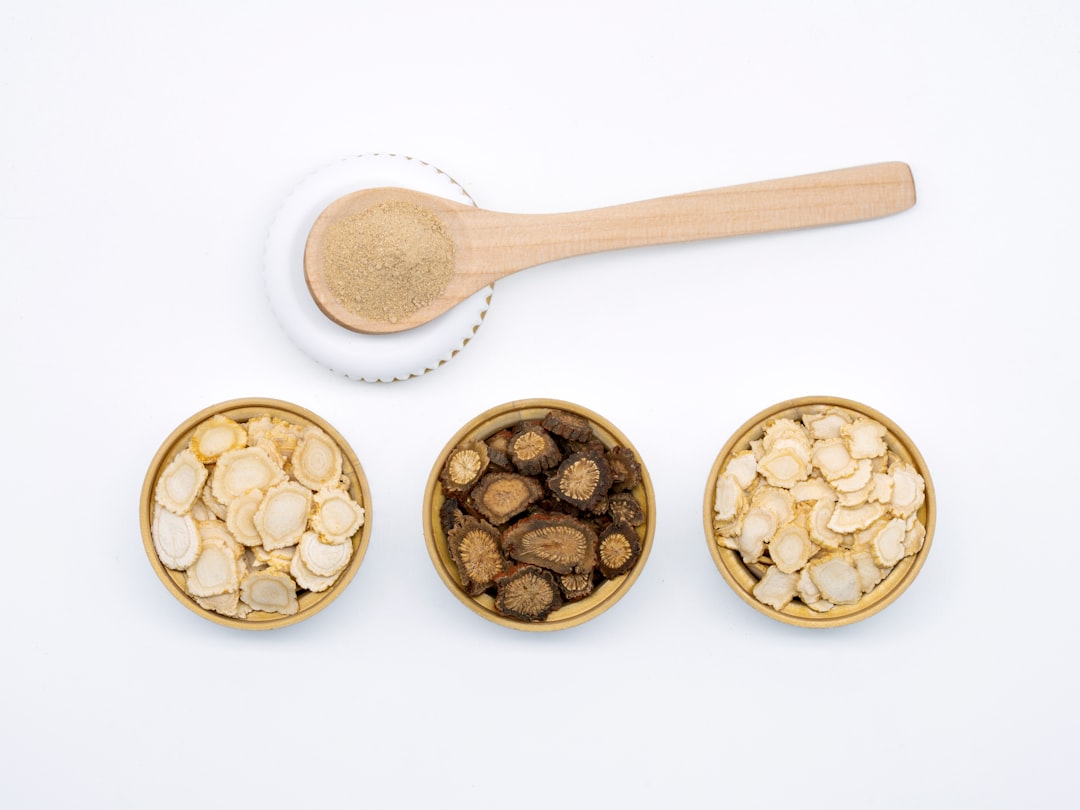
dried herbs in jars — Chinese herbal medicine preparation

Classical Chinese formulas like Yin Qiao San are most effective when taken at the first sign of illness.

Yin qiao san for colds and flu works best at the very start of an illness. That’s not just conventional wisdom — it follows directly from the formula’s mechanism: it acts on the exterior stage, and once that window closes, the formula no longer matches the condition.

Here’s how it works in practice:

Timing is everything. Take Yin Qiao San at the first sign of a sore throat, slight fever, or mild headache. Practitioners traditionally describe the optimal window as the first 12 to 24 hours of symptom onset. After 48 hours, if symptoms have deepened — significant chest congestion, fatigue, chills, or digestive involvement — the pattern has likely shifted. A different formula will be more appropriate at that stage.

Pattern matching still matters. The key question is whether the presentation is Wind-Heat or Wind-Cold. When chills dominate over fever, the throat is clear, and the patient is not thirsty, Yin Qiao San is unlikely to help — and practitioners often avoid it in those presentations. Wind-Cold patterns call for different formulas: Gui Zhi Tang or Xiao Qing Long Tang match the pattern better. When in doubt, consult a TCM practitioner or qualified herbalist.

Available forms. Yin Qiao San comes in several forms: classical decoction (boiled from raw herbs), granules dissolved in hot water, tablets, and liquid extract. Each has practical trade-offs. Granules and liquid extract absorb quickly — useful when speed matters at onset. Tablets travel well and keep on hand easily. Herbal Clinic’s liquid extract follows traditional preparation ratios, making it a straightforward choice for acute use.

Safety and Appropriate Use

Furthermore, Yin Qiao San ranks among the gentler classical formulas. Its herbs are mild in temperature and practitioners generally consider it broadly tolerated. That said, this formula does not suit every situation. Pregnancy is one context where practitioners typically seek specific guidance before using it. Moreover, the formula suits Wind-Heat presentations specifically — using it for other patterns reduces its effectiveness and departs from its intended use.

Additionally, Yin Qiao San is often discussed alongside Yu Ping Feng San (Jade Windscreen) — but these two serve very different purposes. Jade Windscreen is a tonifying formula used between illnesses to strengthen Wei Qi and reduce susceptibility to invasion. Yin Qiao San is an acute formula for the active illness. They are complementary, not interchangeable.

As a result, many practitioners and wellness-minded individuals keep both on hand: Jade Windscreen as a preventive during cold and flu season, and Yin Qiao San as the acute response at the first sign of Wind-Heat illness.

For regulatory reasons, we don’t make dosing recommendations — please review our disclaimer and consult a qualified practitioner for guidance specific to your situation.

FAQ

  • Superior Sourcing: Our herbs are sourced from all over the world to avoid seasonal fluctuations in availability, keeping herbs accessible. Our suppliers meet strict standards that ensure top quality herbs, most of which are organic, wildcrafted, sustainably grown, or grown using permaculture. We support local farmers and grow many of our own herbs.
  • Superior Processing: Our tinctures are made using the classic tincturing method. The tinctures are made in a 1:5 ratio which allows for the optimal extraction of the herb. The alcohol percentage is strictly controlled depending on the herb and part of the plant that is used.
  • Superior Selection: We take pride in our growing selection of over 300 individual herbs. If we don’t carry the herb you’re seeking, we can likely track it down for you.
  • Superior Quality Control: Our tinctures are thoroughly tested by a third-party lab and with an organoleptic evaluation by our team of herbalists prior to final bottling.
  • Superior Price: Our tinctures are more cost-effective than other tinctures on the market. With an eye towards efficiency, we keep our costs low by maintaining good relationships with our wide network of suppliers and ordering herbs in bulk quantities.
  • We Care About the Environment: We repackage materials that are shipped to us (so don’t be surprised if our packages look different from time to time!). We recycle or reuse materials whenever possible. We turn the cardboard we receive from other suppliers into packing material. We donate to avoid waste to groups like Naturopaths Without Borders. Our workforce almost completely uses public transportation or bikes. We are powered using 100% renewable energy through Bullfrog Power.
  • We Donate To Charity: We support many causes that make the world better. We donate a portion of our profits or products. These include charities that support environmental and natural sustainability.

Set up an online account and order through the website. If you don’t have an account and place an order, one will be created for you.

Our products are made in Toronto, Ontario, Canada by a team of Herbalists and Naturopathic Doctors. The herbs and ingredients we use to make our products are sourced both locally and globally to keep herbs accessible and sustainable.

The majority of our herbs are certified organic, sustainably wildcrafted, or come from small-scale local organic farms that do not yet have organic certification. We always do our best to provide organic herbs in your formulas. We work with a variety of suppliers to keep costs low.

Although most of our products do not contain gluten, we do not have gluten-free certification for our production facility. Feel free to ask about any specific products and we’ll share whatever information we have available.

For liability and regulatory reasons, we don’t make any claims as to how our herbs should be used, including dosing recommendations. Please review our disclaimer, as well as our terms and policies.
Posted on

Mullein for Respiratory Health: The Lung Herb with Centuries of Tradition

Mullein for Respiratory Health — History, Origins, and the Plant Itself

Verbascum thapsus mullein plant used for respiratory health

Verbascum thapsus — common mullein, a centuries-old lung herb

Mullein for respiratory health has been relied upon by traditional herbalists for thousands of years — and if you have ever struggled with a lingering cough, a tight chest, or airways that just won’t calm down, this tall, velvety-leaved plant may be exactly what you have been looking for.

Known by its Latin name Verbascum thapsus, mullein belongs to the Scrophulariaceae family and has been a cornerstone of folk medicine traditions across Europe, Asia, and North America. Its common names tell a story: common mullein, great mullein, flannel leaf, and velvet plant — the last two earned from the herb’s most recognizable feature, its extraordinarily large, soft, felt-like leaves. Run a finger across a fresh mullein leaf and the texture is unmistakable.

Mullein is a biennial plant that makes its home in disturbed soils — roadsides, rocky hillsides, cleared fields, and open meadows. In its first year, it forms a low, wide rosette of enormous grey-green leaves that can reach 50 centimetres in length. In its second year, it launches a towering central spike that can grow to 2 metres, topped with small, bright yellow flowers that bloom progressively up the stalk throughout the summer. It is hard to miss once you know what you are looking for.

Here’s why that matters: it is the large, velvety first-year leaves that are the primary part used in herbal medicine. Indigenous peoples across North America relied on mullein leaf for lung and respiratory support — a tradition that runs parallel to centuries of European herbal practice. The 19th-century Eclectic physicians, who blended botanical and conventional medicine, called mullein “the herb of the respiratory tract” and placed it at the centre of their lung formulas.

But there’s more to it than that. Mullein’s deep historical reputation for lung support isn’t merely anecdotal — the plant’s chemistry offers a clear and compelling explanation for why herbalists across cultures have turned to it again and again. Its active constituents work in concert with the respiratory system in ways that are consistent, reliable, and well understood within the tradition of plant medicine.

Mullein for Respiratory Health: Key Properties and Active Constituents

Herbal tincture bottle for respiratory support with mullein

Mullein tincture — active constituents include mucilage, saponins, flavonoids, and tannins

The properties that make mullein for respiratory health so valued within herbal tradition come directly from its phytochemical profile. The leaf contains four primary categories of active constituents — flavonoids, mucilage, saponins, and tannins — each contributing a distinct layer of activity to mullein’s overall role as a pulmonary tonic.

The most significant of these is the mucilage content. Mucilage is a gel-like polysaccharide that, when consumed, coats and soothes irritated mucous membranes along the entire respiratory tract. This makes mullein particularly associated with dry, raw, or inflamed airways — conditions where the respiratory lining is crying out for both protection and hydration. Herbalists have traditionally described mullein as a “demulcent” for the lungs — an herb that brings genuine soothing relief to inflamed and irritated tissues rather than simply masking discomfort.

Here’s how it works: alongside the mucilage, mullein’s saponins act as a gentle relaxing expectorant. Saponins reduce surface tension within the bronchial passages, which helps to loosen and mobilize thick, stubborn mucus that has accumulated in the airways. This combination — soothing the tissue while simultaneously clearing the passage — is the hallmark of what herbalists call a “relaxing expectorant.” It supports the body’s natural clearing mechanisms without harsh stimulation.

The flavonoids provide antioxidant and anti-inflammatory activity. Chronic respiratory complaints are frequently driven by persistent inflammation in the airway lining, and the flavonoids in mullein leaf may help calm that underlying irritation. Tannins offer mild astringent properties, toning the mucous membranes and assisting with the reduction of excessive secretions. Together, these constituents support mullein’s additional classification as a vulnerary — an herb that helps heal and restore damaged or chronically irritated tissue.

Herbalists traditionally associate mullein with asthma, chronic and acute bronchitis, and emphysema — conditions that share the common thread of weakened, inflamed, or compromised lung tissue. Mullein pairs especially well with Coltsfoot (Tussilago farfara) and Lobelia (Lobelia inflata) for broader pulmonary support. Research on Verbascum thapsus constituents available through databases such as PubMed is consistent with its traditional applications, though this information is provided for educational purposes only and is not intended as medical advice.

Using Mullein for Respiratory Health: Tinctures, Teas, and Herbal Combinations

Herbal tea preparation for respiratory wellness with mullein leaf

Mullein leaf can be prepared as a tea or taken as a tincture for respiratory wellness

One of the most appealing aspects of incorporating mullein for respiratory health into a daily wellness routine is the variety of forms it can be prepared and used in. Mullein leaf is available as a dried herb for tea, as a liquid tincture, and in combination formulas with complementary respiratory herbs — each offering a slightly different profile of use.

The tea preparation carries a long and respected tradition. When preparing mullein leaf as an infusion, it is important to strain the tea carefully through a fine cloth before drinking. Mullein’s characteristic velvety leaves have fine hairs that, while completely harmless, can be mildly irritating to the throat if left in the cup. A well-strained cup of warm mullein leaf tea is traditionally enjoyed to support the airways, ease dryness, and bring a sense of calm and openness to the respiratory tract.

Tinctures offer a concentrated, convenient, and consistent way to work with mullein. Herbal Clinic’s Mullein tincture is crafted using the classic 1:5 tincture method — a ratio that allows for the optimal extraction of mullein leaf’s active constituents, including its mucilage, saponins, flavonoids, and tannins. The alcohol percentage is carefully calibrated for the specific plant part being extracted, ensuring the full spectrum of constituents is captured. Every batch is evaluated by Herbal Clinic’s team of herbalists and QA tested before bottling.

So what does this mean for you? It means the same level of care that a professional herbalist would apply to a custom preparation is built into every bottle.

Mullein also works beautifully as part of a broader pulmonary support formula. It pairs well with Coltsfoot and Lobelia as general pulmonary tonics — a combination traditionally used to support lung tissue in conditions of weakness or persistent irritation. Herbal Clinic carries both a standalone Mullein tincture and combination respiratory products for practitioners and wellness-minded customers looking for more comprehensive support.

As with any herbal practice, consistency tends to yield the most meaningful results. Incorporating mullein as an ongoing part of a respiratory wellness routine — rather than as a single-use remedy — reflects how herbalists across cultures have always worked with this plant. It is always advisable to consult a qualified healthcare practitioner, such as a naturopathic doctor or clinical herbalist, before beginning a new herbal protocol, particularly for ongoing respiratory concerns.

FAQ

  • Superior Sourcing: Our herbs are sourced from all over the world to avoid seasonal fluctuations in availability, keeping herbs accessible. Our suppliers meet strict standards that ensure top quality herbs, most of which are organic, wildcrafted, sustainably grown, or grown using permaculture. We support local farmers and grow many of our own herbs.
  • Superior Processing: Our tinctures are made using the classic tincturing method. The tinctures are made in a 1:5 ratio which allows for the optimal extraction of the herb. The alcohol percentage is strictly controlled depending on the herb and part of the plant that is used.
  • Superior Selection: We take pride in our growing selection of over 300 individual herbs. If we don’t carry the herb you’re seeking, we can likely track it down for you.
  • Superior Quality Control: Our tinctures are thoroughly tested by a third-party lab and with an organoleptic evaluation by our team of herbalists prior to final bottling.
  • Superior Price: Our tinctures are more cost-effective than other tinctures on the market. With an eye towards efficiency, we keep our costs low by maintaining good relationships with our wide network of suppliers and ordering herbs in bulk quantities.
  • We Care About the Environment: We repackage materials that are shipped to us (so don’t be surprised if our packages look different from time to time!). We recycle or reuse materials whenever possible. We turn the cardboard we receive from other suppliers into packing material. We donate to avoid waste to groups like Naturopaths Without Borders. Our workforce almost completely uses public transportation or bikes. We are powered using 100% renewable energy through Bullfrog Power.
  • We Donate To Charity: We support many causes that make the world better. We donate a portion of our profits or products. These include charities that support environmental and natural sustainability.

Set up an online account and order through the website. If you don’t have an account and place an order, one will be created for you.

Our products are made in Toronto, Ontario, Canada by a team of Herbalists and Naturopathic Doctors. The herbs and ingredients we use to make our products are sourced both locally and globally to keep herbs accessible and sustainable.

The majority of our herbs are certified organic, sustainably wildcrafted, or come from small-scale local organic farms that do not yet have organic certification. We always do our best to provide organic herbs in your formulas. We work with a variety of suppliers to keep costs low.

Although most of our products do not contain gluten, we do not have gluten-free certification for our production facility. Feel free to ask about any specific products and we’ll share whatever information we have available.

For liability and regulatory reasons, we don’t make any claims as to how our herbs should be used, including dosing recommendations. Please review our disclaimer, as well as our terms and policies.

Posted on

The Cold & Flu Survival Guide

Yes, it’s that time of the year when everyone knows someone who is blowing their nose, sick in bed at home, coughing incessantly, and just overall miserable. The common saying that “it’s going around” truly applies to this time! 

To prevent cold and flus, the key is to maintain healthy immune systems. However, keep in mind that getting sick once in a while is also a good sign of a healthy and reactive immune system. Having said that, there are many natural, safe and effective medicines to help with the nuisances of a cold or flu. This is my go-to list for surviving this season:

  1. If you haven’t already done so, now is a great time to start introducing more fermented foods to your diet to help you build a strong immune system and stay healthy during this fall/winter.
  2. Use food as your medicine. Make sure to include onions, garlic, berries, lemons, brightly coloured fruits and vegetables, healthy fats and good quality protein. Also, reducing intake of refined sugar and alcohol can help you stay healthy this season.
  3. Reduce stress! and if you can’t on your own, get help! Acupuncture is one great way to chill out and respond to stress in a healthier way. Taking the right “adaptogen” (natural formula to help with stress response) is also very beneficial.  We now know that stress hormones, cortisol and adrenaline suppress your immune system by lowering the number of infection-killing white blood cells in your body. This is usually why when you’re stressed out, you get sick more often.
  4. Exercise! I know some of you don’t want to hear it but it actually works and even has evidence to prove it. Exercise increases your levels of infection-fighting white blood cells, allows you to recover faster and of course helps to prevent infections. Try it! It’s an inexpensive way to stay healthy and it can be fun if you find the right type of exercise for you.
  5. Stop throwing away chicken bones! Instead make a bone broth with them; rich in minerals and protein it’s a great for preventing and treating colds and flus. This is such a simple and inexpensive way to improve your family’s immune system without the need to buy lots of expensive supplements. Bonus benefits: it helps to heal your intestinal tract (gut) so for those of you with digestive issues, this might be a great food for you! For those of you with joint issues such as arthritis, this is also a must for you. Your skin and hair will also thank you after you start making this at home!
  6. For those of you who prefer supplements for improving your immunity and help you fight off colds and flus, good quality vitamin A, C, E, selenium and zinc are a must. There are products that you can find that have all of these in one – they’re called A.C.E.S + Zinc. Amazing stuff.

I hope these tools are all you need to allow you to sail right through this season so that you can enjoy all that fall and winter has to offer and you can focus on the things and people you love.   


Posted on

Colds and Flus: Aromatic Herbs

Ever wonder why herbs like Sage, Rosemary, Clove, Thyme, and Oregano are known as ‘culinary spices’? It’s not because they’re divinely tasty. In fact, it’s likely the arrow goes the other way: we find them tasty because, over time (thyme), we sagely discovered that these herbs are potent anti-microbials.

Imagine you’ve just killed and cleaned some kind of beast for a familial feast. But as you’re stoking some coals for an all-day flesh-roast, an urgent flapping of wings delivers a carrier pigeon message to inform you that Aunt Rosemary, the one that always brings those tasty pies, got her wagon wheel stuck in a rut and had to camp an extra night by the creek. You chuckle, then try to stuff the carcass in the fridge but realize you don’t have a fridge because they haven’t been invented yet. Your innards churn uncomfortably as you remember that three-day-old racoon meat you ate last summer. What to do?

Answer: rub and stuff your game with aromatic herbs. This prevents infection and spoiling. And as a bonus, it helps hides that gamey-taste.

Great folklore, you say, but what does this have to do with treating my cold or flu at home? It means that if you’ve got any of these herbs in your spice cupboard, you needn’t go further than your own kitchen to brew up a potent anti-microbial brew. At first onset of that tickly throat or stuffy nose, take any combo of these herbs, add about six combined tbsp to a liter of water and simmer for 1 hour. Drink up to 2 liters a day for up to 1 week.

Posted on

Colds and Flus in Children

The most common condition seen in children is infection. Why? Because kids like to put things in their mouths.

Usually, the resulting immune responses are good. They help build a stronger system.

However, in treating children, the best medicine is rest, warm fluids, and calming down symptoms. Herbal medicine can help a child move through an infection a little more smoothly.

Usually infections are bacterial or viral in origin. Cooling diaphoretics can be used when fever is high, warming diaphoretics when fever needs to be encouraged, decongestants or astringents when there is copious production or congestion, demulcents for sore throats, and nervines as analgesics.

So at the end of the day, what should be used?

Here is an example formula that addresses most of these actions:

Elderberry 30mL

Echinacea 30mL

Elderflower 20mL

Sage 10mL

Licorice root 10mL

Dose: 1 teaspoon three times a day, at any time.

Keep in mind it is always best to seek the services of a qualified health practitioner. This ensures proper assessment and proper management.