Sour Jujube Seed for Sleep: A Traditional Chinese Medicine Classic
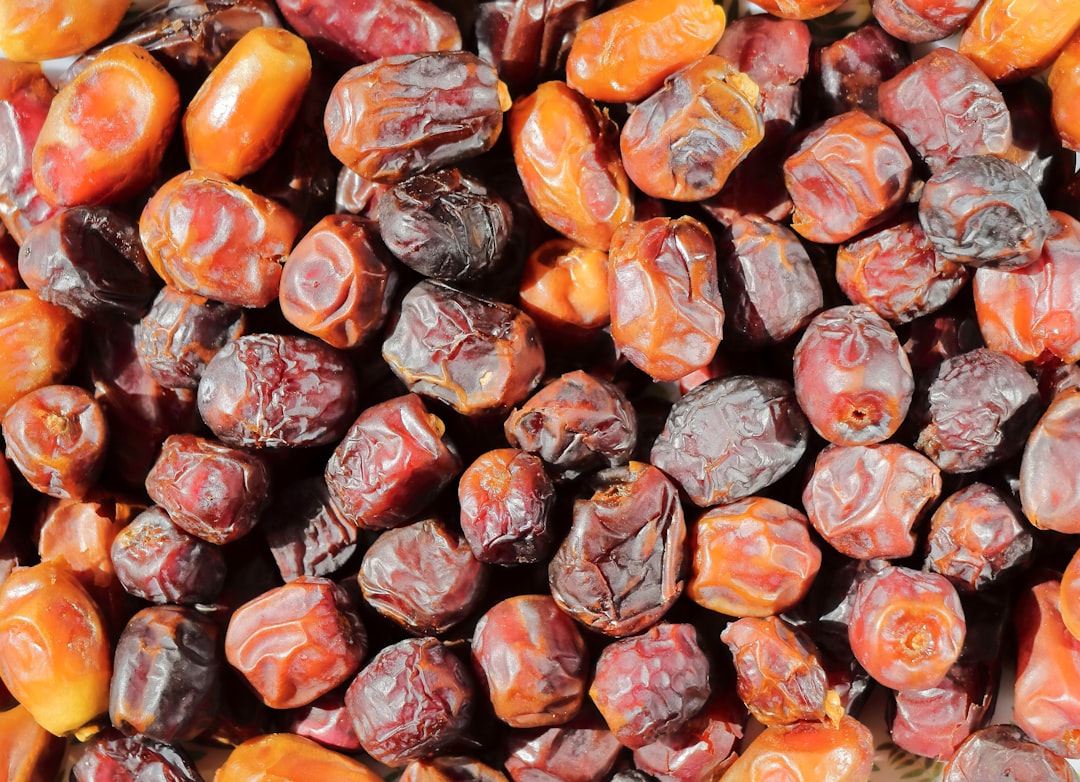
Suan Zao Ren — the roasted seed of Ziziphus spinosa, a cornerstone of TCM sleep medicine.
What Is Sour Jujube Seed?
Sour jujube seed for sleep is one of the most consistently used herbs in the Classical Chinese pharmacopoeia. Known as Suan Zao Ren, the seed comes from Ziziphus spinosa, a thorny shrub native to northern China, Korea, and parts of Central Asia. It belongs to the Rhamnaceae family and is a close relative of the common jujube fruit tree.
Here is where it gets interesting: the fleshy fruit of the cultivated jujube (Ziziphus jujuba) is widely eaten as a sweet tonic food, known as Hong Zao. However, it is the seed of the related wild species that became a cornerstone of TCM sleep medicine. The seed is sour and bitter, while the fruit is sweet. Their medicinal uses are quite different.
A 2,000-Year History in Chinese Medicine
Suan Zao Ren appears in the Shennong Bencao Jing (Divine Farmer’s Materia Medica). This is one of the earliest foundational texts of Chinese herbalism. Practitioners there classified it as a calming herb with affinity for the Heart and Liver. The classical decoction Suan Zao Ren Tang dates to Zhang Zhongjing’s Jinguiyaolue, written around 220 CE. It remains in active clinical use today.
In TCM classification, sour jujube seed is sour and sweet in taste. It is neutral in temperature. The herb enters the Heart, Liver, and Gallbladder meridians. Its core function is to nourish Heart blood and Liver yin. It calms the Shen — the settled quality of consciousness that makes restful sleep possible. When the Heart lacks sufficient blood, the spirit wanders. Restless thoughts, fragmented sleep, vivid dreams, night sweats, and palpitations can follow. Sour jujube seed is traditionally indicated for exactly this presentation.
The plant grows to approximately three metres tall on dry, rocky terrain. The small round fruit ripens in late autumn. Growers crack the pit open to extract the seed, then dry-roast it before use. In TCM pharmacy, roasting deepens and concentrates the seed’s sedating properties. This distinguishes it from the raw seed, which carries a subtly different energetic quality.
How Sour Jujube Seed for Sleep Works: Constituents and Properties
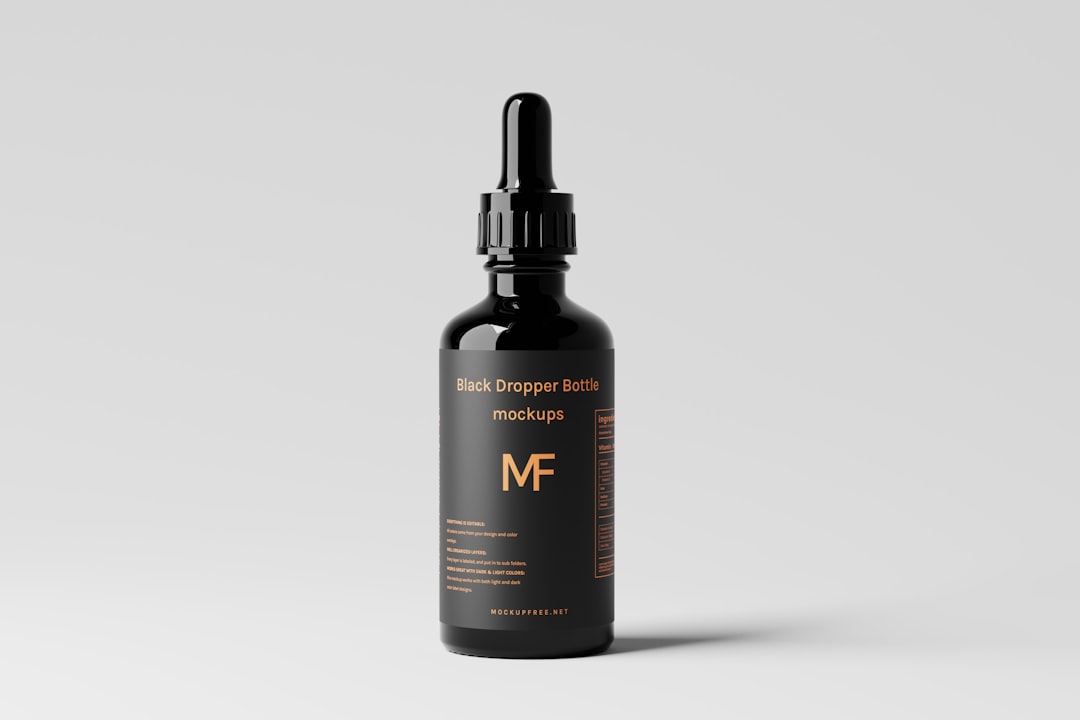
Sour jujube seed is available as a 1:5 tincture — the standard preparation for individual herb work.
Key Constituents: Jujubosides and Spinosin
Research increasingly supports the calming action of sour jujube seed for sleep. This research aligns with what TCM practitioners observed centuries ago. The herb’s effects come primarily from two classes of constituents: jujubosides (particularly jujuboside A and B) and spinosin, a flavonoid C-glycoside also called zizybeoside II. Together, these compounds act on the central nervous system through several complementary pathways.
Here is how it works: jujubosides are triterpenoid saponins. Research suggests they inhibit excitatory glutamate signalling in the hippocampus. They also modulate serotonergic pathways. Both mechanisms associate with the sedating and anxiolytic effects seen in preclinical models. Spinosin potentiates GABA-A receptor activity — the same receptor system that conventional sedative-hypnotic drugs target, though through what appears to be a distinct binding mechanism. Together, these pathways provide a plausible neurochemical basis for what TCM describes as settling the Shen.
But there is more to it than that. Beyond sleep, sour jujube seed traditionally addresses anxiety, palpitations, and the restlessness that follows prolonged overwork or chronic blood deficiency. This pattern presents as an inability to mentally disengage, rather than simple physical fatigue. Practitioners combine it with blood-nourishing agents such as Dang Gui (Angelica sinensis) and Chuan Xiong (Ligusticum chuanxiong), and with heat-clearing herbs like Zhi Mu (Anemarrhena rhizome).
Neuroprotective Properties and the Broader Constituent Profile
The constituent profile of Ziziphus spinosa seed also includes betulinic acid, ceanothic acid, and alphitolic acid (triterpenic acids), along with polysaccharides with antioxidant activity. Additionally, some research points to neuroprotective properties under oxidative stress conditions. This aligns with the classical TCM use of the herb to support memory and cognitive clarity over time.
Furthermore, sour jujube seed has a notably mild energetic profile. It is neither drying nor strongly warming. This makes it well suited to long-term use in constitutional deficiency patterns. So what does this mean in practical terms? Sour jujube seed for sleep addresses the underlying blood and yin insufficiency that TCM holds responsible for sleep disruption. It does not simply suppress wakefulness through a depressant effect.
How to Use Sour Jujube Seed: Tincture, Tea, and Traditional Preparation
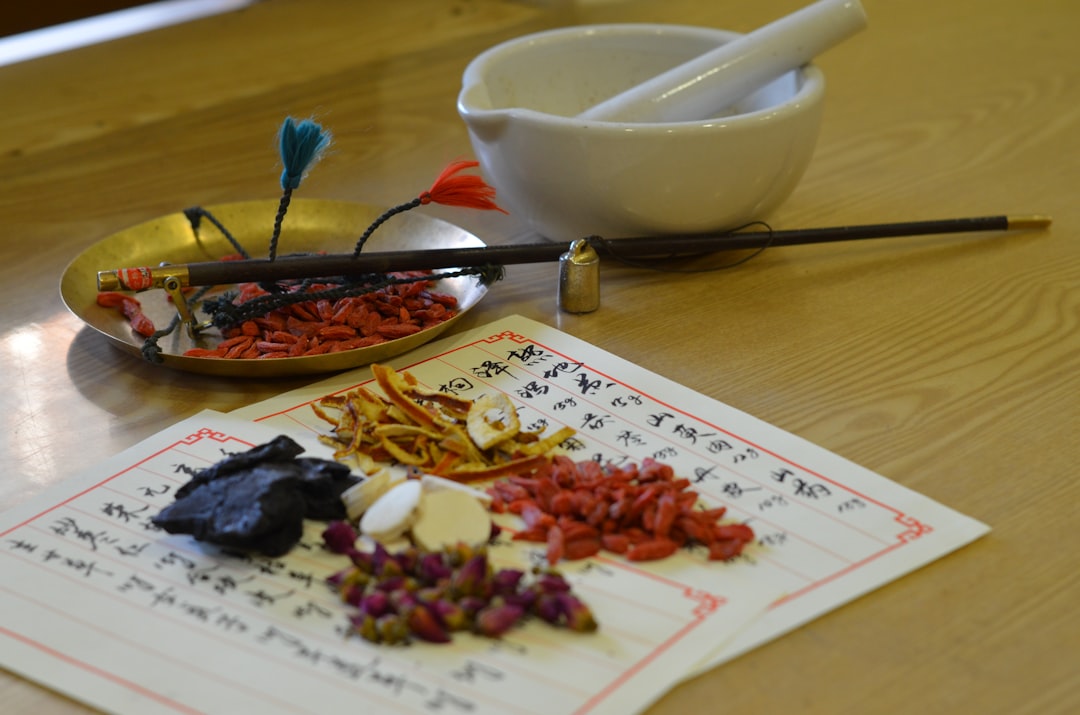
Traditional TCM decoction — the method used in Suan Zao Ren Tang for over 1,800 years.
Decoction: The Traditional Method
Practitioners have prepared sour jujube seed as a decoction for most of its clinical history. In the classical formula Suan Zao Ren Tang, the seed simmers for 30 to 60 minutes before other formula ingredients are added. This extended decoction extracts the jujubosides fully. These triterpenoid saponins require sustained heat and water contact to become readily bioavailable. Therefore, a longer cooking time is recommended when using the whole dried seed in a tea preparation.
The key takeaway: preparation method matters significantly with this herb. Roasted seed is the standard in TCM pharmacy. Chao Suan Zao Ren — the dry-fried, roasted seed — is the preparation for sleep and calming purposes. The raw seed carries a subtly more stimulating quality. At Herbal Clinic, the sour jujube seed tincture uses the processed (roasted) seed with the classic 1:5 tincturing method. This ratio provides optimal extraction while preserving the active constituents.
Incorporating Sour Jujube Seed Into Your Routine
For those building a daily wellness routine with sour jujube seed, consistency matters more than precise timing. However, many practitioners recommend evening use, given the herb’s sleep-supporting intention. It also appears in daytime formulas targeting anxiety and mental restlessness. Its action is calming rather than sedating in a way that impairs function. This makes it appropriate across the day within suitable formulas.
Additionally, sour jujube seed pairs well in combination. Its closest classical companions are Zhi Mu (Anemarrhena rhizome) for clearing empty heat, Fu Ling (Poria mushroom) for calming the mind and supporting digestion, Chuan Xiong (Ligusticum root) for moving blood and relieving constraint, and Gan Cao (Licorice root) as a harmonizing agent. These five herbs compose the complete Suan Zao Ren Tang formula. It ranks among the most clinically prescribed TCM formulas for sleep disturbance from blood and yin deficiency.
Herbal Clinic sources sour jujube seed with the same care applied across its full Chinese medicine catalogue. The herb is available as a 1:5 tincture in sizes from 100mL to 1000mL, and in dried herb form (100g). A glycerite (alcohol-free) option is available on request. For the complete classical formula, Suan Zao Ren Tang is available separately as a pre-made formula.
FAQ
- Superior Sourcing: Our herbs are sourced from all over the world to avoid seasonal fluctuations in availability, keeping herbs accessible. Our suppliers meet strict standards that ensure top quality herbs, most of which are organic, wildcrafted, sustainably grown, or grown using permaculture. We support local farmers and grow many of our own herbs.
- Superior Processing: Our tinctures are made using the classic tincturing method. The tinctures are made in a 1:5 ratio which allows for the optimal extraction of the herb. The alcohol percentage is strictly controlled depending on the herb and part of the plant that is used.
- Superior Selection: We take pride in our growing selection of over 300 individual herbs. If we don’t carry the herb you’re seeking, we can likely track it down for you.
- Superior Quality Control: Our tinctures are thoroughly tested by a third-party lab and with an organoleptic evaluation by our team of herbalists prior to final bottling.
- Superior Price: Our tinctures are more cost-effective than other tinctures on the market. With an eye towards efficiency, we keep our costs low by maintaining good relationships with our wide network of suppliers and ordering herbs in bulk quantities.
- We Care About the Environment: We repackage materials that are shipped to us (so don’t be surprised if our packages look different from time to time!). We recycle or reuse materials whenever possible. We turn the cardboard we receive from other suppliers into packing material. We donate to avoid waste to groups like Naturopaths Without Borders. Our workforce almost completely uses public transportation or bikes. We are powered using 100% renewable energy through Bullfrog Power.
- We Donate To Charity: We support many causes that make the world better. We donate a portion of our profits or products. These include charities that support environmental and natural sustainability.
Set up an online account and order through the website. If you don’t have an account and place an order, one will be created for you.
Click here to subscribe to our mailing list.
Our products are made in Toronto, Ontario, Canada by a team of Herbalists and Naturopathic Doctors. The herbs and ingredients we use to make our products are sourced both locally and globally to keep herbs accessible and sustainable.
The majority of our herbs are certified organic, sustainably wildcrafted, or come from small-scale local organic farms that do not yet have organic certification. We always do our best to provide organic herbs in your formulas. We work with a variety of suppliers to keep costs low.
Although most of our products do not contain gluten, we do not have gluten-free certification for our production facility. Feel free to ask about any specific products and we’ll share whatever information we have available.
For liability and regulatory reasons, we don’t make any claims as to how our herbs should be used, including dosing recommendations. Please review our disclaimer, as well as our terms and policies.