Mullein for Respiratory Health — History, Origins, and the Plant Itself
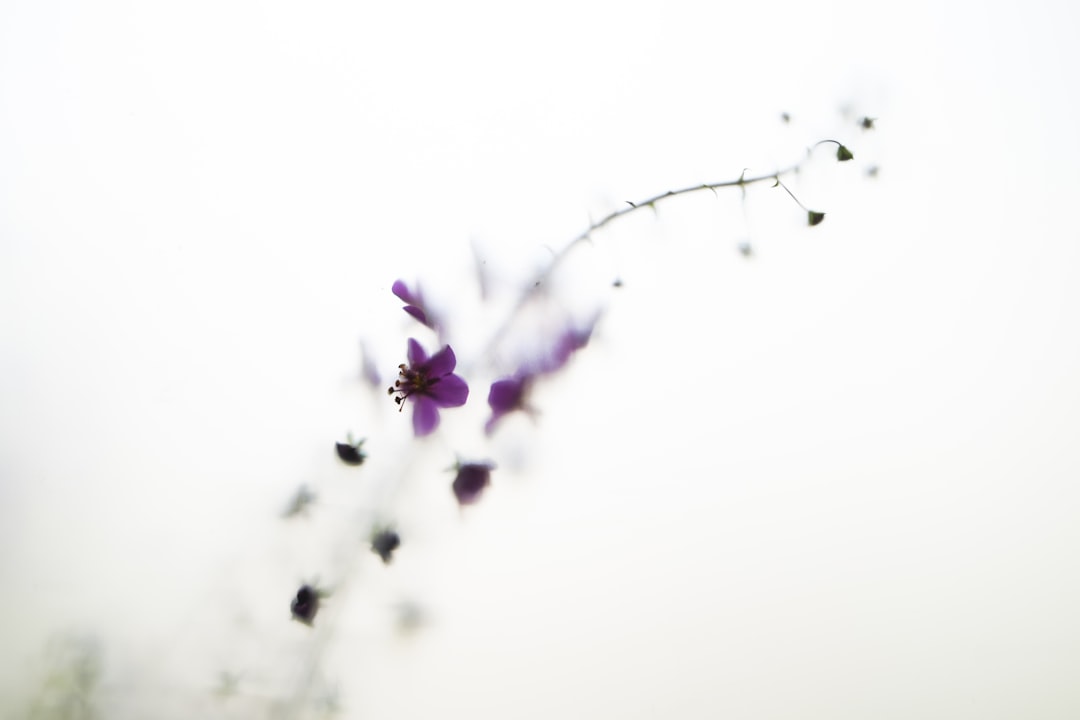
Verbascum thapsus — common mullein, a centuries-old lung herb
Mullein for respiratory health has been relied upon by traditional herbalists for thousands of years — and if you have ever struggled with a lingering cough, a tight chest, or airways that just won’t calm down, this tall, velvety-leaved plant may be exactly what you have been looking for.
Known by its Latin name Verbascum thapsus, mullein belongs to the Scrophulariaceae family and has been a cornerstone of folk medicine traditions across Europe, Asia, and North America. Its common names tell a story: common mullein, great mullein, flannel leaf, and velvet plant — the last two earned from the herb’s most recognizable feature, its extraordinarily large, soft, felt-like leaves. Run a finger across a fresh mullein leaf and the texture is unmistakable.
Mullein is a biennial plant that makes its home in disturbed soils — roadsides, rocky hillsides, cleared fields, and open meadows. In its first year, it forms a low, wide rosette of enormous grey-green leaves that can reach 50 centimetres in length. In its second year, it launches a towering central spike that can grow to 2 metres, topped with small, bright yellow flowers that bloom progressively up the stalk throughout the summer. It is hard to miss once you know what you are looking for.
Here’s why that matters: it is the large, velvety first-year leaves that are the primary part used in herbal medicine. Indigenous peoples across North America relied on mullein leaf for lung and respiratory support — a tradition that runs parallel to centuries of European herbal practice. The 19th-century Eclectic physicians, who blended botanical and conventional medicine, called mullein “the herb of the respiratory tract” and placed it at the centre of their lung formulas.
But there’s more to it than that. Mullein’s deep historical reputation for lung support isn’t merely anecdotal — the plant’s chemistry offers a clear and compelling explanation for why herbalists across cultures have turned to it again and again. Its active constituents work in concert with the respiratory system in ways that are consistent, reliable, and well understood within the tradition of plant medicine.
Mullein for Respiratory Health: Key Properties and Active Constituents
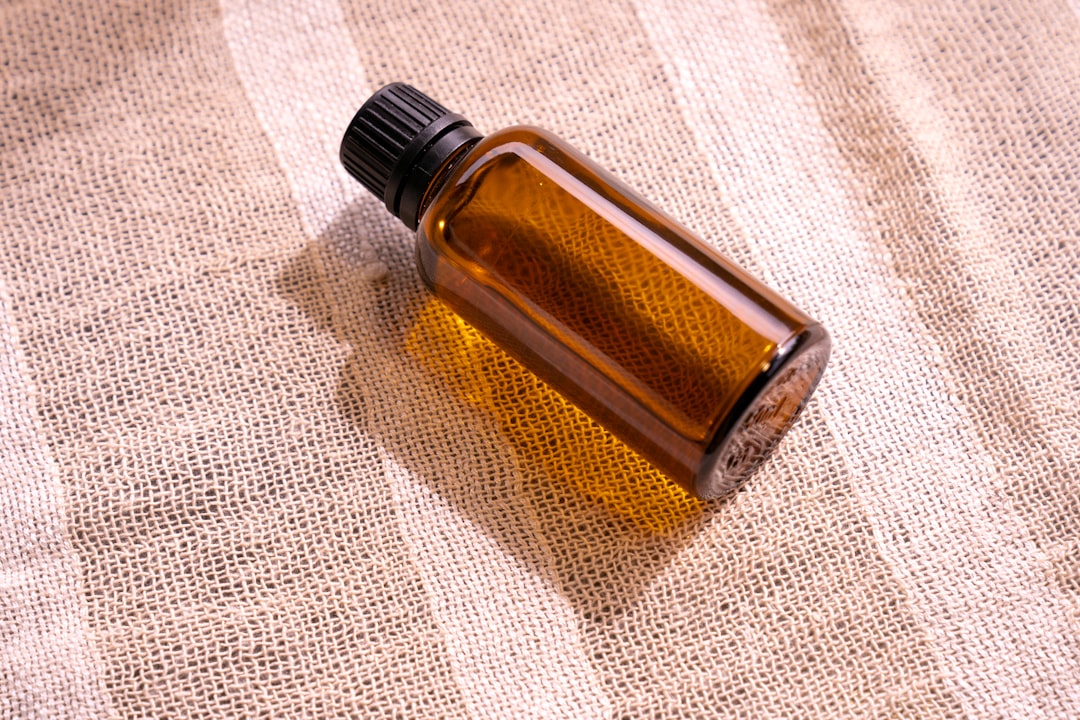
Mullein tincture — active constituents include mucilage, saponins, flavonoids, and tannins
The properties that make mullein for respiratory health so valued within herbal tradition come directly from its phytochemical profile. The leaf contains four primary categories of active constituents — flavonoids, mucilage, saponins, and tannins — each contributing a distinct layer of activity to mullein’s overall role as a pulmonary tonic.
The most significant of these is the mucilage content. Mucilage is a gel-like polysaccharide that, when consumed, coats and soothes irritated mucous membranes along the entire respiratory tract. This makes mullein particularly associated with dry, raw, or inflamed airways — conditions where the respiratory lining is crying out for both protection and hydration. Herbalists have traditionally described mullein as a “demulcent” for the lungs — an herb that brings genuine soothing relief to inflamed and irritated tissues rather than simply masking discomfort.
Here’s how it works: alongside the mucilage, mullein’s saponins act as a gentle relaxing expectorant. Saponins reduce surface tension within the bronchial passages, which helps to loosen and mobilize thick, stubborn mucus that has accumulated in the airways. This combination — soothing the tissue while simultaneously clearing the passage — is the hallmark of what herbalists call a “relaxing expectorant.” It supports the body’s natural clearing mechanisms without harsh stimulation.
The flavonoids provide antioxidant and anti-inflammatory activity. Chronic respiratory complaints are frequently driven by persistent inflammation in the airway lining, and the flavonoids in mullein leaf may help calm that underlying irritation. Tannins offer mild astringent properties, toning the mucous membranes and assisting with the reduction of excessive secretions. Together, these constituents support mullein’s additional classification as a vulnerary — an herb that helps heal and restore damaged or chronically irritated tissue.
Herbalists traditionally associate mullein with asthma, chronic and acute bronchitis, and emphysema — conditions that share the common thread of weakened, inflamed, or compromised lung tissue. Mullein pairs especially well with Coltsfoot (Tussilago farfara) and Lobelia (Lobelia inflata) for broader pulmonary support. Research on Verbascum thapsus constituents available through databases such as PubMed is consistent with its traditional applications, though this information is provided for educational purposes only and is not intended as medical advice.
Using Mullein for Respiratory Health: Tinctures, Teas, and Herbal Combinations
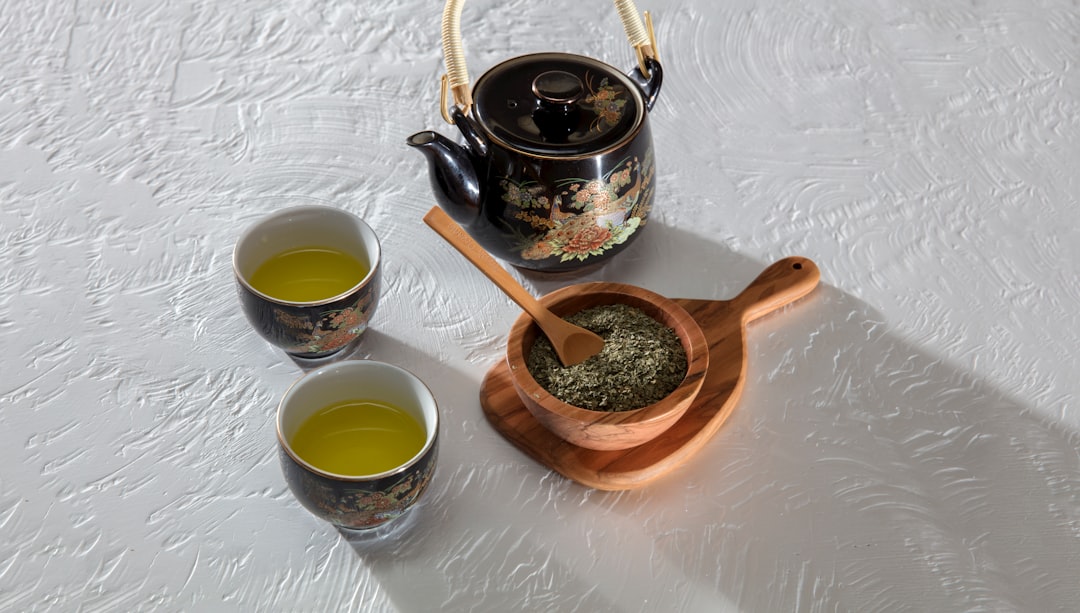
Mullein leaf can be prepared as a tea or taken as a tincture for respiratory wellness
One of the most appealing aspects of incorporating mullein for respiratory health into a daily wellness routine is the variety of forms it can be prepared and used in. Mullein leaf is available as a dried herb for tea, as a liquid tincture, and in combination formulas with complementary respiratory herbs — each offering a slightly different profile of use.
The tea preparation carries a long and respected tradition. When preparing mullein leaf as an infusion, it is important to strain the tea carefully through a fine cloth before drinking. Mullein’s characteristic velvety leaves have fine hairs that, while completely harmless, can be mildly irritating to the throat if left in the cup. A well-strained cup of warm mullein leaf tea is traditionally enjoyed to support the airways, ease dryness, and bring a sense of calm and openness to the respiratory tract.
Tinctures offer a concentrated, convenient, and consistent way to work with mullein. Herbal Clinic’s Mullein tincture is crafted using the classic 1:5 tincture method — a ratio that allows for the optimal extraction of mullein leaf’s active constituents, including its mucilage, saponins, flavonoids, and tannins. The alcohol percentage is carefully calibrated for the specific plant part being extracted, ensuring the full spectrum of constituents is captured. Every batch is evaluated by Herbal Clinic’s team of herbalists and QA tested before bottling.
So what does this mean for you? It means the same level of care that a professional herbalist would apply to a custom preparation is built into every bottle.
Mullein also works beautifully as part of a broader pulmonary support formula. It pairs well with Coltsfoot and Lobelia as general pulmonary tonics — a combination traditionally used to support lung tissue in conditions of weakness or persistent irritation. Herbal Clinic carries both a standalone Mullein tincture and combination respiratory products for practitioners and wellness-minded customers looking for more comprehensive support.
As with any herbal practice, consistency tends to yield the most meaningful results. Incorporating mullein as an ongoing part of a respiratory wellness routine — rather than as a single-use remedy — reflects how herbalists across cultures have always worked with this plant. It is always advisable to consult a qualified healthcare practitioner, such as a naturopathic doctor or clinical herbalist, before beginning a new herbal protocol, particularly for ongoing respiratory concerns.
FAQ
- Superior Sourcing: Our herbs are sourced from all over the world to avoid seasonal fluctuations in availability, keeping herbs accessible. Our suppliers meet strict standards that ensure top quality herbs, most of which are organic, wildcrafted, sustainably grown, or grown using permaculture. We support local farmers and grow many of our own herbs.
- Superior Processing: Our tinctures are made using the classic tincturing method. The tinctures are made in a 1:5 ratio which allows for the optimal extraction of the herb. The alcohol percentage is strictly controlled depending on the herb and part of the plant that is used.
- Superior Selection: We take pride in our growing selection of over 300 individual herbs. If we don’t carry the herb you’re seeking, we can likely track it down for you.
- Superior Quality Control: Our tinctures are thoroughly tested by a third-party lab and with an organoleptic evaluation by our team of herbalists prior to final bottling.
- Superior Price: Our tinctures are more cost-effective than other tinctures on the market. With an eye towards efficiency, we keep our costs low by maintaining good relationships with our wide network of suppliers and ordering herbs in bulk quantities.
- We Care About the Environment: We repackage materials that are shipped to us (so don’t be surprised if our packages look different from time to time!). We recycle or reuse materials whenever possible. We turn the cardboard we receive from other suppliers into packing material. We donate to avoid waste to groups like Naturopaths Without Borders. Our workforce almost completely uses public transportation or bikes. We are powered using 100% renewable energy through Bullfrog Power.
- We Donate To Charity: We support many causes that make the world better. We donate a portion of our profits or products. These include charities that support environmental and natural sustainability.
Set up an online account and order through the website. If you don’t have an account and place an order, one will be created for you.
Click here to subscribe to our mailing list.
Our products are made in Toronto, Ontario, Canada by a team of Herbalists and Naturopathic Doctors. The herbs and ingredients we use to make our products are sourced both locally and globally to keep herbs accessible and sustainable.
The majority of our herbs are certified organic, sustainably wildcrafted, or come from small-scale local organic farms that do not yet have organic certification. We always do our best to provide organic herbs in your formulas. We work with a variety of suppliers to keep costs low.
Although most of our products do not contain gluten, we do not have gluten-free certification for our production facility. Feel free to ask about any specific products and we’ll share whatever information we have available.
For liability and regulatory reasons, we don’t make any claims as to how our herbs should be used, including dosing recommendations. Please review our disclaimer, as well as our terms and policies.