Gymnema for Sugar Cravings: Where It Comes From
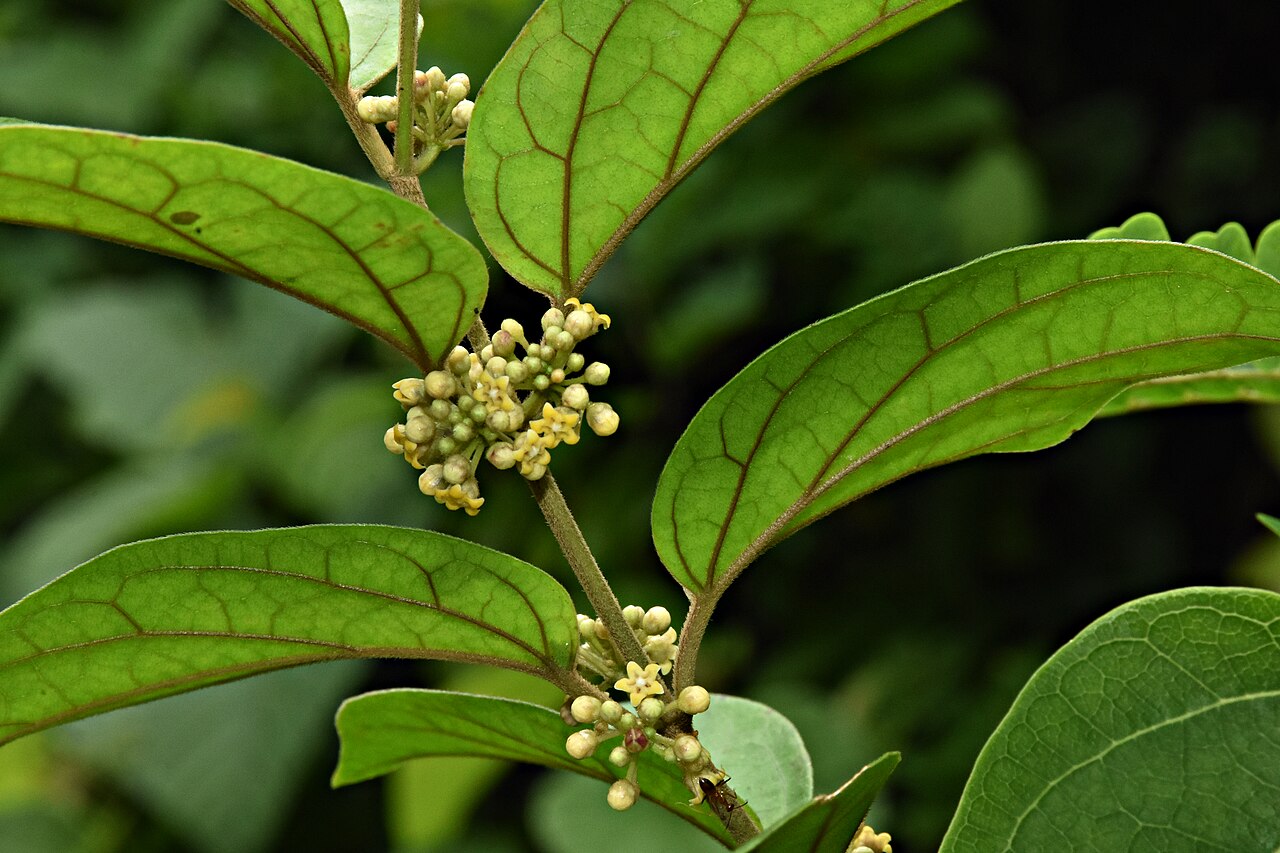
A climbing vine in flower, the plant behind gymnema for sugar cravings
Gymnema for sugar cravings has a story that sounds almost too odd to be true: chew one leaf, and sugar briefly stops tasting sweet. In India, people have known this trick for centuries. The Hindi name for the plant, gurmar, even means “sugar destroyer.” So how does a plain green leaf change the way sugar tastes? This guide covers the plant, its traditional uses, and how people take it today.
What Is Gymnema?
Gymnema is the leaf of Gymnema sylvestre, a woody climbing vine in the milkweed family. It grows wild in the tropical forests of central and southern India. It also grows in parts of Africa and Australia. The vine wraps itself around trees and shrubs as it climbs toward the light.
The leaves are oval, smooth and bright green, with a pointed tip. They grow in opposite pairs along the stem. In the rainy season, small clusters of pale yellow, bell-shaped flowers appear where the leaves meet the stem. Later, the plant forms slim seed pods.
Herbalists use the leaf, either fresh, dried or extracted. You may also see the herb sold as gurmar, meshashringi or simply gymnema.
A Long History in Ayurveda
Gymnema has been part of Ayurveda, the traditional medicine of India, for roughly 2,000 years. Traditional healers used the leaf for what they called “sweet urine,” an old name for the condition we now call diabetes. In addition, they used it for digestion, coughs and to support a healthy weight.
Here’s why that matters: the herb’s reputation did not come from a lab. Instead, it came from a simple experience that anyone could notice. After chewing the leaf, honey and sugar taste flat, almost like sand. That strange effect made the plant easy to remember.
European botanists noticed it too. For example, a British officer in India wrote about the leaf’s effect on sweet taste in the 1840s. Since then, gymnema for sugar cravings has slowly moved from Indian village medicine into Western herbal shops.
Traditional Benefits of Gymnema for Sugar Cravings
A traditional herbal tincture
The best-known traditional use of gymnema for sugar cravings comes down to taste. However, herbalists also link the leaf with healthy blood sugar and appetite. Below are the areas where it comes up most often.
How Gymnema Eases Sugar Cravings at the Tongue
The leaf contains a group of plant compounds called gymnemic acids. These compounds are shaped a lot like sugar. So when they reach the tongue, they settle into the taste buds that normally detect sweetness. As a result, sugar has nowhere to land, and sweet foods taste dull for a while.
The effect usually lasts from 15 minutes to about an hour. Then, the taste buds return to normal. Bitter, salty and sour flavours stay the same, so only sweetness fades.
So what does this mean for you? If sweets taste less rewarding, they may also feel less tempting. Some small studies suggest that people ate fewer sweets after tasting gymnema. That is why many people reach for it when they want to cut back on sugar.
Blood Sugar and Appetite
This is where it gets interesting. Gymnemic acids may also act in the gut. Researchers think they may slow how much sugar the intestines take in after a meal. In addition, early studies suggest the herb may support the cells in the pancreas that release insulin.
Because of this, gymnema is traditionally used to support healthy blood sugar levels. It is also associated with a calmer appetite between meals. However, most human studies are small, so it is best to see these uses as traditional rather than proven. You can browse the research on PubMed.
Herbalists often pair gymnema with other herbs for the same goal. For example, cinnamon and bitter melon show up in many traditional blends. You can read more in our guide to cinnamon for blood sugar balance.
The key takeaway: gymnema for sugar cravings works on two levels. First, it dulls sweet taste on the tongue. Second, it may support steady blood sugar after meals.
How to Use Gymnema for Sugar Cravings
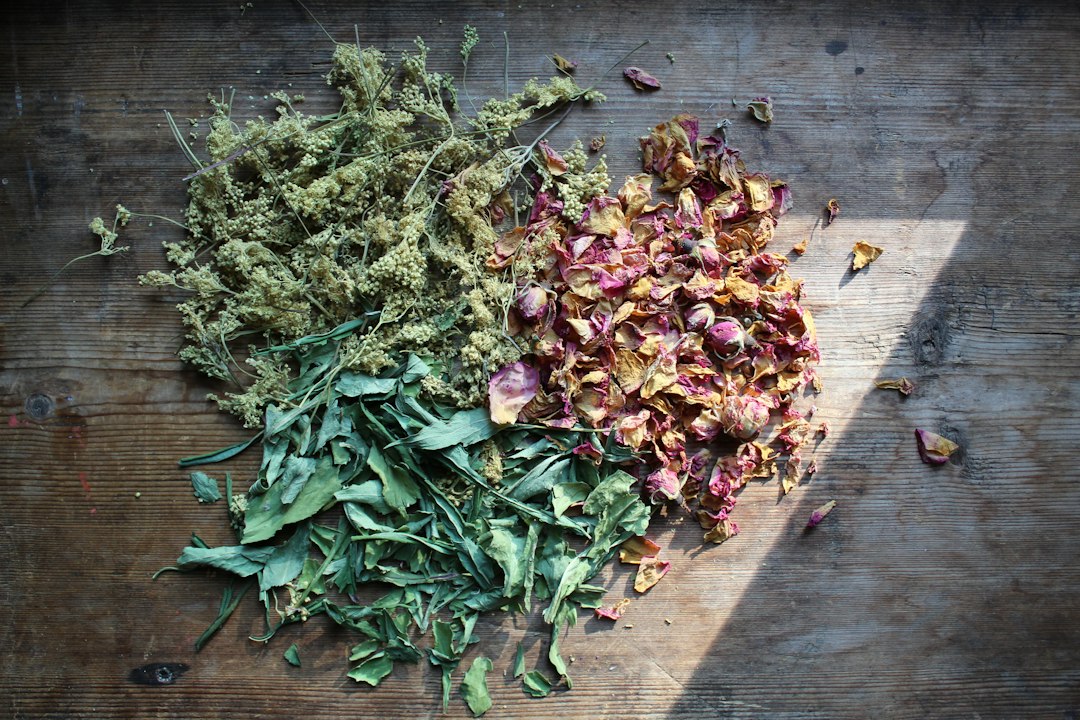
Dried herbs ready for tea and tinctures
There are a few simple ways to take gymnema for sugar cravings, and the right one depends on your goal. Traditionally, people chewed the fresh leaf. Today, a tincture or tea is far more common. Here’s how each form works.
Tincture or Tea?
A tincture is the herb extracted in alcohol and water. It is quick to take and easy to carry. It also works well for the taste effect, because the drops touch the tongue directly. Some people hold a few drops in the mouth for a moment before a meal or when a craving hits.
We make our gymnema tincture in a 1:5 ratio using the classic tincturing method. Our team also sets the alcohol percentage for each herb, so the extraction suits the leaf.
If you prefer tea, steep the dried leaf in just-boiled water for about ten minutes. The tea tastes mildly bitter and grassy. Of course, honey will not help here, since the herb dulls sweetness. Instead, try a slice of lemon or some fresh mint.
Everyday Tips for Gymnema and Sugar Cravings
- Take it before dessert or an afternoon snack, when cravings are often strongest.
- Pair it with simple habits, such as eating protein at breakfast and drinking enough water.
- Expect the taste effect to fade within the hour, so time it around the moments that matter.
- Look for blends if you want a broader approach. For example, our Blood Sugar Bundle pairs several traditional herbs.
Is Gymnema Safe?
Most people tolerate gymnema well in traditional use. However, it may lower blood sugar. So talk to your healthcare provider first if you have diabetes or take medication for blood sugar, because the two together could push levels too low. Also, skip it if you are pregnant or nursing, and stop it two weeks before surgery. For liability and regulatory reasons, we don’t give dosing advice. Please review our disclaimer before you start.
How We Source Our Gymnema
We buy our gymnema from trusted suppliers, and most of our herbs are certified organic or sustainably wildcrafted. Our team of herbalists and Naturopathic Doctors makes every tincture in Toronto. Then, each batch goes through a third-party lab test and a sensory check by our herbalists before bottling.
The key takeaway: gymnema for sugar cravings is a simple, traditional herb with a surprising party trick. It belongs in the cupboard of anyone who wants a little help saying no to sweets.
FAQ
- Superior Sourcing: Our herbs are sourced from all over the world to avoid seasonal fluctuations in availability, keeping herbs accessible. Our suppliers meet strict standards that ensure top quality herbs, most of which are organic, wildcrafted, sustainably grown, or grown using permaculture. We support local farmers and grow many of our own herbs.
- Superior Processing: Our tinctures are made using the classic tincturing method. The tinctures are made in a 1:5 ratio which allows for the optimal extraction of the herb. The alcohol percentage is strictly controlled depending on the herb and part of the plant that is used.
- Superior Selection: We take pride in our growing selection of over 300 individual herbs. If we don’t carry the herb you’re seeking, we can likely track it down for you.
- Superior Quality Control: Our tinctures are thoroughly tested by a third-party lab and with an organoleptic evaluation by our team of herbalists prior to final bottling.
- Superior Price: Our tinctures are more cost-effective than other tinctures on the market. With an eye towards efficiency, we keep our costs low by maintaining good relationships with our wide network of suppliers and ordering herbs in bulk quantities.
- We Care About the Environment: We repackage materials that are shipped to us (so don’t be surprised if our packages look different from time to time!). We recycle or reuse materials whenever possible. We turn the cardboard we receive from other suppliers into packing material. We donate to avoid waste to groups like Naturopaths Without Borders. Our workforce almost completely uses public transportation or bikes. We are powered using 100% renewable energy through Bullfrog Power.
- We Donate To Charity: We support many causes that make the world better. We donate a portion of our profits or products. These include charities that support environmental and natural sustainability.
Set up an online account and order through the website. If you don’t have an account and place an order, one will be created for you.
Click here to subscribe to our mailing list.
Our products are made in Toronto, Ontario, Canada by a team of Herbalists and Naturopathic Doctors. The herbs and ingredients we use to make our products are sourced both locally and globally to keep herbs accessible and sustainable.
The majority of our herbs are certified organic, sustainably wildcrafted, or come from small-scale local organic farms that do not yet have organic certification. We always do our best to provide organic herbs in your formulas. We work with a variety of suppliers to keep costs low.
Although most of our products do not contain gluten, we do not have gluten-free certification for our production facility. Feel free to ask about any specific products and we’ll share whatever information we have available.
For liability and regulatory reasons, we don’t make any claims as to how our herbs should be used, including dosing recommendations. Please review our disclaimer, as well as our terms and policies.