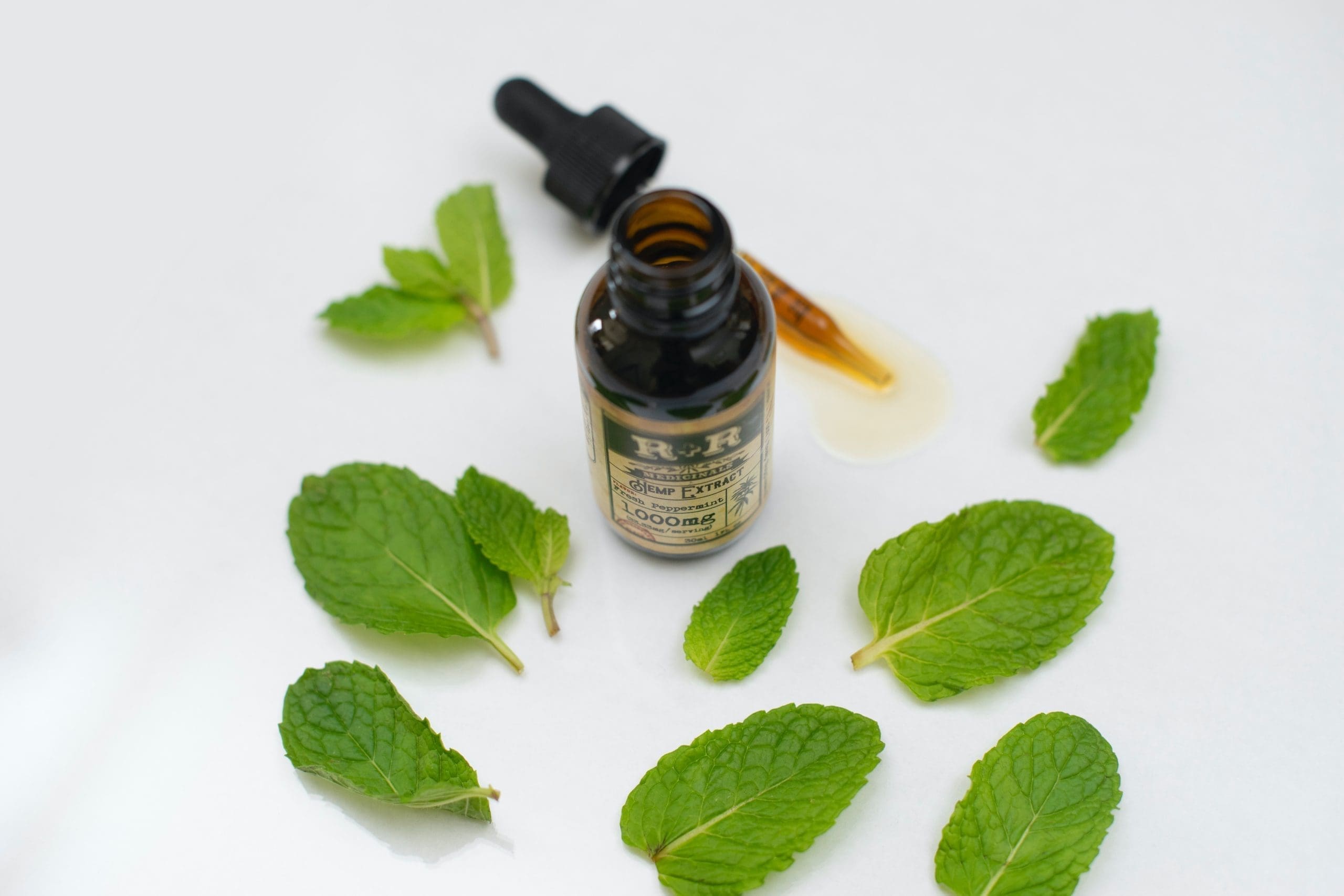
Part 1: What Is a Herbal Tincture?

Knowing how to make a herbal tincture at home is one of the most useful skills in natural wellness — and it is far simpler than most people expect. A tincture is a concentrated liquid extract made by soaking plant material in a solvent, most often alcohol. The process draws out the plant’s active compounds into a potent, long-lasting preparation.
Tinctures offer several advantages over other herbal preparations. For example, they absorb quickly and are easy to take anywhere. Furthermore, an alcohol-based tincture can remain effective for up to five years when you store it correctly. In contrast, herbal teas and infusions last only a few days.
A Brief History of Tincture-Making
Herbalists have made tinctures for thousands of years. Ancient Egyptians used alcohol-based plant extracts as early as 3000 BCE. Additionally, traditional European herbalists refined the method during the medieval period. They passed it down through generations of healers. Today, tinctures remain one of the most trusted forms of herbal preparation in both traditional and clinical herbalism.
Why Make Your Own?
Making your own tincture gives you full control over ingredients and quality. Most importantly, you can choose organic or wildcrafted herbs and build blends tailored to your needs. Additionally, home tincture-making is cost-effective. A small amount of dried herb and a bottle of spirits goes a long way.
That said, if you prefer a professionally prepared product, Herbal Clinic carries over 300 individual herbal tinctures made in-house by qualified herbalists in Toronto. Each batch undergoes third-party lab testing and an organoleptic review before bottling. However you choose to use tinctures, understanding how to make a herbal tincture helps you appreciate what goes into a well-made product.
Part 2: What You Need to Make a Herbal Tincture

Before you learn how to make a herbal tincture, gather your materials. The good news is that you do not need a professional lab. Most of what you need is already in a well-stocked kitchen or available at a local store.
Choosing Your Herbs
Almost any medicinal herb works well in a tincture. Here are five popular choices for beginners:
- Echinacea (Echinacea purpurea) — traditionally used to support immune function during cold and flu season
- Chamomile (Matricaria chamomilla) — a gentle herb associated with relaxation and digestive comfort
- Lemon balm (Melissa officinalis) — traditionally used for calm and mild stress support
- Ashwagandha (Withania somnifera) — an adaptogenic root associated with energy and resilience
- Valerian (Valeriana officinalis) — traditionally used for sleep support
Fresh or dried herbs both work. However, fresh herbs contain water, which dilutes the solvent. Dried herbs are more concentrated and easier to source year-round. For most beginners, dried herbs are the simpler choice.
Choosing Your Solvent
The solvent extracts the active compounds from the plant. Alcohol is the most effective option for most herbs. Specifically, food-grade vodka (40% alcohol / 80 proof) works well for the majority of dried herbs. For resins and gums, use a higher-proof spirit such as Everclear (95% alcohol).
The key when you make a herbal tincture at home is matching the solvent strength to the plant type. Water-soluble compounds like mucilages need lower alcohol percentages. Resins and essential oils need higher percentages to extract fully.
If you prefer an alcohol-free option, glycerin works as a substitute. Glycerin tinctures — also called glycerites — are sweeter and gentle. However, glycerin does not extract all the same compounds as alcohol. Furthermore, glycerites have a shorter shelf life: about one year compared to five for alcohol-based preparations.
Equipment You Will Need
Fortunately, the equipment list is short:
- A clean glass jar with a tight-fitting lid (a mason jar works perfectly)
- A fine mesh strainer or cheesecloth
- A small funnel
- Amber glass dropper bottles for the finished tincture
- A kitchen scale for weighing herbs
- Labels and a permanent marker
Additionally, keep your workspace clean and dry. Any moisture introduced during the process can affect the final product. If you use high-proof alcohol, work in a well-ventilated area away from open flames.
Part 3: How to Make a Herbal Tincture Step by Step

Here is how to make a herbal tincture using the traditional folk maceration method. This approach uses a simple weight-to-volume ratio and requires no specialized lab equipment. Most importantly, it works reliably for a wide range of herbs.
Step 1: Weigh and Prepare Your Herbs
Start by weighing your dried herb. A reliable starting ratio is 1 part herb to 5 parts solvent by volume — the same 1:5 ratio the team at Herbal Clinic uses for every in-house tincture. For example, use 30 grams of dried herb with 150 ml of alcohol. Chop or lightly grind the herb. This step increases surface area and allows the solvent to work more efficiently.
Step 2: Combine Herb and Solvent
Place your prepared herb into the clean glass jar. Pour the solvent over the herb until you fully submerge it. In fact, keep at least 2–3 cm of liquid above the herb to ensure full extraction. Seal the jar tightly.
Step 3: Macerate for 4 to 6 Weeks
Place the jar in a cool, dark location — a kitchen cupboard or pantry works well. Shake or swirl it daily. As a result, the liquid deepens in colour and takes on the properties of the herb. Most herbs need 4 to 6 weeks of maceration. Some are ready in 2 weeks, but longer is generally better for potency.
Step 4: Strain and Press
After maceration, strain the liquid through a fine mesh strainer lined with cheesecloth. Press the spent herb firmly to extract as much liquid as possible. This final pressing matters — a significant portion of the active compounds concentrates in it. Discard the pressed herb matter.
Step 5: Bottle, Label, and Store
Use a funnel to pour your finished tincture into amber glass dropper bottles. Amber glass blocks light and slows degradation. Label each bottle with the herb name, solvent type, alcohol percentage, date made, and maceration ratio. Store in a cool, dark place. An alcohol-based tincture can last 3–5 years this way.

How to Take Your Finished Tincture
Herbalists traditionally take tinctures in small amounts — typically about 1 ml (a single dropperful) diluted in a little water or tea. Sublingual use, meaning under the tongue, speeds absorption. For guidance on any specific herb, consult a qualified herbalist or naturopathic doctor.
Once you know how to make a herbal tincture at home, you may also want to explore professionally prepared options. Research in herbal medicine confirms that alcohol extraction effectively concentrates alkaloids, glycosides, and plant oils. For further reading, see the American Botanical Council’s peer-reviewed overview of tincture preparation.
These statements have not been evaluated by Health Canada. This product is not intended to diagnose, treat, cure, or prevent any disease.
Frequently Asked Questions
Superior Sourcing: Our herbs are sourced from all over the world to avoid seasonal fluctuations in availability, keeping herbs accessible. Our suppliers meet strict standards that ensure top quality herbs, most of which are organic, wildcrafted, sustainably grown, or grown using permaculture. We support local farmers and grow many of our own herbs. Superior Processing: Our tinctures are made using the classic tincturing method. The tinctures are made in a 1:5 ratio which allows for the optimal extraction of the herb. The alcohol percentage is strictly controlled depending on the herb and part of the plant that is used. Superior Selection: We take pride in our growing selection of over 300 individual herbs. If we don’t carry the herb you’re seeking, we can likely track it down for you. Superior Quality Control: Our tinctures are thoroughly tested by a third-party lab and with an organoleptic evaluation by our team of herbalists prior to final bottling. Superior Price: Our tinctures are more cost-effective than other tinctures on the market. With an eye towards efficiency, we keep our costs low by maintaining good relationships with our wide network of suppliers and ordering herbs in bulk quantities. We Care About the Environment: We repackage materials that are shipped to us. We recycle or reuse materials whenever possible. We turn the cardboard we receive from other suppliers into packing material. We donate to avoid waste to groups like Naturopaths Without Borders. Our workforce almost completely uses public transportation or bikes. We are powered using 100% renewable energy through Bullfrog Power. We Donate To Charity: We support many causes that make the world better. We donate a portion of our profits or products to charities that support environmental and natural sustainability.
Set up an online account and order through the website. If you don’t have an account and place an order, one will be created for you.
Click here to subscribe to our mailing list.
Our products are made in Toronto, Ontario, Canada by a team of Herbalists and Naturopathic Doctors. The herbs and ingredients we use to make our products are sourced both locally and globally to keep herbs accessible and sustainable.
The majority of our herbs are certified organic, sustainably wildcrafted, or come from small-scale local organic farms that do not yet have organic certification. We always do our best to provide organic herbs in your formulas. We work with a variety of suppliers to keep costs low.
Although most of our products do not contain gluten, we do not have gluten-free certification for our production facility. Feel free to ask about any specific products and we’ll share whatever information we have available.
For liability and regulatory reasons, we don’t make any claims as to how our herbs should be used, including dosing recommendations. Please review our disclaimer, as well as our terms and policies.